Connect with us

Health

Sinusitis: Causes, Symptoms, and Treatment

Published

on

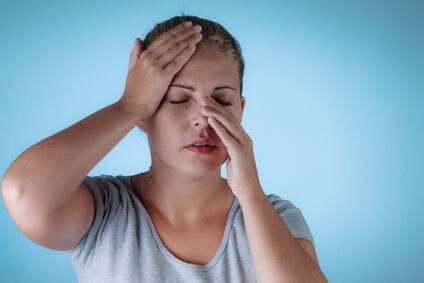
Sinusitis, also known as a sinus infection, is an inflammation or swelling of the tissue lining the sinuses. Healthy sinuses are filled with air, but when they become blocked and filled with fluid, germs can grow and cause an infection. This article explores the causes, symptoms, and treatment of sinusitis.

Causes of Sinusitis

1. Infections
– Viral Infections: The most common cause of sinusitis is a viral infection, such as the common cold.

– Bacterial Infections: Bacterial infections can develop if the sinuses remain blocked for an extended period.

– Fungal Infections: Fungal sinusitis is less common and typically occurs in people with weakened immune systems or allergies.

2. Allergies
– Allergic reactions to pollen, dust, mold, or pet dander can lead to inflammation and blockage of the sinuses.

3. Nasal Polyps
– These are small growths on the lining of the nasal passages or sinuses that can block the flow of mucus.

4. Deviated Septum
– A crooked septum, the wall between the nostrils, can restrict or block sinus passages.

5. Other Factors
– Other contributing factors include respiratory tract infections, smoking, and certain medical conditions like cystic fibrosis.

Symptoms of Sinusitis

Facial Pain and Pressure: Pain and tenderness around the eyes, cheeks, nose, or forehead.

Nasal Congestion: Difficulty breathing through the nose due to blocked nasal passages.

– Runny Nose: Thick yellow or green nasal discharge.

Headache: Pressure and pain in the head, often worsening when bending forward.

– Cough: A cough that may worsen at night.

Fever: Low-grade fever may accompany sinusitis.

– Reduced Sense of Smell and Taste: Temporary loss or reduction in the ability to smell and taste.

Bad Breath: Persistent bad breath or an unpleasant taste in the mouth.

Treatment

1. Home Remedies
– Hydration: Drink plenty of fluids to thin mucus.

– Humidifiers: Use a humidifier or steam inhalation to keep sinuses moist.

– Saline Nasal Spray: Helps flush out mucus and allergens from the nasal passages.

– Warm Compresses: Applying warm compresses to the face can relieve pain and pressure.

2. Medications
– Decongestants: Over-the-counter decongestants can reduce nasal congestion but should be used for short periods.

– Nasal Corticosteroids: Sprays that reduce inflammation in the nasal passages.

– Antibiotics: If a bacterial infection is suspected or confirmed, a course of antibiotics may be prescribed.

– Pain Relievers: Over-the-counter pain relievers like ibuprofen or acetaminophen can alleviate pain and reduce fever.

3. Medical Procedures
– Nasal Irrigation: A saline solution rinse to clear mucus and debris from the nasal passages.

– Surgery: In chronic or severe cases, surgery may be necessary to remove blockages or correct structural problems in the sinuses.

Prevention of Sinusitis

1. Avoid Allergens: Minimize exposure to allergens by keeping your environment clean and using air purifiers.

2. Good Hygiene: Wash hands regularly to prevent infections.

3. Humidify Air: Use a humidifier to maintain moist air in your home, especially in dry climates.

4. Quit Smoking: Avoid smoking and exposure to secondhand smoke, as it can irritate and inflame the sinuses.

5. Manage Allergies: Effectively managing allergies with appropriate medications can help prevent sinusitis.


Sinusitis is a common condition that can cause significant discomfort and affect daily life. Understanding its causes and symptoms can help in seeking timely treatment and adopting preventive measures. While many cases of sinusitis can be managed with home remedies and over-the-counter medications, persistent or severe symptoms should be evaluated by a healthcare professional to ensure appropriate treatment and care.

Continue Reading
1 Comment

1 Comment

  1. Pingback: 5 Common Causes of Reduced Sense of Smell and Taste

Leave a Reply

Your email address will not be published. Required fields are marked *

Health

Remedies for breast cancer

Published

on

Remedies for breast cancer. Alongside these medication interventions, lifestyle changes including eating a balanced diet, exercising frequently, and abstaining from alcohol and tobacco are also important. Additionally, stress management can help with both general wellbeing and breast cancer treatment. People who have been diagnosed with breast cancer should collaborate closely with their medical team. to create a thorough treatment strategy that takes into account their particular requirements and objectives.

REMEDIES FOR BREAST CANCER

Breast cancer is a disease in which the breast’s cells proliferate uncontrollably, creating tumors that may spread and become invasive. Although it can happen to younger women and men, it mainly affects women over 50. A new lump, breast thickening, skin dimpling, or nipple discharge are important indicators. Treatment options include radiation, chemotherapy, hormone therapy, and surgery, all of which have a high success rate.

1. Surgery:

Surgery is often the first line of treatment for breasts cancer. The type of surgery depends on the size and location of the tumor, as well as other factors. Common surgical options include lumpectomy (removal of the tumor and a small margin of surrounding tissue) and mastectomy (removal of the entire breast). In some cases, lymph nodes may also be removed to determine if cancer has spread.

2. Chemotherapy:

Chemotherapy involves the use of powerful drugs to destroy cancer cells or shrink tumors. It may be used before surgery (neoadjuvant chemotherapy) to reduce the size of the tumor, after surgery (adjuvant chemotherapy) to kill any remaining cancer cells, or as the primary treatment for advanced or metastatic breasts cancer.

3. Radiation Therapy:

Remedies for breast cancer

Remedies for breast cancer

Radiation therapy uses high-energy beams to kill cancer cells or prevent them from growing. It is often used after surgery to destroy any remaining cancer cells in the breast, chest wall, or lymph nodes. Radiation therapy may also be used to relieve symptoms in cases of advanced breast cancer.

4. Hormone Therapy:

Hormone therapy, also known as endocrine therapy, targets hormone receptors on cancer cells that rely on estrogen and/or progesterone to grow. Hormone therapy may include medications such as tamoxifen, aromatase inhibitors, or ovarian suppression therapy to block the effects of estrogen or reduce its production.

5. Targeted Therapy:

Remedies for breast cancer

Remedies for breast cancer

Targeted therapy drugs specifically target cancer cells while sparing healthy cells. Examples of targeted therapy drugs used in breast cancer treatment include trastuzumab (Herceptin) and pertuzumab (Perjeta), which target HER2-positive breasts cancer, and CDK4/6 inhibitors such as palbociclib, ribociclib, and abemaciclib, which target certain proteins involved in cell growth.

6. Immunotherapy:

Also, immunotherapy works by stimulating the body’s immune system to recognize and attack cancer cells. While not yet widely used in breast cancer treatment, immunotherapy drugs such as pembrolizumab and atezolizumab may be used in certain cases, particularly in metastatic breasts cancer that is triple-negative.

7. Clinical Trials:

Remedies for breast cancer

Remedies for breast cancer

Clinical trials offer access to new and experimental treatments for breast cancer. Participation in clinical trials helps advance medical knowledge and may provide patients with access to promising therapies not yet available to the general public.


Summary

A variety of medical interventions that are particular to the kind and stage of the cancer are usually used to treat breast cancer. Medical professionals stress that clinical therapies are the main means of targeting and eradicating cancer cells, despite the fact that “remedies” frequently refer to home remedies.


Continue Reading

Health

General health and smoking

Published

on

General health and smoking. Inhaling smoke from burning materials, mostly tobacco, through pipes, cigars, or cigarettes is known as smoking. Nicotine, which provides momentary pleasure and relaxation but causes serious health problems like cancer, heart disease, stroke, and lung illness, makes it a highly addictive habit.

GENERAL HEALTH AND SMOKING

Smoking damages almost every organ in the body and lowers general health, making it the biggest cause of avoidable disease and death worldwide. Every year, it results in over 7 million deaths and an average 10-year reduction in life expectancy. It affects almost all of the body’s organs and has disastrous repercussions on health. The following are a few of the most serious health effects of smoking:

1. Respiratory System:

Smoking damages the lungs and airways, leading to chronic conditions like chronic obstructive pulmonary disease (COPD), emphysema, and chronic bronchitis. It also increases the risk of respiratory infections like pneumonia and xacerbates asthma symptoms.

2. Cardiovascular System: Smoking significantly increases the risk of heart disease, stroke, and peripheral artery disease. It damages the blood vessels, leading to atherosclerosis (hardening and narrowing of the arteries), which can cause heart attacks and strokes.

3. Cancer:

General health and smoking

General health and smoking

Smoking is the leading cause of preventable cancer worldwide. It increases the risk of developing various types of cancer, including lung cancer, throat cancer, mouth cancer, esophageal cance, bladder cancer, pancreatic cancer, and cervical cancer.

4. Reproductive System:

Smoking harms reproductive health in both men and women. It reduces fertility, increases the risk of erectile dysfunction in men, and can lead to complications during pregnancy, such as miscarriage, preterm birth, low birth weight, and birth defects.

5. Immune System:

General health and smoking

General health and smoking

Smoke weakens the immune system, making smokers more susceptible to infections and slower to heal from injuries and illnesses. It also increases the risk of autoimmune diseases and exacerbates existing autoimmune conditions.

6. Vision:

Smokers are associated with an increased risk of vision problems and eye diseases, including age-related macular degeneration (AMD), cataracts, and diabetic retinopathy.

7. Oral Health:

General health and smoking

General health and smoking

Smoking damages oral tissues, leading to gum disease, tooth loss, and oral cancer. It also causes bad breath, tooth discoloration, and a decreased sense of taste and smell.

8. Skin: It accelerates skin aging and increases the risk of skin conditions such as psoriasis and skin cancer. It also reduces blood flow to the skin, resulting in a dull complexion and delayed wound healing.

9. Bone Health:

It weakens bones and increases the risk of osteoporosis, a condition characterized by brittle and fragile bones, which is more common in older adults.


Summary

Overall, the health effects of smoking are extensive and profound, affecting not only smokers but also those exposed to secondhand smoke. Quitting smoking is the single most important step smokers can take to improve their health and reduce their risk of developing smoking-related diseases.

Continue Reading

Health

Tips for quitting smoking habits

Published

on

Tips for quitting smoking habits. Over 80% of the 1.3 billion smokers worldwide reside in low- and middle-income nations, and smoking habits are frequently motivated by nicotine dependence. Tobacco use becomes a deeply embedded ritual connected to stress reduction, social contact, and everyday routines. These behaviors, which include smoking 500–600 times a day, increase the risk of serious illnesses like cancer, lung infections, and cardiovascular disease.

TIPS FOR QUITTING SMOKING HABITS

It’s never too late to start quitting smoking, which is one of the healthiest things you can do for your health. You can overcome the hold of smoking with perseverance and encouragement. Although quitting smoking can be difficult, it is undoubtedly possible with the correct strategy. Here’s a strategy to assist:

1. Set a Quit Date:

Choose a date within the next few weeks to quit smoking. This gives you time to prepare mentally and emotionally.

2. Understand Your Triggers: Identify situations, emotions, or activities that trigger your urge to smoke. This awareness will help you develop strategies to cope with these triggers.

3. Find Alternatives:

Replace smoking with healthier habits like chewing gum, taking a walk, or deep breathing exercises to distract yourself when cravings hit.

4. Seek Support: Tell your friends, family, and coworkers about your decision to quit smoking. Their support can make a big difference in your journey.

5. Consider Nicotine Replacement Therapy (NRT): NRT products like patches, gum, or lozenges can help ease withdrawal symptoms by providing a controlled dose of nicotine.

6. Stay Busy:

Tips for quitting smoking habits

Tips for quitting smoking habits

Keep yourself occupied with activities that keep your hands and mind busy. This can reduce the urge to smoke.

7. Avoid Triggers: Stay away from situations or places where you’re tempted to smoke, especially during the early stages of quitting.

8. Stay Positive:

Tips for quitting smoking habits

Tips for quitting smoking habits

Remind yourself why you want to quit smoking. Focus on the benefits of a smoke-free life, such as improved health, more energy, and saving money.

9. Be Patient and Persistent: Quitting smoking is a process, and setbacks may happen. Don’t get discouraged. Learn from any slip-ups and keep moving forward.

10. Celebrate Milestones:

Tips for quitting smoking habits

Tips for quitting smoking habits

Reward yourself for reaching milestones along the way, whether it’s a week, a month, or a year without smoking. Treat yourself to something you enjoy as a reminder of your progress.


Summary

When behavioral modifications, nicotine replacement therapy (NRT), and social support are combined, quitting smoking is quite successful. Setting a specific stop date, recognizing and avoiding triggers, controlling cravings with nutritious snacks or diversions, and making use of support services like hotlines or counseling are all important stages.


Continue Reading

Trending

Copyright © 2024 Simplexplainer.com. Designed by mypworld@gmail.com