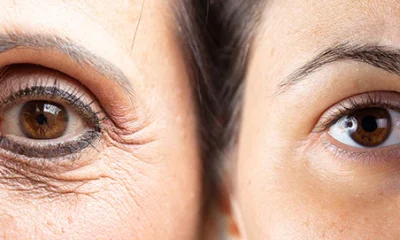
Diseases
Disease and Ailments Management



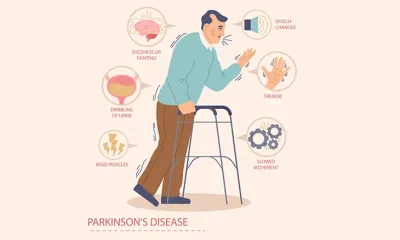
Disease and ailments management. Diseases are detrimental departures from a healthy condition that impact an organism’s structure or function. They can be brought on by internal problems (such heredity or autoimmune disorders) or external sources (like germs: viruses, bacteria, fungus). They are broadly categorized as infectious (contagious) or non-infectious (chronic, genetic), and they exhibit particular signs and symptoms that range from mild (common cold) to severe (cancer, heart disease). The World Health Organization (WHO) uses systems like the ICD for worldwide tracking in order to investigate the causes (etiology) and mechanisms (pathogenesis) of disease.
DISEASE AND AILMENTS MANAGEMENT
In order to improve quality of life, lower costs, and prevent complications through education, self-care, evidence-based guidelines, and integrated care plans, disease and ailments management is a coordinated healthcare approach, particularly for chronic conditions, involving patients, families, and providers (doctors, nurses, dietitians). Prevention, early detection, ongoing monitoring, medication adherence, and equipping people with information and skills for improved self-management are important components. Coping with multiple health conditions can be a challenge, from taking different medications to managing symptoms. We share tips that people with heart conditions have found useful.
Steps on Managing Stress;

1. Seek support from others. If living with many health conditions limits your ability to perform things, seeking assistance from family or friends might help you feel better supported. This could be useful for household tasks or shopping if you find it tough to get out.
2. Master your medications. Taking multiple medications daily might be challenging. Remembering to take your medications can be easier if you schedule them into your day.
3. Many people find that using a pill organizer, chart, or phone alarm helps them organize and remember their prescriptions.

Disease and ailments management
4. Become an expert on your health Ask your doctor whether there is an Expert Patient program in your region, or look online (some courses accept people directly without a referral).
5. Prepare for appointments.
Preparing ahead of time and considering what questions to ask will help you get the most out of your appointments. This is important if you have a lot to discuss with your doctor, specialty nurse, or pharmacist.

Disease and ailments management
6. Request a coordinated strategy for your treatment. You may find that you have hospital appointments with various specialists.
7. If it’s becoming increasingly frequent for specialists to talk to one another in one meeting regarding a patient’s health If you don’t believe this is happening and you’re getting conflicting. Rehabilitation and Exercise
Summary
Diseases and ailments are abnormal conditions that affect an organism. They can be broadly classified as either non-infectious (caused by internal dysfunction, genetics, lifestyle, or environment) or infectious (caused by pathogens like viruses, bacteria). Illnesses are the subjective experience of these conditions, such as pain or discomfort, whereas diseases are the objective malfunction; common examples range from acute infections, such as COVID-19, diabetes, and cancer.


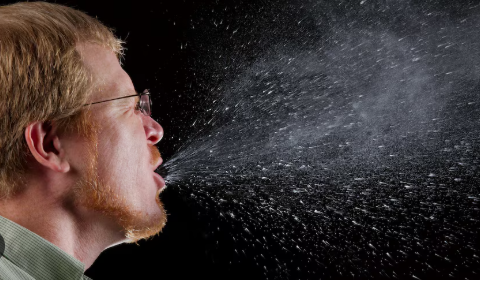
Airborne disease types. Simply breathing in or inhaling airborne microbes that sick people have distributed can cause several diseases. These are known as airborne diseases. When people with specific disorders cough, sneeze, or talk, fluids from their nostrils and throats are released into the air, which can spread airborne diseases. Some viruses or bacteria can float in the air or fly and land on other people or objects.
AIRBORNE DISEASE TYPES
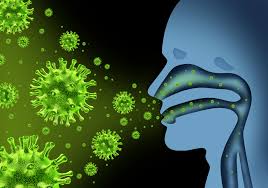
Airborne diseases are infections brought on by bacteria, viruses, or fungi that are dispersed through airborne droplets or particles, frequently in confined places. TB, influenza, COVID-19, measles, chickenpox, pertussis (whooping cough), and diphtheria are among the common forms. Long after an infected individual has left, these viruses might still be present in the air.
Types
1. The typical cold;

millions of people get the common cold every year. The average adult gets two or three colds annually. They tend to occur more often in children. The most prevalent cause of absences from work and school is the common cold . Colds can be caused by a variety of viruses, although rhinoviruses are the most common.
2. Influenza;
AIRBORNE DISEASE TYPES
The majority of us had some flu-related experience. It is contagious for around a day before the first symptoms appear, which is why it spreads so easily. For a further five to seven days, it is still contagious. You can infect people for longer if your immune system is compromised in any way. The flu comes in a variety of types that are always evolving. Your body finds it challenging to create immunity as a result.
3. The varicella-zoster;
AIRBORNE DISEASE TYPES
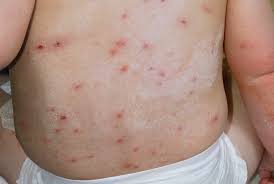
This virus is the cause of Chickenpox. Before you develop the characteristic rash, you can spread chickenpox for a day or two. The sickness might develop up to 21 days following exposure. The majority of people only contract chickenpox once before the virus becomes dormant. You develop shingles, a painful skin ailment, if the virus reactivates later in life. You can get chickenpox from someone who has shingles if you haven’t had it yourself.
4. The measles;

AIRBORNE DISEASE TYPES
Measles is a highly contagious illness, especially in crowded settings. The Measles causing virus can survive for up to two hours in the air or on surfaces. Up to four days prior to and four days following the onset of the measles rash, you can spread it to other people. Most people only contract measles once. In 2018, measles claimed 140,000 lives, making it one of the world’s leading causes of mortality for children. Between 2000 and 2018, the measles vaccine is thought to have saved almost 23 million lives.
5. Tuberculosis;
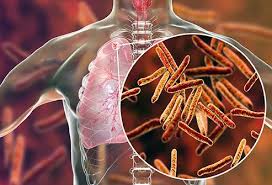
TB is a disease spread by air. It is difficult for this bacterial illness to spread. People that have it usually need to be near to you for a long time. You can get tuberculosis without getting sick or spreading it to other people. TB affects about 1.4 billion people globally. Most people aren’t ill. Globally, there are about 10 million persons with active TB.
Summary
Most airborne diseases resolve within a few weeks. Some can last for several months, like whooping cough. A weakened immune system and limited access to high-quality medical care raise the possibility of major repercussions and a protracted recovery time.

Airline Travellers and Baggage Allowances

First Time Travellers and Airline Policies

Plane Tickets Relevance

A Step-by-Step Guide to Deleting Reels on Instagram

How to Create a WhatsApp Group