Diseases
Disease and Ailments Management



Disease and ailments management. Diseases are detrimental departures from a healthy condition that impact an organism’s structure or function. They can be brought on by internal problems (such heredity or autoimmune disorders) or external sources (like germs: viruses, bacteria, fungus). They are broadly categorized as infectious (contagious) or non-infectious (chronic, genetic), and they exhibit particular signs and symptoms that range from mild (common cold) to severe (cancer, heart disease). The World Health Organization (WHO) uses systems like the ICD for worldwide tracking in order to investigate the causes (etiology) and mechanisms (pathogenesis) of disease.
DISEASE AND AILMENTS MANAGEMENT
In order to improve quality of life, lower costs, and prevent complications through education, self-care, evidence-based guidelines, and integrated care plans, disease and ailments management is a coordinated healthcare approach, particularly for chronic conditions, involving patients, families, and providers (doctors, nurses, dietitians). Prevention, early detection, ongoing monitoring, medication adherence, and equipping people with information and skills for improved self-management are important components. Coping with multiple health conditions can be a challenge, from taking different medications to managing symptoms. We share tips that people with heart conditions have found useful.
Steps on Managing Stress;

1. Seek support from others. If living with many health conditions limits your ability to perform things, seeking assistance from family or friends might help you feel better supported. This could be useful for household tasks or shopping if you find it tough to get out.
2. Master your medications. Taking multiple medications daily might be challenging. Remembering to take your medications can be easier if you schedule them into your day.
3. Many people find that using a pill organizer, chart, or phone alarm helps them organize and remember their prescriptions.

Disease and ailments management
4. Become an expert on your health Ask your doctor whether there is an Expert Patient program in your region, or look online (some courses accept people directly without a referral).
5. Prepare for appointments.
Preparing ahead of time and considering what questions to ask will help you get the most out of your appointments. This is important if you have a lot to discuss with your doctor, specialty nurse, or pharmacist.

Disease and ailments management
6. Request a coordinated strategy for your treatment. You may find that you have hospital appointments with various specialists.
7. If it’s becoming increasingly frequent for specialists to talk to one another in one meeting regarding a patient’s health If you don’t believe this is happening and you’re getting conflicting. Rehabilitation and Exercise
Summary
Diseases and ailments are abnormal conditions that affect an organism. They can be broadly classified as either non-infectious (caused by internal dysfunction, genetics, lifestyle, or environment) or infectious (caused by pathogens like viruses, bacteria). Illnesses are the subjective experience of these conditions, such as pain or discomfort, whereas diseases are the objective malfunction; common examples range from acute infections, such as COVID-19, diabetes, and cancer.



Diseases and Ailments Management. A system of coordinated health care interventions and communications for specific patient populations with illnesses that allow for the implementation of self-care practices is known as disease management. By collaborating with other medical professionals to control their condition and avoid complications, disease management empowers people.
DISEASES AND AILMENTS MANAGEMENT
A coordinated, proactive health care strategy that targets chronic illnesses like diabetes or heart disease is known as disease and ailment management. To stop symptoms from growing worse, avoid hospital stays, and enhance everyday life, it makes use of science-based recommendations, patient education, and collaboration between physicians, nurses, and patients.
Steps on Managing Stress;

Diseases and Ailments Management
1. Seek support from others. If living with many health conditions limits your ability to perform things, seeking assistance from family or friends might help you feel better supported. This could be useful for household tasks or shopping if you find it tough to get out.
2. Master your medications. Taking multiple medications daily might be challenging. Remembering to take your medications can be easier if you schedule them into your day.
3. Many people find that using a pill organizer, chart, or phone alarm helps them organize and remember their prescriptions.
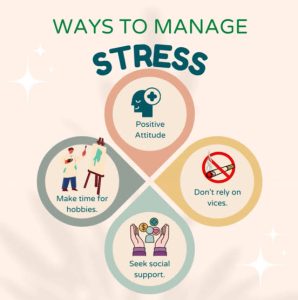
4. Become an expert on your health Ask your doctor whether there is an Expert Patient program in your region, or look online (some courses accept people directly without a referral).
5. Prepare for appointments.
Preparing ahead of time and considering what questions to ask will help you get the most out of your appointments. This is important if you have a lot to discuss with your doctor, specialty nurse, or pharmacist.
6. Request a coordinated strategy for your treatment. You may find that you have hospital appointments with various specialists.

7. If it’s becoming increasingly frequent for specialists to talk to one another in one meeting regarding a patient’s health If you don’t believe this is happening and you’re getting conflicting. Rehabilitation and Exercise, Allergies, Asthma.
Summary
Managing symptoms and taking various medications can be difficult when dealing with multiple medical issues. We offer advice that heart problem sufferers have found helpful.
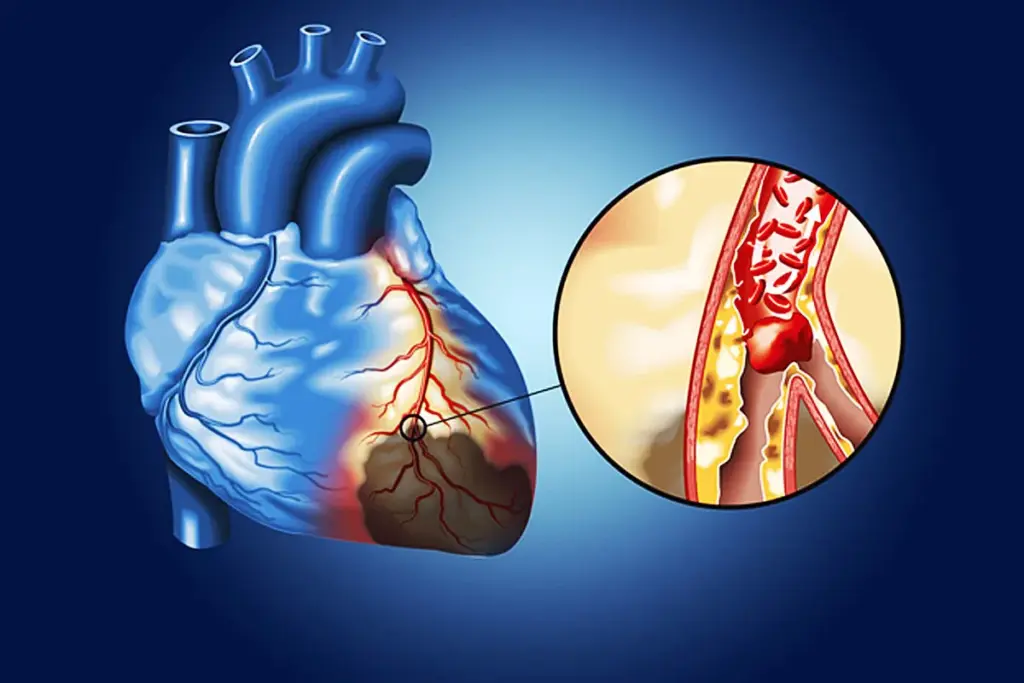
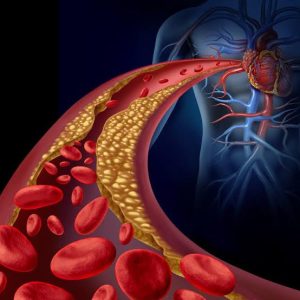
Treatment Tips for CAD. The most prevalent kind of heart disease and a major global cause of death is coronary artery disease, or CAD. A buildup of plaque, a mixture of fat, cholesterol, calcium, and other materials, causes the coronary arteries, which carry blood to the heart muscle, to narrow or become blocked, resulting in coronary artery disease (CAD). Atherosclerosis is the term for this process, which lowers blood flow to the heart and causes a number of heart-related issues.
TREATMENT TIPS FOR CAD
Plaque buildup in the coronary arteries is the main cause of coronary artery disease (CAD), which can start in childhood and worsen over decades. The chance of getting CAD is increased by a number of variables, including:
– High Blood Pressure: Damages the arteries, making them more susceptible to plaque buildup.
Contributes to plaque formation.
– Smoking: Damages the lining of the arteries and promotes plaque formation.
– Diabetes: Increases the risk of atherosclerosis and heart disease.
– Obesity: Leads to other risk factors like high blood pressure and diabetes.
– Physical Inactivity: Increases the risk of obesity and other related conditions.
– Unhealthy Diet:

High in saturated fats, trans fats, and cholesterol.
– Age and Gender: The risk increases with age, and men are generally at higher risk, though the risk for women rises after menopause.
– Family History: A family history of heart disease increases the likelihood of developing Coronary Artery Disease (CAD).
Symptoms;
CAD can be asymptomatic for many years, but as the disease progresses, symptoms may appear, especially during physical exertion or stress when the heart demands more oxygen. Common symptoms include:
– Chest Pain (Angina)
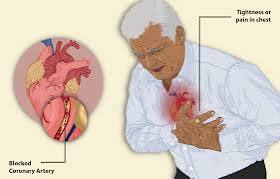
: A feeling of pressure, tightness, or pain in the chest, often triggered by physical activity or emotional stress. It may radiate to the arms, neck, jaw, or back.
– Shortness of Breath: Occurs when the heart can’t pump enough blood to meet the body’s needs.
– Fatigue: Unusual tiredness, particularly during activities that didn’t previously cause fatigue.
– Heart Attack: Occurs when a coronary artery becomes completely blocked, leading to severe chest pain, shortness of breath, sweating, and nausea. A heart attack is a medical emergency and requires immediate attention.
Diagnosis and Treatment;
Diagnosing CAD typically involves a combination of medical history evaluation, physical examination, and diagnostic tests. Common tests include:
– Electrocardiogram (ECG): Measures the electrical activity of the heart.
– Stress Test: Monitors the heart’s response to physical exertion.
– Echocardiogram: Uses sound waves to create images of the heart and assess its function.
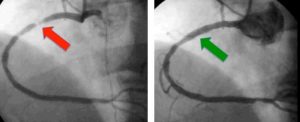
– Coronary Angiography:
Treatment Tips for CAD
A specialized X-ray test that uses contrast dye to visualize blockages in the coronary arteries.
– Blood Tests: Check cholesterol levels and other markers of heart disease.
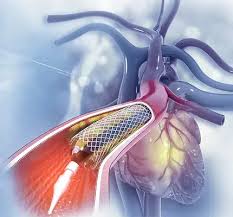
Treatment for CAD focuses on managing symptoms, reducing risk factors, and preventing complications. Treatment options include:
– Lifestyle Changes: Adopting a heart-healthy diet, exercising regularly, quitting smoking, and managing stress.
– Medications: To lower blood pressure, reduce cholesterol levels, prevent blood clots, and relieve angina.
Prevention and Outlook;
Treatment Tips for CAD
Preventing CAD involves addressing modifiable risk factors. Maintaining a healthy lifestyle, including a balanced diet rich in fruits, vegetables, and whole grains, regular exercise, and avoiding tobacco use, is key to reducing the risk of developing CAD. Managing conditions like high blood pressure, diabetes, and high cholesterol through medication and lifestyle changes is also crucial.
Summary
Many people with CAD may manage the condition and maintain active, healthy lives with early diagnosis and efficient treatment. To improve long-term results and avoid problems like heart attacks, however, continued care and monitoring are crucial.
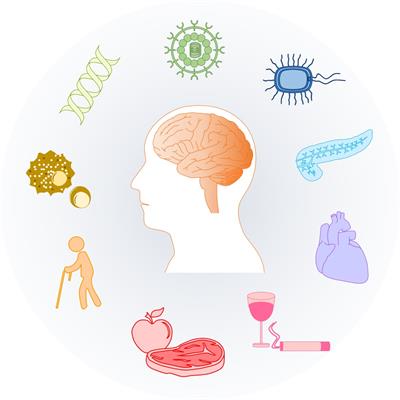
Risk Factors of Alzheimer’s Disease. Scientists continue to study Alzheimer’s disease in an effort to better understand its underlying causes and create more potent treatments. Recent developments in brain imaging, biomarker identification, and genetic research are shedding new light on the illness. Even though there isn’t a cure for Alzheimer’s disease yet, these initiatives give optimism for future discoveries that might delay, stop, or even prevent the disease.
RISK FACTORS OF ALZHEIMER’S DISEASE
Alzheimer’s disease is a progressive neurological condition that mainly affects older persons. It causes a slow deterioration in thinking abilities, memory, and daily functioning. It accounts for 60–80% of dementia cases globally, making it the most prevalent cause of dementia.
Causes and Risk Factors;
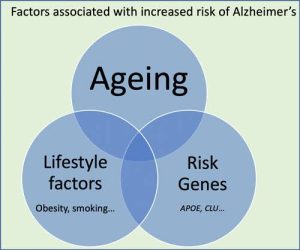
The exact cause of Alzheimer’s disease is not fully understood, but it is believed to result from a combination of genetic, environmental, and lifestyle factors. The disease is characterized by the accumulation of abnormal protein deposits in the brain, including amyloid plaques and tau tangles, which disrupt communication between nerve cells and ultimately lead to cell death.
Several risk factors increase the likelihood of developing Alzheimer’s, with age being the most significant. The risk of developing the disease doubles approximately every five years after age 65. Other risk factors include a family history of Alzheimer’s, certain genetic mutations, and conditions like cardiovascular disease, diabetes, and high blood pressure. Lifestyle factors such as poor diet, lack of physical activity, and limited social engagement may also contribute to the development of Alzheimer’s.
Symptoms and Progression;
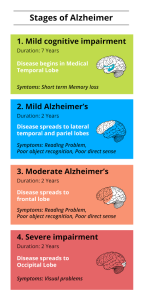
Alzheimer’s disease typically begins with mild memory loss and confusion, often dismissed as normal aging. As the disease progresses, symptoms become more severe, affecting a person’s ability to remember recent events, recognize loved ones, and perform daily activities. Cognitive decline is often accompanied by mood swings, irritability, and changes in personality. In the later stages, individuals may lose the ability to communicate, become bedridden, and require full-time care.
The progression of Alzheimer’s disease varies from person to person, but it generally follows a pattern of gradual decline over several years. On average, people with Alzheimer’s live for 4 to 8 years after diagnosis, though some may live as long as 20 years.
Diagnosis and Treatment;

Risk Factors of Alzheimer’s Disease
There is no single test for Alzheimer’s disease. Diagnosis typically involves a comprehensive assessment, including medical history, cognitive testing, neurological exams, and brain imaging to rule out other causes of cognitive impairment. Blood tests and cerebrospinal fluid analysis may also be used to detect biomarkers associated with the disease.
Currently, there is no cure for Alzheimer’s, but treatments are available to manage symptoms and improve quality of life. Medications such as cholinesterase inhibitors and memantine can help slow cognitive decline in some individuals. Non-drug approaches, including cognitive therapies, physical activity, and social engagement, are also important in managing the disease.
Care and Support;

Risk Factors of Alzheimer’s Disease
Caring for someone with Alzheimer’s disease can be challenging and emotionally draining. As the disease progresses, individuals may require increasing levels of care, including help with daily activities, medication management, and emotional support. Caregivers often play a crucial role in providing this care, and it is important for them to access resources and support to manage the demands of caregiving.
Summary
The best methods for enhancing the quality of life for people with Alzheimer’s and their families are still early detection, efficient management, and all-encompassing care.

Earth Frozen Frontiers

Natural Majestic Wonders

Daily Life Hacks

A Step-by-Step Guide to Deleting Reels on Instagram

A Comprehensive Guide to Setting Up a YouTube Premiere