DIY
DIY Beeswax Candles

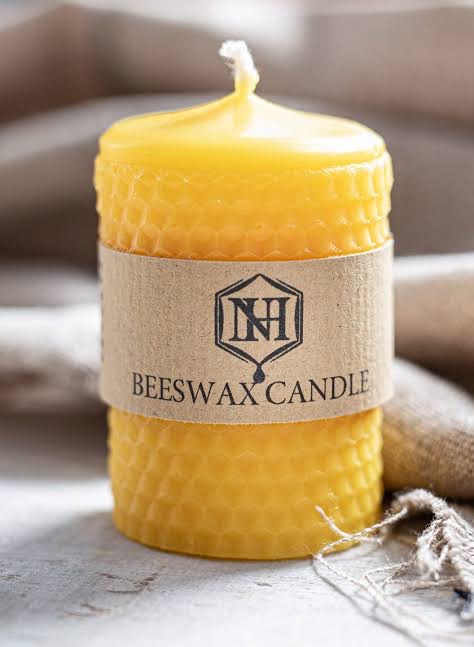
Beeswax candles are a beautiful and eco-friendly alternative to paraffin candles. Known for their subtle honey aroma and clean burn, beeswax candles also purify the air by releasing negative ions that trap pollutants. Crafting your own candles is simple, rewarding, and allows you to customize them to your style.
Why Choose Beeswax Candles?
•Eco-Friendly: Beeswax is a renewable and biodegradable material.
•Clean Burning: Unlike synthetic candles, beeswax produces minimal soot.
•Air Purifying: Beeswax releases negative ions that help neutralize dust, allergens, and odors.
•Long-Lasting: Beeswax candles burn slower than most other types, making them cost-effective.
Materials Needed
•Beeswax (pellets or blocks)

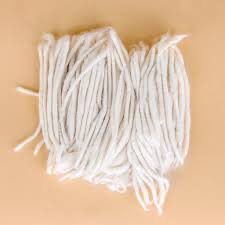
•Heat-resistant containers (glass jars, tins, or molds)
•A double boiler or heat-safe bowl and saucepan
•Wooden skewers or chopsticks
•Essential oils (optional for added scent)
Step-by-Step Guide to Making Beeswax Candles
1. Prepare Your Workspace
•Cover your work area with newspaper or parchment paper to catch spills.
•Secure your wick in the center of your container using a drop of melted wax or wick stickers. Wrap the wick around a skewer to keep it upright.
2. Melt the Beeswax
•Use a double boiler to gently melt the beeswax over low heat. If you don’t have a double boiler, place a heat-safe bowl over a saucepan with simmering water. Avoid direct heat to prevent scorching.
3. Add Essential Oils (Optional)
•Once the wax is fully melted, remove it from heat and let it cool slightly. Add 10-15 drops of essential oil for fragrance, stirring gently to combine.
4. Pour the Wax
•Slowly pour the melted beeswax into your prepared container, holding the wick in place. Leave some space at the top of the container.
5. Let It Set
•Allow the candle to cool and harden completely, which may take several hours. Trim the wick to about 1/4 inch before lighting.
Tips for Success
•Avoid Overheating: Beeswax can discolor or lose its natural scent if overheated.
•Use Proper Wick Size: The size of the wick should match the diameter of your container for an even burn.
•Experiment with Blends: Combine beeswax with coconut oil for a softer wax and easier pouring.
Conclusion
DIY beeswax candles are a wonderful addition to any home, offering warmth, ambiance, and health benefits. By making your own, you can enjoy the satisfaction of crafting something natural, beautiful, and tailored to your preferences. Try it today and light up your home with eco-friendly elegance!


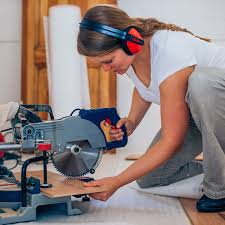
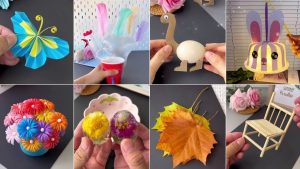
DIY projects guidelines. Advice on DIY projects. You are aware of how costly it may be to hire someone to do a basic household task. For instance, hiring a roofer to fix your house is a great idea because they are experts, but as soon as they are done, they will send you an invoice. Do-it-yourself projects enable you do some tasks while saving money. The only tools you’ll need are supplies, your hands, and a workstation. We wanted to honor the do-it-yourself out there today by offering them some tips to help them finish a variety of projects.
DIY PROJECTS GUIDELINES
The guidelines for a do-it-yourself project include planning (selecting an appropriate project, establishing a budget, listing materials/tools), preparation (organizing your space, prioritizing safety gear like goggles/gloves), execution (working methodically, taking your time, measuring accurately, pre-drilling for wood), and finishing (sanding, painting/staining for protection), all while learning from mistakes and knowing when to ask for help, especially for complex tasks like major electrical work.
What are DIY Projects?
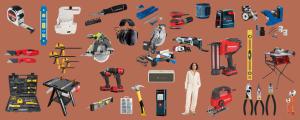
You see and hear the abbreviation “DIY” everywhere, and you presumably already know what it means: “Do it Yourself.” It appears to be an easy concept. However, the term “DIY” may conjure up quite diverse visions for various people because it can refer to so many things.
Guidelines;
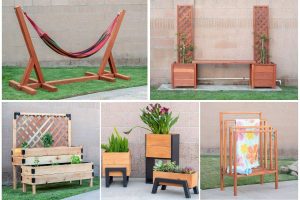
DIY projects guidelines
1. Always Be Safe. Of course, you should not be careless. You’re doing this project alone to save money. Nonetheless, it would be foolish to preserve some funds just to pay a hospital cost.
2. Get a clear picture. Before starting any project, The good thing about DIY is that it is addictive; once you start, you can’t stop. As a result, you will most likely be switching between projects.

DIY projects guidelines
3. Ensure adequate working space to prevent fatalities. Begin by having your own personal place.
4. Focus on a project until it is completed. Regardless of how difficult or easy a project is, make sure you complete it. You may be quite motivated when you first start a career, but it may be difficult to leave.
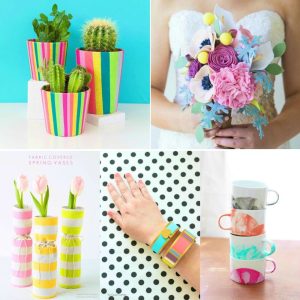
DIY projects guidelines
5. Keep Your Tools Clean. Always get high-quality tools. This can help you avoid problems like broken brushes within the first month of use or shattered hammers, especially if you hit a sturdy platform.
Summary
DIY projects include crafts (jewelry, candles, paper mache), useful goods (organizers, garden seats, air pumps), and home décor (painting, gallery walls, furniture upcycling). Numerous ideas are available on well-known websites like YouTube, Pinterest, and Instructables, ranging from simple weekend projects like creating abstract art to more ambitious undertakings like constructing a clubhouse or garden furniture.

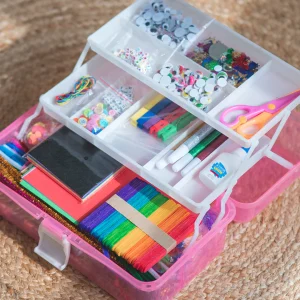
DIY craft kits. Craft can refer to a vessel (boat, aircraft) or a digital workspace app, emphasizing its broad meaning from traditional artistry to contemporary tech tools. It can also refer to a skilled activity, usually manual, producing functional or decorative objects (like pottery, weaving, or carpentry) or the skill/cunning itself. Whether it’s producing intricate digital documents or exquisite textiles, it requires skill, attention to detail, and inventiveness in creation, setting it apart from mass-produced goods with its distinct human touch.
DIY CRAFT KITS
DIY craft kits are pre-packaged sets that include all the materials, tools, and instructions needed to finish a particular creative project. These kits are popular for people of all ages and skill levels, and they offer enjoyable, guided experiences for home décor, gifts, or personal hobbies. They range from beginner basics like painting, crocheting, and candle or jewelry making to more advanced options like leatherwork or resin art. This Year, DIY kits and crafts continue to thrive as people look for fun, hands-on projects they can do at home. Here are some of the most popular and profitable DIY kits trending this year:
1. Candle-Making;
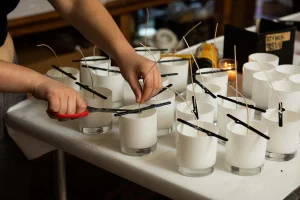
Candle-making kits are increasingly popular, allowing people to create personalized, aromatic candles at home. Many kits offer eco-friendly materials, such as soy wax and essential oils, catering to a growing demand for sustainable products.
2. Home Décor Craft;
With a focus on creating unique home spaces, decor kits like macrame wall hanging kits, painting-by-numbers kits, and clay pottery kits are trending. These kits enable customers to make customized decor pieces, adding a personal touch to their homes.
3. Jewelry-Making;
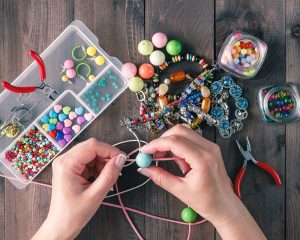
Jewelry kits featuring beading, metal stamping, or resin crafting are hot sellers. These kits allow hobbyists to craft custom jewelry pieces, from earrings to bracelets, tapping into the desire for unique, handmade accessories.
4. Gardening DIY;
Indoor gardening kits, including mini herb gardens, bonsai starter kits, and succulent arrangements, are perfect for people wanting to add greenery to small spaces. These kits typically come with seeds, soil, and containers, making them beginner-friendly and popular among urban dwellers.
5. Soap and Skincare DIY;

diy craft kits
DIY soap and skincare kits are on the rise as people embrace natural and organic products. These kits let users create custom soaps, lotions, or scrubs, often including organic ingredients like shea butter, essential oils, and exfoliants.
6. Embroidery and Sewing;
diy craft kits
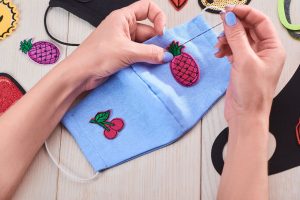
With the renewed interest in fiber arts, embroidery, cross-stitch, and sewing kits are making a comeback. Beginner-friendly options with pre-printed fabric and easy instructions allow users to create art or even clothing items.
7. Painting and Drawing;
diy craft kits
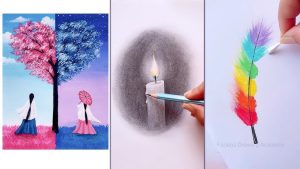
Art kits, including watercolor and acrylic painting sets, continue to be popular. Paint-by-numbers kits appeal to those who want a relaxing, structured project, while freestyle kits attract budding artists exploring their creativity. DIY kits cater to diverse interests, making them ideal for e-commerce. As people increasingly prioritize personalized and sustainable products, these kits provide a creative, rewarding experience that meets that demand, making them a top choice for this year.
Summary
DIY crafts, or do-it-yourself crafts, provide a creative outlet for gifts, home décor, and personal items. Popular projects include upcycled furniture, paper flowers, painted rocks, macramé, and personalized candles. These projects frequently use easily accessible materials and online tutorials for inspiration and guidance.

Holidays and Vacations

Bilingual Education Impacts

Career Tips

A Step-by-Step Guide to Deleting Reels on Instagram

How to Create a WhatsApp Group