adventure
Dreams and Their Interpretations


Dreams are a universal human experience, yet their meanings often remain mysterious. They are a fascinating window into the subconscious mind, reflecting emotions, memories, and unresolved thoughts. While science continues to explore the purpose of dreaming, many believe dreams can reveal deeper insights about ourselves.
Common Dreams and Their Interpretations
1. Falling

Dream of falling often symbolize a loss of control or fear of failure. They may indicate insecurity or anxiety about a situation in waking life.
2. Being Chased

This dream is usually linked to avoidance. It suggests that you may be running away from a problem, responsibility, or emotion you need to face.
3. Flying

Flying dream is often associated with freedom and ambition. They may indicate a sense of achievement or a desire to rise above challenges.
4. Losing Teeth

Dream about losing teeth are commonly interpreted as feelings of powerlessness or fear of aging. They may also reflect concerns about appearance or communication.
5. Being Naked in Public


This dream typically symbolizes vulnerability or embarrassment. It may reflect fears of being exposed or judged.
6. Failing an Exam
Even if you’re no longer in school, this dream can indicate self-doubt or a fear of not meeting expectations.
7. Meeting a Deceased Loved One
Such dreams are often seen as a way for the subconscious to process grief or provide comfort.
Why Do We Dream?
Dreams serve various purposes, from processing emotions to problem-solving and memory consolidation. Sigmund Freud believed they reflect hidden desires, while Carl Jung viewed them as a bridge to the collective unconscious. Modern psychologists suggest they may help us work through unresolved issues.
Interpreting Your Dreams
To interpret dreams:
– Keep a dream journal to track recurring themes.
– Reflect on emotions felt during the dream.
– Consider current life challenges or changes that may relate to the dream.
Conclusion
Dreams are deeply personal and open to interpretation. While they may not predict the future, they can provide valuable insights into our emotions and experiences. Embracing their symbolism can lead to greater self-awareness and understanding.

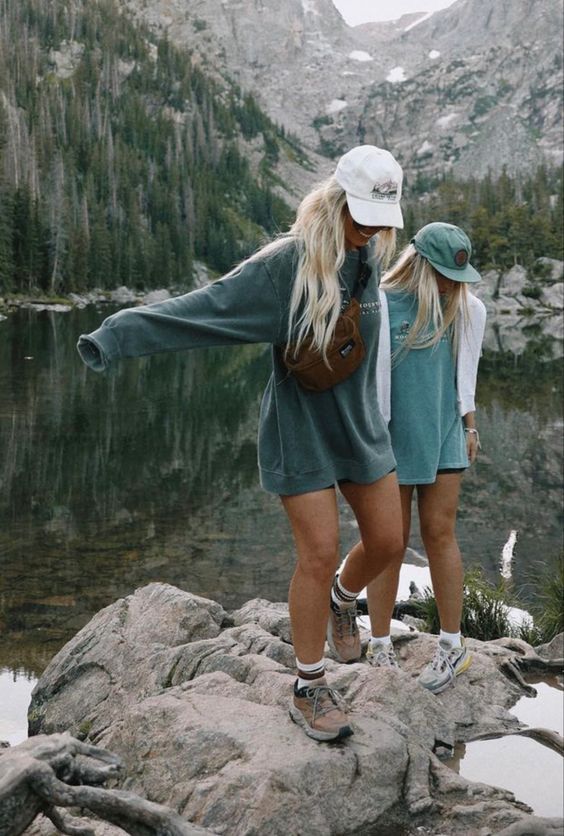
Clothes for Camping. Packing clothes for a trip requires considerable planning and consideration, and camping is no different. What are your plans for the trip? Are you going to need any specific clothes? Do you need to purchase any new items before embarking on your journey? When your suitcase, duffel bag, or backpack is empty before a trip, you and many others consider all of these factors and more.
CLOTHES FOR CAMPING
Use moisture-wicking synthetic or merino wool materials to create an adaptable, layered capsule clothing for camping. Steer clear of cotton, which chills you and retains perspiration. Bring waterproof outer shells, durable closed-toe shoes, warm layers for frigid evenings, and breathable clothing for the day.
Importance of carefully pack for a campout;

It’s crucial to plan for any scenario that can arise so that you bring appropriate clothing for the trip. 1. Prepare for the weather: Bring clothing suitable for the temperature will help you stay safe and enjoy your time outside whether you are camping in hot or cold conditions. The location and season of your camping trip will determine the weather.
2. Protect yourself from insects: when organizing outside activities such as hiking or spending time around a campfire at night, think about dressing in a way that will shield your skin from typical outdoor insects like ticks and mosquitoes.
Appropriate camping attire;

Clothes for Camping
1. Wicking moisture clothes you’re probably going to perspire while you’re outside in the spring and summer.
2. Hat with sun it’s imperative that you bring a few different headwear for your camping vacation.
3. Socks that dry quickly when going camping, make sure to have lots of socks to go with your boots, sneakers, and other closed-toe footwear.
4. Fast-drying pants and shorts Although bringing jeans can seem like a good idea, you’ll need some comfortable bottoms for your stroll around the outdoors.
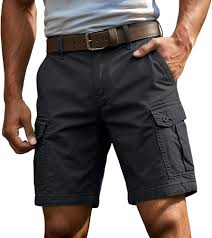
Clothes for Camping
5. Details at your destination, it might be cool at night even though the daytime highs in the spring and summer might be warmer. It might not be appropriate to sleep on a chilly night in only a T-shirt and shorts. So, packing a few items in your suitcase for layering will be ideal for those times when you need a bit more warmth. sun protective clothing
Summary
Camping is an outdoor pastime in which you spend the nite in a simple temporary shelter, such as a tent, cabin, or RV. People travel outside of towns to take in the scenery, go hiking, and unwind.
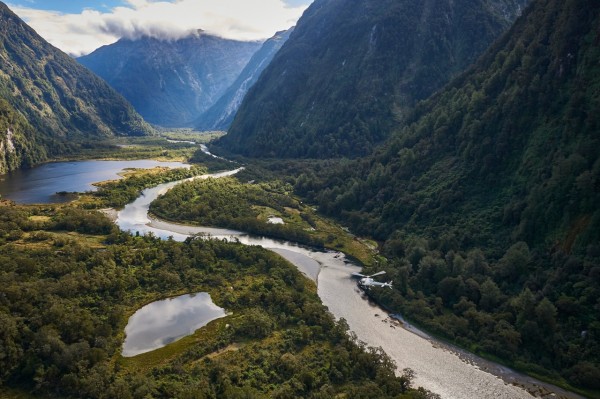
Fiordiland national park. The strength and beauty of nature are demonstrated by Fiordland National Park. A spot where peaceful beauty blends with untamed wilderness. Whether trekking through its old forests or visiting its mist-covered fjords. Visitors to Fiordland will undoubtedly be enthralled by its captivating scenery and timeless charm, whether they are just admiring its magnificent waterfalls. considered one of the most cherished natural treasures in New Zealand. Everyone who enters Fiordland National Park is welcome to discover the wonders of nature.
FIORDILAND NATIONAL PARK
Nestled in the remote southwestern corner of New Zealand’s South Island. Fiordland National Park stands as a testament to the raw beauty and untamed wilderness of Aotearoa. Renowned for its rugged fjords, cascading waterfalls, and ancient forests, this UNESCO World Heritage Site offers a haven for adventurers and nature enthusiasts alike. Let us embark on a journey to uncover the wonders of Fiordland National Park.
A Tapestry of Landscapes;
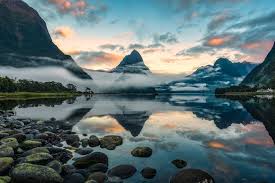
Fiordland National Park is a land of contrasts, where towering peaks meet deep fiords and lush rainforests merge with windswept coastline. At the heart of the park lies Milford Sound, one of the most iconic and visited fjords in New Zealand. Carved by glaciers during the last Ice Age, Milford Sound’s sheer cliffs rise dramatically from the dark waters, creating a spectacle of natural grandeur.
Waterfalls and Wildlife;
The fiords of Fiordland are adorned with countless waterfalls, their waters cascading from towering heights to the depths below. Among the most famous is Stirling Falls, a majestic waterfall that plummets over 500 feet into Milford Sound. The park is also home to a diverse array of wildlife, including fur seals, dolphins, and Fiordland crested penguins, which thrive in the park’s pristine marine and terrestrial habitats.
Tramping Trails and Treks;
Fiordiland national parkFor those seeking adventure on foot, Fiordland National Park offers a network of tramping trails and treks. That wind through its rugged landscapes. The Milford Track, often referred to as the “finest walk in the world,” takes hikers on a journey from Lake Te Anau to Milford Sound. Passing through ancient beech forests, alpine meadows, and alongside cascading rivers. Other popular tracks include the Kepler Track, Routeburn Track, and Hollyford Track, each offering its own unique blend of scenery and challenges.
Preservation and Conservation;
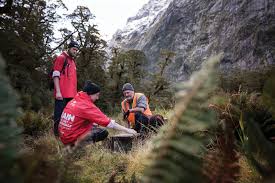
Fiordland National Park is not only a place of extraordinary beauty but also a sanctuary for conservation and preservation. Its remote location and rugged terrain have helped protect its ecosystems from many of the threats facing other natural areas. Efforts are ongoing to protect and restore native species and habitats. Ensuring that future generations can continue to marvel at the park’s natural wonders.
Cultural Significance;
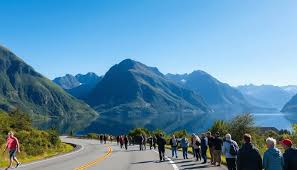
Fiordiland national park
Fiordland National Park holds deep cultural significance for the indigenous Māori people, who have inhabited the region for centuries. The park’s landscapes are steeped in Māori legends and traditions, with many landmarks and features holding names and stories passed down through generations. Visitors to the park have the opportunity to learn about Māori culture and history through guided tours and interpretive displays.
Summary
Numerous endangered natural wildlife, including dolphins, bats, reptiles, insects, and endangered bird species that are native to New Zealand, such the takahē, mōhua, kākāpō, and southern brown kiwi, find sanctuary in the park.

What to do in Santorini. It offers a wide range of experiences that honor the island’s natural beauty and rich history, from breathtaking sunsets to cultural treasures and outdoor adventures. Whether you’re looking for adventure, romance, or relaxation, Santorini’s captivating landscapes and friendly locals are sure to make a lasting impression on your heart and soul.
WHAT TO DO IN SANTORINI
it offers a wide range of experiences that honor the island’s natural beauty and rich history, from breathtaking sunsets to cultural treasures and outdoor adventures. Whether you’re looking for adventure, romance, or relaxation, Santorini’s captivating landscapes and friendly locals are sure to make a lasting impression on your heart and soul.
1. Watch the Sunset in Oia;
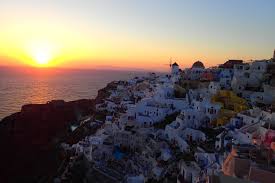
No trip to Santorini is complete without witnessing the iconic sunset in Oia. Perched atop the island’s northern cliffs, Oia offers unparalleled views of the sun sinking into the horizon, painting the sky in hues of orange and pink. Join the crowds gathered at the castle ruins or find a secluded spot along the caldera for a truly magical sunset experience.
2. Explore the Picturesque Villages;
Take a leisurely stroll through the island’s charming villages, characterized by narrow cobblestone streets, whitewashed buildings, and vibrant bougainvillea. Explore the labyrinthine alleys of Fira, discover the traditional architecture of Pyrgos, and wander through the blue-domed churches of Imerovigli.
3. Visit the Ancient City of Akrotiri;
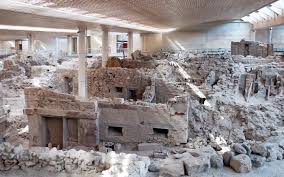
Step back in time with a visit to the ancient city of Akrotiri, often referred to as the “Minoan Pompeii.” This remarkably well-preserved archaeological site offers insights into the advanced civilization that thrived on Santorini over 3,500 years ago. Marvel at the excavated ruins, including multi-story buildings, frescoes, and pottery.
4. Relax on Red Beach in Santorini;
Unwind on the unique shores of Red Beach, where crimson cliffs contrast with the deep blue waters of the Aegean Sea. While swimming and sunbathing are popular activities here, be sure to take in the striking natural beauty of the volcanic landscape and dramatic rock formations.
5. Sample Local Cuisine in Santorini;

What to do in Santorini
Indulge in Santorini’s delectable cuisine, which showcases fresh seafood, locally grown produce, and traditional Greek flavors. Savor dishes such as fava, a creamy yellow split pea puree, grilled octopus drizzled with olive oil and lemon, and moussaka, a hearty eggplant and meat casserole.
6. Experience Wine Tasting in Santorini;
Explore Santorini’s flourishing wine scene with a visit to one of its many wineries. Taste distinctive varietals such as Assyrtiko, Athiri, and Aidani, which thrive in the island’s volcanic soil. Enjoy panoramic views of the vineyards and the sea as you sample award-winning wines accompanied by local cheeses and delicacies.
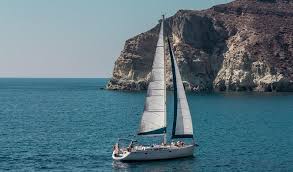
7. Sail around the Caldera;
What to do in Santorini
Embark on a scenic boat tour around the caldera, the submerged crater that gives Santorini its dramatic landscape. Admire the sheer cliffs rising from the sea, explore hidden caves and coves, and take a refreshing dip in the crystal-clear waters. Don’t miss the opportunity to snorkel or dive in this underwater paradise.
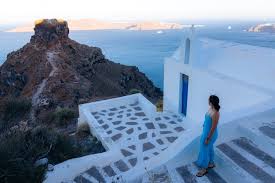
8. Climb to the Top of Skaros Rock in Santorini;
What to do in Santorini
Hike to the summit of Skaros Rock, a rocky outcrop near Imerovigli offering panoramic views of the caldera and surrounding islands. This scenic trek takes you past remnants of a medieval fortress and rewards you with breathtaking vistas of the azure sea and Santorini’s iconic whitewashed architecture.
Summary
Hiking from Fira to Oia, visiting the distinctive black sand beaches, sailing the volcanic caldera on a catamaran, and witnessing the well-known sunset in Oia are all top activities in Santorini. Explore the historic remains of Akrotiri, visit the charming, vibrant Ammoudi Bay, and sample regional wines at vineyards.

Earth Frozen Frontiers

Natural Majestic Wonders

Daily Life Hacks

A Step-by-Step Guide to Deleting Reels on Instagram

A Comprehensive Guide to Setting Up a YouTube Premiere