
pregnancy
Early signs of child birth


Early signs of child birth. It’s crucial to keep in mind that every woman has a unique labor experience. Furthermore, not every one of these indicators may be evident. Nonetheless, pregnant women may feel better prepared for the thrilling experience of labor if they are aware of these early warning signs. As usual, speaking with a healthcare professional is crucial. if you have any worries or inquiries regarding the labor process itself or the symptoms of labor.
EARLY SIGNS OF CHILD BIRTH
It’s normal for expecting mothers to become extremely attentive of any indications that labor may be approaching as their due dates draw near. Although each woman’s experience is different, there are a number of early signs that labor might be imminent. Comprehending these indicators might aid in preparing the mind and body for the thrilling ride that lies ahead.
1. Lightening:

One of the first signs that labor may be approaching is “lightening,” where the baby drops lower into the pelvis. This can relieve pressure on the diaphragm but may increase pressure on the bladder, leading to more frequent urination.
2. Bloody Show: As the cervix begins to dilate, some women experience a pink or brown discharge known as the “bloody show.” This discharge is caused by the mucus plug, which seals the cervix during pregnancy, being expelled as it makes way for the baby.
3. Contractions:

Early labor contractions are often mild and irregular, resembling menstrual cramps. As labor progresses, contractions typically become stronger, longer, and more frequent. Timing contractions can help determine if labor has truly begun.
4. Water Breaking:
Rupture of the amniotic sac, commonly referred to as the water breaking, can occur as a sudden gush or a slow trickle of fluid. Not all labors begin with the water breaking, but if it does happen, it’s a clear sign that it’s time to contact your healthcare provider.
5. Backache:

Early signs of child birth
Many women experience persistent lower back pain as labor approaches. This discomfort is often caused by the pressure of the baby’s head on the spine and pelvis.
6. Cramping:
Alongside backache, some women also report experiencing cramping similar to menstrual cramps. These cramps may come and go, gradually increasing in intensity as labor progresses.
7. Diarrhea: As the body prepares for labor, some women experience loose stools or. This is thought to be the body’s way of emptying the bowels to make more room for the baby to move through the birth canal.
8. Nesting Instinct:

Early signs of child birth
A surge of energy and a sudden urge to clean, organize, or prepare the home for the baby’s arrival is commonly referred to as the nesting instinct. While not a direct physical sign of labor, many women experience this burst of energy in the days leading up to labor.
Summary
Globally, vaginal birth is the most prevalent delivery method.[6] The cervix shortens and opens during the first stage of labor, the baby descends and is born during the second stage, and the placenta is born during the third. Contractions progressively increase stronger and closer together throughout the first stage.

Early Pregnancy Headaches. Changes in blood volume and hormone levels may be important throughout the first trimester. Stress, extreme exhaustion, and eyestrain might accompany a dull, general headache. The nasal congestion and runny nose that are typical in the early stages of pregnancy may increase the risk of sinus headaches.
EARLY PREGNANCY HEADACHES
Although almost all women get headaches occasionally, experiencing one while pregnant is uncomfortable. Handling headaches can be particularly challenging during the first trimester, as you should avoid taking a lot of medications. Be it a stress headache or a full-blown migraine, there are a few things you should be aware of.
What causes headaches in pregnancy?

Sometimes it’s unclear what causes a headache specifically. Variations in blood volume and hormone levels may be important throughout the first trimester. An overall dull headache may be brought on by weariness, eyestrain, or tension. The frequent symptoms of runny nose and nasal congestion in the early stages of pregnancy may make sinus headaches more likely. Headaches can also result from hunger and low blood sugar. Headaches associated with caffeine withdrawal may occur in women who abruptly cease drinking coffee and soda in the morning. Dehydration can occur in those who have nausea and vomiting in the early stages of pregnancy. Additionally, this may cause a headache.
Pregnancy is a typical time for migraine headaches. These excruciating, throbbing headaches, which usually affect one side of the head, are caused by the brain’s blood arteries expanding. Sometimes the suffering is accompanied by light sensitivity, nausea, and vomiting. A tiny proportion of female migraineurs also have an aura. They experience tingling in their arms and legs or witness light flashes.
When should I be concerned?

Early Pregnancy Headaches
You should get in touch with your healthcare practitioner if you experience a terrible headache that just won’t go away, dizziness, blurred vision, or changes in your field of vision. There are occasions when high blood pressure during pregnancy is linked to headaches. Inform your healthcare practitioner if they occur after 20 weeks of pregnancy and are severe or persistent. Although they are uncommon, migraines can raise a pregnant woman’s risk of stroke. Inform your healthcare practitioner if you experience migraines.
What can I do about headaches;

Early Pregnancy Headaches
Here are some actions to do in order to manage headaches:
Steer clear of any recognized causes of headaches, such as allergies and specific foods like strong cheeses, cured meats, and monosodium glutamate.
It’s never a good idea to smoke when expecting. Secondhand smoke should also be avoided.
Summary
Early pregnancy headaches are extremely frequent and are usually brought on by hormone surges, increased blood volume, dehydration, or exhaustion. For safe relief, try applying a cold or warm compress, being thoroughly hydrated, and relaxing in a dark place. Prior to taking any painkillers, always get medical advice.

Pregnancy and Urine test. A standard and crucial component of prenatal treatment is urine testing. They guarantee a safe pregnancy by screening for infections, diabetes, and preeclampsia. At your initial session and each subsequent prenatal visit, you will normally be required to submit a clean-catch, mid-stream sample.
PREGNANCY AND URINE TEST
A urine pregnancy test strip is a simple, reliable, and quick way to determine if you are pregnant. These tests detect the presence of the hormone human chorionic gonadotropin (hCG) in your urine, which is produced shortly after a fertilized egg attaches to the uterine lining. Here’s a step-by-step guide on how to use a urine pregnancy test strip effectively:
Step 1: Preparation

1. Read Instructions: Carefully read the instructions provided with the pregnancy test kit, as procedures can slightly vary between brands.
2. Check Expiry Date: Ensure the test strip is not expired, as an expired test may give inaccurate results.
3. Gather Supplies: Have a clean, dry container for collecting urine if the test requires it. Some tests are designed to be placed directly in the urine stream.
Step 2: Collecting the Urine Sample

1. Morning Sample: For the most accurate results, use the first urine of the day, as it contains the highest concentration of hCG.
2. Clean Container: If using a container, make sure it is clean and dry to avoid contamination.
3. Collect Urine: Either urinate directly onto the test strip if instructed to do so or collect urine in the container and then dip the strip into it.
Step 3: Using the Test Strip

Pregnancy and Urine test
1. Dip the Strip: If you are using a container, dip the test strip into the urine up to the indicated mark. Hold it in the urine for the time specified in the instructions, usually around 5 to 10 seconds.
2. Remove and Lay Flat: Remove the strip from the urine and lay it on a flat, non-absorbent surface. Ensure the strip is not with a title to avoid the urine running into the test area incorrectly.
3. Wait for Results: Wait for the time specified in the instructions, usually around 1 to 5 minutes, without disturbing the strip. Most tests have a control line that indicates the test is working properly.
Step 4: Interpreting the Results
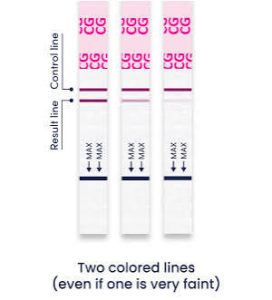
Pregnancy and Urine test
1. Check the Control Line: Make sure a line appears in the control region to confirm the test is valid.
2. Read the Test Line: Look for a second line in the test region. The presence of this line, regardless of how faint, typically indicates pregnancy.
– Positive Result: Two lines (control and test) indicate pregnancy.
– Negative Result: Only one line (control) indicates no pregnancy.
– Invalid Result: If no lines appear or only the test line appears, the test may be invalid, and you should repeat it with a new strip.
Summary
Using a urine pregnancy test strip is a simple procedure that can yield accurate and timely results. You can confidently ascertain your pregnancy status in the comfort of your own home by carefully following these procedures.
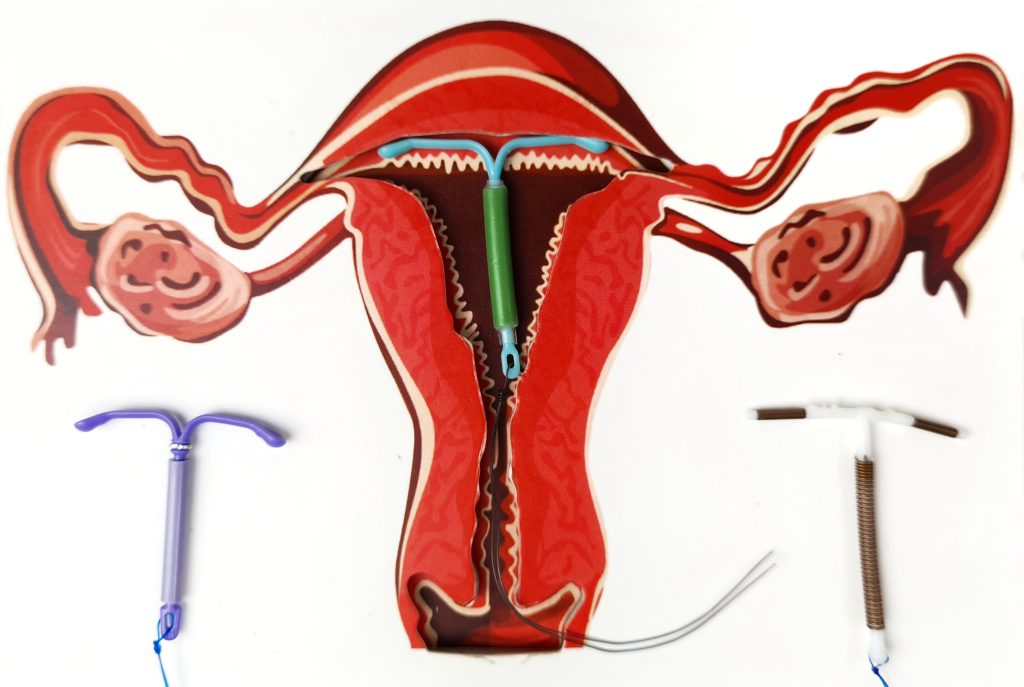
IUD and contraception. Any technique or tool used to avoid getting pregnant is referred to as contraception, or birth control. It enables people to take charge of their family planning and reproductive health. There are hormonal and non-hormonal options, as well as short-acting and permanent ones.
IUD AND CONTRACEPTION
A medical professional inserts an IUD (Intrauterine Device), a tiny, T-shaped, long-acting method of reversible birth control, into the uterus. Depending on the type, it can last for three to twelve years and is more than 99% efficient at preventing conception. Intrauterine devices (IUD) are a popular, long-term, and highly effective form of contraception. There are two main categories of IUDs: hormonal and non-hormonal (copper). Here are four commonly used IUDs:
1. Mirena;
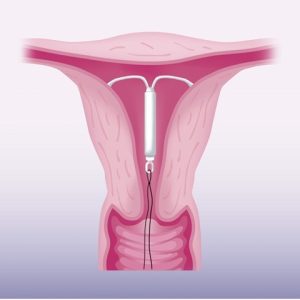
Mechanism: Mirena releases a small amount of levonorgestrel, a type of progestin, which thickens cervical mucus, thins the uterine lining, and inhibits sperm movement and function.
Effectiveness: Over 99% effective.
Duration: Up to 7 years.
Side Effects:
– Irregular bleeding or spotting, especially in the first few months
– Lighter periods or amenorrhea (absence of menstruation) over time
– Possible hormonal side effects such as breast tenderness, mood changes, or acne
2. ParaGard;
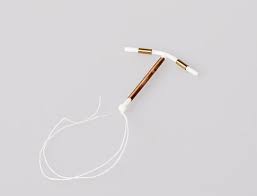
IUD and contraception
Mechanism: ParaGard is a non-hormonal IUD that releases copper ions, which are toxic to sperm, preventing fertilization.
Effectiveness: Over 99% effective.
Duration: Up to 10 years.
Side Effects:
– Heavier and longer periods, especially in the first few months
– Increased menstrual cramps
– Possible allergic reaction to copper (rare)
3. Kyleena;
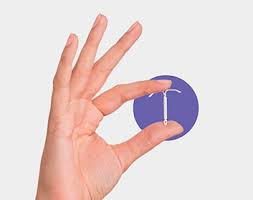
IUD and contraception
Mechanism: Kyleena releases a lower dose of levonorgestrel than Mirena, which thickens cervical mucus, thins the uterine lining, and inhibits sperm movement.
Effectiveness: Over 99% effective.
Duration: Up to 5 years.
Side Effects:
– Irregular bleeding or spotting, particularly in the initial months
– Lighter periods or amenorrhea over time
– Possible hormonal side effects such as acne, headache, or breast tenderness
4. Liletta;
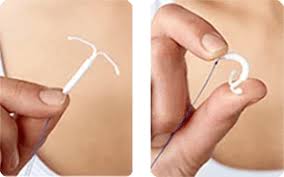
Mechanism: Similar to Mirena and Kyleena, Liletta releases levonorgestrel, thickening cervical mucus, thinning the uterine lining, and inhibiting sperm movement.
Effectiveness: Over 99% effective.
Duration: Up to 8 years (approved duration may vary by region and regulatory guidelines).
Side Effects:
– Irregular bleeding or spotting, especially early on
– Lighter periods or amenorrhea over time
– Possible hormonal side effects such as mood changes, headaches, or acne
Choosing the Right IUD;
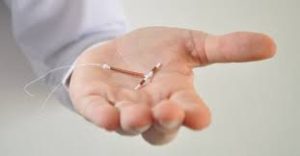
When selecting an IUD, factors to consider include duration of effectiveness, potential side effects, and individual health conditions or preferences. Consulting with a healthcare provider can help determine the most suitable option based on personal medical history and lifestyle. Each IUD offers a reliable, long-term contraceptive solution, with varying hormone levels and side effect profiles to suit different needs.
Summary
A medical professional inserts an intrauterine device (IUD), a tiny, T-shaped, long-acting reversible contraceptive (LARC) device, within the uterus. Depending on the type, it lasts for three to twelve years, is over 99% effective, and doesn’t need regular upkeep.
Foods Rich in Zinc

Appetite Enhancement Tips

Nutritional Value of Rolled Oats

A Step-by-Step Guide to Deleting Reels on Instagram

A Comprehensive Guide to Setting Up a YouTube Premiere

How to Create a WhatsApp Group
-

 Health4 weeks ago
Harmful side effects of earphones
-

 Self esteem4 weeks ago
Tips for self esteem improvement
-

 Exercise4 weeks ago
Regular physical activities importance
-

 Business3 weeks ago
Local business promotion
-

 Health4 weeks ago
Headphones safety tips
-

 Entertainment3 weeks ago
Women and British dance music