women
Early Signs of Labour: What to Expect


As the body prepares for childbirth, certain signs indicate that labour is approaching. These early signs can occur hours, days, or even weeks before active labor begins.
1. Lightening (Baby Drops)
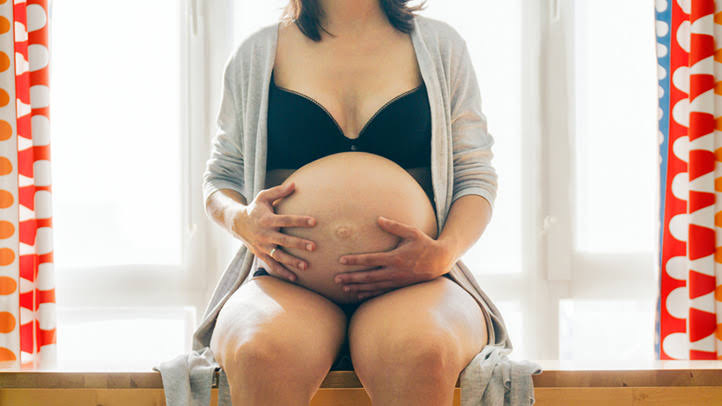
•The baby moves lower into the pelvis.
•Easier breathing but increased pelvic pressure.
2. Increased Braxton Hicks Contractions
•Irregular, mild contractions that prepare the uterus.
•More noticeable as labor nears.
3. Mucus Plug Discharge (“Bloody Show”)
•Thick mucus, sometimes tinged with blood, is released.
•Indicates the cervix is beginning to open.
4. Water Breaking
•The amniotic sac ruptures, causing a gush or trickle of fluid.
•Labour typically starts soon after.
5. Cervical Dilation and Effacement
•The cervix thins (effaces) and opens (dilates) for birth.
•Confirmed during a medical checkup.
6. Increased Back Pain and Cramps
•Pain in the lower back and pelvis, similar to menstrual cramps.
•Can come in waves or remain constant.
7. Loose Bowels or Nausea
•The body naturally empties the bowels before labor.
8. Sudden Burst of Energy (“Nesting”)
•Strong urge to clean or prepare for the baby’s arrival.
When to Go to the Hospital
•Contractions are regular, strong, and 5 minutes apart.
•Water breaks (especially if fluid is green or foul-smelling).
•Heavy bleeding or severe pain occurs.
Early labour signs vary for every woman. Staying calm, hydrated, and in touch with a healthcare provider is key to a smooth labor process.










Leadership Roles for Women. The phrase “glass ceiling” refers to the subtle but significant barriers that prevent women from progressing in their careers. It symbolizes the gender disparities that remain in many businesses where skilled and capable women are employed.
LEADERSHIP ROLES FOR WOMEN
In today’s rapidly evolving world, women are also breaking through the glass ceiling and assuming significant leadership positions in a range of professions. Gender equality in leadership roles has come a long way, but there is still much to be done. This article explores the significant progress made by female CEOs, the persistent challenges they face, and the vital role they play in breaking the glass ceiling.

However, their roles in leadership. Women have battled against cultural prejudice and societal conventions for millennia to be acknowledged and granted equal rights in a variety of spheres of life. Women have achieved tremendous progress in the corporate sector, politics, entrepreneurship, and other domains in the past few decades, shattering the “glass ceiling” that has impeded their ability to assume leadership roles. From being an anomaly to a force for change, women in leadership roles are now defying stereotypes and changing the balance of power and influence.
Roles;;
Meanwhile, the diversity of perspectives that women bring is one of the main advantages of their presence. Women typically approach issues and challenges in different ways than men, and their viewpoints might reveal fresh approaches and opportunities that could have gone unnoticed.

Leadership Roles for Women
Furthermore, studies have indicated that businesses with a higher proportion of female leaders typically have higher levels of success and profitability. This is because women frequently have excellent interpersonal and teamwork abilities, which can support the development of strong teams and a favorable work atmosphere.
Roles;
Fighting against gender norms
Compassion
Different points of view

Leadership Roles for Women
Achieving communication and collaboration
promoting creativity
Adaptable work schedules
Summary
Approximately 3 out of 10 executive positions and 27% of board seats worldwide are held by women, although just 6% of them are CEOs. Diverse leadership improves financial performance, creativity, and governance despite underrepresentation. Women in leadership positions in the public, corporate, and nonprofit sectors greatly benefit organizations.
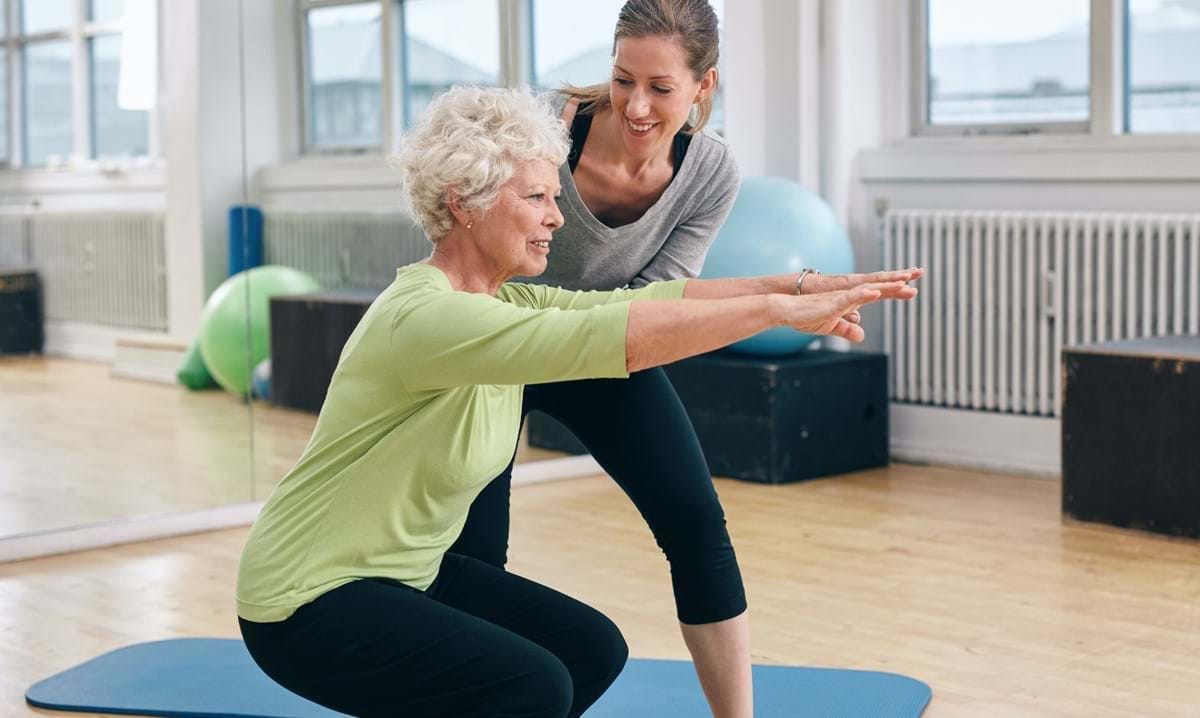
Exercise tips for aged women. Maintaining health and vitality as you age requires being active and making regular exercise a part of your routine. You can continue to be active, healthy, and independent far into old age by adhering to these five exercise recommendations: concentrating on low-impact activities, including strength training, giving balance and stability exercises priority, listening to your body, and being consistent and progressively increasing. Before beginning any new fitness regimen, always get medical advice, particularly if you have any pre-existing health issues or concerns.
EXERCISE TIPS FOR AGED WOMEN
As women age, maintaining a regular exercise routine becomes increasingly important for overall health and well-being. Regular physical activity can help older women maintain strength, flexibility, and mobility, while also reducing the risk of chronic diseases and improving mental health. Below are exercise tips specifically tailored to the needs of older women to help them stay active and healthy.
1. Focus on Low-Impact Activities;

Low-impact exercises are gentle on the joints and are ideal for older women who may have arthritis or other joint issues. Consider activities such as walking, swimming, cycling, or using an elliptical machine, which provide cardiovascular benefits without putting excessive strain on the joints. Low-impact exercises can help improve cardiovascular health, strengthen muscles, and improve overall fitness levels.
2. Incorporate Strength Training;
Strength training is essential for maintaining muscle mass and bone density, both of which tend to decline with age. Include strength training exercises in your routine at least two to three times per week, focusing on major muscle groups such as the legs, arms, back, and core. You can use resistance bands, dumbbells, or your body weight for resistance exercises such as squats, lunges, bicep curls, and plank.
3. Prioritize Balance and Stability Exercises;

Exercise tips for aged women
Maintaining good balance and stability is crucial for preventing falls and maintaining independence as you age. Incorporate balance and stability exercises into your routine to improve coordination and reduce the risk of falls. Simple exercises such as standing on one leg, heel-to-toe walking, and practicing yoga or tai chi can help improve balance and stability over time.
4. Listen to Your Body;
As you age, it’s essential to listen to your body and pay attention to any signs of discomfort or pain during exercise. If you experience pain, dizziness, or shortness of breath, stop exercising and consult with a healthcare professional. Modify exercises as needed to accommodate any physical limitations or health conditions you may have, and always warm up and cool down properly before and after exercise to prevent injury.
5. Stay Consistent and Gradually Progress;

Exercise tips for aged women
Consistency is key when it comes to reaping the benefits of exercise. Aim for at least 150 minutes of moderate-intensity aerobic activity per week, along with strength training exercises on two or more days per week. Start slowly and gradually increase the intensity and duration of your workouts as your fitness level improves. Remember that progress may be slower than when you were younger, but staying consistent and patient will yield long-term benefits for your health and well-being.
Summary
Women who are 65 years of age or older are generally referred to as aged or elderly. Significant biological changes, such as menopause and brain remodeling, occur during this stage of life, but older women are also highly regarded for their profound wisdom, fortitude, and community leadership.
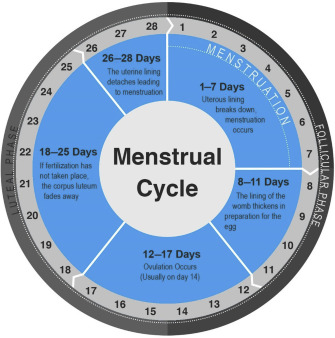
Analysing menstrual changes. It’s critical to speak with a healthcare professional if you’re having frequent or ongoing menstrual delays. They can offer advice on how to manage your menstrual health and assist in determining any underlying issues. Keep in mind that every woman has a unique body, so what is typical for one person might not be for another. Prioritize your reproductive health, pay attention to your body, and follow your gut.
ANALYSING MENSTRUAL CHANGES
If you’re accustomed to a regular menstrual cycle, having a late period can be concerning. There are many additional things that can cause delayed menstruation, even though pregnancy is frequently the first thing that springs to mind. Knowing these elements can ease anxiety and give you a better understanding of your body’s particular requirements.
1. Pregnancy:
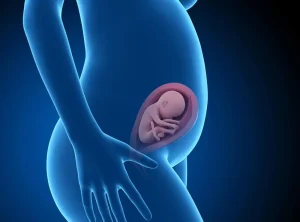
Let’s address the most common reason first. If you’re sexually active and your period is late, it’s essential to consider the possibility of pregnancy. Taking a pregnancy test can provide clarity and guide your next steps.
2. Stress:
Both emotional and physical stress can disrupt the delicate hormonal balance in your body, potentially leading to a delayed period. Whether it’s due to work pressures, relationship issues, or intense exercise regimes, stress can impact your menstrual cycle.
3. Weight Changes:
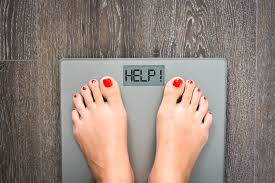
Significant fluctuations in weight, whether through dieting, weight gain, or weight loss, can affect hormone levels and disrupt your menstrual cycle. Extreme changes, such as those seen in eating disorders or rapid weight loss programs, can have a particularly pronounced effect.
4. Hormonal Imbalances:
Conditions like polycystic ovary syndrome (PCOS) or thyroid disorders can cause hormonal imbalances that result in irregular periods, including delays in menstruation. Hormonal contraceptives can also influence your cycle, potentially leading to late periods.
5. Medications:
Certain medications, including hormonal contraceptives, antidepressants, antipsychotics, and chemotherapy drugs, can interfere with your hormonal balance and affect your menstrual cycle. If you’ve recently started a new medication and notice changes in your period, consult your healthcare provider.
6. Menopause:
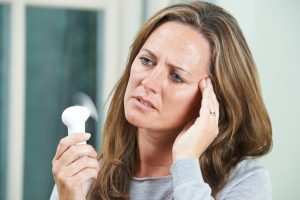
Analysing menstrual changes
As women approach menopause, typically in their late 40s to early 50s, menstrual cycles may become irregular, leading to delayed periods. If you’re in this age group and experiencing changes in your menstrual cycle, it could be a sign of menopause.
7. Medical Conditions:
Conditions such as pelvic inflammatory disease (PID), endometriosis, or uterine fibroids can cause menstrual irregularities, including delayed menstruation. If you suspect an underlying medical condition, seek medical attention for proper diagnosis and treatment.
8. Travel:

Analysing menstrual changes
Traveling across time zones or experiencing significant changes in routine can disrupt your body’s internal clock and affect hormone levels, potentially leading to delayed periods. While it’s usually temporary, it’s essential to be mindful of these changes if you’re prone to irregular periods.
9. Breastfeeding:
Exclusive breastfeeding can suppress ovulation and menstruation in some women, leading to delayed periods. This is a natural response by the body to conserve energy and support lactation.
Summary
In order to determine what is typical for you, analyzing menstrual changes entails monitoring the onset, length, and flow of your period as well as any related symptoms. Bleeding can last up to eight days during a normal cycle, which lasts 24 to 38 days. When these patterns continuously change, a “change” is frequently identified.

Earth Frozen Frontiers

Natural Majestic Wonders

Daily Life Hacks

A Step-by-Step Guide to Deleting Reels on Instagram

A Comprehensive Guide to Setting Up a YouTube Premiere