
pregnancy
Ectopic Pregnancy


ECTOPIC PREGNANCY
Ectopic pregnancy. A fertilized egg that implants outside of your uterus most frequently in your fallopian tube causes it. An embryo is not intended to grow inside the fallopian tube . This disorder may cause the birth mother to hemorrhage. An ectopic pregnancy is a serious illness that has to be treated right away.
ECTOPIC PREGNANCY
A pregnancy that develops outside of your uterus is known as an ectopic pregnancy. This happens when a fertilized egg implants in an area that isn’t suitable for its development. The fallopian tube, which joins your ovaries and uterus, is where it most frequently occurs. Rarely, it can develop in the cervix, abdominal cavity, or ovary. Because only your uterus is designed to carry a pregnancy, ectopic pregnancies cannot proceed.
Signs

Early signs of an ectopic pregnancy can resemble those of a normal pregnancy quite a bit. However, during an ectopic pregnancy, you could also have other symptoms, such as:
bleeding from the vagina.
discomfort in your lower back, pelvis, and abdomen.
weakness or lightheadedness.
The pain and bleeding from a fallopian tube rupture may be so intense that it results in other symptoms.
Fainting.
hypotension (low blood pressure).
soreness in the shoulders.
Bowel issues or rectal pressure.
You might have abrupt, intense lower abdomen discomfort when a tube bursts. This is an urgent medical situation. You should visit the ER right away or get in touch with your doctor.
Causes
Ectopic pregnancies are typically caused by disorders that hinder or impede the egg’s passage through the fallopian tube. This may occur due of: Inflammation, adhesions, or scar tissue from a previous pelvic operation.
There is damage to your fallopian tubes, maybe as a result of a STI.
Your fallopian tube was born with an unusual form.
A growth is obstructing your fallopian tube.
Treatment

methotrexate
In certain situations, your doctor might advise taking a drug called methotrexate to prevent the fertilized egg from developing and thus terminate the pregnancy. Your fallopian tubes should not be harmed by the medicine. If you already have a ruptured fallopian tube, you cannot use this drug.
Ectopic pregnancy surgery
However, if your fallopian tube has ruptured or is in danger of rupturing, your doctor will want to remove it surgically. This is a life-saving procedure and an emergency surgery. While you are under anesthesia and unconscious, the treatment is usually performed laparoscopically, which involves making multiple tiny incisions in your belly. Your fallopian tube may be preserved if the surgeon removes the egg from the tube or removes the entire tube while the egg is still within.
Prevention

Meanwhile, an ectopic pregnancy cannot be avoided. However, by adopting healthy lifestyle choices, you can attempt to lower your risk. Avoiding smoking, achieving and sustaining a healthy weight, and avoiding STIs are a few examples of these. Before attempting to conceive, discuss any risk factors you may have with your healthcare professional.
Summary
Also, ectopic pregnancies can be frightening and unanticipated. You’re most likely experiencing a wide range of feelings, such as shock, anxiety, and grief. An ectopic pregnancy can be traumatizing, even if it was an unplanned pregnancy. As you work through your emotions, talking to your partner, doctor, or mental health specialist may be beneficial.






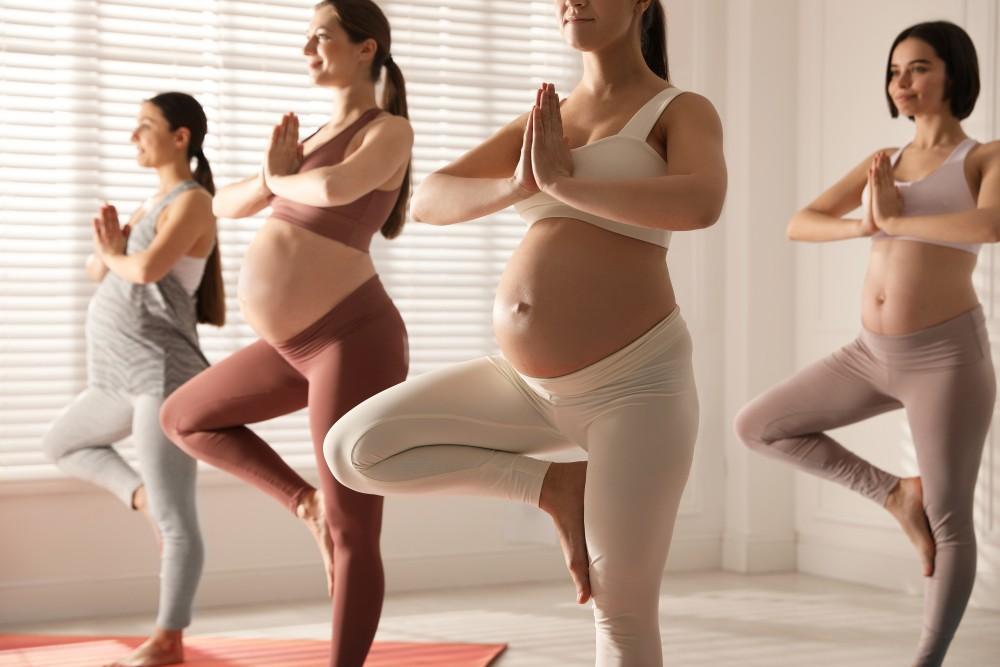
Healthy activities for pregnancy. At least 150 minutes of moderate-intensity aerobic exercise per week, such as brisk walking, swimming, stationary cycling, and prenatal yoga, are recommended during pregnancy. These exercises improve energy, reduce pain, and build muscles without straining joints. Always seek medical advice, drink enough of water, and keep away from activities that put you at danger of falling or suffering an abdominal injury.
HEALTHY ACTIVITIES FOR PREGNANCY
Pregnant women can maximize the health and development of their unborn children, encourage a healthy and successful pregnancy, and be ready for the joys and challenges of motherhood by adhering to these crucial dos.
1. Attend Regular Prenatal Check-ups:

Regular prenatal care is essential for monitoring the progress of the pregnancy, identifying any potential complications early, and ensuring the well-being of both the mother and the baby. Attend all scheduled prenatal appointments with a healthcare provider, and communicate any concerns or symptoms promptly.
2. Maintain a Healthy Diet:
Eating a balanced and nutritious diet is crucial for supporting the health and development of the baby during pregnancy. Focus on consuming a variety of fruits, vegetables, whole grains, lean proteins, and dairy products to ensure adequate intake of essential nutrients like folic acid, iron, calcium, and omega-3 fatty acids. Avoiding excessive junk food, processed foods, and sugary snacks is also important for maintaining overall health and managing weight gain during pregnancy.
3. Stay Active:

Regular physical activity is beneficial for both the mother and the baby during pregnancy, as it helps improve circulation, reduce stress, boost mood, and promote overall health and well-being. Engage in low-impact exercises such as walking, swimming, prenatal yoga, or stationary cycling, and consult with a healthcare provider before starting any new exercise routine.
4. Get Sufficient Rest and Sleep:
Adequate rest and sleep are essential for supporting the physical and emotional health of pregnant women. Aim for at least 7-9 hours of sleep per night, and listen to your body’s cues for rest and relaxation during the day. Practice good sleep hygiene habits, such as establishing a consistent bedtime routine, creating a comfortable sleep environment, and avoiding stimulants like caffeine before bedtime.
5. Educate Yourself and Seek Support:
HEALTHY ACTIVITIES FOR PREGNANCY
Take the time to educate yourself about pregnancy, childbirth, and newborn care, and actively participate in childbirth education classes or support groups. Stay informed about the changes happening in your body and the development of the baby, and don’t hesitate to ask questions or seek guidance from healthcare providers, family members, or other trusted sources. Surround yourself with a supportive network of friends, family, and healthcare professionals who can provide encouragement, advice, and assistance throughout your pregnancy journey.
Summary
In order to ensure a safe and successful pregnancy, pregnant women should prioritize a number of key tasks. Pregnancy is a critical period for both the mother and the developing baby.


Tips for urine pregnancy test. Use your first-morning pee, read the test instructions attentively, and refrain from consuming too much water beforehand to avoid dilution in order to obtain accurate urine pregnancy test results. Checking the expiration date and according to the instructions for your test kit—such as dipping the absorbent tip in a collected sample or holding it in your stream—are also very important.
TIPS FOR URINE PREGNANCY TEST
A quick, easy, and accurate way to find out if you are pregnant is with a urine pregnancy test strip. The hormone human chorionic gonadotropin (hCG), which is created soon after a fertilized egg adheres to the uterine lining, is detected in your urine by these tests. Here is a detailed tutorial on how to properly utilize a urine pregnancy test strip:
Step 1:
Preparation
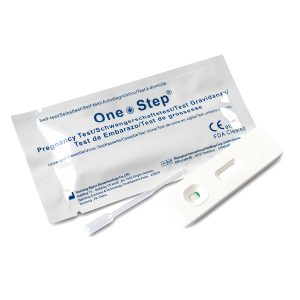
1. Read Instructions: Carefully read the instructions provided with the pregnancy test kit, as procedures can slightly vary between brands.
2. Check Expiry Date: Ensure the test strip is not expired, as an expired test may give inaccurate results.
3. Gather Supplies: Have a clean, dry container for collecting urine if the test requires it. Some tests are designed to be placed directly in the urine stream.
Step 2:
Collecting the Urine Sample

Tips for urine pregnancy test
1. Morning Sample: For the most accurate results, use the first urine of the day, as it contains the highest concentration of hCG.
2. Clean Container: If using a container, make sure it is clean and dry to avoid contamination.
3. Collect Urine: Either urinate directly onto the test strip if instructed to do so or collect urine in the container and then dip the strip into it.
Step 3:
Using the Test Strip;

Tips for urine pregnancy test
1. Dip the Strip: If you are using a container, dip the test strip into the urine up to the indicated mark. Hold it in the urine for the time specified in the instructions, usually around 5 to 10 seconds.
2. Remove and Lay Flat: Remove the strip from the urine and lay it on a flat, non-absorbent surface. Ensure the strip is not with a title to avoid the urine running into the test area incorrectly.
3. Wait for Results: Wait for the time specified in the instructions, usually around 1 to 5 minutes, without disturbing the strip. Most tests have a control line that indicates the test is working properly.
Step 4:
Interpreting the Results
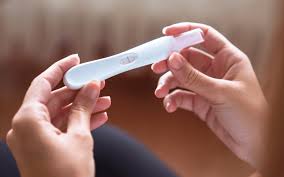
Tips for urine pregnancy test
1. Check the Control Line: Make sure a line appears in the control region to confirm the test is valid.
2. Read the Test Line: Look for a second line in the test region. The presence of this line, regardless of how faint, typically indicates pregnancy.
– Positive Result: Two lines (control and test) indicate pregnancy.
– Negative Result: Only one line (control) indicates no pregnancy.
– Invalid Result: If no lines appear or only the test line appears, the test may be invalid, and you should repeat it with a new strip.
Summary
Using a urine pregnancy test strip is a simple procedure that can yield accurate and timely results. You can confidently ascertain your pregnancy status in the comfort of your own home by carefully following these procedures.
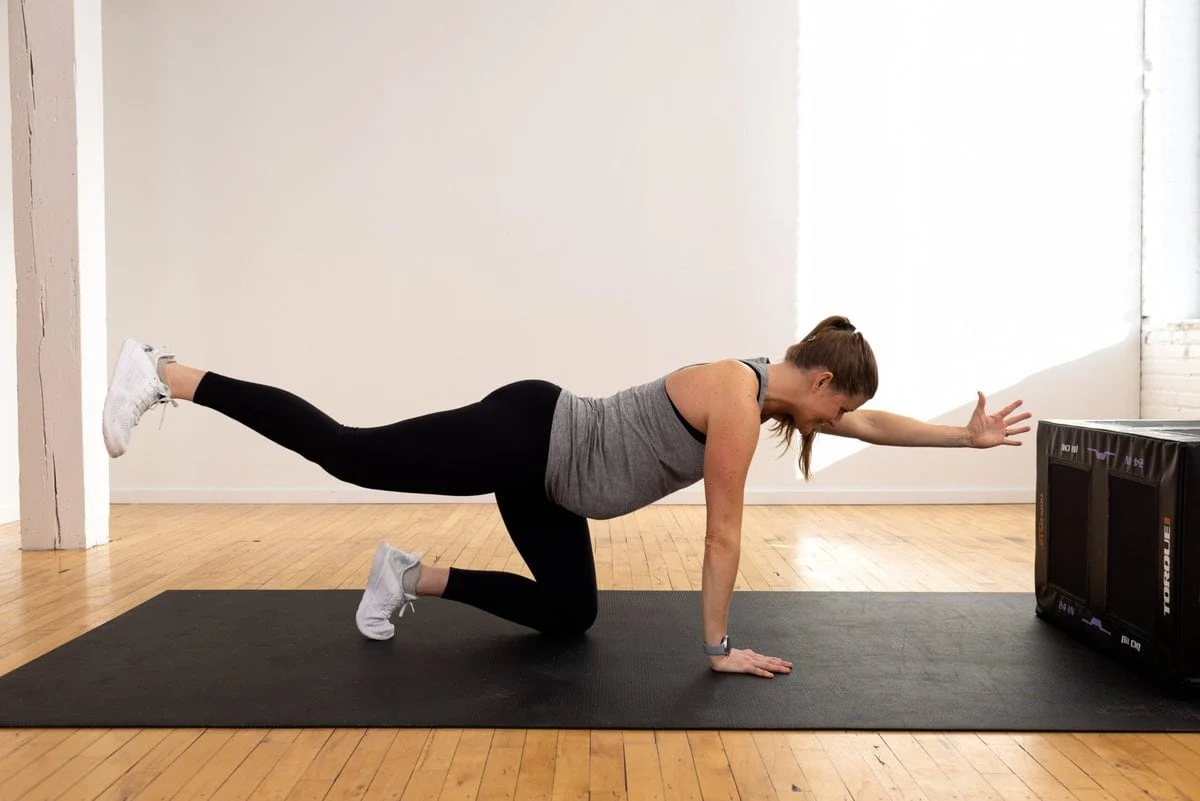
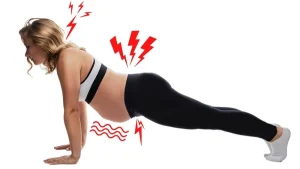
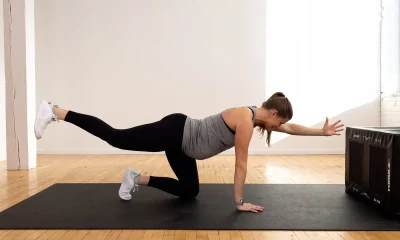
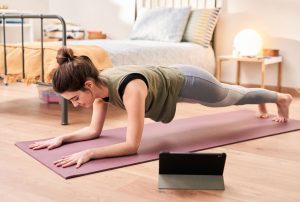
Pregnancy and plank exercise. Although planks are generally safe to use while pregnant, adjustments are required, particularly as the pregnancy goes on. If you’re already exercising frequently, it’s advisable to start with adjustments like a knee plank and stop if you experience pain or a “coning” or “doming” along the middle of your abdomen. Before beginning or continuing an exercise program, always pay attention to your body and get medical advice.
PREGNANCY AND PLANK EXERCISE
Pregnant women can benefit from plank exercises in a number of ways, such as increased core strength, better posture, and less lower back pain. To guarantee comfort and safety, it is essential to carry out these procedures with the required adjustments and safety measures. Before beginning any workout program during pregnancy, always get advice from a healthcare professional to customize the routine to your unique needs and situation. Plank exercise can be beneficial for pregnant women when performed with proper precautions and modifications.
Benefits
1. Improved Core Strength;

PREGNANCY AND PLANK EXERCISE
• Plank exercises engage the entire core, including the transverse abdominis, which is crucial for maintaining abdominal support during pregnancy. Strengthening these muscles can help support the growing uterus and reduce strain on the lower back.
2. Enhanced Posture;
• As the pregnancy progresses, the shift in the center of gravity can lead to postural changes. Planks help maintain proper alignment and strengthen the muscles that support good posture, potentially reducing the likelihood of back pain and other discomforts associated with poor posture.
3. Reduced Lower Back Pain;
PREGNANCY AND PLANK EXERCISE
• Strengthening the core muscles through plank exercise can help alleviate lower back pain, a common issue during pregnancy. A strong core provides better support for the spine and reduces the load on the lower back.
4. Preparation for Labor;
• Maintaining core strength and overall fitness during pregnancy can aid in the physical demands of labor and delivery. Strong abdominal and pelvic muscles can contribute to more effective pushing during childbirth. Precautions and Modifications
1. Avoid Overstraining;
PREGNANCY AND PLANK EXERCISE
• It’s important not to overstrain the abdominal muscles, especially as the pregnancy progresses. Overexertion can lead to diastasis recti, a condition where the abdominal muscles separate. Modifications, such as performing plank exercise on the knees or against a wall, can reduce strain.
2. Modify as Needed;
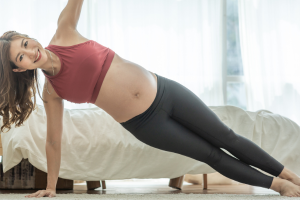
• As the pregnancy progresses, modifications may be necessary to ensure comfort and safety. Side planks or modified planks (e.g., on knees) can be gentler alternatives while still providing core benefits.
3. Focus on Proper Form;

• Proper form is crucial to avoid unnecessary strain on the lower back and abdominal muscles. Keeping the body in a straight line, engaging the core, and avoiding sagging or arching the back are essential for performing planks safely.
4. Listen to the Body;
• Pregnant women should pay close attention to their bodies and stop exercising if they experience any pain, discomfort, or unusual symptoms. It’s essential to prioritize comfort and safety over intensity.
5. Consult Healthcare Providers;

• Before starting or continuing any exercise routine during pregnancy, it’s vital to consult with a healthcare provider or a prenatal fitness specialist. They can provide personalized advice and ensure that the exercises are safe and appropriate for the individual’s stage of pregnancy and health condition.
Summary
They can lessen back pain, support posture, and preserve core strength. However, before beginning any exercise regimen while pregnant, it is imperative to speak with a healthcare professional. Plank exercises have the following effects on expectant mothers:

Chatgpt side effects

Causes of nasal swelling

Lyrics for i will be here

A Step-by-Step Guide to Deleting Reels on Instagram

A Comprehensive Guide to Setting Up a YouTube Premiere

How to Create a WhatsApp Group
-

 Culture4 weeks ago
Germany Rosenmontag Celebration
-

 Flight4 weeks ago
Plane Tickets Relevance
-

 Flight4 weeks ago
Airline Travellers and Baggage Allowances
-

 Flight4 weeks ago
Luxury in Business Class Flight
-

 Music4 weeks ago
Lyrics for wetin you no fit do
-

 Social media1 week ago
Tips for likes and Followers on Facebook
Pingback: miscarriages early signs