
Health
Effects of AntiFungal Medics

EFFECTS OF ANTIFUNGAL MEDICS
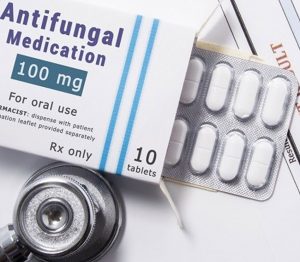
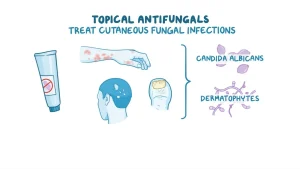
Effects of antifungal medics. Fungal infections are treated with antifungal medications. Ringworm, nail and skin infections, and yeast infections can all be brought on by fungi found in the soil, air, and on our skin. Respiratory ailments can result from inhaling fungus spores. Fungal infections that necessitate antifungal medication are more common in those with compromised immune systems.
EFFECTS OF ANTIFUNGAL MEDICS
These are medications that either eradicate or inhibit the growth of infections-causing fungi, which are the plural of the word “fungus.” Another name for them is antimycotic agents. Fungi can develop into molds, yeasts, or a mix of the two. They use little spores to replicate. These spores may be airborne or found in soil. Additionally, your body may naturally contain fungus like Candida yeast. Your skin, intestinal tract, and vagina are all home to fungi.
Potential Side Effects
EFFECTS OF ANTIFUNGAL MEDICS
Antifungal side effects can vary. The medicine kind, dosage, and fungus all affect the outcome. You might encounter: • Diarrhea, upset stomach, and abdominal pain. • A skin rash, burning feeling, or itchy skin. In rare cases, antifungal medications might result in major issues like: • Jaundice, or liver damage. This includes severe allergic reactions such as anaphylaxis. • Severe allergic skin responses, including skin peeling and blistering.
other side effects;
If your doctor has prescribed this drug, keep in mind that they have determined that the risks of adverse effects are outweighed by the benefits to you. Serious side effects are uncommon in many patients taking this medicine. If you experience any severe adverse effects, such as blistering, oozing, or open sores, notify your doctor immediately. It is uncommon for this medication to cause a very serious adverse reaction. However, if you have any of the following signs of a significant allergic response, you should seek medical attention immediately: rash, severe dizziness, difficulty breathing, itching or swelling (particularly in the face, tongue, or neck, or swelling.
Types
1. Azoles
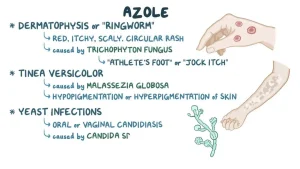
Among the most often used antifungals are azoles. They disrupt an enzyme essential to the formation of the fungal cell membrane. This makes the cell membrane brittle and susceptible to leaking, which ultimately results in cell death. Imidazoles and triazoles are the two subgroups of azole antifungals.
2. Allylamines
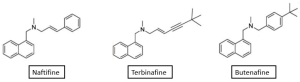
Allylamines, like azole antifungals, block an enzyme that is necessary for the formation of the fungal cell membrane. Terbinafine is an example of an allylamine and is frequently used to treat fungal skin infections.
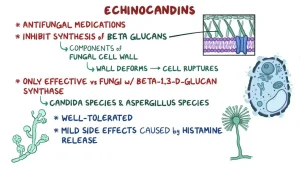
3. Echinocandins
EFFECTS OF ANTIFUNGAL MEDICS
Echinocandins are a more recent class of antifungal medication. They prevent the production of the fungal cell wall by inhibiting an enzyme. Other Other kinds of antifungal drugs are also available. These work through distinct methods than the ones we’ve covered so far. An antifungal called flucytosine stops the fungus cell from producing proteins and nucleic acids. The cell is unable to proliferate and expand as a result. Candida systemic infections can be treated with flucytosine.
Summary
Fungal infections are treated with antifungal medications. To destroy or stop the growth of fungal cells, they target structures and processes specific to fungi. Antifungal medications come in a variety of forms and can be administered in a number of ways. Both the medication and the kind and severity of the infection may influence the kind of medication used and how it is taken.
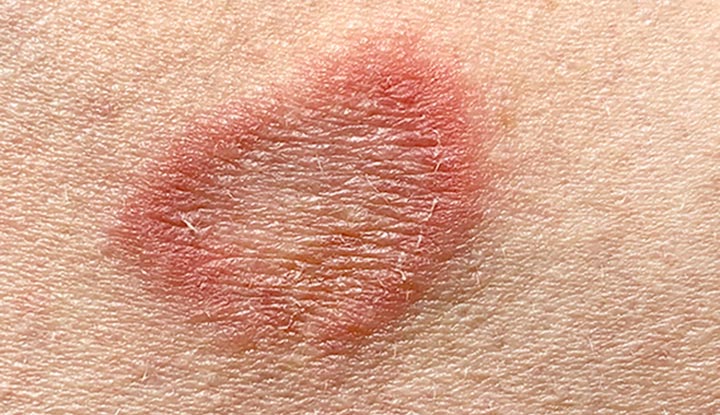
Ringworm diagnosis. A very contagious fungal skin illness is ringworm, often known as tinea. A visual assessment of your symptoms, a summary of your recent activities, or a straightforward skin scrape (KOH test) examined under a microscope are usually used to make the diagnosis.
RINGWORM DIAGNOSIS
When a clinician examines a case of ring worm and inquires about the child’s symptoms and lifestyle, the diagnosis is frequently made. On occasion, the physician will remove a tiny piece of the flaky infected skin with knife so that it can be examined under a microscope or tested in a lab.
A mild infection may be treated using over the counter (OTC) antifungal medication may be required for more severe infections; it can be taken as a pill or syrup or applied topically. Typically, ringworm treatment for the scalp or nails involves taking medication orally for one to three months. The doctor’s suggested antifungal shampoo can help stop the infection from spreading to other people. Even if your child’s rash seems to be improving, they should continue taking the medication as directed. If not, thr illness may return and spread to different bodily areas. Maintaining cleanliness and dryness in the afflicted area is crucial for promoting skin healing.
Can Ringworm Be Prevented?
Ringworm diagnosis
Ringworm is frequently avoidable. Children and teenager should make sure their skin is clean and dry by giving them a daily wash and letting it air dry, especially after sweaty activities like swimming and showering.
Avoid sharing hats, combs, brushes, clothes, or towel instead m, use fresh towels.
How Long Does Ringworm Last?
Ringworm diagnosis
The majority of mild ring worm cases resolve in two to four weeks. However, incases when the infection is more severe or affects the scalp or nails, treatment may be required for up to three months.
Summary
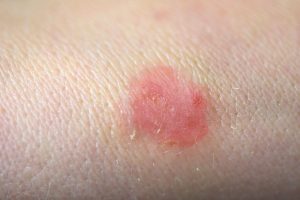
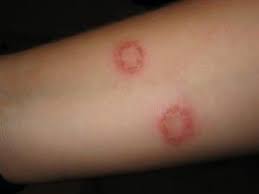
Ringworm is not related to actual worms; rather, it is a highly contagious fungal skin condition produced by dermatophytes. It typically manifests as an itchy, scaly, elevated ring-shaped rash that can be brown or gray on darker skin tones and red on lighter skin tones.
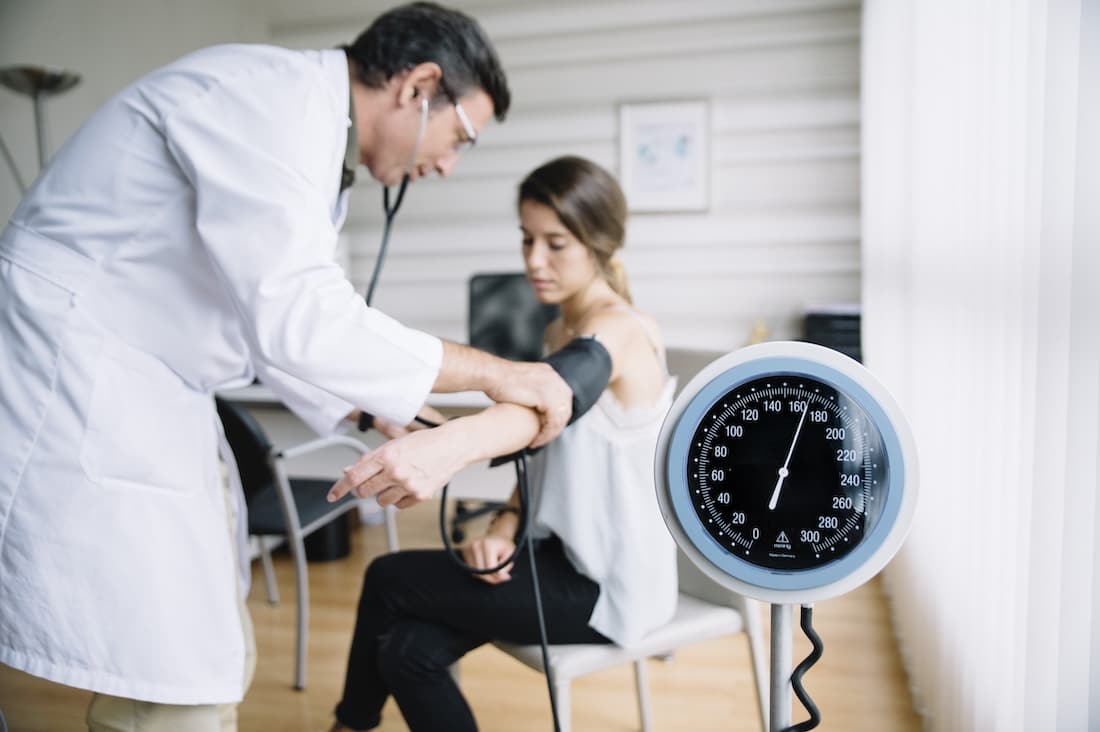
High BP Health threats. When the force of blood pushing against your artery walls is continuously too great, you have high blood pressure, also known as hypertension. Often referred to as a “silent killer,” it typically exhibits no signs until significant harm is done. Regular readings are the only method to find out your state.
HIGH BP HEALTH THREATS
Over time, uncontrolled hypertension puts stress on your organs and arteries. In addition to causing renal failure, eyesight loss, aneurysms, and cognitive decline if untreated, this silent killer dramatically raises the chance of life-threatening events like heart attacks and strokes. Most of the time, high blood pressure—also referred to as hypertension—causes damage gradually. Untreated or untreated hypertension can lead to:
1. Heart attack;

Blood flow to the heart muscle can be impeded by clogged arteries caused by high blood pressure.
2. Heart failure
The heart may become larger and become less able to pump blood to the body as a result of the increased burden brought on by high blood pressure.
3. Kidney disease or failure
Excessive blood pressure can harm the kidneys’ surrounding arteries, impairing their capacity to adequately filer blood.
4. Loss of vision

High BP Health threats
Elevated blood pressure can compress or harm blood vessels in the eyes.
5. Sexual dysfunction
Elevated blood pressure can cause libido reduction in women and erectile dysfunction in males.
High blood pressure and hypertensive crisis;

High BP Health threats
Check your blood pressure again after five minutes if you are symptoms free. Additionally, if your readings are still abnormally high and you are not suffering any other signs of damage to your target organ, such as chest pain, shortness or breath, back pain, numbness or weakness, changes in vision, or difficulty speaking, get in touch with your healthcare provider right once it is possible that you are having a hypertensive crisis.
Summary
The force of blood pressing against your artery walls as your heart pumps it throughout your body is known as blood pressure. Two figures are provided for readings (e.g., −120 \div 80\) mmHg).
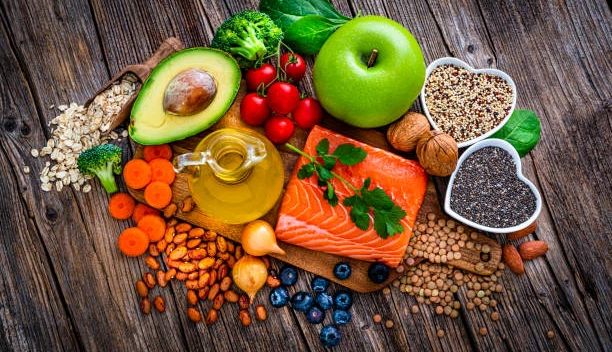
Natural foods for high BP. When the force of blood pushing against your artery walls is continuously too great, you have high blood pressure, also known as hypertension. Often referred to as a “silent killer,” it typically exhibits no signs until significant harm is done. Regular readings are the only method to find out your state.
NATURAL FOODS FOR HIGH BP
Over time, uncontrolled hypertension puts a load on your organs and arteries. In addition to causing kidney failure, eyesight loss, aneurysms, and cognitive decline if untreated, this silent killer dramatically raises the chance of fatal events including heart attacks and strokes.
1. Fat-free yogurt;
One of the primary nutrients that helps lower blood pressure is calcium, which os abundant in low-fat dairy products. Yogurt is an excellent source of protein, potassium, vitamins, and minerals that many be added to your diet, according to feller. One 12-ounce portion of low fat yogurt provides approximately 30% of the daily required calcium intake.
2. Bananas;
An average sized banana has approximately 420millgram of potassium. That is roughly 9% of the daily allowance that is advised. According to studies, diets lacking in potassium are linked to greater blood pressure and prest points out that potassium is excellent for controlling blood pressure. In addition to being high in fiber, bananas naturally sweeten smoothies, baked foods and frozen desserts. When bananas begin to go bad, peel them and freeze them.
3. Berries;

Natural foods for high BP
Nitric oxide, which is abundant in berries and particularly in blueberries, is a gas that lowers blood pressure by increasing blood flow. According to a March 2015 study published in the Academy of Nutrition and Dietetics, consuming as little as one ounce of blueberries per day can drop blood pressure considerably.
4. Leafy greens;
Kale, spinach, collard greens, argula, swiss chard, beet greens, and romaine lettuce are among the many leafy greens that are a great source of magnesium and potassium. Together, these help control blood pressure, according to bland. Consider using your greens in omelets, smoothies, and sandwiches instead of just salads.
5. Beets;

Natural foods for high BP
Like blueberries, beets are rich in nitric oxide, which lowers blood pressure. Beetroot juice can help reduce your systolic blood pressure by four to five mmHg, according to research. Incorporate beetroot juice into your diet and if you purchase store bought juice, ensure that sugar hasn’t been added.
6. Sweet potatoes;
Sweet potatoes, which are high in potassium and magnesium, are an integral part of a diet that lowers blood pressure. Additionally rich in fiber, sweet potatoes are heart- healthy.
Summary
Reducing processed foods and salt is typically the first thing that comes to mind when thinking about ways to try to reduce high blood pressure. But a heart-healthy diet involves more than just cutting back on salt.

Compact cameras disadvantages

Mirrorless cameras disadvantages

Top bridge cameras

A Step-by-Step Guide to Deleting Reels on Instagram

A Comprehensive Guide to Setting Up a YouTube Premiere













Pingback: Scalp Infection: Causes, Symptoms, and Effective Treatments - SimplExplainer