Health
Effects of Insufficient Water Intake

Effects of insufficient water intake. Many body processes depend on water, and dehydration can cause a number of health problems. In order to avoid dehydration and preserve general health, it is essential to comprehend the illnesses and ailments that may result from inadequate water consumption.
EFFECTS OF INSUFFICIENT WATER INTAKE
The lack of adequate water in your body is known as dehydration. Drinking before you become thirsty is the best defense against it. You’re already mildly dehydrated if you’re thirsty, which can lead to symptoms like headache, exhaustion, lightheadedness, and more.
1. Kidney Stones and Kidney Damage;


Insufficient water intake can lead to the formation of kidney stones, as concentrated urine increases the likelihood of minerals crystallizing. Chronic dehydration can also contribute to kidney damage and impair kidney function over time.
2. Urinary Tract Infections (UTIs)
Dehydration reduces urine production, which can lead to the accumulation of bacteria in the urinary tract. This increases the risk of developing urinary tract infections, which can cause discomfort, pain, and complications if left untreated.
3. Constipation;


Water is essential for maintaining regular bowel movements by softening stool and promoting digestive health. Inadequate hydration can lead to constipation, making bowel movements difficult and uncomfortable.
4. Heat Exhaustion and Heat Stroke;
During hot weather or intense physical activity, proper hydration is crucial for regulating body temperature. Insufficient water intake can lead to heat exhaustion and, in severe cases, heat stroke, both of which can be dangerous and require immediate medical attention.
5. Dehydration and Electrolyte Imbalance;
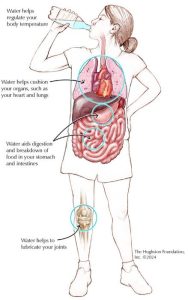

Dehydration results in a loss of essential electrolytes, such as sodium and potassium, which are vital for maintaining fluid balance, muscle function, and nerve signaling. An electrolyte imbalance can lead to symptoms such as muscle cramps, dizziness, and confusion.
6. Cognitive and Physical Impairment;
Even mild dehydration can affect cognitive functions and physical performance. Symptoms may include decreased concentration, memory problems, fatigue, and reduced physical endurance. Chronic dehydration can exacerbate these issues and impact daily functioning.
Prevention and Management;


Effects of Insufficient Water Intake
To prevent these health issues, it is important to maintain adequate hydration by:
– Drinking Plenty of Water: Aim for the recommended daily intake of water, which is generally around 8 cups (2 liters) for most adults, though individual needs may vary.
– Monitoring Fluid Intake: Increase water consumption during hot weather, exercise, or illness to compensate for higher fluid losses.


Effects of Insufficient Water Intake
– Consuming Hydrating Foods: Incorporate water-rich foods such as fruits and vegetables into your diet to support hydration.
Summary
Kidney stones and cognitive decline are only two of the health issues that can result from inadequate water consumption. Maintaining general health and avoiding these problems depend on drinking enough water.