Tooth
Effects of Smoking on Oral Health


Effects of smoking on oral health. Nowadays, the majority of individuals know that smoking is unhealthy. It can result in a wide range of health issues and, in certain situations, deadly illnesses. However, a lot of people are unaware of the harm smoking does to their teeth, gums, and mouth. Gum disease, tooth loss, tooth discoloration, and in more extreme situations, mouth cancer, can all result from smoking. Gum disease can also result from smoking. Gum disease is caused by bacterial plaque, which is more likely to be produced by smokers.
EFFECTS OF SMOKING ON ORAL HEALTH
Smoking is a well-known health risk that negatively impacts the body’s many organs and systems. Dental health is one area that frequently gets less attention yet is significantly impacted by smoking. Smoking can have major effects on teeth, ranging from discoloration to severe oral diseases. Smoking damages the gums by lowering blood oxygen levels, which prevents the infected gums from healing. Smoking increases dental plaque and accelerates the progression of gum disease compared to non-smokers. Let’s look into the detrimental consequences of smoking on oral health:
1. Tooth Discoloration;

Perhaps the most visible effect of smoking on the teeth is discoloration. Nicotine and tar, two prominent components of tobacco smoke, can gradually stain the enamel, causing teeth to take on a yellow or brownish hue. This discoloration is not only unsightly but can also be challenging to remove through regular brushing and cleaning.
2. Increased Risk of Gum Disease;
Smoking weakens the immune system and reduces blood flow to the gums, making smokers more susceptible to gum disease. Periodontal disease, characterized by inflammation and infection of the gums and surrounding tissues, is more prevalent and progresses more rapidly in smokers. Left untreated, gum disease can lead to tooth loss and even affect overall health, contributing to conditions such as heart disease and respiratory problems.
3. Delayed Healing;

EFFECTS OF SMOKING ON ORAL HEALTH
Smoking interferes with the body’s ability to heal, including the healing process in the mouth. After dental procedures such as extractions or oral surgeries, smokers experience slower healing times and are at higher risk of complications such as dry socket, where the blood clot necessary for healing becomes dislodged or fails to form properly.
4. Increased Risk of Oral Cancer;
Tobacco smoke contains numerous carcinogens (cancer-causing agents) that can damage cells in the mouth and lead to the development of oral cancer. Smokers are at significantly higher risk of oral cancer, including cancers of the lips, tongue, cheeks, and throat. The risk increases with the duration and intensity of smoking.
5. Reduced Success of Dental Treatments;

EFFECTS OF SMOKING ON ORAL HEALTH
Smokers may experience reduced success rates and poorer outcomes with various dental treatments compared to non-smokers. For example, dental implants are more likely to fail in smokers due to compromised healing and increased risk of gum disease. Similarly, smokers may have less predictable results with tooth whitening procedures and may require more frequent touch-ups due to continued staining from smoking.
6. Halitosis;
Although, smoking contributes to dry mouth and reduces saliva production, leading to the proliferation of odor-causing bacteria in the mouth. This can result in persistent bad breath, or halitosis, which is not only socially embarrassing but also a sign of poor oral health.
7. Accelerated Tooth Decay;

Also, smoking weakens the enamel of the teeth and increases the acidity of the mouth, creating an environment conducive to tooth decay. Smokers are more prone to cavities and may experience more rapid deterioration of their dental health compared to non-smokers.
Summary
Hence, quitting smoking is one of the most important things people can do to protect their dental health and general well-being. By giving up smoking and implementing a thorough oral hygiene routine, people can reduce the harm that smoking causes and enjoy healthier teeth and gums for years to come. Smoking has a significant negative impact on dental health, causing tooth discoloration, gum disease, delayed healing, increased risk of oral cancer, decreased treatment success, bad breath, and accelerated tooth decay.
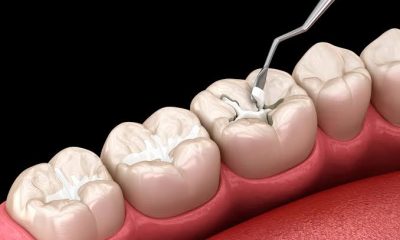



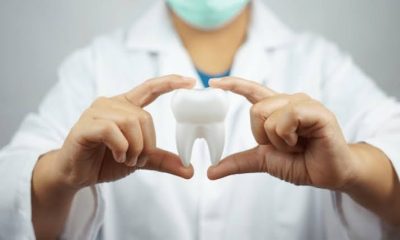



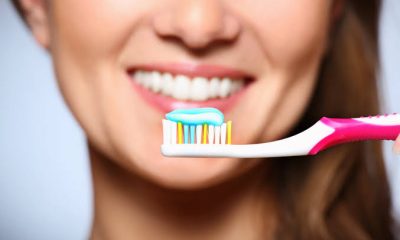





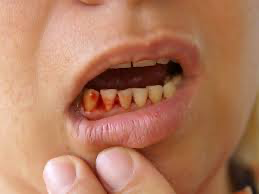

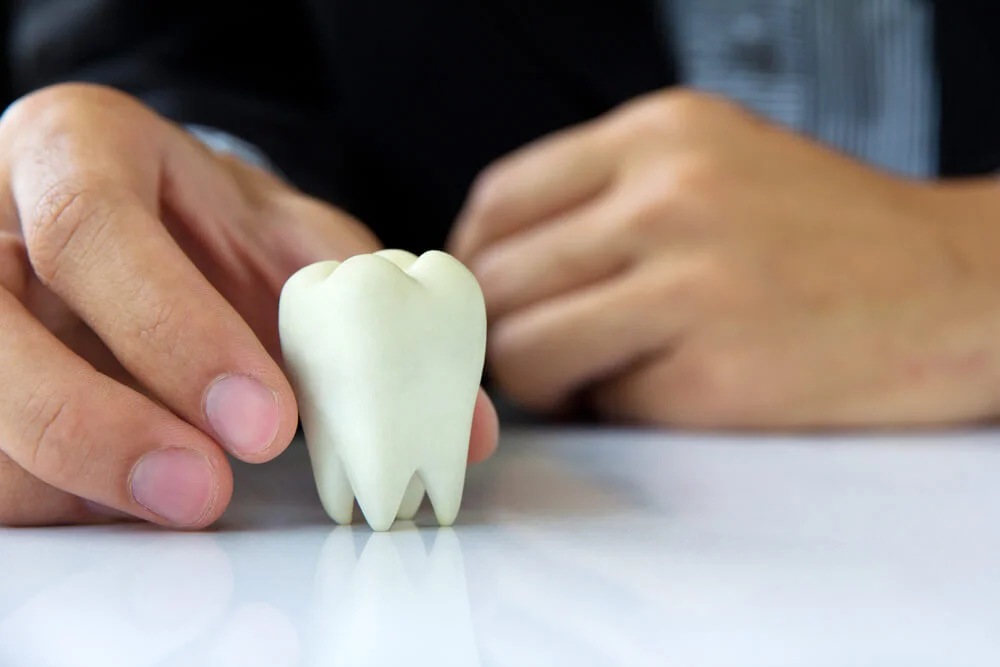
Tips for premolar tooth. Dental professionals and patients alike can appreciate the intricate beauty and functionality of these transitional teeth within the human dentition by learning about the formation, function, and significance of premolars. Premolar tooth growth is a remarkable process of embryonic development, morphogenesis, and mineralization that results in functional teeth essential for chewing, speech, and maintaining proper dental occlusion.
TIPS FOR PREMOLAR TOOTH
Premolars, sometimes referred to as bicuspids, are a vital part of the human dentition and are important for speaking, chewing, and general oral health. To fully appreciate the importance of premolar teeth in the dental arch, one must comprehend their growth and development. Let’s examine the intriguing development of premolar teeth, from production to function:
Formation and Development
Also, Premolars are the transitional teeth located between the anterior incisors and canines in the front of the mouth and the molars at the back. Humans typically have eight premolars, with four in each dental arch—two maxillary (upper) premolars and two mandibular (lower) premolars on each side.
Although, the process of premolar formation begins during the prenatal period, with the initiation of tooth development in the embryonic stage. Tooth buds for the premolars form between the ages of 3 to 6 years, with eruption occurring later in childhood and adolescence.
However, it undergo a complex process of morphogenesis and mineralization, guided by genetic factors and signaling molecules. They develop from the dental lamina, a specialized epithelial structure that gives rise to the entire dentition. As the premolar tooth bud grows and matures, it undergoes differentiation into enamel, dentin, pulp, and other dental tissues, ultimately forming a functional tooth capable of withstanding the forces of chewing and grinding.
Function and Role in Mastication;
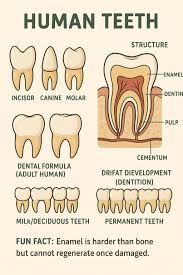
Meanwhile, premolars are well-suited for chewing and grinding food, thanks to their distinct morphology and arrangement of cusps and ridges. Unlike incisors, which are designed for cutting and biting, and molars, which are specialized for crushing and grinding, premolars exhibit a combination of these functions.
Also, maxillary premolars typically have two cusps (buccal and lingual) and are flatter in shape compared to mandibular premolars. Which often have three cusps (buccal, lingual, and occlusal). These anatomical variations reflect the diverse dietary needs and chewing patterns of individuals.
However, during mastication, premolars work in concert with other teeth to break down food into smaller particles. Facilitating digestion and nutrient absorption. Their strategic location in the dental arch allows them to exert precise occlusal forces and contribute to the efficient processing of food.
Importance in Dental Occlusion:
Tips for premolar tooth
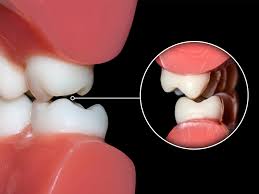
Also, Premolars play a crucial role in maintaining proper dental occlusion. Or the alignment and contact between the upper and lower teeth when the jaws are closed. Their location and morphology contribute to the stability and functionality of the bite. Ensuring harmonious intercuspal relationships and efficient distribution of occlusal forces.
Meanwhile, such teeth also serve as anchors for dental prostheses, such as bridges and implants, in cases of missing teeth. Their presence helps preserve the integrity of the dental arch. And prevents neighboring teeth from shifting or drifting out of alignment, which can lead to occlusal problems and malocclusion.
Summary
Although. of their deep grooves and cusps that trap food, premolar teeth (first and second) need to be carefully cared for. The best advice is to brush twice a day with fluoride toothpaste, pay attention to the chewing surfaces, floss every day, and use mouthguards if you grind your teeth or participate in contact sports. Regular dental visits for professional cleanings and possible sealants are crucial to prevent cavities.

Swollen gums analysis. Gum swelling shouldn’t be disregarded because it may be a sign of more serious oral health problems. In order to treat and prevent gum swelling, it is essential to use efficient medicines, practice good oral hygiene, and seek professional dental care. People can enjoy a pain-free smile and lower their chance of developing more serious gum-related issues in the future by making oral health a priority.
SWOLLEN GUMS ANALYSIS
Gingivitis (plaque accumulation), hormonal changes (pregnancy, puberty), or infections are frequent causes of swollen gums (gingival edema), which manifests as puffy, red, or bleeding tissue. Improved oral hygiene is typically enough to control them, but if swelling persists for more than two weeks, dental care is necessary to rule out periodontitis or vitamin deficiencies.
Common Causes:
-
Gingivitis:
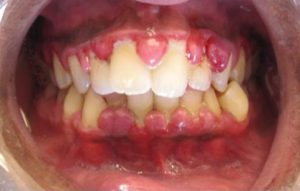
The most common cause of swollen gums is gingivitis, an early stage of gum disease. Poor oral hygiene leads to the buildup of plaque, causing inflammation and swelling of the gums. Read more on gingivitis here…..
-
Poor Oral Hygiene:
Inadequate brushing, flossing, and regular dental check-ups can result in gum issues. Plaque buildup can lead to bacterial growth, causing inflammation.
-
Hormonal Changes:

Hormonal fluctuations during pregnancy, menstruation, or menopause can contribute to gum sensitivity and swelling.
-
edical Conditions:
Certain medical conditions, such as diabetes or autoimmune disorders, may affect gum health and lead to swelling.
-
Dental Appliances:
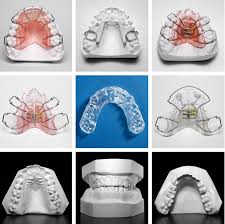
Ill-fitting dentures, braces, or retainers can irritate the gums and cause inflammation.
Effective Remedies for Swollen Gums:
a. Improved Oral Hygiene:
Brushing teeth at least twice a day with fluoride toothpaste and flossing regularly helps remove plaque and prevents gingivitis.
b. Anti-Inflammatory Rinses:
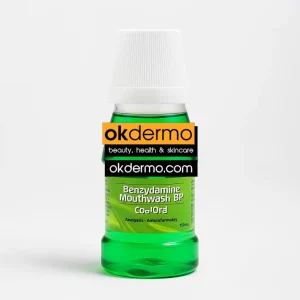
Rinsing with a saltwater solution or an antimicrobial mouthwash can help reduce inflammation and promote healing.
c. Warm Compresses:
Applying a warm compress to the affected area can alleviate pain and reduce swelling. Be cautious not to use hot water to avoid further irritation.
d. Aloe Vera Gel:

SWOLLEN GUMS ANALYSIS
Known for its anti-inflammatory properties, applying aloe vera gel to swollen gums may help soothe discomfort and promote healing.
e. Proper Nutrition:
Consuming a balanced diet rich in vitamins and minerals supports overall gum health. Vitamin C, in particular, aids in collagen production and gum tissue repair.
f. Hydration:
Drinking plenty of water helps maintain oral moisture and supports overall gum health.
Professional Dental Care:
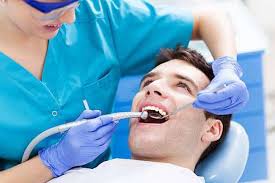
a. Dental Cleanings;
SWOLLEN GUMS ANALYSIS
Regular professional cleanings by a dentist or dental hygienist are crucial for removing plaque and preventing gum disease.
b. Scaling and Root Planing:
For more advanced cases of gum disease, scaling and root planing may be recommended to remove tartar and smooth root surfaces.
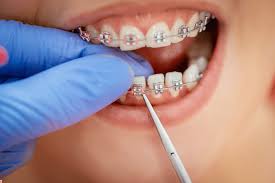
c. Orthodontic Adjustments:
SWOLLEN GUMS ANALYSIS
If swollen gums are caused by dental appliances, consulting with an orthodontist to make necessary adjustments is essential.
Preventive Measures:
a. Regular Dental Check-ups:

V
Routine dental check-ups allow for early detection and management of gum issues before they escalate.
b. Proper Oral Care Habits:
Establishing and maintaining good oral hygiene practices are fundamental in preventing swollen gums.
Summary
A frequent dental problem, swollen gums can be unpleasant and may be a sign of an underlying oral health issue. Gum swelling can be caused by a number of things, including systemic health problems and poor dental hygiene. People can treat this problem and preserve their best dental health by investigating the causes and practical solutions.
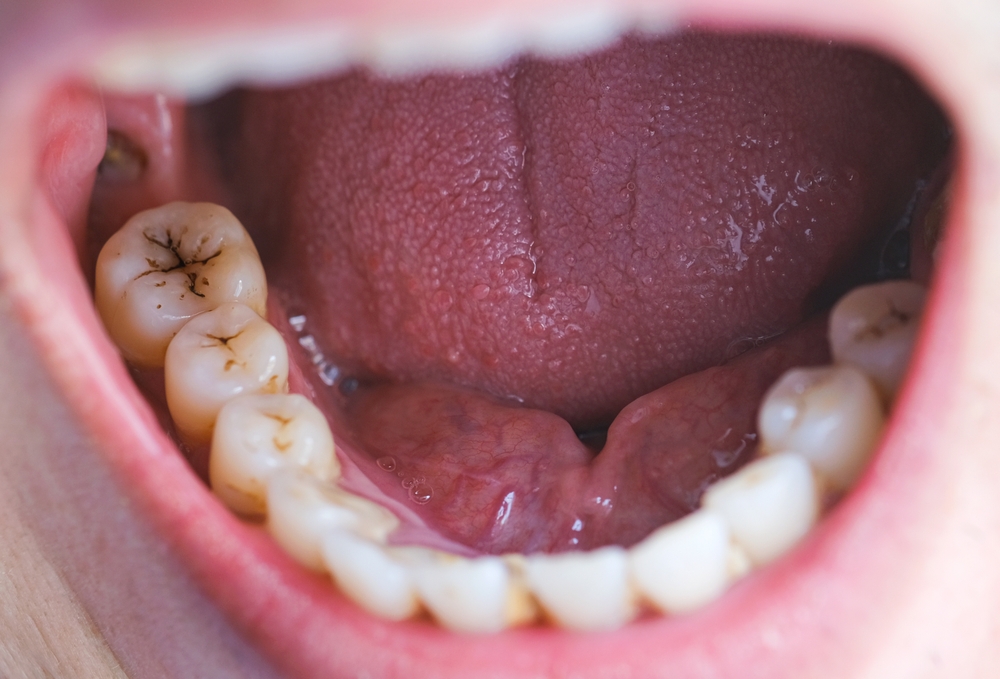
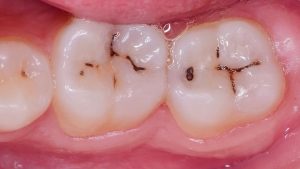
Decay of tooth. For this to be effectively treated and additional harm to be avoided, early detection is essential. Frequent dental examinations enable dentists to see decay early and take the necessary precautions before cavities worsen and cause discomfort. Reducing the prevalence of dental decay is largely dependent on public knowledge of its causes, prevention, and treatment. Healthy eating habits and proper dental hygiene can be encouraged from an early age through educational programs, particularly for parents and kids.
DECAY OF TOOTH
Tooth decay, also known as dental caries or cavities, is a common dental problem affecting people of all ages. It is the destruction of the tooth structure due to the action of acids produced by bacteria in the mouth. This article will explore the causes, prevention, and treatment of tooth decay.
Causes;
1. Bacteria in the Mouth;
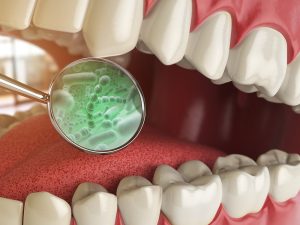
• The primary cause of it is the presence of specific bacteria, such as Streptococcus mutans, which thrive on the sugars and starches left on teeth from food and drinks.
2. Formation of Plaque;
• Plaque is a sticky film that forms on teeth when bacteria feed on sugars and produce acids. If not removed regularly, plaque hardens into tartar, which can only be removed by a dentist.
3. Acid Production;
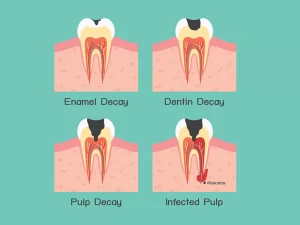
• The acids produced by bacteria attack the tooth enamel, the hard outer surface of the tooth. Over time, repeated acid attacks weaken the enamel, leading to the formation of cavities.
4. Diet;
• Frequent consumption of sugary and starchy foods and beverages contributes significantly to tooth decay. These foods provide the fuel that bacteria need to produce acids.
5. Poor Oral Hygiene
• Inadequate brushing and flossing allow plaque to build up on teeth, increasing the risk of decay.
Prevention of Tooth Decay;
DECAY OF TOOTH
1. Good Oral Hygiene Practices;
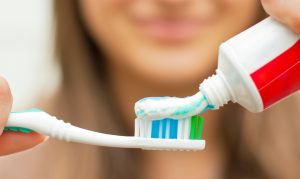
– Brush your teeth at least twice a day with fluoride toothpaste.
– Floss daily to remove plaque and food particles between teeth.
– Use an antibacterial mouthwash to reduce the bacterial load in the mouth.
2. Healthy Diet;

DECAY OF TOOTH
– Limit sugary and starchy foods and beverages.
– Eat a balanced diet rich in fruits, vegetables, and dairy products to support overall oral health.
3. Regular Dental Visits;
– Visit your dentist regularly for check-ups and professional cleanings. Early detection of cavities allows for more straightforward and less invasive treatments.
4. Fluoride Use;
DECAY OF TOOTH
– Use fluoride toothpaste and drink fluoridated water if available. Fluoride strengthens tooth enamel and makes it more resistant to it.
5. Dental Sealants;
– Dental sealants are a protective coating applied to the chewing surfaces of the back teeth. They can prevent food and bacteria from getting trapped in the grooves of the teeth.
Treatment;
DECAY OF TOOTH
1. Fluoride Treatments
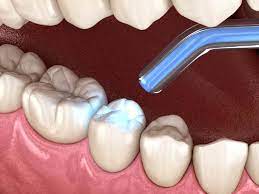
• For early-stage, fluoride treatments can help remineralize the enamel and stop the progression of cavities.
2. Fillings
• For more advanced decay, a dentist will remove the decayed portion of the tooth and fill the cavity with materials such as amalgam, composite resin, or gold.
3. Crowns
DECAY OF TOOTH
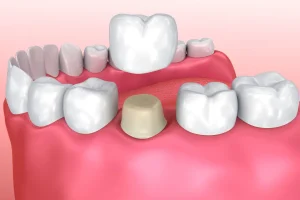
• If the decay is extensive and has weakened the tooth, a crown (a cap that covers the tooth) may be necessary to restore its shape, strength, and function.
Summary
A nutritious diet, frequent dental checkups, preventive treatments, and proper oral hygiene are all necessary to avoid it. People can take proactive measures to preserve their oral health and prevent the discomfort and consequences linked to cavities by being aware of the causes and symptoms of it. Maintaining a beautiful, healthy smile requires early intervention and routine dental care.

Torchlight Selection

Best Practices for Face Exfoliation

Chemical Face Exfoliation

A Step-by-Step Guide to Deleting Reels on Instagram

A Comprehensive Guide to Setting Up a YouTube Premiere