Electricity
Electricity Benefits

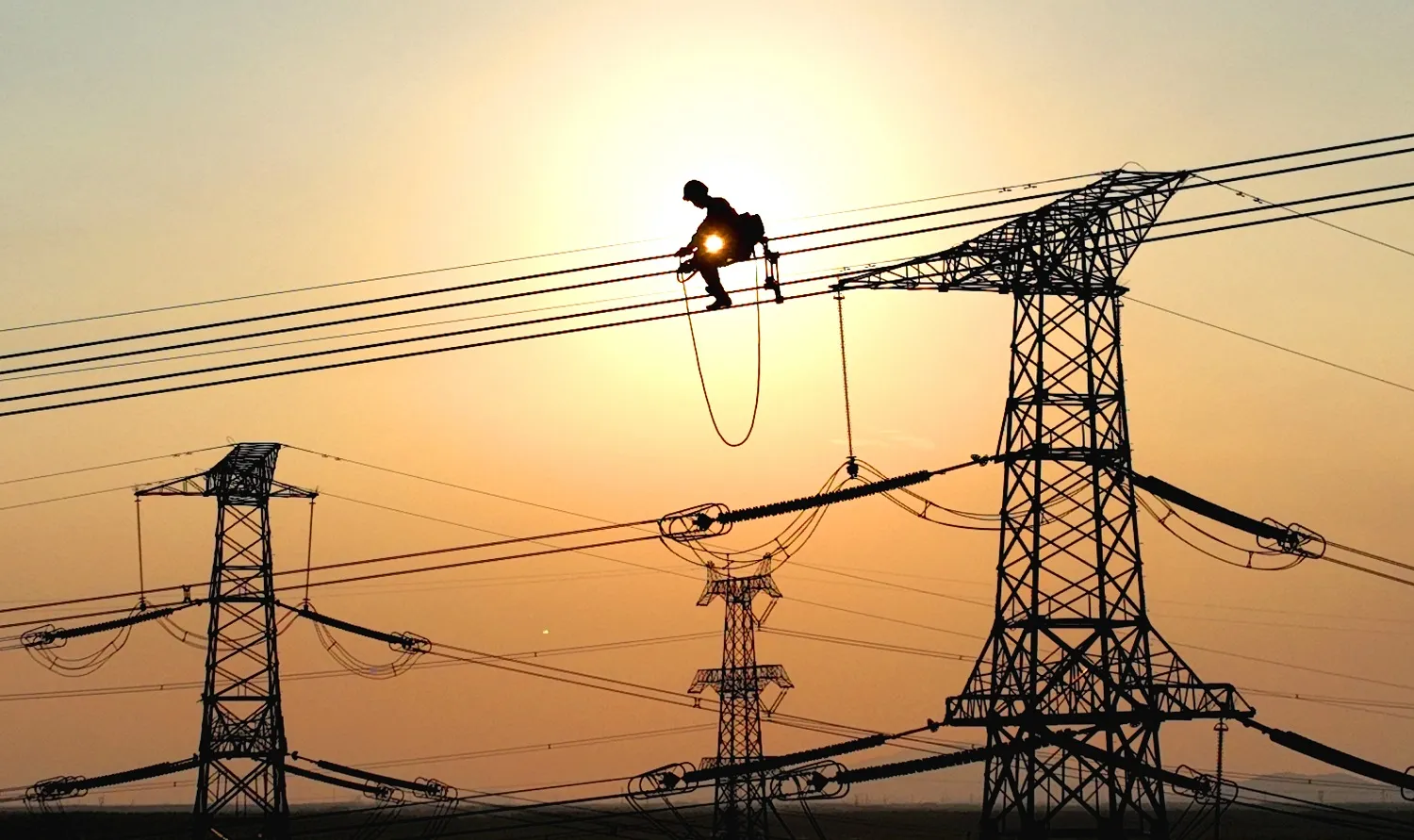
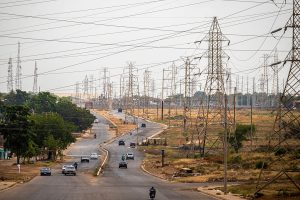
Electricity benefits. Modern society benefits greatly from electricity, which powers homes, businesses, transportation, and communication. These uses improve public health and safety, increase economic productivity, and improve quality of life overall.Electrical power is a flexible secondary energy source that is created by converting primary sources such as coal, gas, and renewable energy sources. It results from charged particles, particularly electrons, moving between locations with varying electrical potentials. It drives everything in modern life, from home illumination to industrial operations.
ELECTRICITY BENEFITS
The development of electricity proved its necessity. It was found that an electric generator could generate electricity, which could then be transmitted to the user via wires as an electric current. To generate electricity, two points of energy—have (negative) or + (positive)—move over a wire.
When there is a potential difference between two sites, electrons move between them to create electricity, which is a form of energy that allows for the creation of an electric current. Electricity, also referred to as the movement of electrons, is an unnatural energy and a fundamental aspect of our existence, whereas the sun is a natural source of energy.
1. Produced and readily available;
It is simple to put together since it uses a wide range of renewable and non-renewable energy sources to generate electricity. Everybody has access to electricity.
2. Natural energy sources;
However, Humans constantly produce electricity using a variety of means to meet their electric needs. It is therefore regarded as a renewable energy source because it may be generated on a daily basis.
3. Transportable and manageable;
Electricity may be transmitted widely and over great distances with the right planning or administration. Via conduits like wire, electricity may travel great distances.
4. Flexible and simple to modify;
Electricity is flexible because it can be converted into many forms of energy based on the needs of the consumer. Heat, light, and motion can all be produced from it.
5. Lowers carbon gas emissions;
ELECTRICITY BENEFITS
Renewable energy sources, including solar and wind, can generate electricity and are far more ecologically friendly and clean. As such, greenhouse gas emissions are not produced during the manufacturing of energy.
6. More convenient and effective;
Electricity is a practical and effective energy source that powers a lot of gadgets and appliances. It loses very little energy during production and long-distance transmission.
7. Need less upkeep;

ELECTRICITY BENEFITS
After electricity is put up, it should only require periodic maintenance when electric equipment deteriorates over time. It requires fewer workers. Although it takes work to implement electricity, two to three hours is plenty.
8. It doesn’t require effort;
ELECTRICITY BENEFITS
Also, The hydropower plant does not release any waste or gases. Hydroelectricity power stations generate electricity using water instead of fossil fuels or smokestacks. Since this plant doesn’t emit any pollutants into the atmosphere, it doesn’t directly produce greenhouse gas emissions.
Summary
Nature provides us humans with things like air to breathe, water to drink, land to travel on, trees to survive, and natural illumination from the sun that illuminates our entire existence, despite the fact that we take everything for granted. But what happens when the sun goes down? Without the sun, everything is dark, but “electricity”—a type of artificial light—helps to enlighten things. Electricity is an unnatural energy and a fundamental part of our life, whereas the sun is a natural source of light and energy.


The Causes of Political Apathy

Child Neglect and Causes

Environment Care Tips

A Step-by-Step Guide to Deleting Reels on Instagram

A Comprehensive Guide to Setting Up a YouTube Premiere

How to Create a WhatsApp Group
-

 Business3 weeks ago
How to Promote your Business
-

 Fashion3 weeks ago
Fashion Guide for Beginners
-

 Business1 week ago
Customers Satisfaction
-

 Business3 weeks ago
Tips for Running Online Business
-
 Business2 weeks ago
Business Name Selection Tips
-

 TECHNOLOGY3 weeks ago
Artificial Intelligence and the Future