Health
Essential Roles of Potassium

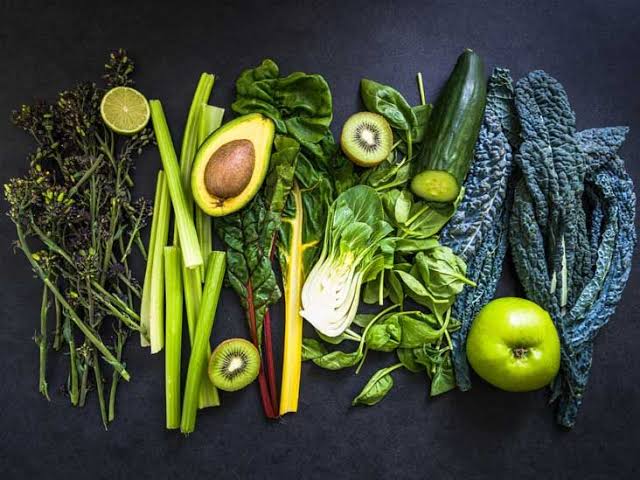
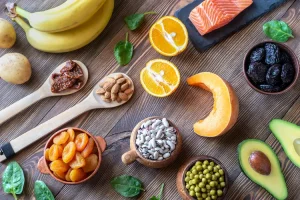
Essential Roles of Potassium. It is an important mineral and electrolyte that the body needs to support a number of vital physiological processes. Potassium, which is present in many foods like bananas, oranges, potatoes, and spinach, is important for controlling muscle contraction, fluid balance, and general cardiovascular health.
ESSENTIAL ROLES OF POTASSIUM
It keeps your heartbeat consistent. Additionally, it facilitates the movement of waste materials out of cells and nutrients into cells. Some of the negative effects of salt on blood pressure can be mitigated by eating a diet high in potassium. Many people acquire all the potassium they require from their diet and beverages.
Cardiovascular Health;

One of potassium’s most important functions is its role in supporting cardiovascular health. Potassium helps regulate blood pressure by balancing the effects of sodium in the body. A diet rich in potassium can help lower blood pressure levels and reduce the risk of stroke and heart disease. By promoting proper heart muscle function, potassiums ensures that the heart beats regularly and efficiently.
Muscle and Nerve Function;
Potassium is vital for normal muscle and nerve function. It facilitates the transmission of electrical impulses between nerve cells and muscles, which is crucial for muscle contraction and coordination. Adequate potassiums levels help prevent muscle cramps, weakness, and spasms, as well as support overall nerve function and reflexes.
Fluid Balance;
Essential Roles of Potassium
Maintaining proper fluid balance is another essential role of potassiums. It works with sodium to regulate the body’s fluid levels, ensuring that cells, tissues, and organs function optimally. Potassiums help prevent dehydration and supports healthy kidney function by aiding in the excretion of excess fluids and waste products.
Bone Health;
Emerging research suggests that potassium may also play a role in bone health. By reducing the loss of calcium through urine, potassiums help maintain bone density and reduce the risk of osteoporosis. A potassium-rich diet can contribute to stronger bones and better overall skeletal health.
Sources;
Essential Roles of Potassium
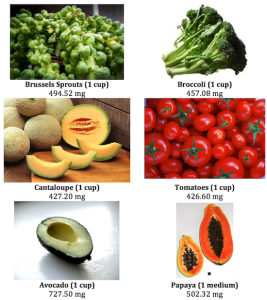
Incorporating potassium-rich foods into your diet is an effective way to ensure adequate intake. Foods high in potassiums include bananas, avocados, sweet potatoes, beans, and leafy greens. For individuals with specific health conditions, such as kidney disease, managing potassium intake may require medical supervision to avoid potential complications.
Summary
Potassium is an essential mineral that promotes fluid balance, heart health, muscle and neuron function, and even bone health. A balanced diet that provides adequate potassium intake is crucial to a healthy lifestyle since it can support the maintenance of general health and wellbeing.
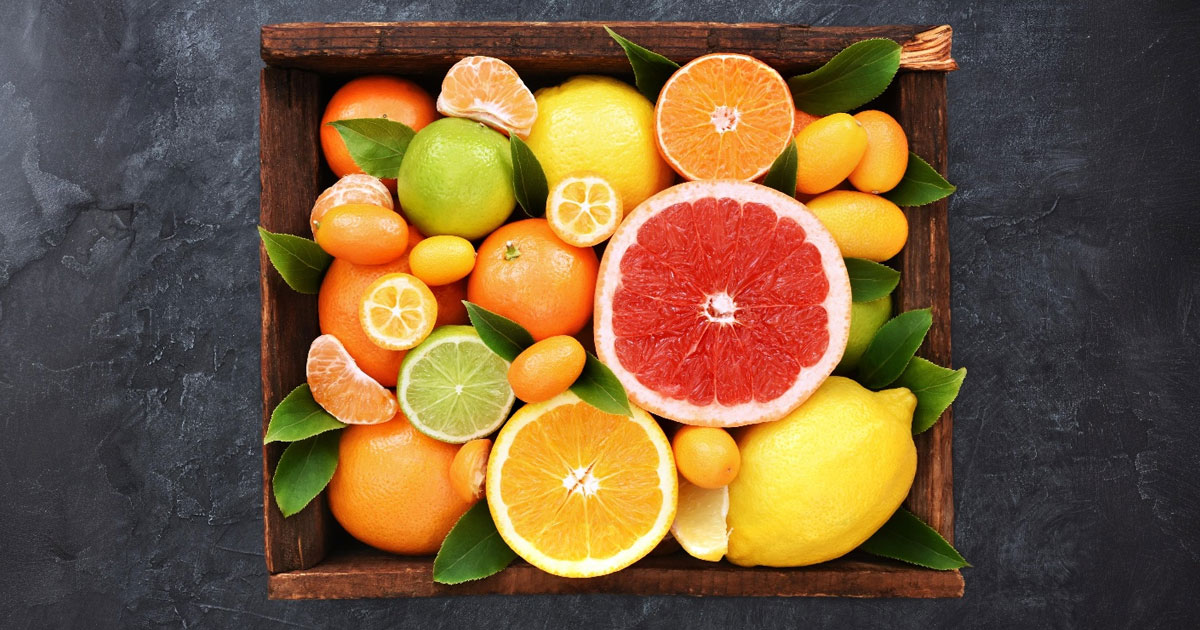
Health Components of Citrus Fruits. Winter days are made more colorful by citrus fruits with bright, sweet flavors. Citrus fruits are nutritious in addition to being delicious and appealing. This fruit class comprises grapefruit, oranges, lemons, and limes in addition to a number of hybrids and variations. Their health benefits include boosting immunity and avoiding cancer.
HEALTH COMPONENTS OF CITRUS FRUITS
Essential vitamins, dietary fiber, and bioactive plant chemicals found in citrus oranges support general health and lower the risk of chronic illnesses.
1. Their Vitamin and Plant Compound Content Is High in Vitamin C, which supports a healthy immune system and maintains elastic, smooth skin, and is abundant in citrus fruits. The amount of vitamin C you need in a day can be found in just one medium orange.

Health Components of Citrus Fruits
2. They’re a Good Source of Fiber Fiber is abundant in citrus fruits. Orange segments have four grams of fiber per cup. For example, it is advised that you eat 14 grams of fiber for every 1,000 calories consumed.
3. Fruits with Citrus Have Few Calories Citrus fruits are a wonderful option if you’re eating fewer calories. Although they don’t contain many calories, their fiber and water content make you feel full.
4. Fruits with Citrus Have Few Calories Citrus fruits are a wonderful option if you’re eating fewer calories. Although they don’t contain many calories, their fiber and water content make you feel full.
5. They could aid in the prevention or treatment of cancer. Citrus fruits are associated with a lower risk of some types of cancer, according to numerous research.

Health Components of Citrus Fruits
Side effects;
1. Consuming large amounts of citrus fruits or liquids may raise the risk of dental cavities. This is because citrus fruits’ acid breaks down tooth enamel. If you drink lemon water all day, you run a special danger of acidifying your teeth.
2. It’s interesting to note that some substances in citrus peels may fight the germs that cause cavities in the teeth, but further research is required to determine how that information could be applied.
Summary
Citrus fruits provide the body with vital vitamins, dietary fiber, and potent plant chemicals that promote general health.

Health Components of Lemon Fruits. Lemons are bright yellow citrus fruits. It has a distinct sour flavor and fresh scent due to its high citric acid concentration. Citrus limon is its scientific name, and it is a member of the Rutaceae family of flowering plants. Because of their unique flavor, lemons are frequently used in meals, beverages, and desserts. Nearly every component of a lemon can be used in cooking.
HEALTH COMPONENTS OF LEMON FRUITS
The Citrus genus of the Rutaceae family of flowering plants includes the lemon, a kind of tiny evergreen tree. A real lemon is a cross between a bitter orange and a citron. Although the origins of lemons are unknown, considerable evidence points to its beginnings in what is now northeastern India in the first millennium BC.
1. Vitamin C. More than half of the vitamin C required in your daily diet can be found in lemons, which provide roughly 35 milligrams of the vitamin. Antioxidants like vitamin C help shield cells from harm. Additionally, vitamin C strengthens your immune system, aids in the body’s absorption of iron, and helps your body produce facial collagen. The finest foods to get vitamin C are citrus fruits.

2. Weight control Because lemons contain pectin fiber, which swells after consumption, you will feel fuller for longer. A common claim is that lemon water is a useful aid for managing and losing weight. While there is nothing wrong with drinking water, adding lemon to water to help you lose weight isn’t particularly effective.
3. Prevention of anemia Lemon can increase the amount of iron your body absorbs from plant-based diets. Anemia can be avoided by keeping iron levels in check. Lower-than-normal red blood cell counts, or anemia, are frequently caused by iron deficiency.
4. Avoidance of kidney stones Lemons are rich in citric acid, which gives them their sour flavor. Citric acid may help avoid kidney stones, according to some research.

Health Components of Lemon Fruits
5. However, it brightens your skin Collagen is a protein that protects your skin, and the vitamin C in lemons aids in its formation. Lemons are a good source of vitamin C, folic acid, vitamin B, and minerals that can help reduce dandruff, greasy skin, blackheads, and acne.
6. Also, decreased likelihood of cardiac disease According to research, eating lemons can reduce your risk of heart disease and stroke.
Summary
Essential vitamins, fiber, and plant chemicals found in lemon fruits strengthen heart health, avoid kidney stones, and increase immunity.

Health Components of Cucumber. Without cucumbers, a healthy diet wouldn’t be complete! Cucumbers belong to the Cucurbitaceae family of gourds, which also includes pumpkins, squash, and melons. This fruit is low in calories and high in water and other minerals like fiber, calcium, potassium, and vitamins A, K, and C.
HEALTH COMPONENTS OF CUCUMBER
The Cucurbitaceae family of creeping vine plants includes the widely grown cucumber, which produces cylindrical to spherical fruits that are utilized as culinary veggies. There are three primary varieties of this annual plant: pickling, slicing, and seedless.
1. Promotes more hydration

Your health needs to drink water every day. It aids in: • Digestion. • Achy joints. Kidney function. • Memory and thought processes. The control of body temperature.
2. Fortifies bones
Vitamin K, which cucumbers are rich in, is very beneficial for bone health. Consuming enough vitamin K through diet lowers your risk of bone fractures and encourages the growth of healthy bone mass. Your chance of developing osteoporosis increases if your bone mineral density is poor.
3. Supports intestinal health
Cucumber water naturally aids in digestion by facilitating the breakdown of meals and the absorption of nutrients. the fiber in cucumbers also helps to maintain regular bowel motions.
4. Assists in controlling weight/ blood sugar

Cucumber snacks are very cost-effective, particularly for those who are obese, which is the main risk factor for Type 2 diabetes. They include less calories, sugar, and carbs. Cucumbers’ water and fiber content can also help you feel fuller for longer.
5. Offers cancer prevention
High concentrations of the naturally occurring plant chemical cucurbitacin B, which is attracting interest for its impact on cancer cells, are found in cucumbers. According to a recent analysis of studies, CuB may help prevent cancers of the liver, breast, lung, and prostate.
6. Enhances cardiac health
Elevated salt levels cause hypertension. By counteracting the effects of sodium, potassium helps reduce blood pressure. Cucumbers’ low sodium content and high potassium content work together to lower blood pressure.
7. Enhances cardiac health

Health Components of Cucumber
Elevated salt levels cause hypertension. By counteracting the effects of sodium, potassium helps reduce blood pressure. Cucumbers’ low sodium content and high potassium content work together to lower blood pressure.
Summary
With 95% to 96% water content and a wealth of vital nutrients, cucumbers are a low-calorie, extremely hydrating vegetable.

Adult Games for House Parties

Health Components of Citrus Fruits

Health Components of Lemon Fruits

A Step-by-Step Guide to Deleting Reels on Instagram

A Comprehensive Guide to Setting Up a YouTube Premiere