TECHNOLOGY
Examples of Microphones

Examples of Microphones. Transducers that transform sound waves into electrical impulses, microphones are crucial parts of consumer electronics, broadcasting, recording, and telecommunication. They are utilized in many different applications, such as consumer electronics, phone calls, and professional studio recording. Dynamic, condenser, and ribbon are common varieties that are frequently grouped according to their pickup patterns (e.g., cardioid, omnidirectional).
EXAMPLES OF MICROPHONES
Microphones come in a wide range of designs and applications and transform sound waves into electrical signals. Dynamic microphones (rugged for live vocals), Condenser microphones (sensitive for studio recording), Ribbon microphones (warm tones), USB microphones (plug-and-play for streaming), and Lavaliers (clip-on microphones for video) are the most popular examples.
What is a Microphone?
Emile Berliner created the microphone, an input device, in 1877. It is employed to either enter audio into computers or transform sound waves into electric waves. By transforming sound waves into an electrical signal—which could be digital or analog—it is able to record audio.
Either a computer or other digital audio equipment can carry out this technique. Based on a liquid mechanism, the first electronic microphone employed a diaphragm coupled to a current-charged needle in a diluted sulfuric acid solution.
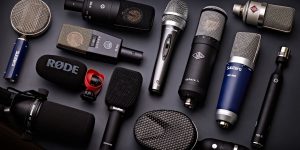

In addition to device type, microphones are frequently constructed with directionality in mind. For example, omnidirectional microphones may pick up all noises in the vicinity but are difficult to concentrate on a specific subject when there is background noise.Shotgun, directional, and bidirectional microphones are useful equipment for interviews. On the other hand, two unidirectional devices—such as cardioid microphones—can produce the same result.
Types of microphone
Below are the types of microphone:
1. Omnidirectional microphone:
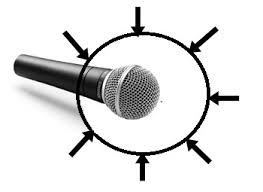

Due to the circular polar layout on its outside, an omnidirectional microphone is one that can record sound from all directions. For instance, the microphone will record signals equally from all sides if someone speaks into it from the left, right, front, or back. These microphones are mostly utilized in recording studios to capture several vocalists or musical instruments. In contrast, unidirectional microphones only pick up sound coming from one direction.
2) Unidirectional mircophone;

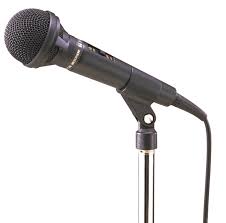
Examples of Microphones
unidirectional micro-phone is one that is only capable of picking up sound in one direction. As a result, when you talk in the appropriate direction, it can record your voice. If a user wishes to record their voice for a podcast or voiceover, this kind of microphone is useful. Its polar plot indicates that when the user speaks in front of it, it picks up the most sound.
3) Close Talk mircophone;


Examples of Microphones
This is an additional kind of microphone that requires you to speak directly into it without creating any noise or sound, unlike other microphones. These microphones are utilized by voice recognition software, headsets, and phones. For applications involving fixed stations, it offers exceptional voice quality.
How does data enter into a computer using a micro-phone?
An input device is a micro-phone that transmits data to a computer.
Summary
In order to transform sound waves into electrical impulses, microphones are crucial acoustic transducers. They power our capacity to communicate, create music, broadcast to audiences around the world, and seamlessly interface with contemporary computers and smart devices by acting as the vital first link in the audio chain.