Exercise
Exercise tips for old women

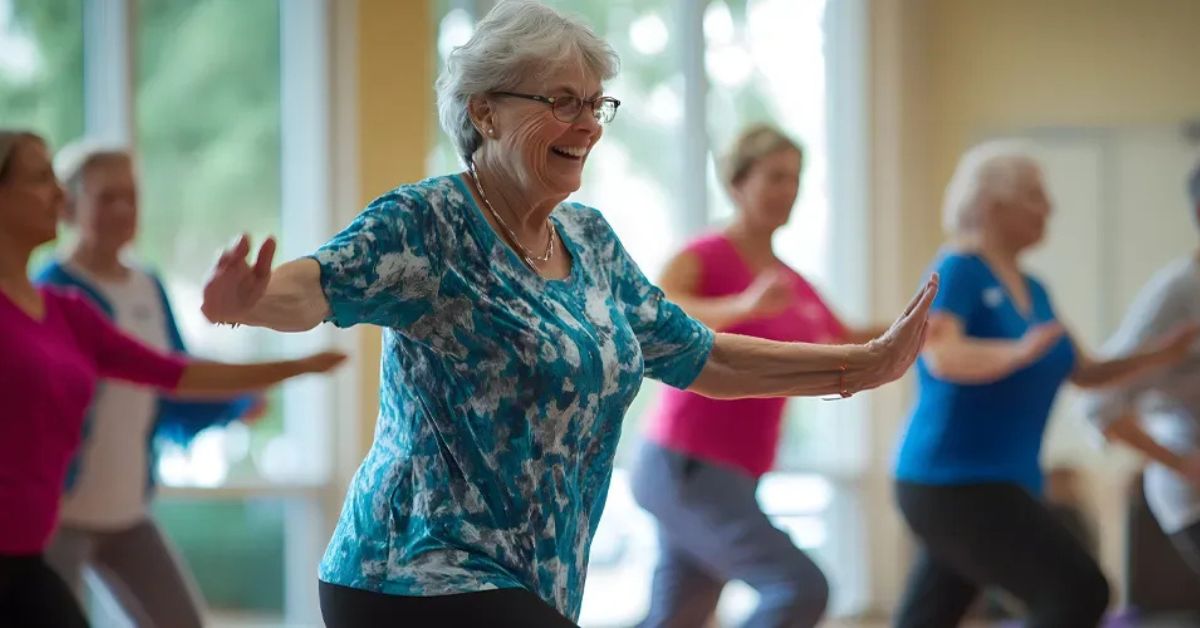
Exercise tips for old women. Maintaining health and vitality as you age requires being active and making regular exercise a part of your routine. You can continue to be active, healthy, and independent far into old age by adhering to these five exercise recommendations: concentrating on low-impact activities, including strength training, giving balance and stability exercises priority, listening to your body, and being consistent and progressively increasing. Before beginning any new fitness regimen, always get medical advice, particularly if you have any pre-existing health issues or concern
EXERCISE TIPS FOR OLD WOMEN
As women age, maintaining a regular exercise routine becomes increasingly important for overall health and well-being. Regular physical activity can help older women maintain strength, flexibility, and mobility, while also reducing the risk of chronic diseases and improving mental health.
1. Focus on Low-Impact Activities;

Low-impact exercises are gentle on the joints and are ideal for older women who may have arthritis or other joint issues. Consider activities such as walking, swimming, cycling, or using an elliptical machine, which provide cardiovascular benefits without putting excessive strain on the joints. Low-impact exercises can help improve cardiovascular health, strengthen muscles, and improve overall fitness levels.
2. Incorporate Strength Training;
Strength training is essential for maintaining muscle mass and bone density, both of which tend to decline with age. Include strength training exercises in your routine at least two to three times per week, focusing on major muscle groups such as the legs, arms, back, and core. You can use resistance bands, dumbbells, or your body weight for resistance exercises such as squats, lunges, bicep curls, and planks.
3. Prioritize Balance and Stability Exercises;

Exercise tips for old women
Maintaining good balance and stability is crucial for preventing falls and maintaining independence as you age. Incorporate balance and stability exercises into your routine to improve coordination and reduce the risk of falls. Simple exercises such as standing on one leg, heel-to-toe walking, and practicing yoga or tai chi can help improve balance and stability over time.
4. Listen to Your Body;
As you age, it’s essential to listen to your body and pay attention to any signs of discomfort or pain during exercise. If you experience pain, dizziness, or shortness of breath, stop exercising and consult with a healthcare professional. Modify exercises as needed to accommodate any physical limitations or health conditions you may have, and always warm up and cool down properly before and after exercise to prevent injury.
5. Stay Consistent and Gradually Progress;

Exercise tips for old women
Consistency is key when it comes to reaping the benefits of exercise. Aim for at least 150 minutes of moderate-intensity aerobic activity per week, along with strength training exercises on two or more days per week. Start slowly and gradually increase the intensity and duration of your workouts as your fitness level improves. Remember that progress may be slower than when you were younger, but staying consistent and patient will yield long-term benefits for your health and well-being.
Summary
To increase bone density, maintain muscle mass, and reduce the risk of falls, concentrate on low-impact activities like Tai Chi, swimming, and brisk walking.

Tips for Hiking. It is one of the best activities in the vast outdoors. The country’s more than 400 national parks offer a variety of hiking choices. Whether you are hiking alone or in a group, be sure to follow the written and unwritten rules of the path. Appropriate hiking behavior promotes respect for other route users and environmental management. The “golden rule,” which argues that you should treat people as you would like to be treated, is the finest advise for hiking.
TIPS FOR HIKING
Walking on natural routes, trails, or unpaved tracks in the countryside or woods is known as hiking. While long-distance or backpacking journeys need several days, day hikes only last a few hours. It lessens stress, increases strength, and enhances heart health.
This is an outdoor recreational activity that involves walking through natural settings. Additionally, it is a type of physical activity and exercise that enhances well-being and health.
Hiking Code Edition;

1. Recognize your rights. Make sure you follow the proper right-of-way yields and consult the trail’s signage before trekking. These are the main rules for yielding on trails; signs may differ depending on the park.
2. Introduce yourself. Give a kind “hello” or a straightforward head nod to other walkers and trail users that you come across. This contributes to the pleasant vibe along the trail. When approaching a fellow hiker from behind, make sure to declare your presence in a composed and kind manner and inform them of your intention to pass.
3. Remain on the path. When surrendering, don’t stray off the path unless it is necessary. Going off route might harm the surrounding ecosystems and cause the extinction of some plant and animal species.

Tips for Hiking
4. Avoid upsetting the wildlife. You need your space, and they need theirs. When you come across wildlife, keep your distance from it.
5. Give listening some time. When trekking in the vast outdoors, allow the natural world to speak for itself.
Summary
Starting on simple routes, packing extra water, wearing comfortable trail runners, and informing someone of your schedule before setting out are all crucial hiking advice.
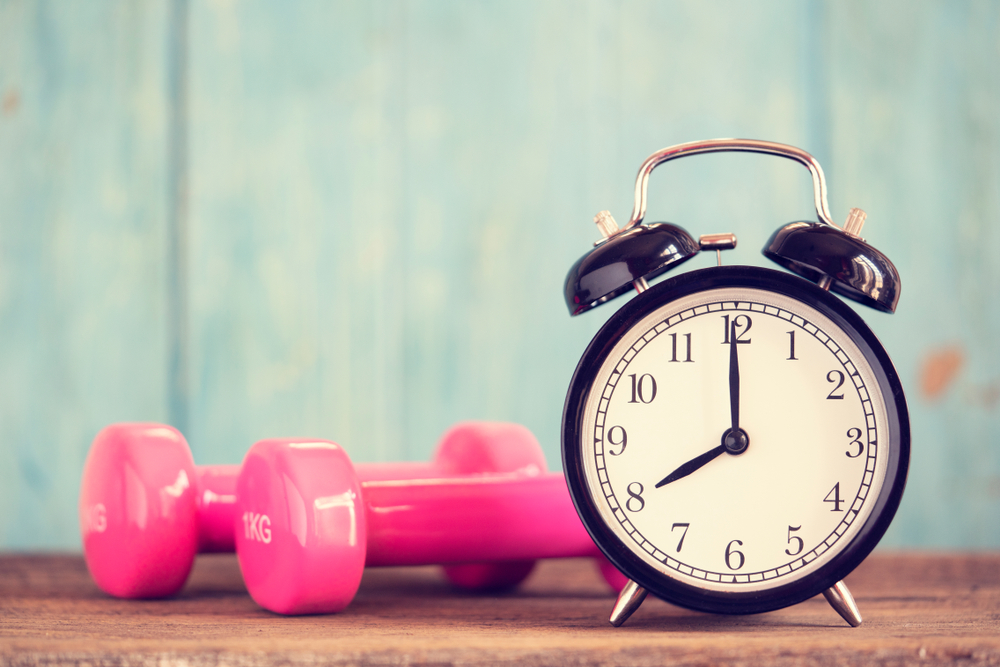
Work Out Time. Our busy schedules may make it difficult to find time for exercise. It can be difficult to find time to squeeze working out in between a hard job, a social life, and binge-watching the newest Netflix marathon, even though we know that it is crucial for our health and wellbeing. However, knowing that coming to the gym at particular times will help us fully achieve our fitness goals might lighten our already hectic schedules.
WORK OUT TIME
Subtract your start time from your end time to determine the precise length of your workout. Use specialized tools, such as the Calculator Soup Hours Calculator, to automatically calculate totals, subtract breaks, and format your timesheets for more complicated schedules.
Best Time for work out;

Morning physical activity: “Exercising in the morning can help boost your metabolism and energy levels throughout the day and be a great way to establish. Workouts in the afternoon: “Doing an afternoon workout can help relieve stress after a long day.” “Plus, body temperature and muscle flexibility tend to peak in the late afternoon making it a good time for more intense workouts.” Exercise in the evening: Exercising in the evening can help you relax and release tension from the day.
Types;
1. Cardiovascular Work You’re breathing and heart rate will increase during aerobic activity, which is beneficial for numerous bodily processes. It improves endurance and works your heart and lungs.

Work Out Time
2. Strength exercises We lose muscle mass as we age. It is rebuilt through strength training. Regular strength training will help you feel more confident and capable of daily tasks like carrying groceries, gardening, and lifting heavier objects around the house.
3. Extending Maintaining flexibility can be achieved through stretching. We frequently forget that when we are younger our muscles are healthier. However, the aging process causes the muscles and tendons to become less flexible.

Work Out Time
4. exercises for balance You feel more stable on your feet and can avoid falls if you can improve your balance. It becomes increasingly crucial as we age because our vision,
Summary
“Work out” can signify a few different things. It could be exercising, figuring out a math issue, fixing a problem, or seeing a plan through to completion.

Aerobic Exercise Tips. Often known as cardiovascular or cardio exercise, is any type of physical activity that works your big muscle groups while raising your heart rate and respiration. Walking, running, swimming, and cycling are a few examples. Maintaining cardiovascular health, increasing stamina, and promoting general wellbeing all depend on regular aerobic exercise.
AEROBIC EXERCISE TIPS
One of the easiest and most accessible cardio activities is walking. To fit your level of fitness, you can adjust the intensity. While jogging is slower than running, it is faster than walking. Jogging is not advised if you have an injury because it puts greater strain on your joints than walking.
Benefits;
Aerobic exercise strengthens the heart muscle, improving its efficiency and reducing the risk of heart disease.
2. Boosts Endurance: Regular cardio workouts enhance your stamina and energy levels, making everyday tasks easier.
3. Supports Weight Management: Aerobic activities burn calories and can aid in weight loss or maintenance when combined with a healthy diet.
4. Enhances Mood:

Exercise releases endorphins, which can elevate your mood and reduce symptoms of anxiety and depression.
Tips for Effective Aerobic Exercise
1. Choose Activities You Enjoy: Whether it’s dancing, hiking, or biking, picking an activity you find fun increases the likelihood of sticking with it.
2. Start Slow: If you’re new to exercise, begin with shorter sessions and gradually increase the duration and intensity as your fitness improves.
3. Warm Up and Cool Down:

Aerobic Exercise Tips
Begin each session with a warm-up to prepare your body and end with a cool-down to help with recovery and flexibility.
4. Mix It Up: To prevent boredom and target different muscle groups, incorporate a variety of aerobic activities into your routine.
5. Stay Consistent: Aim for at least 150 minutes of moderate-intensity aerobic exercise or 75 minutes of vigorous-intensity exercise per week, as recommended by health guidelines.
How to Get Started;

Aerobic Exercise Tips
1. Set Goals: Define what you want to achieve, whether it’s improved fitness, weight loss, or stress reduction. Setting clear goals helps you stay motivated.
2. Create a Schedule: Plan your workouts around your daily routine. Consistency is key, so find a time that works best for you.
3. Monitor Intensity:

Aerobic Exercise Tips
Use a heart rate monitor or perceived exertion scale to ensure you’re working within your target heart rate zone for optimal benefits.
4. Stay Hydrated: Drink plenty of water before, during, and after exercise to stay hydrated and support performance.
5. Listen to Your Body: Pay attention to how your body responds to exercise and make adjustments as needed to prevent injury.
Summary
Your health and quality of life can significantly improve if you incorporate aerobic exercise into your regular routine. You may develop a long-lasting fitness habit and enjoy the many advantages of a heart-healthy lifestyle by using these suggestions and discovering fun hobbies.

Music Recording Apps for Phones

Review of Bandlab Music App

N-Track Studio Review

A Step-by-Step Guide to Deleting Reels on Instagram

A Comprehensive Guide to Setting Up a YouTube Premiere