Exercise
Exercise tips for old women

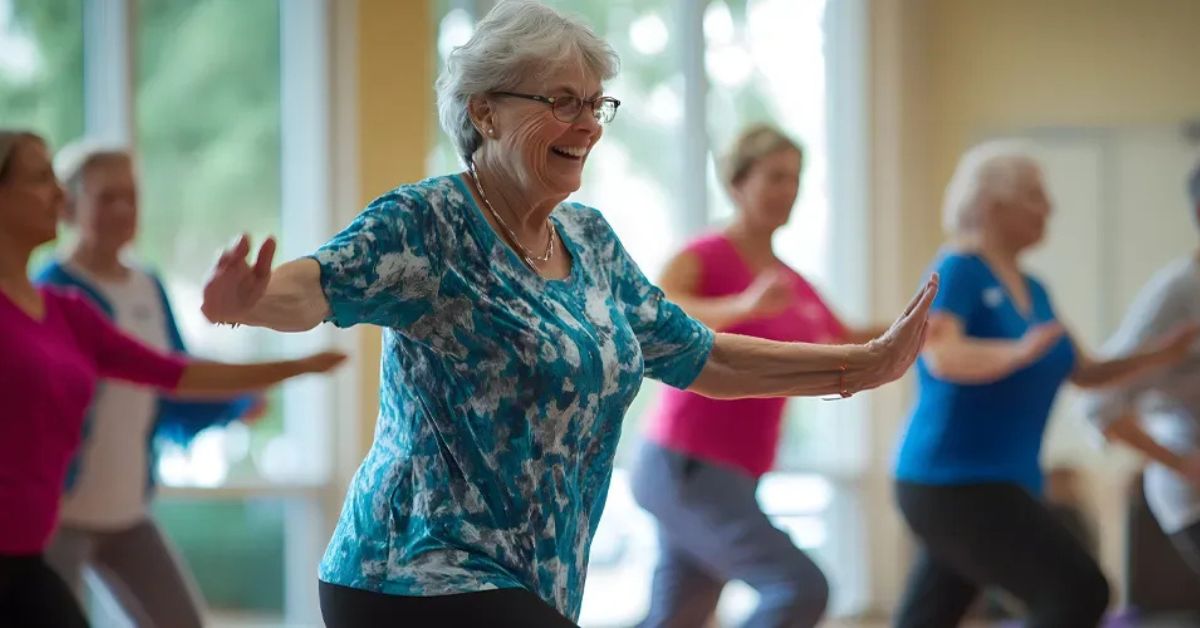
Exercise tips for old women. Maintaining health and vitality as you age requires being active and making regular exercise a part of your routine. You can continue to be active, healthy, and independent far into old age by adhering to these five exercise recommendations: concentrating on low-impact activities, including strength training, giving balance and stability exercises priority, listening to your body, and being consistent and progressively increasing. Before beginning any new fitness regimen, always get medical advice, particularly if you have any pre-existing health issues or concern
EXERCISE TIPS FOR OLD WOMEN
As women age, maintaining a regular exercise routine becomes increasingly important for overall health and well-being. Regular physical activity can help older women maintain strength, flexibility, and mobility, while also reducing the risk of chronic diseases and improving mental health.
1. Focus on Low-Impact Activities;
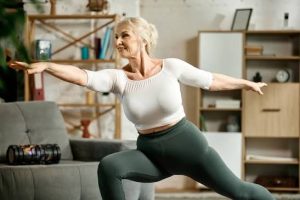
Low-impact exercises are gentle on the joints and are ideal for older women who may have arthritis or other joint issues. Consider activities such as walking, swimming, cycling, or using an elliptical machine, which provide cardiovascular benefits without putting excessive strain on the joints. Low-impact exercises can help improve cardiovascular health, strengthen muscles, and improve overall fitness levels.
2. Incorporate Strength Training;
Strength training is essential for maintaining muscle mass and bone density, both of which tend to decline with age. Include strength training exercises in your routine at least two to three times per week, focusing on major muscle groups such as the legs, arms, back, and core. You can use resistance bands, dumbbells, or your body weight for resistance exercises such as squats, lunges, bicep curls, and planks.
3. Prioritize Balance and Stability Exercises;
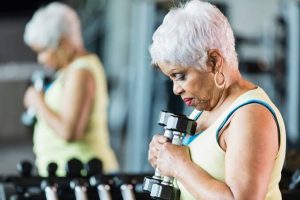
Exercise tips for old women
Maintaining good balance and stability is crucial for preventing falls and maintaining independence as you age. Incorporate balance and stability exercises into your routine to improve coordination and reduce the risk of falls. Simple exercises such as standing on one leg, heel-to-toe walking, and practicing yoga or tai chi can help improve balance and stability over time.
4. Listen to Your Body;
As you age, it’s essential to listen to your body and pay attention to any signs of discomfort or pain during exercise. If you experience pain, dizziness, or shortness of breath, stop exercising and consult with a healthcare professional. Modify exercises as needed to accommodate any physical limitations or health conditions you may have, and always warm up and cool down properly before and after exercise to prevent injury.
5. Stay Consistent and Gradually Progress;
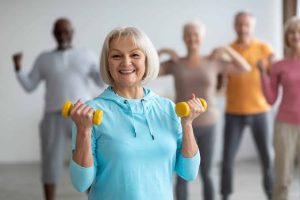
Exercise tips for old women
Consistency is key when it comes to reaping the benefits of exercise. Aim for at least 150 minutes of moderate-intensity aerobic activity per week, along with strength training exercises on two or more days per week. Start slowly and gradually increase the intensity and duration of your workouts as your fitness level improves. Remember that progress may be slower than when you were younger, but staying consistent and patient will yield long-term benefits for your health and well-being.
Summary
To increase bone density, maintain muscle mass, and reduce the risk of falls, concentrate on low-impact activities like Tai Chi, swimming, and brisk walking.

The essence of cardiovascular exercises. Maintaining general health and wellbeing requires cardiovascular exercise. The advantages of aerobic exercise are varied and extensive, ranging from improving physical fitness and mental health to lowering the risk of chronic diseases and strengthening the heart and circulatory system. Achieving and sustaining excellent health throughout your life requires frequent cardiovascular activity.
THE ESSENCE OF CARDIOVASCULAR EXERCISES
Cardiovascular exercise, also known as aerobic exercise, is any activity that raises your heart rate and increases your body’s demand for oxygen. From improved heart health to enhanced mood, the benefits of cardiovascular exercise extend far beyond just physical fitness.
1. Strengthens the Heart and Circulatory System;
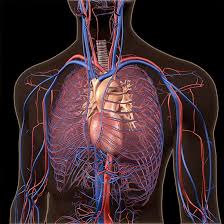
Regular cardiovascular exercise strengthens the heart muscle, improving its ability to pump blood efficiently throughout the body. This helps lower blood pressure, reduce the risk of heart disease, and improve overall cardiovascular health. Additionally, aerobic exercise improves circulation, allowing oxygen-rich blood to reach all parts of the body more efficiently, which promotes better overall health and vitality.
2. Enhances Physical Fitness and Endurance;
Engaging in cardiovascular exercise regularly improves physical fitness and endurance by challenging the cardiovascular system and increasing stamina. Over time, consistent aerobic training leads to improvements in lung capacity, muscle endurance, and overall aerobic fitness. This allows individuals to perform everyday tasks more easily, participate in recreational activities, and enjoy a higher quality of life.
3. Aids in Weight Management and Fat Loss;

The essence of cardiovascular exercises
Cardiovascular exercise is an effective way to burn calories and promote weight loss or weight management. Activities such as running, cycling, swimming, and brisk walking elevate the heart rate and increase calorie expenditure, helping to create a calorie deficit that leads to fat loss. Additionally, regular aerobic exercise can help boost metabolism, increase lean muscle mass, and improve body composition over time.
4. Improves Mental Health and Mood;
Regular cardiovascular exercises has been shown to have numerous mental health benefits, including reducing symptoms of stress, anxiety, and depression. Aerobic exercise stimulates the release of endorphins, neurotransmitters in the brain that act as natural mood lifters and stress relievers. Additionally, engaging in regular physical activity can improve sleep quality, boost self-esteem, and enhance cognitive function, leading to better overall mental well-being.
5. Reduces the Risk of Chronic Diseases;
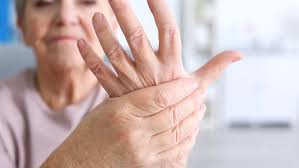
The essence of cardiovascular exercises
Participating in regular cardiovascular exercise can significantly reduce the risk of developing chronic diseases such as heart disease, stroke, type 2 diabetes, and certain types of cancer. Aerobic exercise helps lower blood pressure, improve cholesterol levels, and regulate blood sugar levels, all of which contribute to a reduced risk of chronic disease. Additionally, regular physical activity can help manage existing health conditions and improve overall health outcomes.
Summary
Any prolonged physical activity that raises your heart rate and makes your body use a lot of oxygen is considered cardiovascular exercise, or cardio. Its main goal is to improve the efficiency of oxygen processing and circulation in your heart, lungs, and blood vessels, which will directly enhance your longevity and general physical and mental endurance.
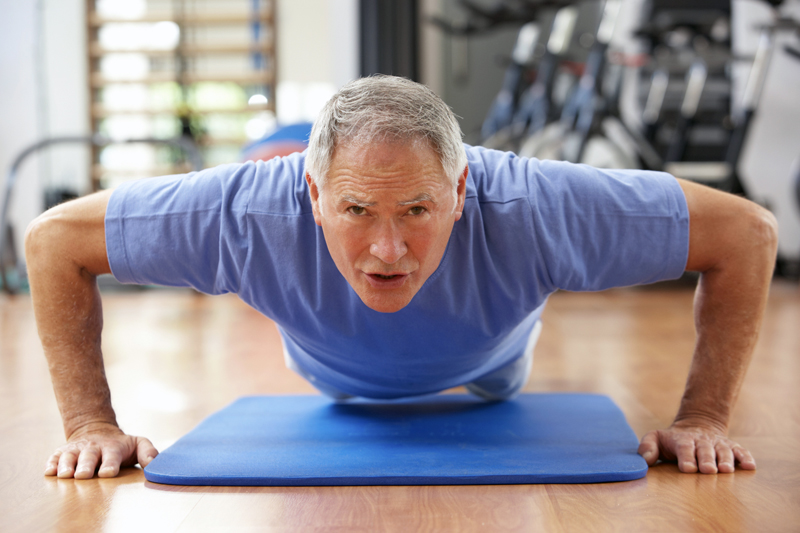
Older men exercise tips. Maintaining your health and energy as you age requires you to continue being physically active. You can remain active, healthy, and strong well into old age by adhering to these five exercise recommendations: emphasizing strength training, adding cardiovascular exercise, concentrating on flexibility and mobility, paying attention to joint health, and listening to your body. Before beginning any new fitness regimen, always get medical advice, particularly if you have any pre-existing health issues or concerns.
OLDER MEN EXERCISE TIPS
The best fitness regimen for elderly men combines strength training, mobility exercises, and low-impact aerobics. Aim for two days of muscular strengthening and 150 minutes of moderate aerobic exercise each week.
1. Prioritize Strength Training;
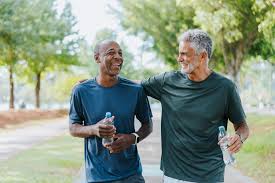
Strength training is crucial for maintaining muscle mass, bone density, and functional strength as you age. Incorporate resistance training exercises into your routine at least two to three times per week, focusing on major muscle groups such as the chest, back, legs, and arms. You can use free weights, resistance bands, or machines to perform exercises such as squats, deadlifts, chest presses, and rows.
2. Include Cardiovascular Exercise;
Cardiovascular exercise is essential for maintaining heart health, improving circulation, and boosting overall fitness levels. Aim for at least 150 minutes of moderate-intensity aerobic activity per week, such as brisk walking, cycling, swimming, or using the elliptical machine. Alternatively, you can engage in high-intensity interval training (HIIT) workouts to challenge your cardiovascular system and burn calories more efficiently.
3. Focus on Flexibility and Mobility;
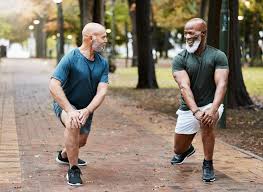
Older men exercise tips
Maintaining flexibility and mobility is key for preventing injuries and maintaining range of motion as you age. Incorporate stretching and mobility exercises into your routine to improve flexibility and reduce stiffness in your muscles and joints. Yoga, Pilates, and tai chi are excellent options for improving flexibility, balance, and body awareness, while also promoting relaxation and stress relief.
4. Pay Attention to Joint Health;
As you age, it’s important to pay attention to your joint health and take steps to protect your joints during exercise. Choose low-impact activities that are gentle on the joints, such as swimming, cycling, or using the elliptical machine. Additionally, perform exercises that strengthen the muscles around your joints to provide support and stability, reducing the risk of injury and joint pain.
5. Listen to Your Body;
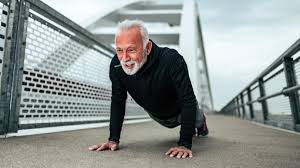
Older men exercise tips
Listen to your body and pay attention to any signs of discomfort or pain during exercise. If you experience pain, dizziness, or shortness of breath, stop exercising and consult with a healthcare professional. Modify exercises as needed to accommodate any physical limitations or health conditions you may have, and always warm up and cool down properly before and after exercise to prevent injury.
Summary
Maintaining physical activity is crucial for men’s general health and vigor as they get older. Frequent exercise lowers the risk of chronic illnesses, enhances mental health, and keeps older men robust and fit. These five workout suggestions are especially designed to support older men in maintaining an active and healthy lifestyle.
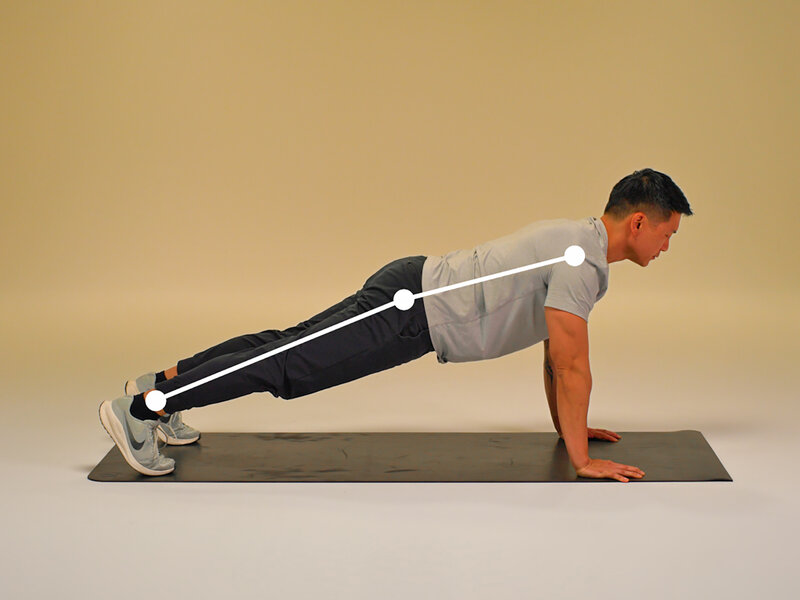
Pushups tips. These are great ways to strengthen your upper body and core. You may maximize your pushup practice and reach your fitness objectives by using variations and progressions along with perfect form. To avoid getting hurt, always pay attention to your body and refrain from pushing through discomfort.
PUSHUPS TIPS
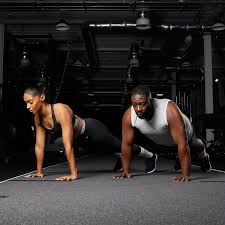
A basic bodyweight exercise that strengthens the upper body and core muscles is the pushup. To get the most out of pushups and avoid injury, good form is essential. Here’s a detailed tutorial on performing pushups correctly:
Preparation and Setup
1. Find a Suitable Surface:
• Choose a flat, stable surface, such as a mat or floor, to perform your pushups.
2. Warm Up:
• Perform a light warm-up to prepare your muscles and joints. Consider doing dynamic stretches or light cardio for 5-10 minutes.
Starting Position;
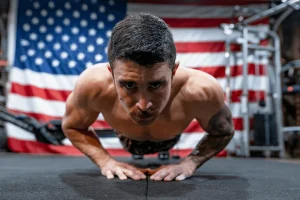
1. Hands and Feet Placement:
– Place your hands slightly wider than shoulder-width apart on the floor.
– Your fingers should be pointing forward, and your wrists aligned under your shoulders.
– Extend your legs straight back, with your feet together or slightly apart for stability.
– Your body should form a straight line from your head to your heels, avoiding any sagging or arching of the back.
2. Engage Core Muscles:
– Tighten your core muscles to keep your body rigid.
– Maintain a neutral neck position by looking slightly ahead of you, not down.
Performing the Pushups
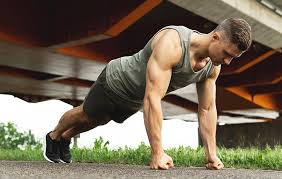
1. Lowering Phase:
– Inhale as you begin to lower your body.
– Bend your elbows and keep them at a 45-degree angle to your body, not flaring out to the sides.
– Lower your chest towards the floor, keeping your body in a straight line.
– Aim to bring your chest just above the floor, with your elbows at about a 90-degree angle.
2. Pushing Up Phase:
– Exhale as you push through your hands to straighten your arms and return to the starting position.
– Keep your core engaged and maintain the straight line from head to heels throughout the movement.
– Avoid locking your elbows at the top of the movement.
Tips for Proper Form;
– Breathing: Inhale on the way down and exhale on the way up to ensure proper oxygen flow and core engagement.
– Controlled Movement: Perform the movement slowly and with control to maximize muscle engagement and prevent injury.
– Body Alignment: Keep your body in a straight line, avoiding any sagging of the hips or arching of the back.
– Elbow Position: Keep your elbows at a 45-degree angle to your body to protect your shoulder joints.
Modifications and Variations of pushups;
Pushups tips
1. Knee Pushups:
– If standard pushups are too challenging, start with knee pushups.
– Begin in the same position but lower your knees to the ground while keeping your body straight from head to knees.
– Perform the pushup movement as described.
2. Incline Pushups:
– Perform pushups with your hands on an elevated surface, such as a bench or step.
– This reduces the amount of body weight you need to lift, making it easier.
3. Decline Pushups:
– Place your feet on an elevated surface while keeping your hands on the ground.
– This increases the difficulty by adding more body weight to the movement.
4. Wide-Grip Pushups:
Pushups tips
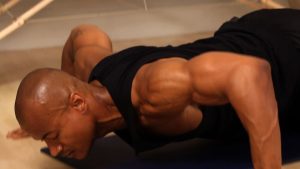
– Place your hands wider than shoulder-width apart to target the chest muscles more intensely.
5. Diamond Pushups:
– Place your hands close together under your chest, forming a diamond shape with your thumbs and index fingers.
– This variation targets the triceps and inner chest.
Summary
Push-ups must be treated as a moving plank in order to be mastered. Maintaining a firm core, tucking your elbows at a 45-degree angle, and using your entire range of motion are the most important pointers for optimal form and injury avoidance.

Agricultural sector of the economy

Agricultural forms

Tips for successful proofreading

A Step-by-Step Guide to Deleting Reels on Instagram

A Comprehensive Guide to Setting Up a YouTube Premiere