Health
Facts about PCOS

Facts about PCOS. It is a complex condition that necessitates an all-encompassing management strategy. Many people with PCOS can successfully control their symptoms and retain a high quality of life with the right care and lifestyle modifications. Navigating PCOS and resolving its related issues requires speaking with a healthcare professional for individualized guidance and assistance.
FACTS ABOUT PCOS
A prevalent hormonal condition that affects women of reproductive age is called polycystic ovarian syndrome, or PCOS. PCOS can affect many facets of health and well-being and is characterized by a variety of symptoms. Although not all women with PCOS have these cysts, the disorder gets its name from the tiny, fluid-filled sacs or cysts that form on the ovaries.
Symptoms;
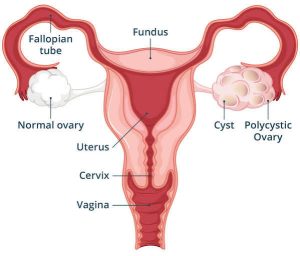

PCOS presents with a variety of symptoms, which can vary in severity. Common signs include:
– Irregular Periods: Women with PCOS often experience irregular or absent menstrual cycles.
– Excess Androgen Levels: Elevated levels of male hormones can lead to symptoms such as excessive facial or body hair (hirsutism), acne, and oily skin.
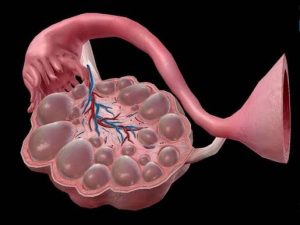
– Polycystic Ovaries:
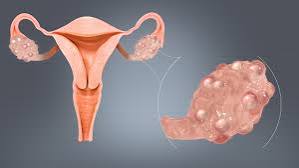

Enlarged ovaries with multiple small cysts can be observed through ultrasound.
– Weight Gain: Many women with PCOS struggle with weight management and may experience difficulty losing weight.
Causes and Risk Factors;
The exact cause of PCOS is unknown, but it is believed to involve a combination of genetic and environmental factors. Insulin resistance, where the body does not use insulin effectively, is commonly associated with PCOS and may contribute to the development of the condition.
Diagnosis;

FACTS ABOUT PCOS
PCOS is typically diagnosed based on clinical symptoms, medical history, and imaging studies, such as pelvic ultrasound. Blood tests may also be conducted to measure hormone levels and assess insulin resistance.
Management and Treatment;
While there is no cure for PCOS, the condition can be managed with a combination of lifestyle changes and medical treatments:
– Lifestyle Changes: A balanced diet, regular exercise, and weight management can help regulate menstrual cycles and improve insulin sensitivity.
– Medications: Hormonal contraceptives (like birth control pills) can help regulate periods and reduce androgen levels. Other medications, such as metformin, may be used to address insulin resistance and manage blood sugar levels.
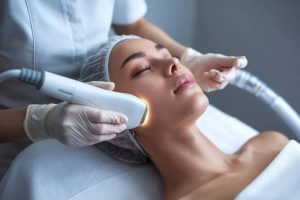
– Hair Removal Treatments:

FACTS ABOUT PCOS
Options like topical treatments, laser therapy, or electrolysis can help manage unwanted hair growth.
Long-Term Considerations;
PCOS can increase the risk of developing other health conditions, including type 2 diabetes, cardiovascular disease, and infertility. Regular monitoring and proactive management are crucial for reducing these risks and maintaining overall health.
Summary
Higher than normal androgen levels cause irregular menstrual cycles, irregular ovulation, infertility, excess facial or body hair, and/or acne in women with polycystic ovarian syndrome (PCOS), a common hormonal disease.