
Food
Food Allergies


Food allergies. These are triggered by your immune system trying to protect you from something it wrongly thinks is harmful. Eating foods you’re allergic to can trigger rashes, airway swelling, trouble breathing, vomiting and dangerously low blood pressure. If you have severe food allergy symptoms, go to the emergency room.
FOOD ALLERGIES
Food allergies occur when your body reacts to a food that it believes to be dangerous. It may cause hives, swelling, upset stomach, and trouble breathing in an attempt to protect you. anaphylaxis, which is brought on by food allergies, can result in severe blood pressure drops or airway edema. If you have swelling in your face, mouth, or throat, have trouble breathing or swallowing, or feel faint, or go to the emergency room right away.
Symptoms

Food allergy symptoms include:
Skin rash or hives
Itchy skin
swelling in your mouth, lips, tongue, or face
The throat and mouth are itchy.
Hoarse voice
Having trouble swallowing
Wheezing
Shortness of breath or trouble breathing
Coughing
Pain in the abdomen
Vomiting
Diarrhea
Causes
Your immune system incorrectly perceives a food protein as dangerous (as if it were a virus or bacteria) when you have a food allergy. When you consume an allergen, your body starts to flush the allergen out of your system and activate defense mechanisms. This results in your symptoms, which can occasionally be fatal.
Treatment

Avoiding your allergen is the best method to manage food allergies. However, some treatments, such as injections and oral and sublingual immunotherapy programs, may lower your risk of experiencing an allergic reaction. Emergency drugs, such as epinephrine, should also be kept on hand in case you inadvertently consume something that contains the food to which you are allergic.
Injections of omalizumab
Once or twice a month, your doctor administers omalizumab (Xolair®) injections to you, or they can teach you how to do it on your own. In the event that you are unintentionally exposed to a food to which you are allergic, it can lessen the likelihood that you will experience a reaction.
Immunotherapy taken orally
A regimen called oral immunotherapy (OIT) can help you or your kid develop a tolerance to a food allergen. Over the course of several months, your provider will give you progressively higher doses of your allergen. The objective is to become “bite-proof,” meaning that even if you are unintentionally exposed to trace amounts of the food you are allergic to, you won’t react. Some people can easily eat food they were once allergic to after OIT.
Immunotherapy under the tongue
Similar to OIT, sublingual immunotherapy (SLIT) involves daily exposure to a little quantity of your allergen in order to build tolerance. Instead of eating the meal you’re allergic to, you slip a liquid or tablet beneath your tongue and let it dissolve.
Prevention

Ask your baby’s healthcare provider when and how to introduce new foods; depending on your child’s other medical conditions, they may advise introducing allergens earlier or under a provider’s supervision. If you’re breastfeeding, include peanuts and other common allergens in your regular diet (as long as you’re not allergic to them yourself). Once you’ve safely introduced your child to potential allergens, keep feeding them a variety of foods that they aren’t allergic to, such as milk, eggs, and nuts, as this may lower their chance of developing an allergy later on.
Summary
Food allergies can catch you off guard, whether your child has them or you have just received a diagnosis. Thinking about what you or your child will be able to eat, how you’ll manage to avoid certain foods, and whether you’ll ever be able to eat in a restaurant again can be overwhelming and worrying. However, the persistent worry is temporary for the majority of people.








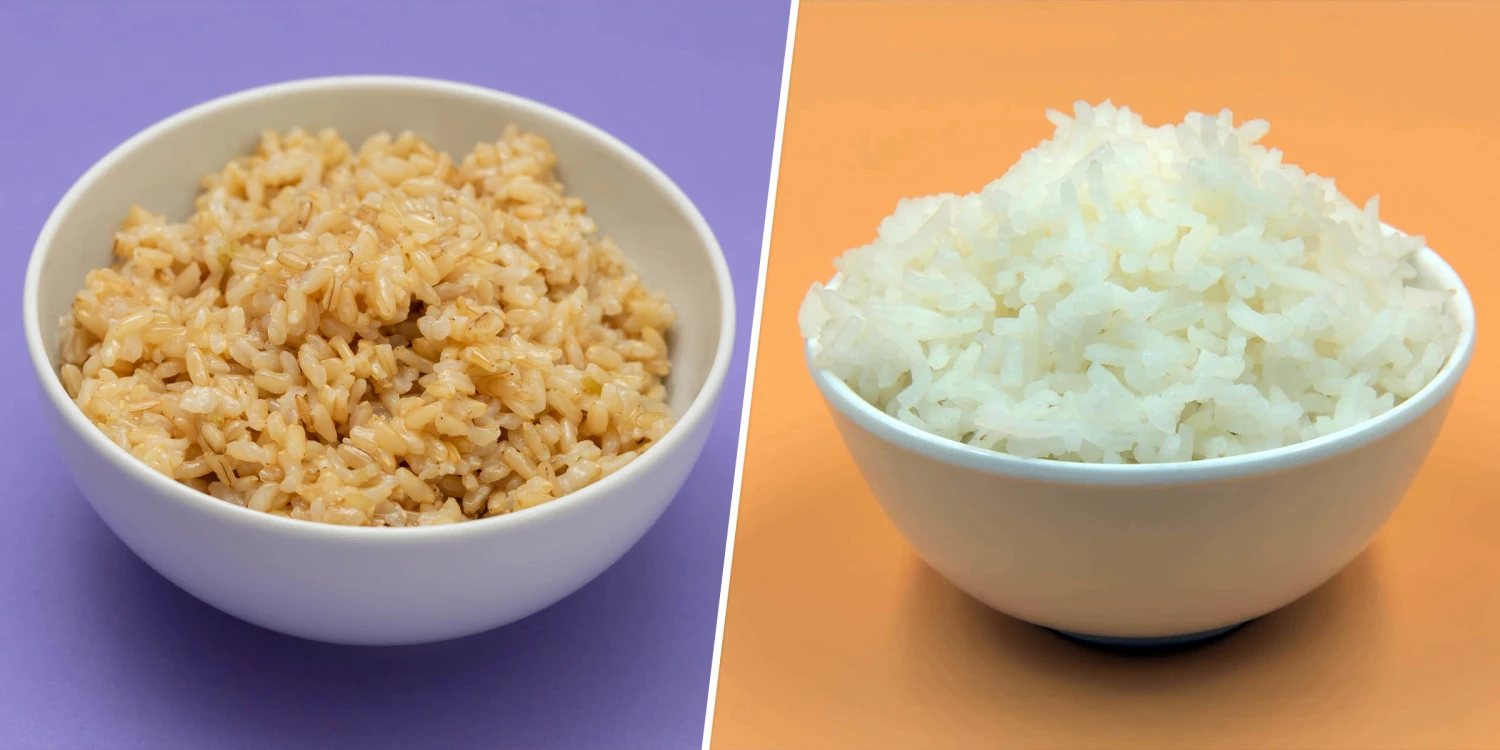
White and brown rice relevance. As a nutrient-dense, whole-grain substitute for refined white rice, brown rice is very relevant and offers several health advantages, such as better heart health, blood sugar regulation, and weight management. Brown rice preserves these nutrient-rich layers, giving it more fiber, vitamins, and minerals than white rice, which loses its bran and germ during processing.
WHITE AND BROWN RICE RELEVANCE
For billions of people worldwide, white rice is a staple diet that offers rapid energy, affordability, and vital elements like B vitamins. Despite having less fiber and nutrients than whole grains, it is a crucial economic crop, very adaptable in the kitchen, and easy to digest.
Difference between White And Brown Rice;
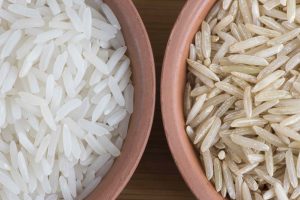
Rice (Oryza sativa) is one of the oldest cereal grains in the world. It contains carbohydrates, which provide energy to the body, but can raise blood sugar. People typically categories rice into two types: white or brown.
People have grown the grain for at least 5,000 years. It is a staple food for than Half Trusted Source of the world’s population, and 90% of the world’s rice comes from Asia.
There are thousands of types of rice, but depending on how producers process them, they fit into two groups: white or brown (whole grain).
White Rice;
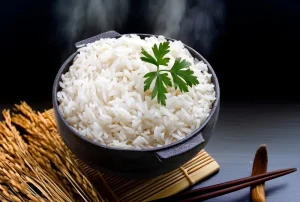
White and brown rice relevance
White rice is the most common type, though brown rice offers more health benefits. Brown rice comes in a variety of shades, including reddish, purplish, or black. It has more fiber, which helps support gut health and reduce inflammation.
Brown rice is an intact whole grain, containing both the bran and the germ, which are the most nutritious parts of the grain. They contain fiber, vitamins, minerals, and antioxidants
Brown rice contains several heart healthy components, such as minerals, antioxidants, lignans, and dietary fiber.
Eating high fiber rice as a substitute for white rice may aid weight loss, along with a decrease in cholesterol.
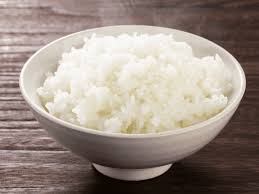
White and brown rice relevance
Difference between White and Brown rice
1) Brown rice contains several other plant compounds that research has linked with health benefits.
White rice is a poor source of antioxidants and other plant compounds. Pigmented rice, including red grained varieties such as purple rice , is particularly rich in antioxidants.
2) Brown rice is a whole grain that contains the bran and germ. These provide fiber and several vitamins and minerals.
Summary
These components have been eliminated from white rice, a refined grain that cooks more quickly and is softer. Two staple foods with different nutritional profiles and roles in a balanced diet are brown and white rice. Because of its retained bran and germ layers, brown rice is said to be more nutrient-dense, including more fiber, magnesium, and antioxidants, making it a superior option for blood sugar regulation and heart health. Refined and frequently fortified, white rice has less fiber, is simpler to digest, and provides quick energy, making it a good choice for people with digestive sensitivity or athletes who need fast-acting carbs.

Eggs consumption and health conditions. Despite having a high dietary cholesterol content, eggs are nutrient-dense, including high-quality protein, choline, and antioxidants (lutein/zeaxanthin) that promote eye health. Eating up to one egg a day is usually regarded as safe for the majority of healthy persons and is not linked to an increased risk of cardiovascular disease (CVD). However, excessive intake may be associated with diabetes, elevated cholesterol, or, according to some research, a higher risk of heart failure and death, especially in people with pre-existing illnesses.
EGGS CONSUMPTION AND HEALTH CONDITIONS
Eggs are a staple in many diets worldwide, prized for their versatility, nutritional value, and delicious taste. However, for some individuals, enjoying eggs can be a challenge due to a common health condition: egg allergies. In this blog post, we’ll delve into the world of egg allergies, exploring why this health condition doesn’t support eating eggs and what individuals with egg allergies need to know to stay safe and healthy.
Egg Allergies:

A Common Concern Egg allergies are relatively common, especially among children, affecting approximately 1-2% of young children. An egg allergy occurs when the body’s immune system mistakenly identifies proteins found in eggs as harmful invaders and mounts an allergic response. This can lead to a range of symptoms, from mild itching or hives to severe reactions such as difficulty breathing, swelling of the face or throat, and anaphylaxis.
Why Eggs Can’t Be Enjoyed
For individuals with egg allergy, eating eggs or foods containing eggs can trigger allergic reactions, ranging from mild discomfort to life-threatening emergencies. Even a tiny amount of egg protein can provoke a reaction in sensitive individuals, making it crucial to avoid eggs and products containing eggs altogether. This includes baked goods, processed foods, and dishes that may contain hidden egg ingredients.
Navigating Egg Allergies:

Tips for Safety and Well-being
Living with an egg allergy requires careful attention to food labels, ingredient lists, and cross-contamination risks. Here are some essential tips for individuals with egg allergies to stay safe and healthy:
1. Read Labels Carefully:
Always read food labels carefully to identify potential egg ingredients or allergen warnings. Look for terms such as “egg,” “albumin,” “ovalbumin,” “globulin,” or “lecithin,” which may indicate the presence of egg protein.
2. Communicate Clearly:

When dining out or attending social gatherings, communicate your egg allergy to restaurant staff, chefs, and hosts. Ask about ingredient substitutions or allergen-free options to ensure a safe dining experience.
3. Be Prepared:
Carry emergency medications, such as epinephrine auto-injectors (e.g., EpiPen), at all times in case of accidental exposure to eggs and anaphylactic reactions. Educate family members, friends, and caregivers on how to recognize and respond to allergic reactions.
4. Explore Egg-Free Alternatives:

Eggs consumption and health conditions
Fortunately, there are plenty of egg-free alternatives available, including plant-based egg substitutes, such as tofu, chickpea flour, or commercial egg replacers. Experiment with these alternatives in cooking and baking to enjoy your favorite recipes without eggs.
5. Seek Support:

Eggs consumption and health conditions
Joining support groups or online communities for individuals with food allergies can provide valuable resources, advice, and emotional support. Connect with others who understand the challenges of living with egg allergies and share tips for managing daily life.
Summary
Although many people find eggs to be a healthy and adaptable diet, those who are allergic to eggs may face serious concerns. For the safety and wellbeing of people with this illness, it is crucial to comprehend the nature of egg allergy, exercise caution when choosing foods, and take proactive steps to avoid exposure. People with egg allergies can live happy, healthy lives and navigate daily life with confidence if they are aware, prepared, and supported.

Turmeric paste benfits. Because of its high curcumin content, turmeric paste—which is mostly formed from turmeric powder, fat (oil/ghee), and black pepper—offers strong anti-inflammatory and antioxidant properties. Reducing joint pain and arthritis symptoms, enhancing skin health (acne/inflammation), increasing immunity, facilitating digestion, and maybe reducing the risk of heart disease are some of the main advantages.
TURMERIC PASTE BENEFITS
The golden-hued spice known for its culinary applications, turmeric, has gained popularity in the field of holistic health as well as in kitchens. Making turmeric paste is one of the inventive methods to use turmeric in your wellness regimen. In order to fully utilize the potential health benefits of this colorful spice, we’ll explore the advantages, applications, and methods for making turmeric paste in this article.
Understanding Turmeric’s Potential
Turmeric, scientifically known as Curcuma longa, has long been utilized in traditional medicine, particularly in Ayurveda and traditional Chinese medicine. Curcumin, the main ingredient in turmeric, is the key to many of its possible health advantages. Strong anti-inflammatory, antibacterial, and antioxidant characteristics are known for curcumin.
The Benefits of Turmeric Paste
1. Anti-Inflammatory Properties:

• The benefits of using turmeric paste to reduce inflammation are well-known. Turmeric paste has the potential to be a natural cure since curcumin has anti-inflammatory properties and chronic inflammation is associated to a number of health issues.
2. Antioxidant Boost:
• The high antioxidant content in turmeric contributes to neutralizing free radicals in the body, providing protective benefits against oxidative stress.
3. Wound Healing:

• Turmeric has been used topically for wound healing. Applying turmeric paste to minor cuts and abrasions may aid in the healing process.
4. Gum Health:
• Turmeric’s antimicrobial properties may benefit oral health. Applying turmeric paste to gums or using it in oil pulling is believed to help combat bacteria and promote gum health.
Making Turmeric Paste at Home
Ingredients:
 – A cup and half of turmeric powder
One cup of water• 1.5 teaspoons of black pepper (to enhance curcumin absorption)• 1/4 cup of coconut oil
Instructions:
1. Mix Turmeric and Water:
• In a pan, combine turmeric powder and water, stirring over low heat until a thick paste forms.
2. Add Black Pepper:
• Incorporate black pepper into the paste, as it enhances the absorption of curcumin.
3. Introduce Coconut Oil:

turmeric paste benefits
• Finally, add coconut oil and continue stirring until well blended. Coconut oil provides healthy fats that further support curcumin absorption.
4. Cool and Store:
• Allow the mixture to cool and transfer it to a jar for storage in the refrigerator. One can store turmeric paste for a couple of weeks.
Creative Ways to Use Turmeric Paste
1. Golden Milk:
• Mix turmeric paste into warm milk, creating the popular “golden milk.” Add honey or a sweetener of your choice for a soothing and nutritious beverage.
2. Smoothies:

turmeric paste benefits
• Blend turmeric paste into your morning smoothie for an antioxidant-rich kick.
3. Topical Applications:
• Apply turmeric paste directly to the skin for wound healing or create a turmeric face mask for a natural skincare remedy.
4. Gum Health:

turmeric paste benefits
• Use turmeric paste for oil pulling or apply it directly to gums to potentially support oral health.
Turmeric paste offers a flavorful and versatile way to incorporate the health benefits of turmeric into your daily routine.. Stay tuned for more updates.
Summary
Even while turmeric is usually regarded as safe, you should speak with a healthcare provider, particularly if you use medication or have underlying medical concerns. Discover the potential of turmeric paste to boost general health and energy and embrace its golden sweetness as a lovely addition to your wellness path.

Exam success tips for waec

Tips for jamb success

Plastic water bottle hazards

A Step-by-Step Guide to Deleting Reels on Instagram

A Comprehensive Guide to Setting Up a YouTube Premiere

How to Create a WhatsApp Group
-

 Social media2 weeks ago
How to Delete Reels on IG
-

 Social media1 week ago
Tips for likes and Followers on Facebook
-

 Social media1 week ago
Guidelines for Creating a Facebook Page
-

 Photography1 week ago
Photography and Outdoors
-

 Social media1 week ago
Tips on how to Archive Instagram Post
-

 Social media2 weeks ago
Guidelines for Uploading Videos on Youtube