
Speech
Free Speech Obstacles


Free Speech Obstacles. This is the ability to express ideas, opinions, and information without fear of censorship, retaliation, or persecution. Free speech is the ability to express ideas and information without worrying about censorship, retaliation, or persecution.
FREE SPEECH OBSTACLES
A fundamental human right, free speech permits people to voice their thoughts, beliefs, and opinions without hindrance or censure from the state.
Core principles:

1. Speaking or non-speaking: Communication that is free from restrictions.
2. Unrestrained communication: Free-flowing conversation and argument.
3. Safeguard against censorship: Intervention by the state or establishment.
Types of free speech:
1. Political speech: Discussion of public policy, governance, and issues.
2. Creative expression: artistic, musical, and literary creations.
3. Advertising, marketing, and business communication are examples of commercial speech.
4. Social speech includes posts on the internet and daily discussions.
Challenges:

1. Freedom of expression as a value.
2. It is generally believed that greater freedom of expression is better than less. It is a metric that may be applied to evaluate both public and private institutions.
3. Freedom of expression is a fundamental right. • This maintains that the state’s non-interference with the right to free speech is related.
The right to freedom of expression is a duty. This contends that the government ought to take proactive measures to protect a person’s right to free speech against interference from other people and institutions. The European Court of Human Rights is gradually embracing this idea, which it refers to as “the theory of horizontal fundamental rights.
The right to free speech is a competing one. This contends that the freedom of expression of one person infringes upon the freedom of expression of others. People can use their rights as a weapon against other people.
Importance of free speech:

1. Encourages civic involvement and democracy.
2. Promotes debate and critical thinking.
3. Promotes originality and inventiveness.
4. Safeguards dissent and minority opinions.
5. Promotes individual liberty and self-expression.
Limits to free speech:

Free Speech Obstacles
1. Instigation of violence or harm.
2. Discrimination or hate speech.
3. Libel or defamation.
4. obscene or pornographic content.
5. Fears about national security.
Summary
Government overreach, business content filtering, and cultural or legal limitations on expression are all barriers to free speech.

Speech Tips. Writing a speech involves preparing a message to deliver orally to an audience. Speeches can be delivered to commemorate a special event, such as a wedding, to inform the audience on a topic, or to persuade them to do a certain action, such as donating to a worthy cause. Put another way, you may have to deliver a speech to your friends and family in your personal life or to your coworkers at work.
SPEECH TIPS
Knowing your audience, organizing your speech with a distinct beginning, middle, and end, and practicing aloud are all important components of a great speech. To keep people listening, speak slowly, maintain eye contact, and use basic language.
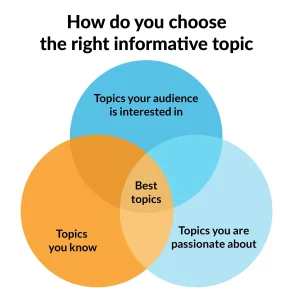
1. Choose an important topic

Selecting a speech topic is the first stage in creating one. Even though you may already have a general idea or topic in mind, it might be helpful to focus your speech on a few key points, distinct objective to keep the audience interested.
2. Consider your audience
When choosing how to approach a topic, the audience is the most important consideration. Take a moment to think about the following: • What prior knowledge does the audience have on the topic? • What information might they need to know about the topic?
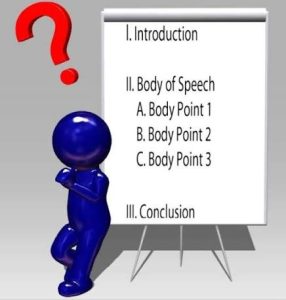
3. Prepare a structure
Speech Tips
Organizing your thoughts into a coherent framework is a crucial component of crafting a successful speech. Make a list of the logical steps you plan to take to cover each point.
4. Begin with a strong point
Also, It is normally best to use the initial few minutes of a speaker to get the attention of the audience. Write a single line that sums up the main point or goal of your speech and uses it to start your presentation.
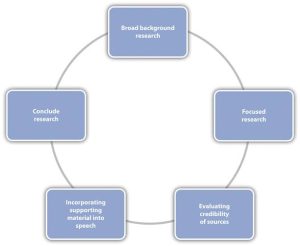
5. Use concrete details and visual aids
Speech Tips
To bolster your arguments, include specific examples. You can captivate your audience and effectively communicate the truth of your objective by using succinct anecdotes, compelling examples. To better bolster your communication, think about utilizing visual aids. 14 Strategies for Developing Your Oratory Skills
Summary
Knowing your audience, organizing your speech with a distinct beginning, middle, and end, and practicing aloud are all important components of a great speech. To keep people listening, speak slowly, maintain eye contact, and use basic language.

Ted Talk Tips. Tips for giving a Ted Talk. Psychologists and graduate students are frequently required to give presentations in front of large crowds, whether in a community setting, at a gathering, or in a classroom. But there are a few common risks to avoid, like looking at your notes instead of your audience or coming across as chaotic.Some people are more adept at public speaking than others.
TED TALK TIPS
Talk shows are radio or television programs in which a host conducts interviews with well-known guests or facilitates conversations with panels and regular people. These programs typically concentrate on particular subjects, such as social issues, politics, entertainment, or lifestyle. Even live audiences and interactive phone calls are an element of many styles.
What Is A Ted Talk?

TED Talks are an excellent opportunity to learn from professionals in a variety of industries. You can look through the collection of TED lectures and presenters to learn more about subjects like leadership, contentment, and creativity.
1.As you prepare your presentation, bear in mind the audience. Who will be the primary audience other psychologists, medical professionals, members of other professional associations, students, or consumers? What is it they require and desire to hear? Understanding your audience will help you customize your speech and maintain their interest.
2.If you’re giving a talk to a public audience, keep it simple. “People often give presentations that their audience doesn’t understand,” the saying goes.

Ted Talk Tips
3.Give connections more weight than substance. Instead of starting your speech with the topic, start it with something emotive to keep the audience interested. Make sure you know exactly what you want the audience to take away from your discussion, and utilize that intention to guide the framework of your talk.
4.Have sincerity. It’s common for presenters to want to sound more like someone they admire than to be authentic. However, communicating with an audience effectively requires sounding like you and speaking in daily terms.
More Steps;

Ted Talk Tips
5.Vary up the way you present. Individuals acquire knowledge through diverse means; listening alone is not always sufficient. Using anecdotes to engage an audience can be very successful. If you’re joking about and making light of yourself, it might be a story about you. TED Talks, the Official TED Guide to Public Speaking.
Summary
Give a compelling TED Talk by concentrating on a single key concept. Use an unexpected tale or query to grab the audience’s attention. Don’t use jargon and speak in a conversational manner. Slides should be straightforward and visually appealing. Above all, adhere to the 18-minute time limit.


Tips for making speeches. Writing a speech involves preparing a message to deliver orally to an audience. Speeches can be delivered to commemorate a special event, such as a wedding, to inform the audience on a topic, or to persuade them to do a certain action, such as donating to a worthy cause. Put another way, you may have to deliver a speech to your friends and family in your personal life or to your coworkers at work.
TIPS FOR MAKING SPEECHES
Understanding your audience, establishing a clear goal, and rationally organizing the content with a compelling hook and, when feasible, storytelling are all essential components of effective speeches. Important advice is to practice a lot, use conversational language, maintain natural body language, and keep the presentation brief. Building trust involves making eye contact with the audience and relying less on notes.
1. Choose an important topic;
Selecting a speech topic is the first stage in creating one. Even though you may already have a general idea or topic in mind, it might be helpful to focus your speech on a few key points, distinct objective to keep the audience interested.
2. Consider your audience;

When choosing how to approach a topic, the audience is the most important consideration. take a moment to think about the following: • What prior knowledge does the audience have on the topic? • What information might they need to know about the topic?
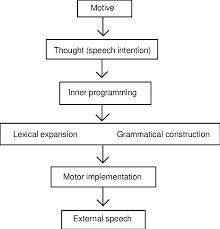
3. Prepare a structure;
Tips for making speeches
Organizing your thoughts into a coherent framework is a crucial component of crafting a successful speech. Make a list of the logical steps you plan to take to cover each point.
4. Begin with a strong point;

Also, It is normally best to use the initial few minutes of a speaker to get the attention of the audience. Write a single line that sums up the main point or goal of your speech and uses it to start your presentation.
5. Use concrete details and visual aids;
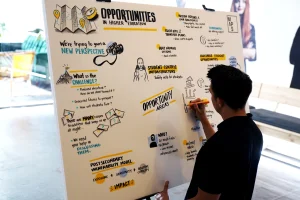
Tips for making speeches
To bolster your arguments, include specific examples. You can captivate your audience and effectively communicate the truth of your objective by using succinct anecdotes, compelling examples. To better bolster your communication, think about utilizing visual aids. 14 Strategies for Developing Your Oratory Skills
Summary
Speeches are official or informal spoken statements intended to educate, convince, amuse, or commemorate important events. They are an essential communication tool for influencing the feelings, ideas, or behavior of an audience. Informational, persuasive, amusing, demonstrative, and speeches for special occasions are important categories.

The Causes of Political Apathy

Child Neglect and Causes

Environment Care Tips

A Step-by-Step Guide to Deleting Reels on Instagram

A Comprehensive Guide to Setting Up a YouTube Premiere

How to Create a WhatsApp Group
-

 Business3 weeks ago
How to Promote your Business
-

 Fashion3 weeks ago
Fashion Guide for Beginners
-

 Business3 weeks ago
Tips for Running Online Business
-

 Business2 weeks ago
Business Name Selection Tips
-

 TECHNOLOGY3 weeks ago
Artificial Intelligence and the Future
-

 Business1 week ago
Customers Satisfaction