
Fruits
Fruits Rich in Fiber

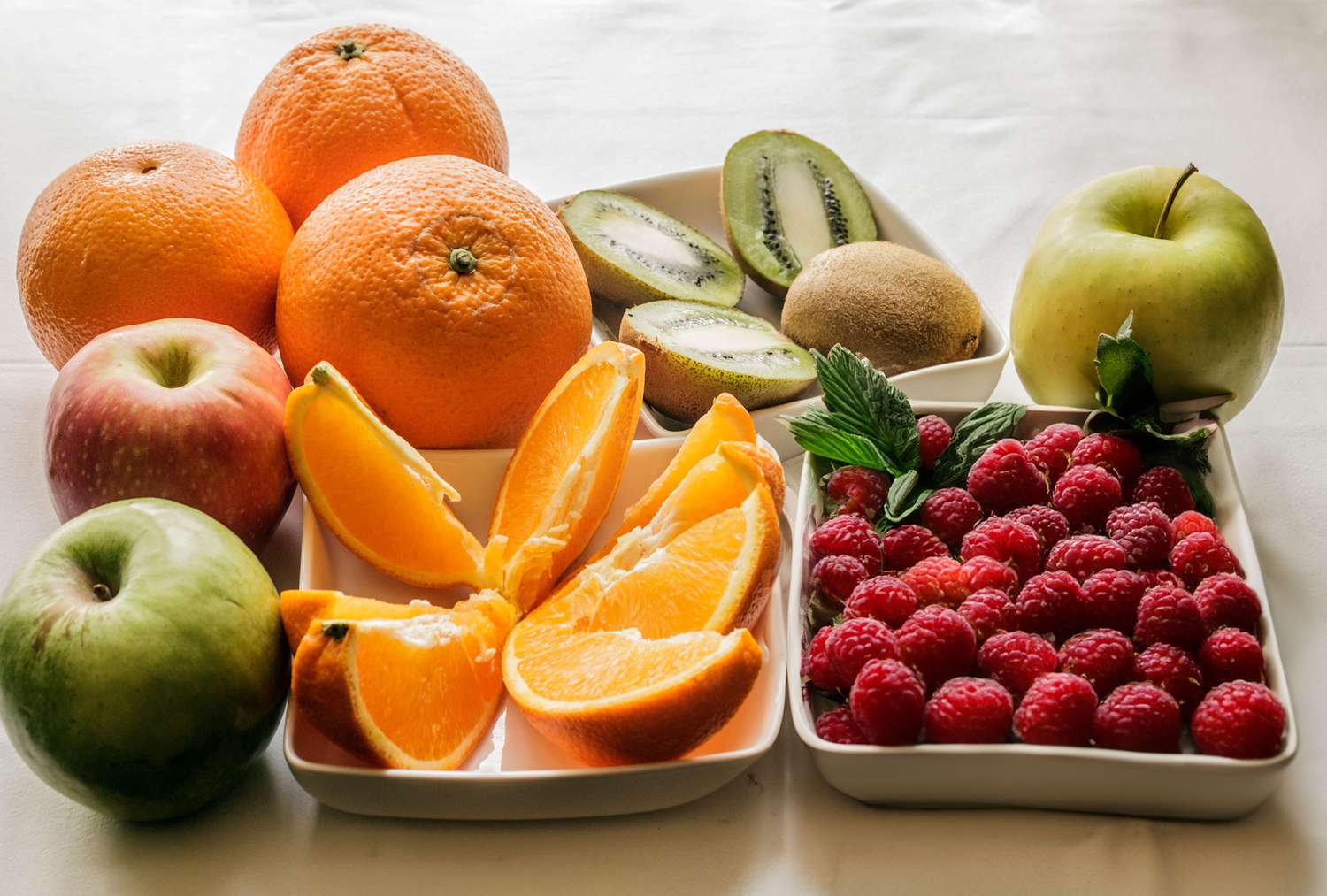
Fruits Rich in Fiber. Fruits high in fiber, such as raspberries, pears, apples, bananas, oranges, and strawberries, can greatly increase your daily fiber intake and offer a host of health advantages. In addition to being tasty, these fruits provide a variety of vitamins, minerals, and antioxidants that promote general health. You may improve your digestive health, sustain stable blood sugar levels, and encourage satiety by incorporating these fruits into your meals and snacks on a regular basis.
FRUITS RICH IN FIBER
Fiber is a vital ingredient that is critical for blood sugar regulation, satiety promotion, and digestive health. Fruits are a great source of dietary fiber, and you may achieve your daily fiber requirements by include fruits high in fiber in your diet. The top fruits with the highest fiber content are as follows:
1. Raspberries;

Raspberries are a powerhouse of dietary fiber, offering about 8 grams of fiber per cup. This makes them one of the best fruits for boosting your fiber intake. In addition to fiber, raspberries are rich in vitamins C and K, antioxidants, and manganese, which support overall health and immune function.
2. Pears;
Pears are another excellent source of fiber, with a medium-sized pear providing around 6 grams of fiber. The majority of the fiber in pears is soluble, which helps regulate blood sugar levels and lower cholesterol. Pears are also high in vitamins C and K and are a great addition to salads, desserts, and snacks.
3. Apples;

Fruits Rich in Fiber
Apples are a convenient and popular fruit that provides about 4.4 grams of fiber per medium-sized apple. Most of the fiber in apples is found in the skin, so it’s best to eat them unpeeled. Apples are also rich in vitamin C and various antioxidants, making them a nutritious and easy-to-carry snack.
4. Bananas;
Bananas offer about 3 grams of fiber per medium-sized fruit. They contain both soluble and insoluble fiber, which help maintain healthy digestion and promote feelings of fullness. Bananas are also a good source of potassium, vitamin C, and vitamin B6, contributing to overall nutritional balance.
5. Oranges;

Fruits Rich in Fiber
Oranges are not only high in vitamin C but also provide a good amount of fiber, with about 3.1 grams per medium-sized fruit. The fiber in oranges helps regulate digestion and supports heart health. Oranges are versatile and can be enjoyed as a snack, in salads, or as fresh juice.
6. Strawberries;
Strawberries are a delicious and fiber-rich fruit, offering about 3 grams of fiber per cup. They are also packed with vitamins C and K, folate, and antioxidants, which help reduce inflammation and support immune function. Strawberries can be eaten fresh, added to smoothies, or used in various desserts.
Summary
Fruits high in fiber are great for heart health, digestion, and fullness. Include these nutrient-dense options in your diet to reach the daily suggested target of around 25 to 38 grams.




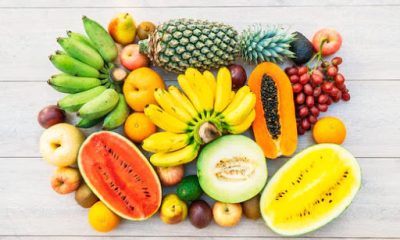










The Health Advantages of Eating Mangoes. A stronger immune system, better digestion, and clearer skin are just a few of the many health advantages of eating mangoes.These tropical fruits are frequently referred to as a “nutritional powerhouse” due to their abundance of antioxidants, vitamins, and minerals.
THE HEALTH ADVANTAGES OF EATING MANGOES
The Mangifera indica tree, which is indigenous to South Asia, yields the sweet tropical stone fruit known as a mango. Often referred to as the “king of fruits,” it has edible peel, luscious orange meat, and a sizable center pit.
1. Boost your intestinal health;

Mangoes are a good source of both soluble and insoluble fiber. One type of carbohydrate found in plant-based meals that is indigestible is fiber. Because insoluble fiber doesn’t decompose in your digestive system, it gives your feces (poop) more volume. Your feces is softer and simpler to pass as a consequence.
2. Encourage your healthy weight objectives;
Fiber benefits more than your digestive system. You might lose weight as well. According to one study, eating mangoes may help you maintain your healthy eating goals by reducing hunger.
3. Improve skin health;

The Health Advantages of Eating Mangoes
For healthy skin and hair, antioxidant vitamins A, C, and E are essential. These vitamins assist your skin in fending off the daily environmental damage it endures. These vitamins can be applied directly to the skin, which is why they are found in many skin care products.
4. Reduce total cholesterol and LDL cholesterol;
the “bad” cholesterol that leads to plaque accumulation in your blood vessels, which obstructs the flow of blood and oxygen Mangoes’ soluble fiber can help reduce both types of cholesterol.
5. Maintain blood pressure control;

The Health Advantages of Eating Mangoes
A lot of people don’t get enough potassium, a mineral that helps your body fight off the effects of sodium. Hypertension is a condition where there is an excess of sodium and a deficiency of potassium. Because high blood pressure doesn’t show any symptoms, you won’t know you have it until it’s checked, therefore you should see your primary care physician every year,
6. Aid in the prevention of certain cancers;
Antioxidants are organic compounds found in abundance in mangoes that shield your cells from harm. There is a specific kind of mangiferin present in mangoes that has been shown to guard against damage that might cause cancer. eye health.
Summary
Mangoes are easily found in most supermarkets these days. They can be found in packages of frozen fruit, trail mixes, and salsas in addition to the fresh produce section. Mangoes are popular, but are they healthy?

Garden Egg Health Advantages. These are teardrop to slightly oblong in form and range in size from small to medium, with an average length of 6 to 8 cm. When young, the smooth skin is green, firm, and shiny; as it ages, it turns white and yellow. The flesh beneath the thin skin is soft, watery, spongy, pale yellow to white, and contains a large number of tiny, flat seeds. Garden Egg eggplants taste mildly bitter and have a crunchy texture.
GARDEN EGG HEALTH ADVANTAGES
Garden eggs, also known as African eggplants or auberges, are a native vegetable of Africa. They are members of the nightshade vegetable family, which also includes tomatoes and potatoes. Garden eggs are grown all across Africa since they may be produced at home. They are a staple in many African cuisines. Garden eggs are used in a seemingly endless number of ways in modern society, including as raw, cooked, and salad-making.
1. Lowers cholesterol levels;

A garden egg has a high potassium and dietary fiber content and a low calorie, salt, and protein content. Because eggplant contains a lot of fiber, it lowers harmful cholesterol, which protects the heart. Due to its extremely low calorie content, garden eggs are also the ideal recipe for losing weight quickly at all.
2. Management and prevention of diabetes;
Meanwhile, For people with diabetes or those who are worried about avoiding liver issues from their disease, African garden eggs are the ideal snack. Garden eggs have been found to lower high blood sugar by blocking important enzymes linked to the onset of type 2 diabetes.
3. Strengthens immune system;

Garden Egg Health Advantages
Although, Iron, vitamin B6, vitamin B9, vitamin C, vitamin E, zinc, and protein are just a few of the many nutrients found in garden eggs that significantly strengthen your immune system. which in turn aids in cell repair, “killer” cell production and activation, which in turn stimulates other helper cells,
4. It enhances digestion.
However, Garden eggs are a fantastic source of fiber for your body. Bloating, diarrhea, constipation, loose tools, stomach discomfort, and gastrointestinal problems can all be avoided with a healthy digestive system.
5. Blood pressure is regulated by it;

Meanwhile, Garden eggs support heart health and help control blood pressure and cardiac function. When consumed by a diabetic, it lowers blood pressure and suppresses blood sugar levels because it regulates the absorption of glucose and lowers the risk of hypertension.
6. It functions as an anti-ulcer substance;

Garden Egg Health Advantages
Also, Ulcers may be treated using garden eggs since they contain anti-ulcer properties. Although the fruit’s anti-ulcer properties do not prevent ulcers, they do inhibit the condition. garden eggs can even be grown at home.
Summary
African eggplant, or garden eggs, are extremely nutrient-dense fruits that are rich in potassium, dietary fiber, and potent antioxidants like nasunin. They provide amazing health benefits, including as enhancing heart health, supporting digestion, assisting with weight management, and controlling blood sugar levels.

Health Advantages of Eating Banana. It is a long, edible fruit that is technically a berry and is produced by a variety of huge, herbaceous flowering plants in the genus Musa that resemble trees. To differentiate them from dessert bananas, cooking bananas are referred to as plantains in some regions.
HEALTH ADVANTAGES OF EATING BANANA
Bananas are rich in fiber, vital minerals, and natural sugars that give you a rapid energy boost. About 105 calories, 3 grams of fiber, and significant levels of potassium, vitamin B6, and vitamin C are found in a medium-sized banana.
Regulates blood pressure;
The nutritional data from the aforementioned sources indicates that a medium banana supplies over 9% of an individual’s daily potassium requirements.
Asthma;
Eating bananas may help kids with asthma avoid wheezing, according to a research. The potassium and antioxidant content of bananas may be one factor in this. More investigation is need to validate these results, though. A protein found in bananas called lectin has been proposed by cancer lab researchers as a potential means of inhibiting the growth of leukemia cells.
As an antioxidant;

lectin works. The body eliminates free radicals with the aid of antioxidants. Cell damage may result from an accumulation of free radicals, which may eventually cause cancer.
Heart health;
Antioxidants including vitamin C, potassium, folate, and fiber are all found in bananas. Heart health is supported by all of these. According to a health assessment, folks who consume more fiber in their diet are less likely to develop cardiovascular disease than those who consume less fiber. Those with higher fiber intake also had lower levels of “bad” cholesterol, or low-density lipoprotein.
Gastrointestinal well-being
Water and fiber, which are both included in bananas, support regularity and digestive health. About 10% of a person’s daily fiber requirements can be met by eating one medium banana. additionally, some physicians advise the BRAT, which includes bananas, as a treatment for diarrhea. BRAT stands for toast, applesauce, rice, and bananas.
Potassium;

Health Advantages of Eating Banana
Meanwhile, Potassium is abundant in bananas. Potassium controls the flow of waste materials and nutrients into and out of cells as well as the body’s fluid balance. Additionally, potassium aids in nerve cell response and muscular contraction. It can lessen the effect of sodium on blood pressure and maintain a regular heartbeat. As people age, potassium may lower their risk of kidney stones.
Diet;

Health Advantages of Eating Banana
Also, you can get fresh bananas all year long. Bananas ripen even after they are picked, unlike other fruits. Room temperature will allow bananas to ripen gradually. People can try storing them in a paper bag to speed up the ripening process.
Summary
Among other benefits, the essential elements in bananas may enhance mood, heart health, and blood pressure regulation. Bananas may be healthy, but they can also be dangerous in specific circumstances.

The Causes of Political Apathy

Child Neglect and Causes

Environment Care Tips

A Step-by-Step Guide to Deleting Reels on Instagram

A Comprehensive Guide to Setting Up a YouTube Premiere

How to Create a WhatsApp Group
-

 Business3 weeks ago
How to Promote your Business
-

 Fashion3 weeks ago
Fashion Guide for Beginners
-

 Business2 weeks ago
Business Name Selection Tips
-

 Business3 weeks ago
Tips for Running Online Business
-

 TECHNOLOGY3 weeks ago
Artificial Intelligence and the Future
-

 Business1 week ago
Customers Satisfaction