TECHNOLOGY
Generator voltage and increase

Generator voltage and increase. The electrical pressure or potential difference a generator creates to force current across a circuit is referred to as generator voltage. While big industrial generators can generate thousands of volts for transmission, portable machines usually output ordinary household levels (e.g., 120V to 240V), depending on their size and kind.
GENERATOR VOLTAGE AND INCREASE
A generator’s voltage output may increase for a number of reasons. Maintaining the generator’s functionality and guaranteeing the security of linked devices depend on an understanding of these reasons. The following are some typical causes of a generator’s voltage increase:
1. Malfunctioning Voltage Regulator;
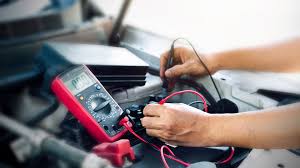

• The voltage regulator is responsible for maintaining a consistent output voltage from the generator. If the voltage regulator malfunctions, it can cause the generator to produce higher-than-normal voltage. Common issues include faulty components, loose connections, or calibration problems within the voltage regulator.
2. Engine Speed Issues;
• The engine speed directly affects the generator’s output voltage. If the engine runs faster than its rated speed, the generator will produce higher voltage. This can happen due to a malfunctioning governor, which controls the engine speed. Problems with the governor can be caused by mechanical wear, improper adjustments, or failure of electronic control systems.
3. Incorrect AVR Settings;
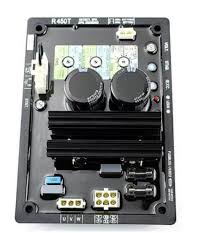

• The Automatic Voltage Regulator (AVR) settings might be incorrectly configured. The AVR adjusts the excitation of the generator’s field winding to regulate voltage output. Incorrect settings or a faulty AVR can lead to an increase in the output voltage. Regular calibration and proper settings of the AVR are crucial.
4. External Load Changes;
• Sudden changes in the load connected to the generator can cause voltage fluctuations. If the load is suddenly reduced, the generator might temporarily produce higher voltage until the system stabilizes. This is usually a transient issue but can indicate underlying problems if it happens frequently.
5. Electrical Faults;

Generator voltage and increase
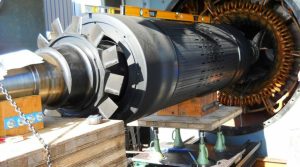
• Electrical faults within the generator, such as short circuits, grounding issues, or insulation failures, can cause abnormal voltage levels. These faults can disrupt the normal functioning of the generator’s electrical components, leading to voltage spikes.
6. Overexcitation;
• Overexcitation occurs when the generator’s excitation system provides too much current to the rotor, resulting in higher voltage output. This can happen due to a malfunction in the excitation system, incorrect settings, or failure to adjust the excitation according to load demands.
7. Temperature Variations;

Generator voltage and increase
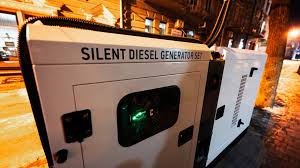
• Extreme temperature changes can affect the generator’s components, especially if it operates in an environment without proper temperature control. Overheating can cause the insulation of windings to deteriorate, leading to voltage instability. Similarly, extremely cold temperatures can impact the viscosity of lubricants and the performance of electronic components, potentially causing voltage issues.
Preventive Measures and Solutions
1. Regular Maintenance:
• Perform regular maintenance checks on the generator, including inspection and calibration of the voltage regulator and AVR. Ensure that all components are functioning correctly and replace any faulty parts.
2. Engine Speed Control:
• Monitor and adjust the engine speed regularly to ensure it remains within the specified range. Check the governor and other control mechanisms for wear and proper functioning.
3. Proper Load Management:
• Avoid sudden changes in the load connected to the generator. Gradually increase or decrease the load to minimize voltage fluctuations. Use load banks to test and manage load conditions effectively.
4. Inspection for Electrical Faults:
• Regularly inspect the generator for any electrical faults, such as short circuits, grounding issues, or insulation problems. Address any issues promptly to prevent voltage spikes.
Summary
You can ensure the dependable and secure operation of your generator and the equipment it powers by being aware of these issues and taking appropriate action to prevent increases in generator voltage.