Health
Habits: Healthy Lifestyles

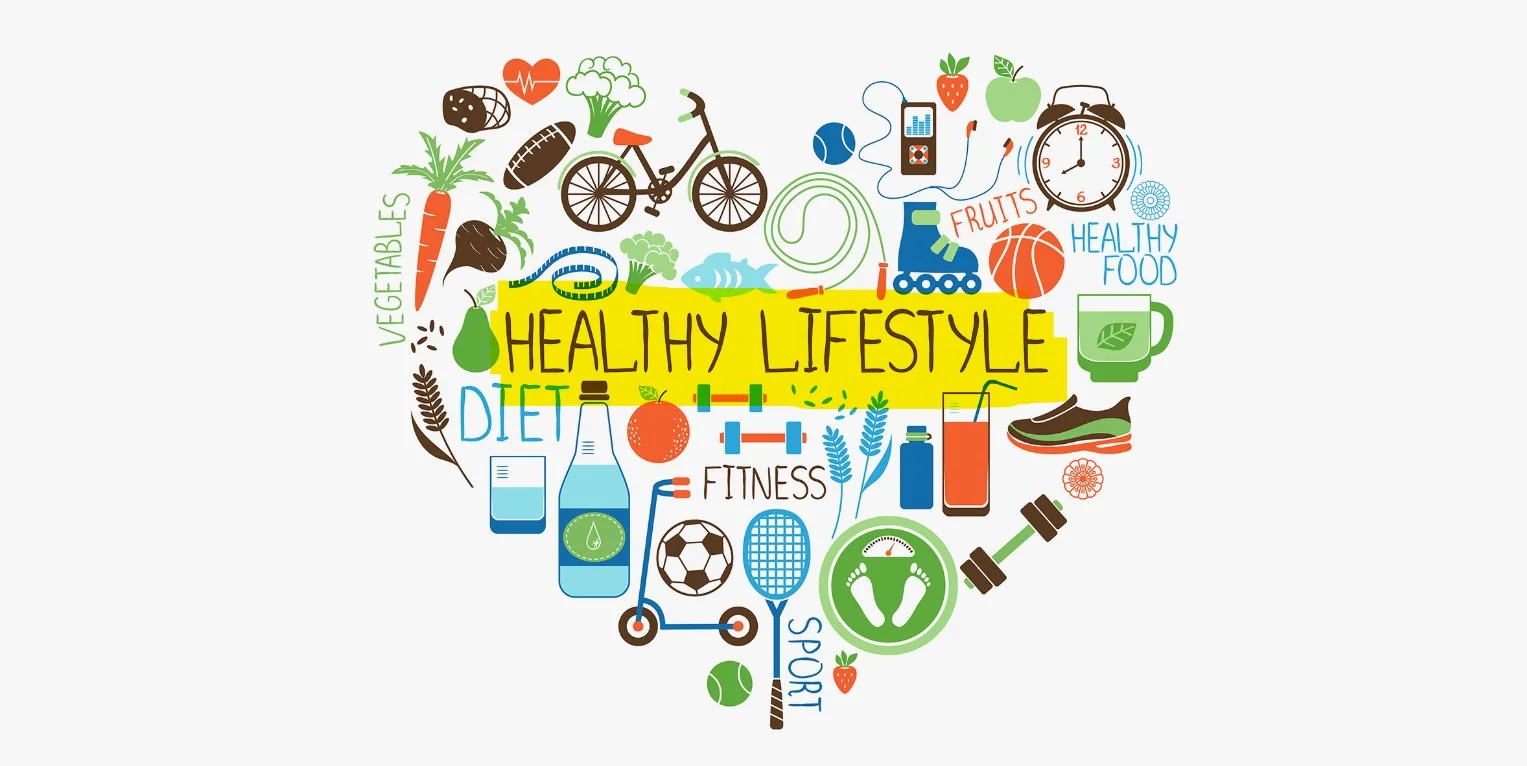

Habits: healthy lifestyles. Developing healthy living habits requires daily thoughtful decision-making and is an ongoing effort. You may greatly enhance your general health and quality of life by concentrating on a balanced diet, consistent exercise, enough sleep, stress reduction, hydration, avoiding bad habits, and routine checkups. Start small, make little adjustments, and relish the process of becoming a healthy version of yourself.
HABITS: HEALTHY LIFESTYLES
Making decisions that improve one’s physical, mental, and emotional well-being is part of leading a healthy lifestyle. These behaviors enhance general quality of life in addition to preventing chronic illnesses. To live a healthier lifestyle, adopt these essential practices into your everyday routine.
1. Balanced Diet;

A balanced diet is crucial for maintaining optimal health. This includes:
– Fruits and Vegetables: Aim to fill half your plate with a variety of colorful fruits and vegetables. They provide essential vitamins, minerals, and antioxidants.
– Whole Grains: Choose whole grains over refined grains to benefit from more nutrients and fiber.
– Protein: Incorporate lean protein sources such as fish, poultry, beans, and nuts. Limit red meat and processed meats.
– Healthy Fats: Include sources of healthy fats like avocados, nuts, seeds, and olive oil, while avoiding trans fats and limiting saturated fats.
2. Regular Physical Activity;
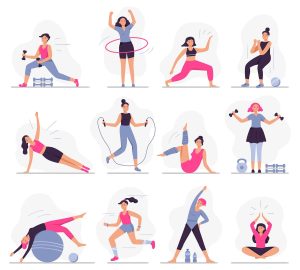
Engaging in regular physical activity is vital for maintaining a healthy body and mind. Benefits include improved cardiovascular health, stronger muscles and bones, better mood, and enhanced cognitive function. Aim for:
– Aerobic Exercise: At least 150 minutes of moderate-intensity or 75 minutes of high-intensity aerobic exercise per week.
– Strength Training: Incorporate strength training exercises at least two days a week to build and maintain muscle mass.
3. Adequate sleep;

Another Healthy lifestyle to embrace is Quality sleep, it is essential for physical and mental health. It allows the body to repair and regenerate and supports cognitive function. To improve sleep:
– Consistency: Stick to a regular sleep schedule, going to bed and waking up at the same time each day.
– Environment: Create a sleep-conducive environment by keeping your bedroom dark, quiet, and cool.
– Avoid Stimulants: Limit caffeine and electronic device use before bedtime.
4. Stress Management;

HABITS: HEALTHY LIFESTYLES
Chronic stress can negatively impact health. Effective stress management techniques include:
– Mindfulness and Meditation: Practices like meditation, yoga, and deep-breathing exercises can help reduce stress.
– Physical Activity: Regular exercise helps manage stress and improve mood.
– Hobbies and Interests: Engaging in activities you enjoy can provide a healthy distraction and relaxation.
5. Hydration;
HABITS: HEALTHY LIFESTYLES
Staying hydrated is crucial for overall health. Water supports bodily functions, including digestion, nutrient absorption, and temperature regulation. Aim to:
– Drink Water: Consume at least 8 glasses (about 2 liters) of water a day, more if you’re physically active or live in a hot climate.
– Limit Sugary Drinks: Reduce intake of sugary beverages like soda and energy drinks.
6. Avoiding Harmful Habits;

Avoiding or minimizing harmful habits is key to maintaining good health:
– Tobacco: Avoid smoking and exposure to secondhand smoke. Smoking is a leading cause of many diseases, including cancer and heart disease.
– Alcohol: If you drink alcohol, do so in moderation. For women, this means up to one drink per day, and for men, up to two drinks per day.
7. Regular Check-Ups;

HABITS: HEALTHY LIFESTYLES
Routine health check-ups and screenings are important healthy lifestyle for early detection and prevention of health issues. Make sure to:
– See Your Doctor: Have regular appointments with your healthcare provider for preventive care and to address any health concerns.
– Screenings and Vaccinations: Stay up-to-date with recommended health screenings and vaccinations.
Summary
Regular exercise, a healthy diet, enough sleep, stress reduction, and abstaining from smoking and excessive alcohol consumption are all examples of healthy lifestyle practices. Maintaining social ties, staying hydrated, and scheduling routine medical examinations are further important practices.







Water contaminants. All bodily systems are impacted by water contaminants, but children and vulnerable groups are especially at risk. These side effects can range from short-term problems like diarrhea, vomiting, and skin rashes (caused by microbes) to long-term chronic issues like cancer, neurological disorders, kidney disease, and reproductive problems (caused by chemicals like lead, arsenic, and PFAS). Infectious disorders like cholera and typhoid are caused by microorganisms, whereas industrial pollutants and heavy metals can eventually lead to organ damage, developmental issues, and an increased risk of cancer.
WATER CONTAMINANTS
Water quality can be compromised and made unhealthy by a number of factors, including chemical pollution and microbial contaminants. Ensuring access to safe and clean water requires addressing these problems through efficient treatment, appropriate disposal procedures, and environmental protection. Although water is necessary for life, it can become unhealthy due to a number of circumstances. Both individuals and communities are at significant risk for health problems due to contaminated water. It is essential to comprehend these elements in order to guarantee that people have access to clean drinking water.
Common Contaminants;

1. Microbial Contaminants:
Bacteria, viruses, and parasites are significant threats to water quality. Pathogens such as E. coli, Giardia, and Cryptosporidium can cause gastrointestinal illnesses and other infections. These contaminants often enter water sources through inadequate sanitation and wastewater treatment.
2. Chemical Pollutants:

Water can become contaminated with harmful chemicals from various sources. Pesticides, heavy metals (such as lead and mercury), and industrial chemicals (like PCBs) can seep into water supplies through runoff or improper disposal. These pollutants can have severe health effects, including neurological damage and cancer.
3. Nutrient Overload:
Excess nutrients, particularly nitrogen and phosphorus, from agricultural runoff can lead to eutrophication. This process results in excessive algae growth, which depletes oxygen in the water and can produce toxins harmful to aquatic life and humans.
4. Pharmaceuticals and Personal Care Products:

water contaminants
Residues from medications and personal care products can enter water supplies through improper disposal or human waste. These substances can disrupt endocrine systems and impact both human and aquatic health.
5. Physical Contaminants:
Sediments, debris, and other physical materials can affect water quality by increasing turbidity, which can reduce the effectiveness of disinfection and harm aquatic ecosystems.
Prevention;
1. Water Treatment:

water contaminants
Effective water treatment processes, including filtration, chlorination, and UV disinfection, are essential for removing contaminants and ensuring water safety.
2. Proper Waste Disposal:
Proper disposal of chemicals, pharmaceuticals, and waste helps prevent pollutants from entering water sources.
3. Sanitation Practices:

water contaminants
Improved sanitation and sewage treatment reduce the risk of microbial contamination in water supplies.
4. Environmental Protection:
Protecting water sources from agricultural runoff, industrial discharge, and other pollutants helps maintain water quality and ecosystem health.
Summary
These pollutants could be man-made or naturally occurring. Nitrogen, bleach, salts, pesticides, metals, bacterial toxins, and medications for humans or animals are a few examples of chemical pollutants. Waterborne organisms are known as biological pollutants. Microbes or microbiological pollutants are other names for them.


Actinic keratosis causes. On sun-exposed areas such as the face, scalp, hands, and ears, actinic keratosis (AK) is a rough, scaly, precancerous skin patch that may feel itchy, burning, or crusty. It frequently appears as dry, sandpaper-like spots. Although benign, AKs can progress to squamous cell carcinoma (SCC) skin cancer; therefore, prompt treatment with techniques such as freezing (cryotherapy), topical creams, surgery, or photodynamic therapy is essential for prevention and management, as is careful sun protection (sunscreen, protective clothing, shade).
ACTINIC KERATOSIS CAUSES
Treatments for actinic keratosis target precancerous skin spots using techniques such as freezing (cryotherapy), scraping (curettage), lasers, or chemical peels for individual spots, and topical prescription creams (such as 5-FU, imiquimod, or diclofenac) or photodynamic therapy (PDT) for widespread lesions, depending on the number, location, and type of skin. Strict sun protection is always adhered to. Actinic keratosis (AK) is a common skin condition resulting from long-term exposure to ultraviolet (UV) light, primarily from the sun. It is characterized by rough, scaly patches on the skin that can vary in color from pink to red and may sometimes appear tan or brown.
Causes;

The primary cause of actinic keratosis is prolonged sun exposure. UV rays damage the skin cells, leading to the formation of these precancerous lesions. People with fair skin, light hair, and eyes are at higher risk, especially if they have a history of sunburns or excessive sun exposure.
Symptoms;
Actinic keratosis typically appears as small, dry, scaly patches on sun-exposed areas of the skin, such as the face, ears, neck, scalp, and backs of the hands. These patches might be itchy or tender and can vary in size. In some cases, they can become inflamed or bleed.
Diagnosis;

A dermatologist can usually diagnose actinic keratosis through a physical examination of the skin. In some cases, a skin biopsy may be performed to confirm the diagnosis and rule out skin cancer.
Treatment;

ACTINIC KERATOSIS CAUSES
Treatment options for actinic keratosis aim to remove the lesions and prevent further skin damage. Common treatments include:
– Topical Medications:
Creams or gels like 5-fluorouracil (5-FU) or imiquimod help destroy abnormal cells.
– Cryotherapy:

Liquid nitrogen is applied to freeze and destroy the lesions.
• Curettage and Electrodessication: The lesion is scraped off and then treated with electrical currents to remove any remaining abnormal cells.
• Laser Therapy:
Lasers target and remove actinic keratosis lesions.
Prevention;

ACTINIC KERATOSIS CAUSES
Preventing actinic involves minimizing sun exposure by using sunscreen, wearing protective clothing, and avoiding tanning beds. Regular skin checks with a dermatologist are also crucial for early detection and management of any new or changing skin lesions. Actinic is a manageable condition with proper treatment and preventive measures. If you notice any unusual skin changes, consult a healthcare provider to ensure appropriate care.
Summary
Long-term, unprotected exposure to ultraviolet (UV) radiation from the sun or tanning beds is the main cause of actinic keratosis (AK), which results in rough, scaly patches by damaging skin cell DNA. Fair complexion, light eyes and hair, being older (over 40), having a history of sunburns, working outside, having a compromised immune system, and perhaps HPV are risk factors.


Relevance of garlic and honey. The allicin in garlic and the antioxidants in honey combine to form a powerful natural treatment that is known to strengthen immunity, combat infections, and improve heart and digestive health when fermented together. Both are beneficial, but the combination delivers stronger antibacterial effects. However, handmade fermented versions require appropriate acidity (such as adding vinegar or kombucha) to reduce the danger of botulism, particularly for young infants (less than one year old).
RELEVANCE OF GARLIC AND HONEY
Although they don’t replace medical treatment and call for safety precautions like avoiding honey for infants, garlic and honey are relevant as a potent natural remedy because they combine the antimicrobial allicin and antioxidants of garlic with the calming, antibacterial qualities of honey, offering synergistic benefits for immune support, fighting colds, improving heart health (blood pressure/cholesterol), aiding digestion, and providing antioxidants.
Benefits;

RELEVANCE OF GARLIC AND HONEY
1.First, antimicrobial Research has indicated that garlic and a particular kind of tazma honey can inhibit the growth of some germs. The study evaluated the antibacterial properties of each food both alone and in combination. In separate tests, the researchers discovered that honey and garlic could both eradicate germs. Additionally, garlic and honey work better together as an antimicrobial combination than they do separately. A garlic-honey combo can help prevent or reduce the growth of harmful germs and the symptoms of diseases like food poisoning and pneumonia.

RELEVANCE OF GARLIC AND HONEY
2. Antivirals Additionally, some varieties of honey have potent antiviral qualities that can be used to cure or prevent viral infections such as colds and hot flushes. Manuka honey has been shown in lab research to inhibit the growth of the flu virus. Against this virus, the researchers found that honey more especially, Manuka honey was nearly as effective as antiviral medications.
More Benefits;
3. Although, Encourages Healthy Hearts Garlic may provide heart health benefits, according to a number of clinical and lab-based studies. Nevertheless, these studies also imply that honey’s antioxidants can help shield you from heart-related illnesses. Garlic lowers blood pressure, lowers cholesterol, prevents excessive blood clotting, and softens or hardens blood vessels, all of which lower the risk of heart disease and stroke, according to a medical review.

RELEVANCE OF GARLIC AND HONEY
4. Also, Promotes mental and memory health Many beneficial antioxidant components can be found in a combination of garlic and honey. These beneficial substances support the body’s immune system balance and illness prevention. Additionally, common brain and memory-related illnesses like dementia and Alzheimer’s can be prevented by using the garlic and honey mixture. Garlic honey
Summary
Garlic and honey have several health advantages. The health advantages of these two foods can be obtained either singly or in combination. Garlic and honey can be added to food as supplements or consumed raw.

Water Contaminants

Rain Water Relevance

Amethyst Importance

A Step-by-Step Guide to Deleting Reels on Instagram

How to Create a WhatsApp Group