Fruits
Hawthorn and Heart Health



Hawthorn and heart health. This comes from the Crataegus shrub, is a well-liked herbal remedy that has long been used for heart health. Its antioxidants, or flavonoids, may strengthen heart muscle, improve blood flow, and help conditions like high blood pressure, angina, and mild to moderate chronic heart failure (CHF) by relaxing blood vessels. More study is required, and since hawthorn can interact with heart drugs, it is important to consult a doctor before using it, even if studies show promise, particularly for heart failure when used with conventional treatment.
HAWTHORN AND HEART HEALTH
Crataegus, the scientific name for hawthorn, is a tiny tree or shrub that is a member of the rose family. Hawthorn, a native of Europe, North America, and Asia, has been utilized for generations in traditional medicine, especially for its cardiovascular advantages. In addition to being a lovely plant, hawthorn is a powerful herbal cure with its clusters of white or pink blooms and vivid red berries.
Historical Uses;

Hawthorns has long been used, having been valued for its medicinal properties in ancient Greece. It has long been used to cure a variety of illnesses in many cultures, from anxiety to digestive problems. However, its most celebrated use has always been in supporting heart health.
Cardiovascular Health;

HAWTHORN AND HEART HEALTH
Hawthorns are renowned for its ability to improve cardiovascular function. Its berries, leaves, and flowers contain potent antioxidants like flavonoids and oligomeric procyanidins, which help dilate blood vessels, improve blood flow, and protect the heart from oxidative stress. Research suggests that hawthorns can help:
1. Strengthen Heart Muscles:

Hawthorns are believed to enhance the strength and efficiency of the heart muscle, making it a valuable herb for those with heart conditions.
2. Regulate Blood Pressure:
By promoting the dilation of blood vessels, hawthorn can help lower high blood pressure and improve overall circulation.
3. Reduce Cholesterol:

Some studies indicate that hawthorn may help reduce levels of “bad” LDL cholesterol, thereby contributing to better heart health.
Antioxidant Powerhouse;
Hawthorns are rich in antioxidants, which help neutralize free radicals in the body. This can reduce inflammation and protect against chronic diseases, including those related to aging and oxidative stress. The antioxidants in hawthorn also support the health of blood vessels, further enhancing its cardiovascular benefits.
Potential Uses and Preparations;

HAWTHORN AND HEART HEALTH
Hawthorns can be consumed in various forms, including:
1. Teas:
Hawthorn tea is made from the dried leaves, flowers, or berries and is a popular way to consume the herb.
2. Tinctures:
Liquid extracts of hawthorn provide a concentrated dose of its beneficial compounds.
3. Capsules:
For those who prefer a more convenient option, hawthorn is available in capsule form as a dietary supplement.
Safety and Side Effects;

HAWTHORN AND HEART HEALTH
While hawthorn is generally considered safe for most people, it can interact with certain medications, particularly those related to heart and blood pressure treatments. Common side effects are rare but can include dizziness, nausea, and gastrointestinal discomfort. It is always advisable to consult with a healthcare professional before incorporating hawthorn into your health regimen.
Summary
Hawthorn is an amazing plant that has long been used to promote general wellness and heart health. It is a useful complement to natural health practices because of its potent antioxidants and cardiovascular advantages. Like any herbal treatment, you may safely benefit from hawthorn’s many benefits by using it properly and consulting a healthcare professional.













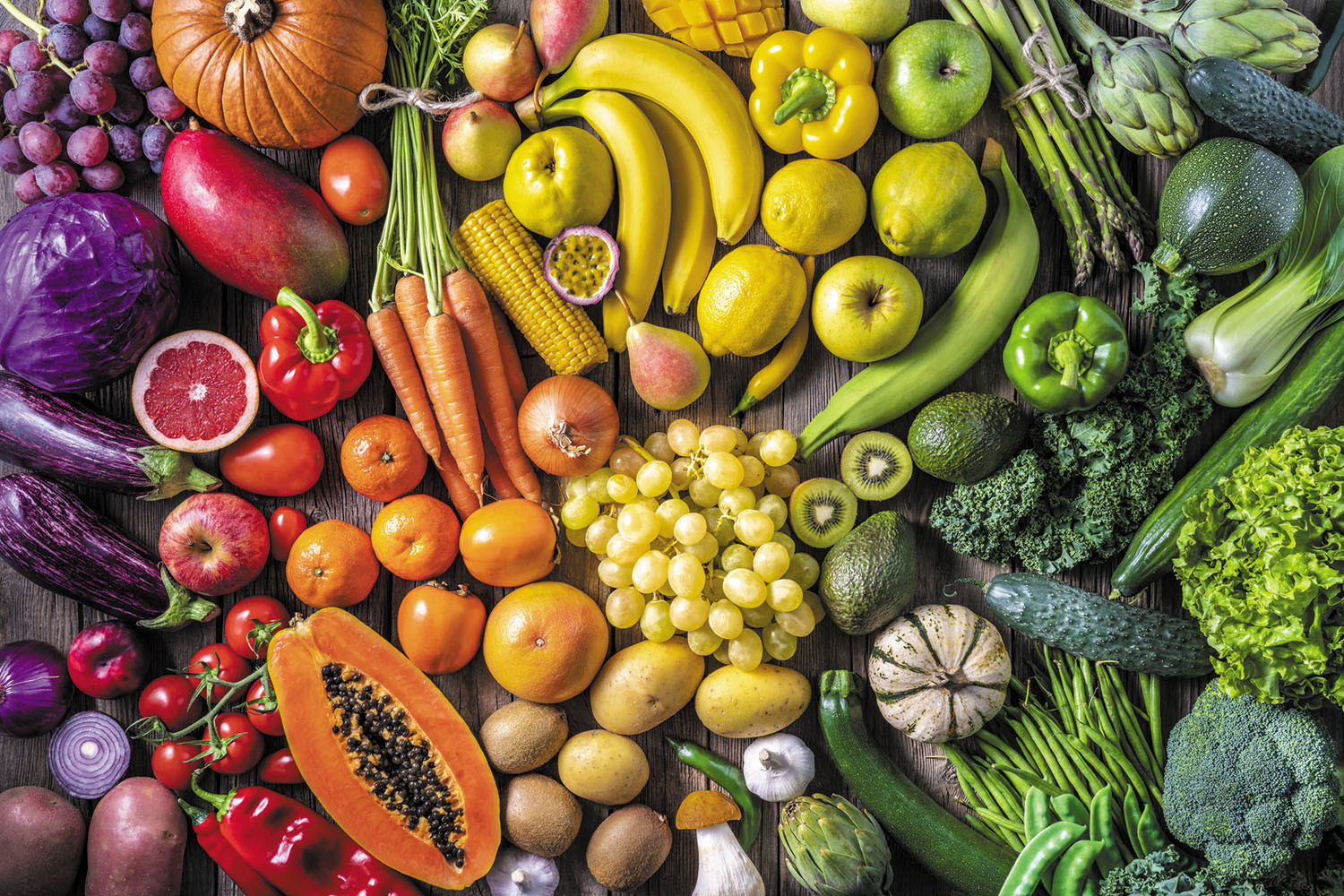
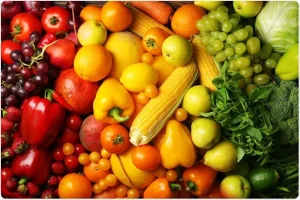
Vegetables and fruits. Packed with vitamins, minerals, fiber, and antioxidants, and vegetables are vital plant-based foods that promote healthy weight, digestion, and blood sugar levels while preventing diseases like diabetes, cancer, and heart problems. Although some “veggies” like tomatoes and cucumbers are actually fruits, fruits—like apples and berries—develop from blooms and contain seeds, whereas vegetables—like carrots and spinach are roots, stems, leaves, or flowers. To obtain a wide range of nutrients, strive for daily variation in color and type.
VEGETABLES AND FRUITS
Because of their nutrient density and low fat/sodium content, they are rich in vitamins, minerals, fiber, and antioxidants that dramatically reduce the risk of heart disease, stroke, certain types of cancer, and type 2 diabetes. They also promote healthy weight, digestion, blood pressure, blood sugar, skin, eyes, and a stronger immune system.
When they are in season, they are best purchased. If not, consider using canned or frozen veggies, which are equally nutrient-dense and cost-effective. A minimum of five servings of vegetables and two servings of fruit should be consumed daily. Select several hues.
Importance;

vegetables and fruits
1. Vitamins and minerals are abundant in fruits and vegetables. Nothing is more nutrient-dense than fruits and vegetables, which are a great source of folic acid, magnesium, zinc, phosphorus, and the vitamins A, C, and E. Eat lots of avocados, sweet potatoes, bananas, prunes, and even pureed tomato sauce if you’re looking to increase your intake of potassium, one of the most vital elements.
2. You get to enjoy a variety of flavors and textures. With all their unique and interesting flavors, plant-based foods let you get creative in the kitchen. You can try strong flavors like onions, olives, and peppers.
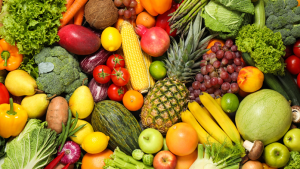
vegetables and fruits
3. A ton of fiber—a ton of fiber. Although some have more fiber than others, most fruits and vegetables have enough to keep you full and improve intestinal health. other important of vegetables and fruits include;
4. They have little fat and few calories.
5. minimal in cholesterol and salt. Trace levels of salt are present in it.
6. Any type of food—fresh, frozen, canned, or dried—is nutrient-dense. Whether you choose to consume fresh fruits and veggies or not, there aren’t many nutritional differences between frozen, canned, or dehydrated foods. In actuality, the nutritional value of the majority of canned and frozen goods is rapidly locked in since they are processed within hours of harvest.
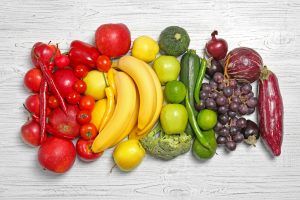
6. Easy, quick, and convenient. For the most part, fruits and vegetables don’t require packaging, unlike granola bars or crackers.
Summary
They should make up a significant portion of your daily diet. They include vitamins and minerals that can promote your health and are naturally nutritious. Additionally, they might help prevent some diseases. Most Australians will benefit from eating more of it as part of an active lifestyle and a healthy, balanced diet. There are many different types, and there are many ways to prepare, cook, and serve them.
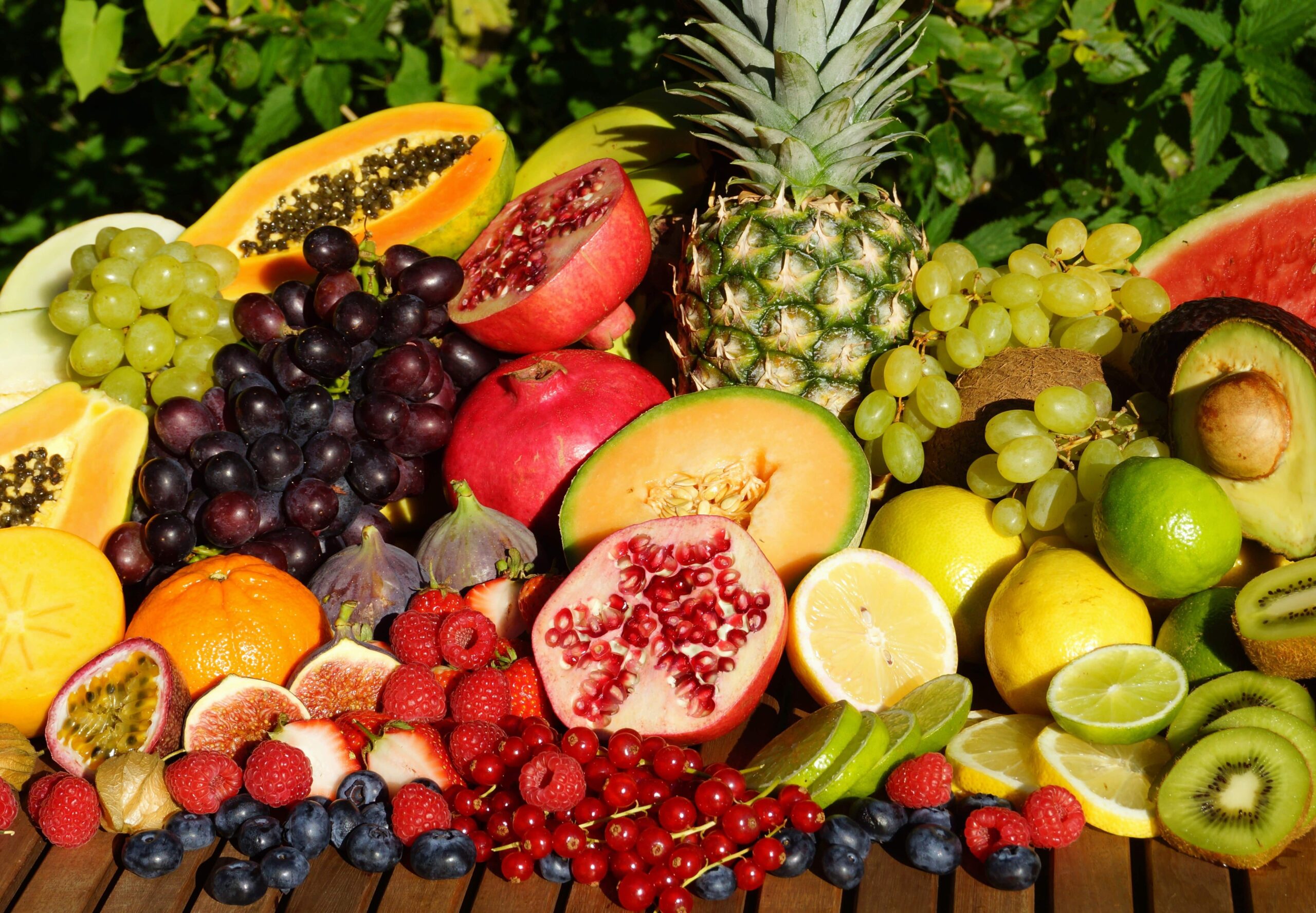
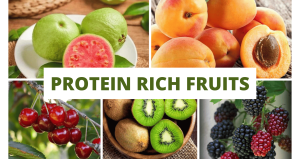
Best proteinous fruits. Incorporating these protein-rich fruits into your diet can help you satisfy your nutritional needs while enjoying their various flavors and health benefits. Guava, avocado, apricots, kiwi, blackberries, and bananas offer a high quantity of protein along with a plethora of vitamins, minerals, and antioxidants. You may improve your overall diet and promote your health in a number of ways by incorporating a range of these fruits into your meals and snacks.
BEST PROTEINOUS FRUITS
While fruits are normally recognized for their vitamins, minerals, and fiber, some can provide a surprising amount of protein. You may achieve your daily protein needs by include these high-protein fruits in your diet, particularly if you’re on a plant-based diet. here are the top fruits that are high in protein:
1. Guava;

Guava stands out as one of the highest protein-containing fruits. A single cup of guava can provide around 4.2 grams of protein. Besides its protein content, guava is also rich in dietary fiber, vitamin C, and antioxidants, making it a superfood that supports overall health.
2. Avocado;

Avocados are well-known for their healthy fats, but they are also a good source of protein. A medium-sized avocado contains about 3 grams of protein. Additionally, avocados are packed with heart-healthy monounsaturated fats, fiber, potassium, and vitamins E, K, and B6.
3. Apricots;
BEST PROTEINOUS FRUITS
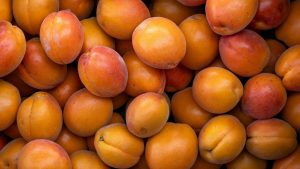
Dried apricots are particularly high in protein, with about 2.2 grams of protein per cup. Fresh apricots also provide protein, though in smaller amounts. Apricots are a great source of vitamins A and C, potassium, and dietary fiber, contributing to good vision, skin health, and digestion.
4. Kiwi;
Kiwi is another fruit that offers a decent amount of protein, providing about 2.1 grams per cup. It is also rich in vitamin C, vitamin K, vitamin E, folate, and dietary fiber. Kiwi’s high antioxidant content helps combat oxidative stress and boosts the immune system.
5. Blackberries;

BEST PROTEINOUS FRUITS
Blackberries are not only delicious but also nutritious, offering about 2 grams of protein per cup. They are loaded with vitamins C and K, fiber, and a variety of antioxidants, which help protect the body against inflammation and chronic diseases.
6. Bananas;

BEST PROTEINOUS FRUITS
Bananas, while primarily known for their high potassium content, also provide about 1.3 grams of protein per medium-sized fruit. They are a convenient snack and can be easily added to smoothies, oatmeal, or yogurt. Bananas are also rich in vitamins B6 and C, and provide energy-boosting carbohydrates.
Summary
With more protein per serving than other fruits, guava, avocado, jackfruit, passion fruit, and blackberries are the highest protein fruits. While no fruit is a primary protein source, these alternatives offer small levels of protein along with fiber, vitamins, and other nutrients to supplement a balanced diet.
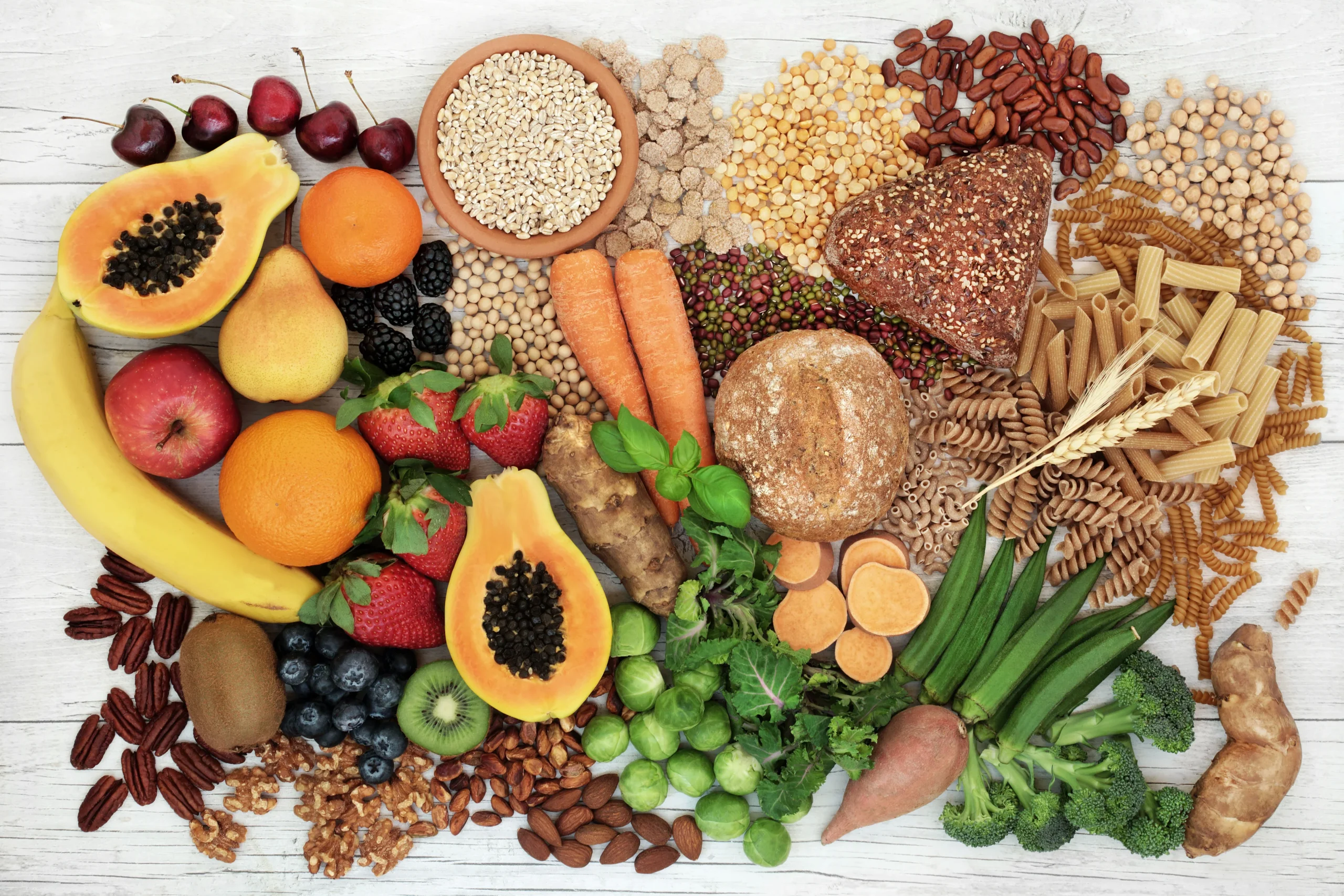
Dietary fiber fruits. Fruits high in fiber, such as raspberries, pears, apples, bananas, oranges, and strawberries, can greatly increase your daily fiber intake and offer a host of health advantages. In addition to being tasty, these fruits provide a variety of vitamins, minerals, and antioxidants that promote general health. You may improve your digestive health, sustain stable blood sugar levels, and encourage satiety by incorporating these fruits into your meals and snacks on a regular basis.
DIETARY FIBER FRUITS
Fiber is an essential ingredient that plays a key role in maintaining digestive health, regulating blood sugar levels, and increasing satiety. Fruits are an excellent source of dietary fiber, and integrating fiber-rich fruits into your diet can help you achieve your daily fiber needs. The top fruits with the highest fiber content are listed below:
1. Raspberries;

Raspberries are a powerhouse of dietary fiber, offering about 8 grams of fiber per cup. This makes them one of the best fruits for boosting your fiber intake. In addition to fiber, raspberries are rich in vitamins C and K, antioxidants, and manganese, which support overall health and immune function.
2. Pears;

Dietary fiber fruits
Pears are another excellent source of fiber, with a medium-sized pear providing around 6 grams of fiber. The majority of the fiber in pears is soluble, which helps regulate blood sugar levels and lower cholesterol. Pears are also high in vitamins C and K and are a great addition to salads, desserts, and snacks.
3. Apples;
Apples are a convenient and popular fruit that provides about 4.4 grams of fiber per medium-sized apple. Most of the fiber in apples is found in the skin, so it’s best to eat them unpeeled. Apples are also rich in vitamin C and various antioxidants, making them a nutritious and easy-to-carry snack.
4. Bananas;

Dietary fiber fruits
Bananas offer about 3 grams of fiber per medium-sized fruit. They contain both soluble and insoluble fiber, which help maintain healthy digestion and promote feelings of fullness. Bananas are also a good source of potassium, vitamin C, and vitamin B6, contributing to overall nutritional balance.
5. Oranges;
Oranges are not only high in vitamin C but also provide a good amount of fiber, with about 3.1 grams per medium-sized fruit. The fiber in oranges helps regulate digestion and supports heart health. Oranges are versatile and can be enjoyed as a snack, in salads, or as fresh juice.
6. Strawberries;

Dietary fiber fruits
Strawberries are a delicious and fiber-rich fruit, offering about 3 grams of fiber per cup. They are also packed with vitamins C and K, folate, and antioxidants, which help reduce inflammation and support immune function. Strawberries can be eaten fresh, added to smoothies, or used in various desserts.
Summary
High-fiber fruits include berries including raspberries, blackberries, and strawberries; pears; apples (with skin); bananas; avocados; and oranges. Other examples are passion fruit, guava, and plums. Consuming a range of foods can promote digestive health, weight control, and heart health.

Tips for Skin Breakage
Lip Breakage Causes and Treatments

Can Tremor be Cured?

A Step-by-Step Guide to Deleting Reels on Instagram

How to Create a WhatsApp Group