Food
Health Benefits of Oolong Tea

Health Benefits of Oolong Tea

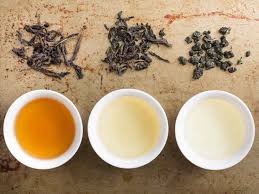
A classic Chinese tea is oolong tea. Although the plant used to make black and green teas is the same, the leaves are treated differently in this blend. Oxidation is the term for this process of creating tea. The tea’s color, flavor, and, to some extent, its nutritional value are all influenced by how long a tea maker lets the leaves oxidize. Tea leaves ferment when exposed to air.
Oolong teas are in between green and black teas in terms of flavor. Products offered have oxidation levels ranging from low to high, and the length of time the leaves were left to ferment affects how dark the tea acquires in color. Darker oolong teas give a more roasted flavor, whereas greener teas typically have a rich, earthy flavor.
Health Benefits
Weight Management
Oolong tea may help reduce body fat and increase metabolism, which lowers the risk of obesity and facilitates weight loss, according to research. According to studies, oolong tea promotes fat burning and raises your body’s calorie expenditure by as much as 3.4%.
Nutrition
Oolong tea has various health promoting vitamins and minerals in addition to antioxidants like polyphenols, which are responsible for many of its health advantages. Studies reveal that the fluoride concentration of olong tea is similar to what dentist advice consuming to avoid cavities. Moreover, it might lower the chance of oral cancer and tooth loss
Lower Risk of Diabetes
Studies reveal that oolong tea’s polyphenols reduce blood suger. Additionally, they lessen insulin resistance, a disorder in which the body mishandles blood suger. Insulin resistance and high blood sugar are risk factors for diabetes as well as other illnesses like obesity
Cognitive Support
L-theanine an amino acid found in abundance in olong tea, has been shown in studies to have positive benefits on cognition, including increased brain activity, better sleep, and less stress and anxiety. Furthermore, the antioxidants in oolong tea contain brain protective qualities that may acid in preventing neurodegenerative illnesses, which cause sections of the nervous system to malfunction.

Local Foods in Nigeria. Nigerians are known for their love of eating and are thot to be among the happiest people on the earth. They also like to eat. In Nigeria, the proverb “the route to a man’s heart is his stomach” is generally accepted. The variety of the civilization is reflected in the cuisine. Every one of the more than 500 ethnic groups has a different cuisine. In order to help tourists, travelers, and visitors settle in while in Nigeria, the following list of Nigerian foods is provided.
LOCAL FOODS IN NIGERIA
Rich, savory mainstays like Jollof rice, Amala with Ewedu, Pounded Yam with Egusi soup, and Ewa Agoyin are typical of Nigerian cuisine. Fresh indigenous ingredients like yam, crayfish, palm oil, and fermented locust beans (iru) are used in these recipes to produce tastes that are rich, smokey, and spicy.
Jollof rice;

This deserves to be on the list of 30 Nigerian foods you should be aware of. Perhaps the most well-known Nigerian dish is jollof rice. It is the dish that is appropriate for practically any Nigerian occasion. Jollof rice is served first during picnics, housewarmings and weddings. Pepper, broth, seasoning, and spices are ingredients in this flavorful and filling dish. Serve it with meat.
Fried rice;
This still belongs to the rice variety on the list of 30 Nigerian foods you should know about. Sauté this while adding freshly chopped and stir-fried vegetables to the rice. Green beans, sweet corn peas, carrots, beef liver, and other recipes are also required. Serve this with beef, chicken, shrimp, or any other protein of your choosing. The fact that
Local Rice;

Local Foods in Nigeria
Jollof Regular, jollof rice and local jollof rice differ in the type of oil used. Regular Jollof requires vegetable or groundnut oil, whereas native Jollof rice needs palm oil. You might try various recipes that call for seasoning, pepper, spices, and robust protein.
Egusi soup;
However, Egusi soup is the most popular Nigerian soup among the 30 Nigerian foods you should be aware of. Melon seeds from the gourd family are used to make egusi, a delicious soup. First comes the pounding of the melon, which is then formed into balls and combined with pepper and green vegetables. You can make this soup in a variety of ways and serve it with akpu or pounded yam.
Banga Soup;

Local Foods in Nigeria
Also, Among the 30 Nigerian foods you should be aware of is this well-known soup. This is made with palm nuts. You can cook the nut with beletete, spice flavorings, and other types of protein. It is an intriguing and nourishing traditional soup.
Summary
Rich, delicious, and incredibly varied, Nigerian cuisine includes fermented flavors, palm oil, and fragrant spices. Jollof rice, pounded yam with Egusi or Afang soup, Amala with Ewedu and Gbegiri, Ewa Agoyin, and street snacks like Suya and Akara are examples of iconic staples.
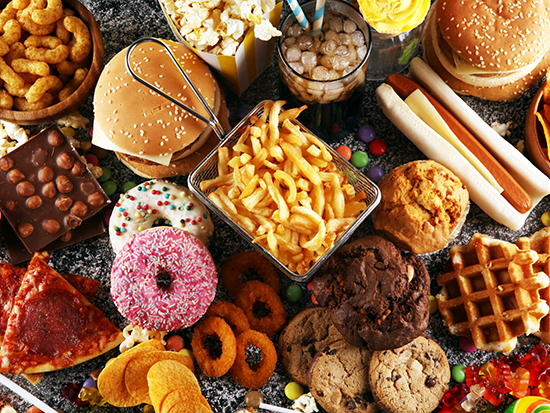
Unhealthy Dieting. A bad diet can have a significant impact on one’s physical and emotional well-being. It can lead to weight gain, nutrient deficiencies, chronic illnesses, and poor digestive and mental health. Maintaining long-term health and wellbeing requires making better food choices, such as consuming more fruits, vegetables, whole grains, and lean proteins while consuming fewer processed foods, sweets, and harmful fats. One of the most crucial things you can do to enhance your quality of life and lower your risk of illness is to prioritize eating a balanced diet.
UNHEALTHY DIETING
A diet that does not supply the vital nutrients required for the body to operate at its best is considered unhealthy. It usually consists of insufficient amounts of fruits, vegetables, whole grains, lean proteins, and processed meals together with high levels of added sugars, harmful fats, and salt. Consistently eating poorly can have a number of detrimental effects on one’s health over time.
1. Increased Risk of Chronic Diseases;

A diet high in saturated fats, trans fats, and refined sugars can contribute to the development of chronic conditions such as heart disease, type
2 diabetes, and certain cancers. These foods can lead to elevated cholesterol levels, high blood pressure, and insulin resistance.
Consuming more calories than the body needs, particularly from high-calorie, low-nutrient foods, can lead to weight gain and obesity. Obesity is a major risk factor for numerous health problems, including cardiovascular disease, diabetes, and joint disorders.
3. Nutrient Deficiencies;

An unhealthy diet often lacks essential nutrients such as vitamins, minerals, and fiber. For example, insufficient intake of fruits and vegetables can lead to deficiencies in vitamin C, potassium, and fiber, which are crucial for immune function, heart health, and digestive health.
4. Mental Health Issues;
Diet plays a significant role in mental well-being. Diets high in processed foods and low in nutrient-rich foods have been linked to an increased risk of depression, anxiety, and other mental health disorders. Conversely, a balanced diet rich in nutrients supports brain function and emotional health.
5. Poor Digestive Health;

Unhealthy Dieting
An unhealthy diet, particularly one low in fiber, can lead to digestive issues such as constipation, bloating, and irritable bowel syndrome (IBS). Fiber is essential for healthy digestion and maintaining a healthy gut microbiome, which plays a critical role in overall health.
Summary
An improper diet is a major risk factor for NCDs like diabetes, cardiovascular disease, and several types of cancer because it raises blood sugar, cholesterol, blood pressure, and causes overweight and obesity. Additionally, it has a direct connection to the emergence of mental and neurological conditions.

Food Preservations. advantages and techniques for food preservation. As everyone knows, food is essential for survival. When we eat nutrients from a balanced diet, we can grow, develop, be active, and maintain healthy bodily functions like moving, playing, working, and thinking. For optimal health, a balanced diet is essential. Every diet contains a variety of nutrients that support our physical and mental growth, such as carbohydrates, protein, vitamins, minerals, fats, and others.
FOOD PRESERVATIONS
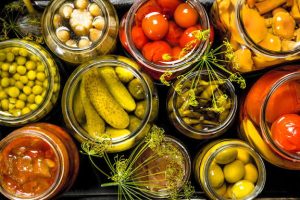
The technique of managing and treating food to prevent or delay spoiling so that it can be stored for longer is known as food preservation. This entails preserving nutritional value, texture, and flavor while inhibiting the growth of microbes and delaying oxidation.
Importance;
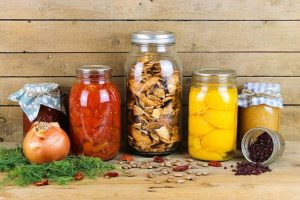
The following are major benefits of food preservation:
1.The main objective of food preservation is to stop food from becoming bad before it is eaten. Microorganisms that can produce hazardous compounds are present in our food. Food poisoning is the adverse outcome of this.
2.Preserving fresh produce, whether from a farm, market, or garden, also has the financial benefit in mind. But the price of goods preserved at home depends on a lot of factors.
3.Using locally and seasonally grown food, reusing preserving jars, improving food packaging, and reducing food miles are some of its environmentally beneficial features.
Food Preservations
4.Preserving excess agricultural produce is a primary motivation behind food preservation.
5.It also keeps agriculture from undergoing improper planning.
Methods;
1.Preserving at Low Temperatures To extend their shelf life, many foods are stored. Foods kept in a cold environment undergo fewer physical and chemical interactions, which inhibits the growth of microbes.
2.Warmth To destroy as many germs as feasible, temperature and time are combined during the thermal processing of food.
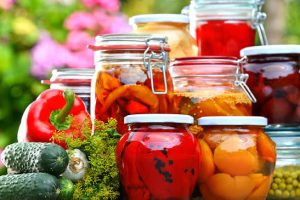
Food Preservations
3.Controlling Absorption of Water Food containing a high quantity of water will generally decay due to microbial contamination and the presence of enzyme activity.
4.Chemical Conservation Under some circumstances, chemical food preservatives can either stop germs from growing without killing them or stop food quality from declining during manufacture and distribution. farm and Cooling House.
Summary
Food deterioration is prevented by food preservation. It slows down microorganisms, which are microscopic organisms like bacteria. Food spoils as a result of these microorganisms. Food can be preserved to keep it safe and extend its shelf life.

Music Recording Apps for Phones

Review of Bandlab Music App

N-Track Studio Review

A Step-by-Step Guide to Deleting Reels on Instagram

A Comprehensive Guide to Setting Up a YouTube Premiere