Heart health
Heart Failure Management

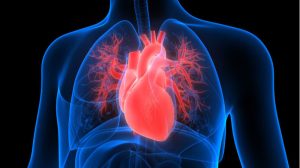

Heart failure management. This is a complicated illness that needs to be carefully managed in order to avoid complications and preserve quality of life. Despite being a devastating diagnosis, many people with heart failure enjoy active, satisfying lives when they receive the proper care and make lifestyle changes. For a complete assessment and the right treatment, it’s critical to consult a doctor if you or a loved one is exhibiting heart failure symptoms.
HEART FAILURE MANAGEMENT
Although the heart isn’t abruptly stopping, heart failure is characterized by symptoms including exhaustion, shortness of breath, and swelling in the legs, feet, and belly owing to fluid buildup. Although it can have an abrupt onset (acute), it is typically a chronic illness treated with medication, lifestyle modifications, and occasionally surgery. One or both sides of the heart may be affected, and causes include heart muscle damage (heart attack, high blood pressure) or valve issues.
Causes;
Heart failure typically results from conditions that damage or overwork the heart muscle, such as:
1. Coronary Artery Disease (CAD): CAD is the most common cause of heart failure. It occurs when the arteries supplying blood to the heart become narrowed or blocked, reducing blood flow and oxygen to the heart muscle.
2. High Blood Pressure: Persistent high blood pressure forces the heart to work harder to pump blood, eventually weakening the heart muscle.
3. Heart Attack: A heart attack, caused by a blocked artery, damages the heart muscle, reducing its ability to pump effectively.


4. Cardiomyopathy: This is a disease of the heart muscle that can be inherited or caused by factors such as alcohol abuse, infections, or the use of certain drugs.
5. Valve Diseases: Faulty heart valves can lead to heart failure by making the heart work harder to pump blood.
Symptoms;
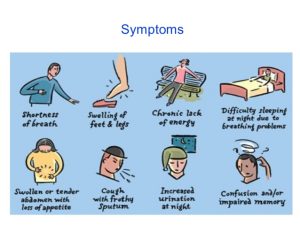
The symptoms of heart failure can vary depending on the severity of the condition but often include:
– Shortness of Breath: This may occur during physical activity or even at rest, particularly when lying flat.
– Fatigue: Constant tiredness and weakness are common as the heart struggles to supply enough blood to the body.
– Swelling (Edema): Fluid buildup in the legs, ankles, feet, or abdomen can occur due to the heart’s reduced ability to
pump blood effectively.

Heart failure management.
– Persistent Coughing or Wheezing: This may be accompanied by white or pink-tinged phlegm, a sign of fluid buildup in the lungs.
– Rapid or Irregular Heartbeat: The heart may beat faster or irregularly as it attempts to compensate for its reduced pumping ability.
Treatment:

Heart failure management.
1. Medications:
Various drugs are used to manage heart failures, including diuretics to reduce fluid buildup, ACE inhibitors or ARBs to lower blood pressure, and beta-blockers to reduce the heart’s workload.
2. Lifestyle Changes:
Adopting a heart-healthy lifestyle is crucial. This includes reducing salt intake, maintaining a healthy weight, engaging in regular physical activity, and avoiding alcohol and tobacco.
3. Surgical Procedures:


Heart failure management.
In some cases, surgery may be necessary to treat underlying causes of heart’s failure, such as repairing or replacing a damaged heart valve, or implanting a device to help the heart pump more effectively.
Summary
The inability of the heart to pump blood effectively enough to meet the body’s needs is known as heart failure, a chronic, progressive ailment. Heart failure does not imply that the heart has completely stopped functioning, despite its name. Rather, it shows that the heart is having difficulty carrying out its essential function, which can result in a number of symptoms that have a substantial negative influence on quality of life.