oil
Homemade Coconut Oil


Homemade coconut oil. The coconut palm tree, which belongs to the Arecaceae family of plants, yields coconut oil, an edible oil that is derived from the meat of mature coconuts. Despite their name, coconuts are actually drupes fruits with a single seed rather than nuts.
We’ve seen the coconut gain popularity in both our kitchens and bathrooms, whether it’s for sipping coconut water, moisturizing with the oil, or adding a teaspoon to baked goods.
HOMEMADE COCONUT OIL
Coconut oil, known for its versatile uses and health benefits, can be easily crafted at home. Richer in antioxidant polyphenols and other nutrients like vitamin E, virgin coconut oil is considered to be of superior quality compared to refined coconut oil. In this guide, we’ll take you through a step-by-step process to make your own pure and natural, homemade coconut oil.
Ingredients
– Fresh coconuts
– Water
Procedure:
1. Grate the Coconut


Start by grating the flesh of fresh coconuts. This can be done using a coconut grater or a food processor
2. Extract Coconut Milk
Once grated, extract coconut milk by adding a bit of water to the grated coconut and squeezing it. Strain the mixture to obtain the coconut milk.
3. Let it Sit
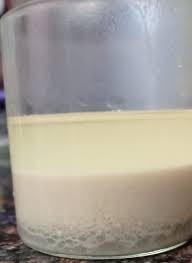
Allow the coconut milk to sit undisturbed for a few hours. During this time, the oil will naturally separate from the water.

4. Separate the Oil
Carefully separate the coconut oil from the water. This can be done using a spoon or by gently pouring the mixture, allowing the oil to float to the top.


5. Heat the Oil
To remove any remaining water content, heat the separated coconut oil in a pan on low heat. Stir occasionally until you see the oil becoming clear.


6. Strain and Store
Once heated, strain the oil to remove any impurities. Transfer the clear coconut oil into a clean, dry container for storage.


Congratulations! You’ve successfully created your homemade coconut oil. Enjoy the satisfaction of using a product crafted with care and free from additives. Experiment with this natural elixir in your cooking, skincare, or haircare routines.
BENEFITS
beneficial in the management of skin disorders
For the prevention and treatment of mild to moderate cases of chronic skin disorders, including atopic dermatitis, topical application of coconut oil appears to be supported by a small but consistent body of evidence. Psoriasis and eczema are two complicated skin ailments that it has also been demonstrated to help.
prevent damage to hair


It seems that the lauric acid in coconut oil has a strong affinity for hair protein and can enter the hair shaft due to the oil’s structure. This suggests that coconut oil and products derived from it could help shield hair from damage brought on by protein loss from UV exposure and grooming.
Summary
Dietary diversity and taste can be enhanced with coconut oil. There is, however, little investigation on its possible advantages. While switching from one oil to another may be good for health, people should keep in mind that increasing the amount of any oil in their diet is unlikely to help them lose weight or get healthier overall. As part of a varied diet, people should always take oils and fats in moderation. More guidance and assistance regarding developing a balanced diet that incorporates coconut oil can be obtained from a medical professional.
Read more health benefits of coconut oil here