Health
Hormonal Imbalances and Bedwetting

Hormonal imbalances and bedwetting. Effective management requires an understanding of the complex link between hormonal imbalances and bedwetting. Seeking advice from medical professionals guarantees a thorough assessment and customized interventions to address imbalances and assist people in overcoming both are reasons are detected.
HORMONAL IMBALANCES AND BEDWETTING
Bedwetting, sometimes called nocturnal enuresis, is a problem that can be caused by a variety of factors, are a major contributing factor. Urine production and bladder control are two of the many bodily functions that hormones regulate. This article examines the relationship between both, shedding light on how these intricate systems interact.
The Role:
Vasopressin – The Anti-Diuretic Hormone (ADH):
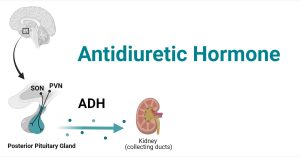

A key hormone in the context of bedwetting is vasopressin, also known as the anti-diuretic hormone (ADH). Vasopressin regulates the amount of water reabsorbed by the kidneys, reducing urine production. During sleep, the body typically releases higher levels of vasopressin to minimize the production of urine and maintain dryness through the night.
Insufficient Vasopressin Production:
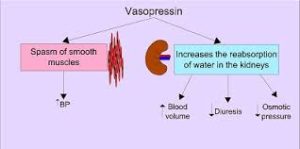

Hormonal imbalances can lead to insufficient production of vasopressin, affecting the body’s ability to regulate urine output during sleep. This deficiency can result in increased urine production, contributing to bedwetting episodes.
Ineffective Response to Vasopressin:
Even if the body produces an adequate amount of vasopressin, it may interfere with the receptors’ response to this hormone. In such cases, the body may not effectively recognize the signals to reduce urine production during the night.
Identification;
Persistent Bedwetting:


Hormonal imbalances and bedwetting
If a child or individual consistently experiences bedwetting and other common causes have been ruled out, hormonal imbalances may be a factor. It’s essential to monitor the frequency and patterns of bedwetting to identify potential hormonal influences.
Medical Evaluation:
A thorough medical evaluation, including hormonal assessments, can help determine if imbalances are contributing to bedwetting. Healthcare professionals may conduct blood tests and other diagnostic measures to assess hormone levels and their impact on bladder control.
Management:
1. Medication and Hormone Therapy:


In cases where they are identified, healthcare professionals may recommend medication or hormone therapy to address deficiencies or enhance the body’s response to vasopressin. This targeted approach aims to restore a more balanced hormonal environment.
2. Lifestyle and Dietary Adjustments:


Hormonal imbalances and bedwetting
Adopting a healthy lifestyle, including proper hydration, balanced nutrition, and regular physical activity, can support overall hormonal balance. Lifestyle adjustments can complement medical interventions and contribute to improved bladder control.
Summary
Bedwetting (nocturnal enuresis) can be brought on by hormonal abnormalities, particularly a lack of antidiuretic hormone (ADH) (vasopressin), which fails to lower pee production during the night and results in an overfilled bladder. Other hormonal influences include underlying conditions like diabetes and variations in women’s estrogen and progesterone levels.