
Children
How to make your Kids Run Faster


HOW TO MAKE YOUR KIDS RUN FASTER
How to make your kids run faster. There is no one-size-fits-all activity like running. Even if they are only slightly different, everyone will look different when they run. This is caused by the various combinations of lower limb biomechanics and function, timing and muscle strength, and other unique characteristics. As these body parts move through the running gait cycle, they all come together to form a special package. Some may seem gangly, while others may appear stiff. Additionally, a tiny percentage of people appear to have been born to run.
HOW TO MAKE YOUR KIDS RUN FASTER
Young children enjoy running. sprinting is the first thing they do after learning to walk. It’s the best thing in the world to them. They just chug along, grinning and laughing the entire time, half the time even realizing they’re doing it. As children grow older, they start to enjoy sprinting in addition to movements. Actually, they adore a wide variety of explosive motions. Of course, they are unaware of that.
1. Running Methods

Large group of children running in the dandelion spring field
The focus of posture is to run “tall” with high hips. Use the “belt buckle” to take the lead. Don’t recline. A “tall” posture enables a lighter, quicker action and a full range of leg movement. Children frequently run with their hips low and back in a “sitting” position. “Low” hips cause heavy, sluggish movements by limiting leg action.
2. Focus on arm action
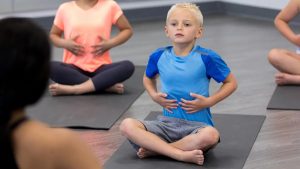
Consistent shoulders. Hands that are slightly closed. Driving arms that move backwards and downwards as opposed to forwards and upwards. No hands crossing over the midline of the body. The elbow angle opens and closes slightly during the forward and backward swings.
3. Focus on leg action

Kids participate in the 2019 Air Force Marathon Tailwind Trot 1K Kids Race hosted by Wright State University, Ohio, Sept. 20, 2019. The kids race was added for the little ones to also enjoy the weekend festivities, prior to the full marathon, half marathon, 10K and 5K. (U.S. Air Force photo by Michelle Gigante)
A high knee, high stepping motion. Dorsiflexed feet are drawn back toward the shins. The forward-pointing feet. Focus on arm action,.
4. Consistent shoulders

Hands that are slightly closed. Driving arms that move backwards and downwards as opposed to forwards and upwards. No hands crossing over the midline of the body. The elbow angle opens and closes slightly during the forward and backward swings.
Focus on leg action
a high knee, high stepping motion.
Dorsiflexed feet are drawn back toward the shins. The forward-pointing feet.
Strength
the application of diverse exercises that foster children’s explosiveness. For instance, standing long jumps. A medical ball is thrown. begins in a variety of positions. Fun short-distance running games and races. Method of Beginning As needed, based on the athlete’s age and developmental stage: Standing begins § Block starts§ Crouch starts
Method of Acceleration

Focus
Ankle to ears in a forward lean; Pay attention to the first few steps. During the first few steps, all of the power comes from the top of the head. A large arm gesture. Gradually ascend to a tall running position. 3. Top Speed chances to run short distances at top speed with strong recovery. Flying starts are what I prefer, with a jog or skip build-up of 10–20m and a maximum sprint of 15–30m.
The capacity to sustain speed over an extended period of time is known as speed endurance. Repetitive runs over a moderate distance with good technique, rhythm, and balance are a good way to help kids 11 years old and older develop this ability.
Summary
the goal of coaching children to run is to develop power, maximum speed, and speed endurance while teaching dependable technique, acceleration, and starting skills. Speed endurance should be the least important factor, while technique should come first. The idea that the basics must come first serves as the foundation for all of this.

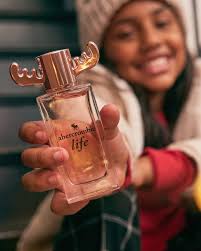
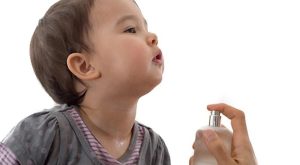
Kids and perfumes. The potential hazards of putting perfumes on newborns much outweigh any perceived benefits, even though the image of a sweet-smelling baby could be alluring. Extra care and attention are necessary due to the sensitive nature of an infant’s skin, respiratory system, and general growth. Parents can protect their infant’s health and comfort while avoiding the risks associated with perfumes by selecting safer, carefully made products.
KIDS AND PERFUMES
While perfumes and fragrances are often used by adults to enhance personal scent, their use on infants is strongly discouraged. Here are four critical reasons why perfumes are not suitable for infants:
1. Sensitive Skin;
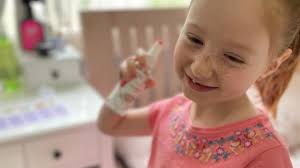
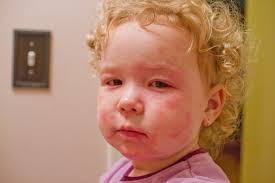
Infants have incredibly delicate and sensitive skin, which is much thinner than that of adults. This makes them more prone to irritation and allergic reactions. The chemicals and alcohol present in most perfumes can cause redness, rashes, and dryness. Given the immaturity of an infant’s skin barrier, applying perfume can lead to significant discomfort and skin issues.
2. Respiratory Concerns;
Infants have developing respiratory systems that can be easily affected by strong scents. The volatile organic compounds (VOCs) found in perfumes can contribute to respiratory problems such as wheezing, coughing, and in some cases, more severe conditions like asthma. Infants’ lungs and nasal passages are particularly sensitive, and exposure to strong perfumes can exacerbate these vulnerabilities.
3. Potential Allergens;
Kids and perfumes
Many perfumes contain a variety of ingredients that can act as allergens, including synthetic fragrances, essential oils, and preservatives. Infants, with their still-developing immune systems, are at a higher risk of experiencing allergic reactions to these substances. Symptoms can range from mild, like itching and swelling, to severe, such as difficulty breathing and hives.
4. Endocrine Disruption;
Some ingredients commonly found in perfumes, such as phthalates, are known endocrine disruptors. These chemicals can interfere with the body’s hormonal systems and have been linked to various health issues, including developmental problems. Given that infants are in a critical stage of growth and development, exposure to endocrine disruptors can have long-lasting and potentially serious consequences.
Safer Alternatives for Infants;
Kids and perfumes
Instead of using perfumes, parents and caregivers should opt for products specifically designed for infants. Mild, fragrance-free baby lotions, shampoos, and soaps are formulated to be gentle on sensitive skin and free from harmful chemicals. Keeping infants clean through regular bathing and ensuring their clothing and bedding are washed with hypoallergenic detergents can also help maintain a pleasant and fresh scent without the risks associated with perfumes.
Summary
Safety and skin sensitivity are the top priorities when it comes to children and perfumes. Because adult perfumes contain strong alcohol and compounds like phthalates that can cause skin irritation or respiratory discomfort, pediatricians typically advise against applying them on young children. Instead, choose kid-friendly, gentle, alcohol-free, and hypoallergenic formulas.
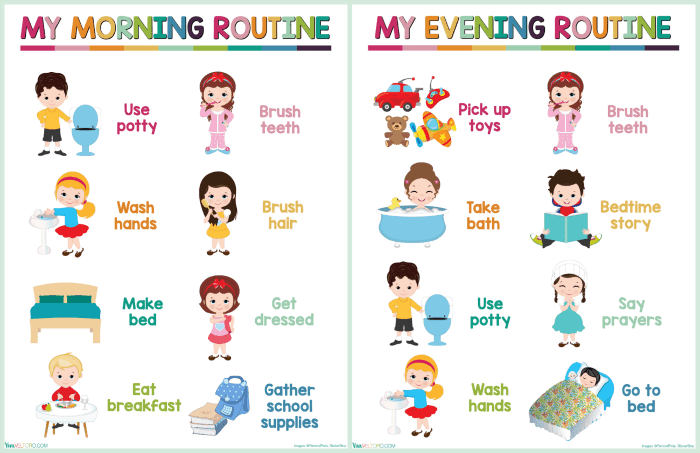
Morning routine and kids. Preparation, consistency, and the development of independence are necessary for a good morning routine with children; ideally, it should take 45 to 60 minutes to avoid hurrying. To promote independence and lessen morning stress, important tactics include making a visual checklist, preparing supplies the night before, and allowing children to pack bags and get ready independently.
MORNING ROUTINE AND KIDS
Within ten minutes of waking up, a productive morning routine supported by science emphasizes consistency, drinking, and exposure to natural light. Delaying phone use to prevent distraction, mild exercise (such as walking or stretching), and eating a high-protein breakfast are important strategies. To control cortisol levels, avoid caffeine for the first half hour.
It’s not always a given that your morning will go smoothly from waking up to leaving the house if you live with other early risers. There are a few simple things you can do to establish an easy morning routine for kids that will help keep the early hours from becoming a lesson in chaos, whether you need a refresher or are getting ready for newly busy days.
Make sure the kids get enough sleep;
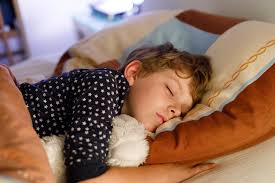
It’s a simple reality that children who don’t get enough sleep will not be happy when the light comes on in the morning.
Prep backpacks the night before;
When everyone is in high gear, it helps retain the flow and your sanity. There’s no better feeling than doing your schoolwork and packing it up the night before. It’s one less thing to do in the morning.
Wake up at the same time every day;
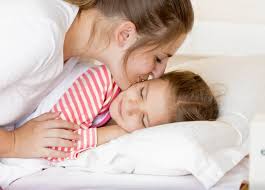
Morning routine and kids
Who hasn’t at least once considered hitting the snooze button? Your internal body clock determines when it’s time to get up and shine since the most successful morning individuals wake up at the same time every day. Your best bet for a successful weekday morning routine is getting up at the same time every day, regardless of how much you enjoy sleeping in on the weekends.
Let the light shine in;
Lift the window shades to let in the morning light as soon as the alarm goes off. Compared to the dark, light causes our body to wake up more quickly. When your children wake up, have them open the curtains or blinds. Get out of bed and turn on the light if you wake up before the sun rises.
Start with a power jam;

Morning routine and kids
Theme tunes have a certain inspirational quality. Play their all-time favorite song or a timeless masterpiece like Eye of the Tiger at seven in the morning to energise the troops. Play your go-to tune every day or create a playlist that you can switch up every week. Let’s start the celebration this morning!
Summary
By creating a proactive, organized start to the day, a regular morning routine lowers stress, increases productivity, and improves mental clarity. It reduces decision fatigue, promotes intentional habits that improve physical health, and increases emotional resilience, enabling a more composed and regulated response to day-to-day issues.
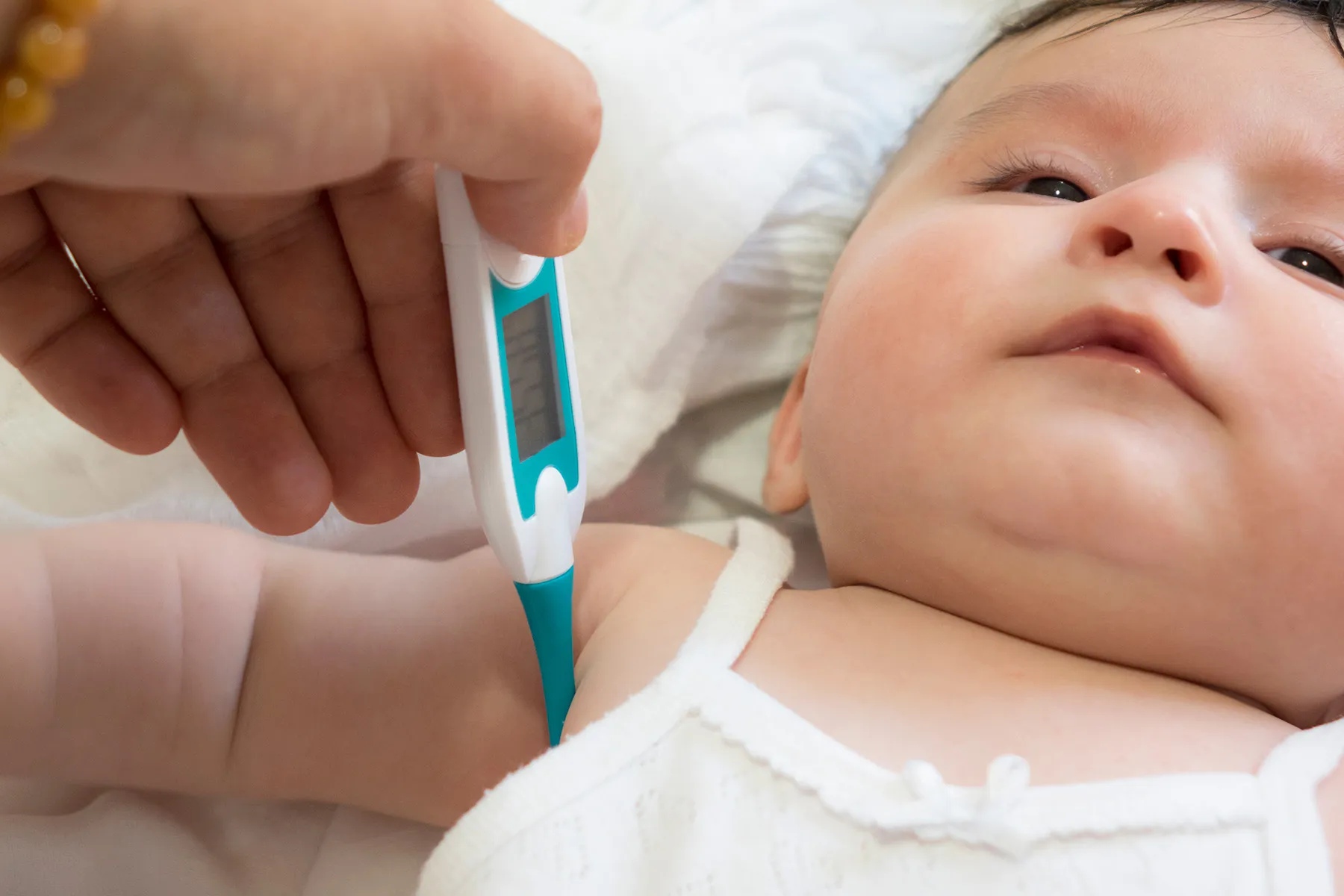
Fever and newborn babies. A fever, also known as pyrexia, is a transient rise in body temperature that typically occurs beyond €100.4^{\circ}F\) (\(38^{\circ}C\)), serving as an immunological reaction to bacterial or viral diseases. The body uses it as a defense mechanism to combat sickness. Sweating, headaches, chills, and shivering are typical symptoms.
FEVER AND NEWBORN BABIES
Infants in their first four weeks of life are known as newborns, or neonates. They are distinguished by quick changes, frequent sleeping (14–17 hours a day), and frequent feedings (every two to four hours). Skin-to-skin contact, drying the umbilical cord, postponing washing, and feeding on demand are examples of essential care. Their primary mode of communication is crying, which peaks around four weeks.
What Is An Infant Fever?
A fever is defined as a temperature of 100.4 degree Fahrenheit or greater in new borns and babies. Infants often have a temperature between 97.3 and 100.3 degrees Fahrenheit. Your baby gets a fever to ward off infections
When a baby has afever, they typically feel warmer and look flushed. Fever frequently causes perspiration, shivering, bodily aches, loss of appetite, and irritability. In the event that your infant develops a fever, please call your doctor immediately
Symptoms;
If your infant has a high temperature, there will probably be noticeable symptoms. Frequently, your infant will behave and react differently than typical to routine tasks like feeding, sleeping, and playing. Your baby’s feveris indicated by the following signs of newborn fever:
- Seizures
- Fewer wet diapers
- Rash
- Vomiting
- Diarrhea
- Looks ill
- Sore throat
- Ear infection
- Body aches
- Headaches
Causes;
What gives newborns a fever? Fever in babies and infants is mostly caused by three factors: dehydration, hyperthermia, and infections. These “fever in baby” reasons each have distinct qualities of their own:
Infection;
Generally speaking, a fever indicates that your baby’s immune system is active and battling an infection. A fever is present in almost half of infants who are infected
Overheating
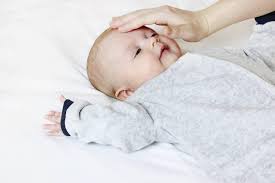
FEVER AND NEWBORN BABIES
When a baby is close to a heater or is covered in multiple layers of clothing and blankets, they can easily and rapidly become overheated. This might happen in a warm automobile or at home.
Dehydration
When a baby is close to a heater or is covered in multiple layers of clothing and blankets, they can easily and rapidly become overheated.This might happen in a warm automobile or at home.
How Do I Take My Baby’s Temperature?
Taking your baby’s temperature in their ear or beneath their arms is called axillary. Mercury thermometers should be avoided as they have the potential to break and cause mercury exposure or poisoning.
Treatment;
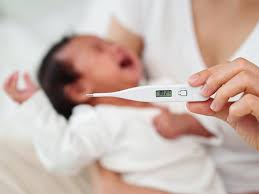
FEVER AND NEWBORN BABIES
Whenever your baby has a fever, contact your infant’s primary care physician. It’s not always necessary to take your infant to the hospital. If your child doesn’t require medical attention, there are a number of methods you can care for them at home:
1. Put on thin or light garments for your infant.
2. Assist your infant in drinking enough water
3. Take a lukewarm bath for your infant. Never bathe a baby in cold water if they have a temperature. They might shiver, have chills, or even feel hotter as a result of this. Bathe your infant with sponges.
4. To chill your baby, turn on a low-powered fan that is soft.
Summary
A rectal temperature of 100.4°F (“38^{\circ}C”) or greater in a baby (less than three months old) is considered a medical emergency. Babies’ immune systems are still developing, therefore Serious illnesses like meningitis or sepsis can develop rapidly from infections. If you have a fever at this age, call your pediatrician or visit the ER right away.

Agricultural sector of the economy

Agricultural forms

Tips for successful proofreading

A Step-by-Step Guide to Deleting Reels on Instagram

A Comprehensive Guide to Setting Up a YouTube Premiere










Pingback: Oatmeal & Pear Purée: A Nutritious Baby Food Recipe - SimplExplainer
Pingback: Lifestyle Choices for a 6-Month-Old Child: A Guide for Parents - SimplExplainer