
Health
How to Manage Amyotrophic Lateral Sclerosis


HOW TO MANAGE AMYOTROPIC LATERAL SCLEROSIS
How to manage amyotropic lateral sclerosis. Amyotrophic lateral sclerosis is a neurodegenerative disease that impairs nerve cell-muscle communication. Over time, it causes muscle weakness that worsens. The symptoms may impact your speech, breathing, and movement. Treatment for ALS involves both medication and therapy to control symptoms and slow the disease’s progression.
HOW TO MANAGE AMYOTROPIC LATERAL SCLEROSIS
Amyotrophic lateral sclerosis, is a neurodegenerative condition that damages the brain and spinal cord’s nerve cells, or neurons. Your motor neurons are the goal. These control your voluntary breathing and muscular movements, such as the ones you use to chew, talk, and move your arms and legs. While there isn’t a cure for ALS, new medicines are being developed all the time. The disease’s course can be slowed and your quality of life enhanced with the correct combination of treatments.
Symptoms

ALS symptoms include: • Weakness in the arms, legs, and neck muscles. Muscle cramps. • Fasciculations, or twitches, in your tongue, hands, feet, and/or shoulders. • Stiff muscles. • Speech difficulties, such as slurred or difficult-to-form words. • drooling. • Uncontrollable emotional reactions, such as sobbing or laughing. • Exhaustion. • Dysphagia, or trouble swallowing. These symptoms worsen after beginning mildly. Each person experiences symptoms at a different rate.
Risk Factors
Among the risk factors for ALS are: • Age: Symptoms are more likely to appear between the ages of 55 and 75. •
1. Race and ethnicity
ALS is more common in white (non-Hispanic) individuals.
2. Sex
Men are more vulnerable to incidents that happen before the age of 55.
3. Veterans
Veterans of the armed forces may be more vulnerable. According to researchers, it may result from physical trauma or exposure to poisons or pesticides in the environment.
Treatment

Damage to motor neurons cannot be repaired. However, receiving treatment can help you live a better life and slow the progression of your symptoms. The ALS treatments listed below may be suggested by your care team: • Drugs. • Rehabilitative therapies. • Assistance with nutrition. • Assistance with breathing. As the illness worsens, you could require more or other forms of treatment. To help you live as comfortably and independently as possible for as long as feasible, supportive care is also provided to match your needs.
Physical treatment: Improving your safety and independence is the aim of physical therapy for ALS. Walking or swimming are examples of mild aerobic exercise that can build muscle and enhance overall health.
Occupational therapy: This field gives you methods and approaches to get through the day. This is beneficial if you require assistance technology, such as braces, a wheelchair, or a walker. You can learn how to utilize these gadgets and move without feeling worn out with the assistance of occupational therapists.
Speech therapy: Communication training helps you keep talking for as long as possible, and speech therapy offers techniques for safer swallowing. You can learn nonverbal communication techniques from speech therapists as well. Nonverbal communication saves energy, even if you can still communicate verbally.
Prevention

There isn’t a known way to stop ALS. To help develop future preventative strategies, research is being conducted to better understand the causes and risk factors.
Summary
When someone is diagnosed with ALS (amyotrophic lateral sclerosis), many questions and feelings may arise. Being unable to perform daily tasks as well as you once could, such as brushing your hair, eating, or conversing with loved ones, can even leave you feeling overburdened and irritated. Depression and anxiety may result from this, particularly when symptoms gradually worsen.

Nutritional Value of Instant Oats. The Quaker Oats Company initially introduced Quaker Instant Oatmeal in 1966. Whole grain oats are used to make it. There are several ways to consume it, but the most popular ones are with milk or water.For those looking for a quick and easy breakfast option, instant oats are a popular option. Instant oats are made from precooked and then dried oat groats. Because they are finely processed, they cook quickly—often in a minute or two.
NUTRITIONAL VALUE OF INSTANT OATS
There are 101 calories in one packet of dry, plain, or fortified instant oats. 72% of the macronutrients are carbohydrates, 16% fat, and 12% protein. This is a good source of vitamin A (24% of your daily value) and iron (87% of your daily value).
Nutritional Benefits;

Despite their quick preparation time, instant oats retain many of the nutritional benefits associated with whole oats. They are a good source of dietary fiber, particularly beta-glucagon, which supports heart health and helps manage cholesterol levels. Instant oats also provide essential nutrients like iron, B vitamins, and antioxidants, contributing to a balanced diet.
Culinary Uses;

Nutritional Value of Instant Oats
Instant oat is incredibly versatile. It can be prepared simply by adding hot water or milk, making them ideal for busy mornings. Beyond traditional oatmeal, instant oats can be used in smoothies, baked goods, and even as a thickener for soups and sauces, adding nutrition and texture to various dishes.
Health Benefits;

Nutritional Value of Instant Oats
Incorporating instant oat into your diet can lead to several health benefits. It’s fiber content promotes digestive health and helps maintain a feeling of fullness, making them a great option for weight management. Additionally. With a low glycemic index, instant oat can provide sustained energy, making them suitable for those managing blood sugar levels.
Summary
For anyone on the run, instant oats provide a wholesome and practical breakfast choice. They can easily fit into a balanced diet while still providing excellent flavor and vital nutrients due to their ease of preparation and diversity in cooking.
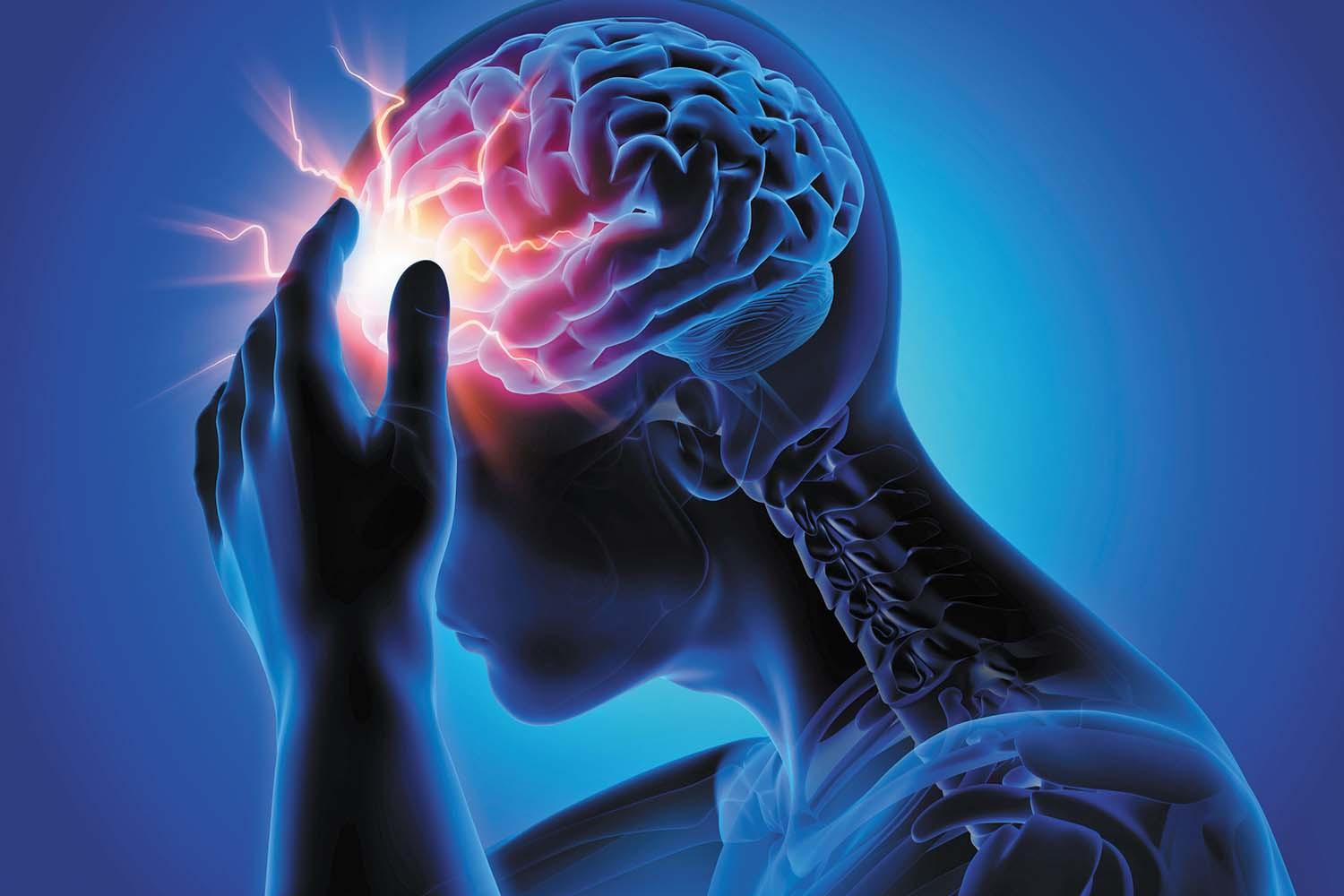
Reasons for Headaches, When your head and neck’s blood vessels, muscles, and pain-sensitive nerves become overactive or inflamed, they convey pain signals to your brain, resulting in headaches. Stress, dehydration, bad posture, sleep patterns, or specific meals are common triggers, and the underlying causes can range from core problems like migraines to secondary health ailments.
REASONS FOR HEADACHES
Pain is caused by migraines. There are a lot of common triggers. Most react to rest, fluids, and over-the-counter medication. You may get headaches from stress, food, alcohol, or strong light. Knowing what triggers to avoid could be helpful.
Stress;

Tension headaches are frequently brought on by tense shoulders and neck muscles, which are caused by stress. The brain interprets discomfort in the neck and shoulder muscles as headache pain when tension headaches occur frequently.
A tension headache or migraine can be brought on by hunger alone. However, some meals may make migraines worse. A single food type, such beans or nuts, or a variety of foods, like avocados, bananas, cheese, chocolate, citrus, herring, dairy products, and onions, could be the culprit. Particularly dangerous processed foods may contain monosodium glutamate, nitrites, nitrates, or yellow food coloring.
Alcohol intake;
One typical migraine trigger is alcohol. Any type of alcohol can cause a headache, but for some people, just a few ounces of red wine is enough to set them off. It’s unclear if the issue stems from the alcohol per se or from another ingredient in the beverage.
Environment;

The following environmental elements are linked to migraine headaches: strong odors, bright light, smoke, humidity, and cold weather. Individuals who suffer from cluster headaches frequently report that certain seasonal changes cause their migraines.
Hormones;
Women get headaches more frequently than males do, and changes in estrogen levels are linked to migraine symptoms in women. In younger women, migraines may be related to menstrual cycles. In certain cases, migraines can be brought on in women who have never had one by fluctuating estrogen levels during the perimenopause. Another possible cause of migraines is estrogen therapy. For most women, migraines do appear to stop with menopause.
Caffeine withdrawal;

Reasons for Headaches
If you typically get your caffeine from tea or coffee, quitting suddenly could make you get a migraine. This could be because blood vessels constrict when exposed to caffeine; in contrast, blood vessels expand and bulge out with every heartbeat when caffeine is absent, which is one of the main causes of migraines’ excruciating agony.
Lack of sleep;

Reasons for Headaches
Tension headaches and migraines are linked to sleep deprivation. Sleeping usually stops migraine attacks in their tracks, or at least lessens the intensity of the agony.
Summary
Drink a full glass of water, put a cool compress on your forehead, and find a quiet, dark place to rest for instant relief. Take an over-the-counter pain reliever, such as acetaminophen or ibuprofen, if necessary, but refrain from using them too often or in excess of the prescribed amounts to avoid rebound headaches.

Reasons for Morning Headaches. The causes of morning headaches are multifaceted, including primary headache disorders including migraines and cluster headaches, and secondary reasons such as sleep problems, hypertension, aberrant intracranial pressure, and brain parenchymal disease
REASONS FOR MORING HEADACHES
Do you frequently have headaches when you wake up in the morning? Do you have a headache every morning when you wake up? After that, you must conduct some research. Morning headaches are extremely frequent, and they typically don’t occur suddenly. You need to identify the source of your morning headaches in order to treat the throbbing pain in your head, which probably has an underlying reason.
1. Lack of Sleep;

Lack of sleep could be the cause if you feel like you wake up with a headache every time. You may have insomnia if you have problems falling or staying asleep, or if you get up early and find it difficult to go back to sleep.
2. Sleep Apnea and/or Snoring;
Sleep apnea interferes with sleep by creating periodic, transient breathing pauses throughout a person’s sleep. Although loud, persistent snoring is frequently associated with the illness, not everyone with sleep apnea has a noisy nighttime breathing pattern.
The disorder is a significant risk factor for weariness and headaches in the morning since it disrupts regular sleep and can lead a person to wake up multiple times during the night. Your body produces more pain-inducing proteins when it doesn’t get enough restorative sleep, which might lower your pain threshold and cause a headache.
3. Oversleeping;

Reasons for Morning Headaches
It may seem counterintuitive, but insomnia can also lead to headaches in the morning. Oversleeping frequently happens as a result of poor quality sleep during the night or a mental health issue like depression. Morning head ache is associated with both of these problems.
4. Muscle Strain or Tension
Tension headaches can be caused by muscle strain or tension in the neck, base of the skull, or both. Excessive tension in your scalp may possibly be the cause of your headache. If you experience a great deal of persistent stress in the neck or head area, one of the following factors could be to blame:
- Chronic stress
- Poor posture
- Too-tight hairstyles
5. Teeth Grinding;

Reasons for Morning Headaches
Teeth grinding, also known as bruxism, may be the cause if you frequently wake up with headaches and feel worn out and uncomfortable in your jaw. Your jaw’s tendons and muscles are overworked when you grind your teeth at night, and this can cause headaches every morning.
Summary
The most frequent causes of morning headaches include sleep apnea, bruxism, dehydration, or waking up during a migraine. Poor sleep posture, caffeine withdrawal, or irregular sleep patterns due to oversleeping or insomnia are other common factors.

Vitamin A Top Foods

Nutritional Value of Instant Oats
Foods Rich in Zinc

A Step-by-Step Guide to Deleting Reels on Instagram

A Comprehensive Guide to Setting Up a YouTube Premiere

How to Create a WhatsApp Group
-

 Health4 weeks ago
Harmful side effects of earphones
-

 Self esteem4 weeks ago
Tips for self esteem improvement
-

 Exercise4 weeks ago
Regular physical activities importance
-

 Health4 weeks ago
Headphones safety tips
-

 Business3 weeks ago
Local business promotion
-

 Entertainment3 weeks ago
Women and British dance music