
Finance
How to Set up Freelance Rates

HOW TO SET UP FREELANCE RATES
How to set up freelance rates. Are you looking for the right formula to determine how much you should charge as a freelancer? Everyone understands that time equals money. But how much is your time worth? How do your experience, abilities, location, value, industry, and other factors influence how much you can charge? In truth, the ideal freelancer price formula does not exist. You’ll have to choose a rate, and then you can watch how potential clients are reacting to it and raise or drop it to meet your demands.
Freelancing entails performing specific tasks for clients without committing to full-time employment. Many freelancers work on many projects for different clients at the same time.

HOW TO SET UP FREELANCE RATES
How to Set up Freelance Rates
1. Hourly pricing
Hourly pricing is the most typical way for new freelancers to set their rates because it is a simple model. This method involves calculating an hourly rate for your labor and multiplying it by the number of hours worked.
2. How to set up freelance rates. Project-based (fixed) pricing With this arrangement, the freelancer charges a flat fee for the entire project. Your salary is based on the results you give rather than the number of hours you labor. A value-based pricing approach allows the freelancer to charge a rate based on the perceived worth of their service to clients. Examples of projects well suited for fixed-price contracts include web design and mobile app development. This method demands a thorough understanding of clients’ needs, budgets, and expectations.
How to Set up Freelancing Rates
3 Set your annual salary goal. Understanding how much you need and want to make will help you work backward to determine the freelancer rate. Choose a yearly wage, and then use it to determine how many working hours you’ll need to get that salary.
4 Consider how many billable hours you need to work. While every scenario is unique, freelancers’ average hours.
5 When calculating your freelancer rate, you can modify this ratio to fit your needs.
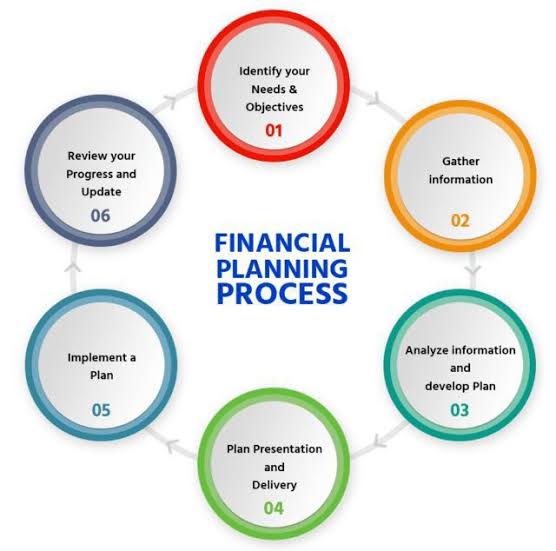
Tips for Planning Personal Finance. Understanding your income and expenses is the first step toward personal financial planning. To ensure your financial future, make a realistic budget, accumulate an emergency fund, settle high-interest debt, and establish specific short-term and long-term objectives.
TIPS FOR PLANNING PERSONAL FINANCE
How you handle your own finances, make purchases, save money, and make investments is known as personal finance. It includes budgeting, banking, purchasing insurance, and future planning.
Meaning?

Personal financial planning refers to how you manage your money, savings, expenses, and investments. It includes planning, banking, insurance, finances, emergencies, retirement benefits, and family support.
Importance;
1. Improved Standard of Living A financial plan can boost your standard of living by reducing taxes, making prudent investments, controlling costs, and building wealth.
2. You are prepared for emergencies. A strong financial plan contains an emergency fund to protect against unexpected catastrophes such as accidents, loss of income, or family problems.
More Importance;

3. You increase your wealth. To maintain your standard of living, your income and savings must stay pace. Contingencies are important since variables such as income and savings might shift.
4. You Secure Your Retirement. A financial plan protects your retirement by preparing for rising healthcare expenditures and maintaining a comfortable lifestyle in your golden years.
5. You make the most of your earnings. The first step in developing a financial plan is to create and stick to a budget. Areas of Personal Finance
Areas of Finance;
Tips for Planning Personal Finance
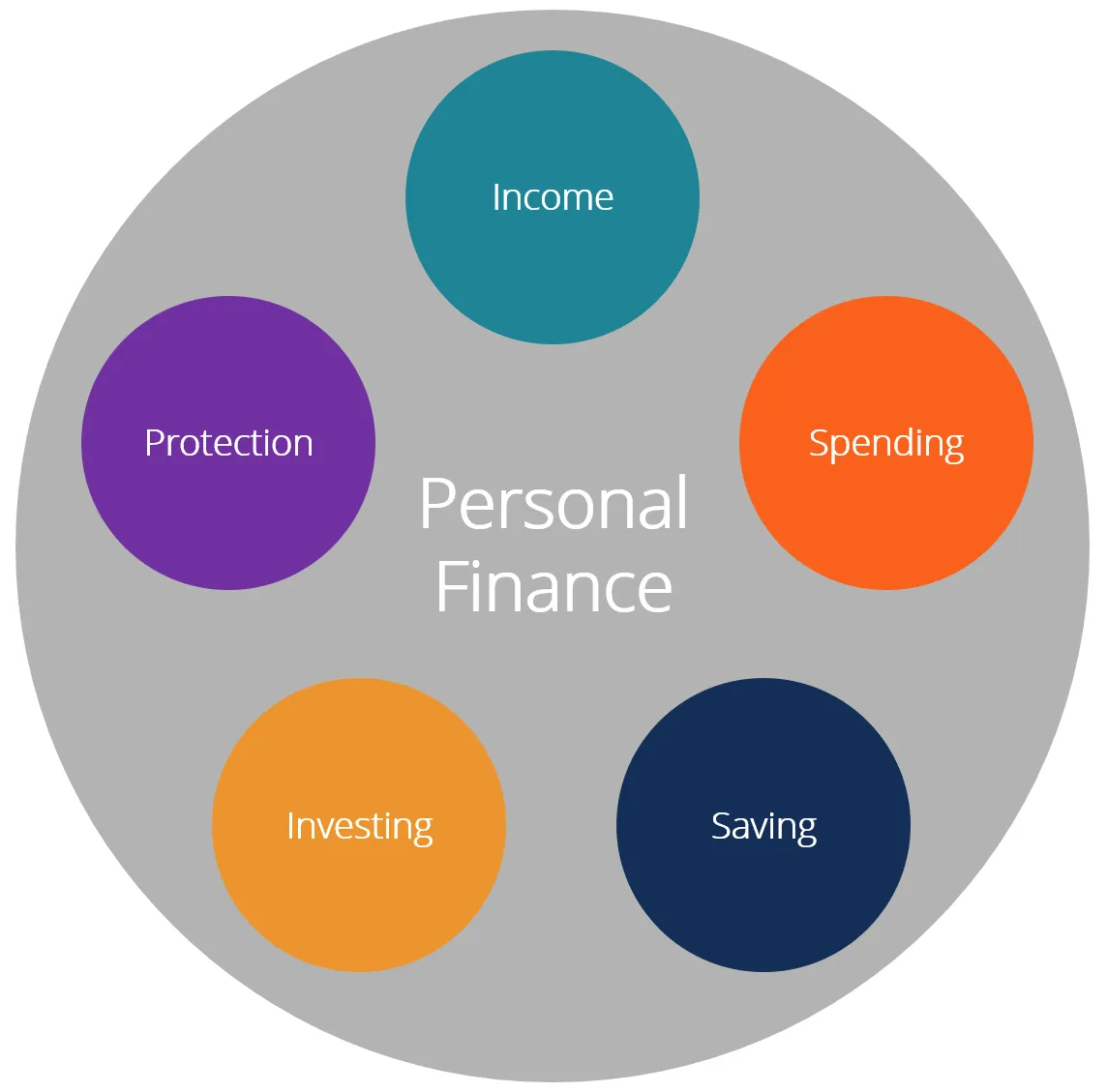
1. Income: Income is the starting point for personal finances.
It is the total amount of cash inflow that you receive and can use for expenses, savings, investments, and protection. Income is the total amount of money you bring in.
2. Spending: Spending is an outflow of cash and is usually where the majority of income goes. Spending is defined as anything that an individual purchases with their income.
3. Savings: this refers to the income left over after spending. Everyone should aspire to have enough money to meet major bills or emergencies.

Tips for Planning Personal Finance
4. Investing: Investing is the process of purchasing assets, typically stocks and bonds, to obtain a return on one’s investment.
Summary
Your income, the cost of living, your daily needs and desires, and coming up with a plan to satisfy those demands while staying within your means dictate everything.
Exploration of Personal Finances. The dynamic process of managing your finances, including income production, budgeting, saving, investing, and financial protection, is known as personal finance. It takes cautious debt management, proactive future planning, and a balance between daily spending and deliberate wealth-building practices to achieve long-term stability and freedom.
EXPLORATION OF PERSONAL FINANCES
These are a few more seasoned financial professionals! Are you ready to delve deeply into the intriguing realm of personal finance? Put on your seatbelts because we’re going to delve extensively into a variety of personal finance topics and explain why each is important to the overall financial picture.
What is personal finance?

Exploration of Personal Finances
All financial decisions and actions made by an individual or household, such as budgeting, insurance, mortgage planning, savings, and retirement planning, are referred to as personal finance. You may better manage your finances and set yourself up for future financial success by being aware of these words.
Importance;
In the dynamic world of today, adaptability is crucial, and personal finance is no different. The financial environment is always changing due to factors including tax legislation, economic trends, and new investment opportunities.

You can take advantage of opportunities, overcome obstacles, and prosper in any financial enviro ment by remaining knowledgeable.
1. However, the foundation of personal finance is budgeting. You may better monitor your spending, set spending priorities, and eventually achieve your financial objectives by making and adhering to a budget.

Exploration of Personal Finances
2. Meanhwile, increasing and establishing credit Numerous facets of your financial life are impacted by your credit scores. Among other important choices, your credit score has a big influence on your capacity to apply for credit cards, lease an automobile, and purchase a home.
3. Although, taking out and paying back debt You will probably need to take out a loan and incur debt at some point to fulfill a need or fulfill a personal or financial goal, such as going to college or finishing house improvements. to build wealth and save for retirement.
Summary
Regardless of your degree of financial literacy, this site is your go-to source for learning about the importance of personal money and how it impacts every aspect of your life. So grab your favorite snacks, sit comfortable, and let’s embark on this enlightening adventure together!


Personal finances. These are a few more seasoned financial professionals! Are you ready to delve deeply into the intriguing realm of personal finance? Put on your seatbelts because we’re going to delve extensively into a variety of personal finance topics and explain why each is important to the overall financial picture. Regardless of your degree of financial literacy, this site is your go-to source for learning about the importance of personal finance and how it impacts every aspect of your life. So grab your favorite snacks, sit comfortable, and let’s embark on this enlightening adventure together.
PERSONAL FINANCES
In order to attain financial stability and fulfill your long-term objectives, personal finance is the all-encompassing management of your money, including earning, spending, saving, investing, and protection. Making wise choices to make sure your money works for you rather than against you is essential to effective personal finance.
What is personal finance?
All financial decisions and actions made by an individual or household, such as budgeting, insurance, mortgage planning, savings, and retirement planning, are referred to as personal finance. You may better manage your finances and set yourself up for future financial success by being aware of these words.
Importance of personal finances;

In the dynamic world of today, adaptability is crucial, and personal finance is no different. The financial environment is always changing due to factors including tax legislation, economic trends, and new investment opportunities.
You can take advantage of opportunities, overcome obstacles, and prosper in any financial enviro ment by remaining knowledgeable.

PERSONAL FINANCES
1. However, the foundation of personal finance is budgeting. You may better monitor your spending, set spending priorities, and eventually achieve your financial objectives by making and adhering to a budget.
2. Meanhwile, increasing and establishing credit Numerous facets of your financial life are impacted by your credit scores. Among other important choices, your credit score has a big influence on your capacity to apply for credit cards, lease an automobile, and purchase a home.

PERSONAL FINANCES
3. Although, taking out and paying back debt You will probably need to take out a loan and incur debt at some point to fulfill a need or fulfill a personal or financial goal, such as going to college or finishing house improvements. to build wealth and save for retirement.
Summary
Finance is the study and discipline of money, currency, assets, and liabilities as well as financial resources. Planning, organizing, leading, and regulating an organization’s resources to accomplish its objectives are all part of this area of business administration.

The Causes of Political Apathy

Child Neglect and Causes

Environment Care Tips

A Step-by-Step Guide to Deleting Reels on Instagram

A Comprehensive Guide to Setting Up a YouTube Premiere

How to Create a WhatsApp Group
-

 Business3 weeks ago
How to Promote your Business
-

 Fashion3 weeks ago
Fashion Guide for Beginners
-

 Business2 weeks ago
Business Name Selection Tips
-

 Business1 week ago
Customers Satisfaction
-

 Business3 weeks ago
Tips for Running Online Business
-

 TECHNOLOGY3 weeks ago
Artificial Intelligence and the Future