Health
How to Stop Bedwetting

How to stop bedwetting. Involuntary urination while sleeping is known as nocturnal enuresis, or bedwetting, and it affects people of all ages but is most frequent in children. Small bladder capacity, deep sleep, constipation, heredity, or low ADH hormone levels are some of the causes. Moisture alarms, frequent bathroom visits, and restricting evening fluids are all part of management.
HOW TO STOP BEDWETTING
Limiting fluids one to two hours before bed, avoiding coffee and sugar in the evening, and making sure to use the restroom frequently throughout the day are all necessary to stop bedwetting. Bedwetting alarms, bladder training, and positive reinforcement are all quite beneficial for kids. It is typically resolved with patience and is frequently a developmental problem rather than a behavioral one.
1. Common Causes:
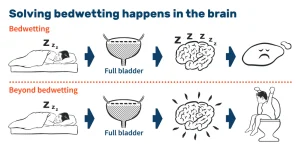

Nocturnal enuresis can result from various factors, such as delayed development of the bladder control system, hormonal imbalances, or genetics. Emotional stress, urinary tract infections, and sleep disorders can also contribute to this condition.
2. Age Considerations:
Bedwetting is more common in younger children, and many outgrow it with time. However, when it persists into adolescence or adulthood, it may require additional attention and intervention.
Strategies to Stop Bedwetting:
Establish a Routine:


Encourage regular bathroom breaks before bedtime to empty the bladder. Creating a consistent bedtime routine can help train the body to recognize when it’s time to sleep and reduce the likelihood of nighttime accidents.
Limit Fluid Intake:
Restricting the consumption of fluids, especially caffeinated and sugary beverages, in the evening can help minimize the likelihood of bedwetting. Ensure that the child stays hydrated throughout the day but gradually reduce intake closer to bedtime.
Use Protective Nocturnal enuresis:
Invest in waterproof mattress covers and protective bedding to ease the cleanup process and reduce the potential embarrassment associated with bedwetting incidents. This allows individuals to maintain a sense of normalcy and comfort.
Encourage Positive Reinforcement:


HOW TO STOP BEDWETTING
Praise and reward a child’s efforts to stay dry throughout the night. Positive reinforcement can boost confidence and motivation, making it more likely for them to actively participate in managing the issue.
Seek Professional Advice:
If bedwetting persists or is causing significant distress, consult with a healthcare professional. They can assess the situation, rule out any underlying medical issues, and provide guidance on appropriate interventions.
Implement Bedwetting Alarms:


HOW TO STOP BEDWETTING
Bedwetting alarms are designed to wake the individual as soon as they start to urinate, conditioning the body to recognize the sensation and wake up independently. These devices can be effective in training the bladder to hold urine during the night.
Summary
A small functional bladder capacity, deep sleep patterns, genetic predisposition, and delayed bladder maturity are some of the causes of bedwetting (nocturnal enuresis). Additional causes include chronic constipation, stress, low hormone levels (ADH), diabetes, urinary tract infections, and excessive urination during the night.