Food
Hummus

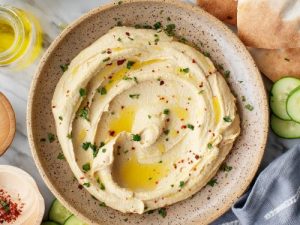
Hummus. A common dip, hummus is usually made with chickpeas, olive oil, lemon, garlic, and tahini (sesame seed paste). Originally from the Middle East, it is now widely accessible in stores and supermarkets, frequently with variations on the traditional recipe, including hummus with roasted pepper or caramelized onion. It is high in fiber, plant-based protein, and healthy fats.
HUMMUS
A versatile dish, hummus can be used as the ideal sandwich spread or as a creamy dip on its own. A mainstay of Middle Eastern cooking, hummus is made with chickpeas, tahini, olive oil, garlic, lemon, and spices. However, it has transcended cultural boundaries to gain popularity as a health meal.
1. beneficial fiber source
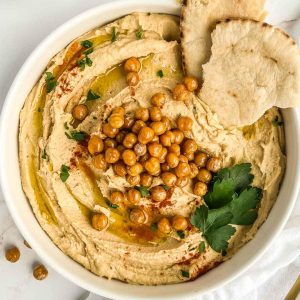
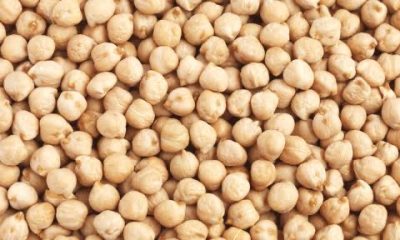
Hummus, which is made from garbanzo beans, or chickpeas, is naturally high in fiber. According to studies, the kind of fiber found in chickpeas improves intestinal health by increasing the quantity of good bacteria in our digestive tracts.
2. assist in regulating blood sugar levels

Because they are high in protein, resistant starch, and fiber, beans and pulses like chickpeas slow down the rate at which we digest them. This indicates that they release their energy more gradually and have a low glycaemic index (GI). Consuming more of these low-GI foods may help with blood sugar management by stabilizing blood sugar levels.
3. beneficial to the heart
In addition to the heart-healthy monounsaturated fats found in sesame seeds and olive oil, hummus also contains the fiber-rich chickpeas. Monounsaturated fats, particularly olive oil, may lower the risk of cardiovascular disease, whereas diets high in legumes, such as chickpeas, may help lower low density lipoprotein (LDL) cholesterol levels.
Always read the label if you use store-bought hummus because some brands use cheaper alternatives, including sunflower or rapeseed oil, in place of olive oil.
4. weight control
A lower body mass index, a smaller waist circumference, and a lower weight all seem to be linked to eating chickpeas on a regular basis. Amylose, a type of carbohydrate that makes up one-third of chickpeas, is partially to blame for this. Because this starch is more resistant to our digestive enzymes, foods with higher amylose content are less digestible.
5. Packed with anti-inflammatory compounds

The basic components of hummus, such as chickpeas, sesame seeds, and olive oil, have anti-inflammatory and other health benefits. Virgin olive oil is actually thought to have an anti-inflammatory effect comparable to that of ibuprofen.
6. Has Important Nutrients and Antioxidants
Chickpeas, the primary component of hummus, are rich in minerals with anti-inflammatory qualities and antioxidants. For instance, by regulating the production of white blood cells, researchers have discovered that olive oil helps reduce inflammation, which strengthens your immune system.
7. Enhances Gut Health
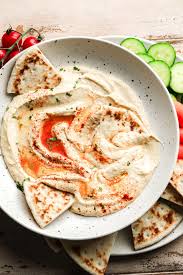
Fiber is also good for the digestive system. Dietary fiber that contains both soluble and insoluble fiber helps maintain regular bowel motions and makes you feel fuller. By slowing down digestion, soluble fiber lessens the body’s capacity to absorb carbohydrates and fats from food. As it moves through your digestive system, insoluble fiber gives your stool more volume and keeps you from becoming constipated.
Summary
A nutritious and adaptable snack is hummus. It provides protection against a number of illnesses and is nutrient-dense. Making your own at home is simple, and the grocery store offers a wide variety of tastes, including red velvet, chocolate mint, coconut curry, roasted garlic, and black bean. Just make sure the store-bought variety is free of additional preservatives, inflammatory oils like soybean, and added sweeteners.


Brunch time. “Brunch” is a fun English term that means “early lunch” or just “brunch.” It comes from the words “breakfast” and “lunch.” Winnie the Pooh visited Rabbit just after breakfast had long ago ended and she had not yet thought about lunch, thus it appears that she was the first to bring the idea of brunch to the world. Brunch is a standard Sunday morning meal that progressively moves into midday.
BRUNCH TIME
Brunch, which combines breakfast and lunch into a leisurely late-morning to early-afternoon weekend meal, is usually served between 10:00 a.m. and 2:00 p.m. or 3:00 p.m. This flexible dining window, which often runs from 11:00 a.m. to 1:00 p.m., frequently offers a combination of sweet and savory foods.
What time is brunch served?

The hours of 11 a.m. to 3 p.m. are when brunch begins. This kind of time span is not coincidental English breakfasts are traditionally served from 8 a.m. However, everyone is too tired to wake up early after a great Saturday night, so Sunday breakfast turns into brunch.
Brunch Food Ideas;
Pancakes:
Also, a breakfast mainstay are fluffy buttermilk pancakes. Add your own toppings, such chocolate chips, fresh berries, or even dollop of whipped cream, to make them uniquely yours. Pancakes are the ideal brunch food to serve to younger guests, as most brunch menus don’t have a kid’s section
Omelet:

BRUNCH TIME
Although, due to its versatility and ease of customization to suit a wide range of tastes, omelets are a brunch mainstay. provide an assortment of fillings, including various cheeses, bacon, sausage, vegan protein, spinach, mushrooms, tomatoes, and onions
Breakfast burrito:
However. with personalized breakfast burritos, you can cap off a delectable brunch. Top tortillas with your preferred cheese sauteed vegetables, crispy bason, and scrambled eggs. Remember to provide a variety of hot sauces and salsas for individual who want a stronger taste
Lox bagel:

Also, lox bagels are a popular option for people who want something lighter. A fresh bagel is topped with smoked salmon, cream cheese, red onions, capers, and a touch of lemon. offer a variety of bagel tastes, such as everything, plain, and even a gluten free version, to increase customization
Brunch Cocktails;
A great beverage to go with the meal makes brunch incomplete. Like brunch fare, it makes sense to have both savory and sweet alternatives to satisfy everyone’s palate.
Mimosa:
Although, the traditional brunch drink is a wonderful blend of orange juice and champagne. Get inventive and provide your guests with variety of juices, like as pineapple, mango, or strawberry, to go along with their bubbly instead of just orange.
Bloody Mary:

BRUNCH TIME
Meanwhile, a brunch favorite, the bloody mary is renowned for its robust and delicious ingredients. Customizing this cocktail is simple, regardless of whether you make your own bloody mary mix or purchase one already made. For more spice add a dab of hot sauce. Alternatively, top with candied bacon, veggies, and a spicy rim.
Summary
Brunch is often served between 10:00 a.m. and 2:00 or 3:00 p.m. and is a leisurely late-morning to early-afternoon weekend meal that blends breakfast and lunch. Sweet and savory dishes are generally served during this flexible dining window, which typically spans from 11:00 a.m. to 1:00 p.m.

Tips for 10minute breakfast. Choose high-protein, low-prep breakfasts like avocado toast, yogurt parfaits, or scrambled eggs with spinach to make a quick, healthy 10-minute meal. Use basic ingredients like toast, nut butter, and frozen fruit to reduce active cooking time and provide a quick, filling start to the day.
TIPS FOR 10MINUTE BREAKFAST
Eggs, Greek yogurt, oats, berries, and nuts are among the nutrient-dense breakfast options that offer vital nutrients and energy for the day. Common selections include robust options like egg pieces, pancakes, and traditional dishes like yogurt, cheese, and bread in various cultures, as well as quick, healthful meals like yogurt parfaits and avocado toast.
Importance of a Healthy Breakfast

Eating a healthy breakfast sets the tone for the rest of the day. It gives you the energy you need to boost your metabolism, control blood sugar, and enhance cognitive performance. A healthy breakfast improves focus, memory, and general perfrmance throughout the day, according to numerous studies. A well-balanced break fast can also aid in weight management by reducing the likelihood of overindulging later in the day. You can make sure that you never miss this important meal again by introducing easy and delectable break fast recipes into your daily routine.
1) Fruit & Yogurt Smoothie;

Just three ingredients are needd for this simple fruit smoothie recipe: yogurt, fruit juice, and any frozen fruit you happen to have on hand. You’ll never grow tired of your nutritious breakfast or snack if you switch things up every day.
2) Spinach & Egg Scramble with Raspberries
Breakfasts like this quick egg scramble with thick toast are some of the finest for losing weight. It has nutrient dense spinach, hearty whole grain toast, and protein rich raspberries and eggs. You feel fuller and have more energy throughout the morning because to the protein and fiber
3) Breakfast Salad with Egg & Salsa Verde Vinaigrette;
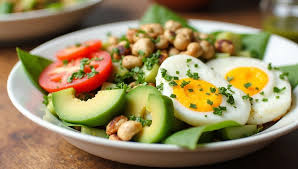
Tips for 10minute breakfast
Breakfast salad? Prior to trying it, don’t judge it. We adore that you may start your day with three full cups of vegetables with this meal.
4) Egg Salad Avocado Toast;
This 5- minute nutritious breakfast is like avocado toast and egg salad crossed
5) Peanut Butter-Banana English Muffin;

Tips for 10minute breakfast
Bananas and peanut butter were the first power couple. For a nutritious breakfast of champions top a plain toasted English muffin with the pair, then scatter everything with a little ground cinnamon.
Summary
With easy options like smoothies, egg dishes, or savory toast, you can have a quick and healthy breakfast in less than ten minutes. Smoothies, avocado toast, protein puddings, and egg-spinach cheddar sandwiches are popular quick dishes.
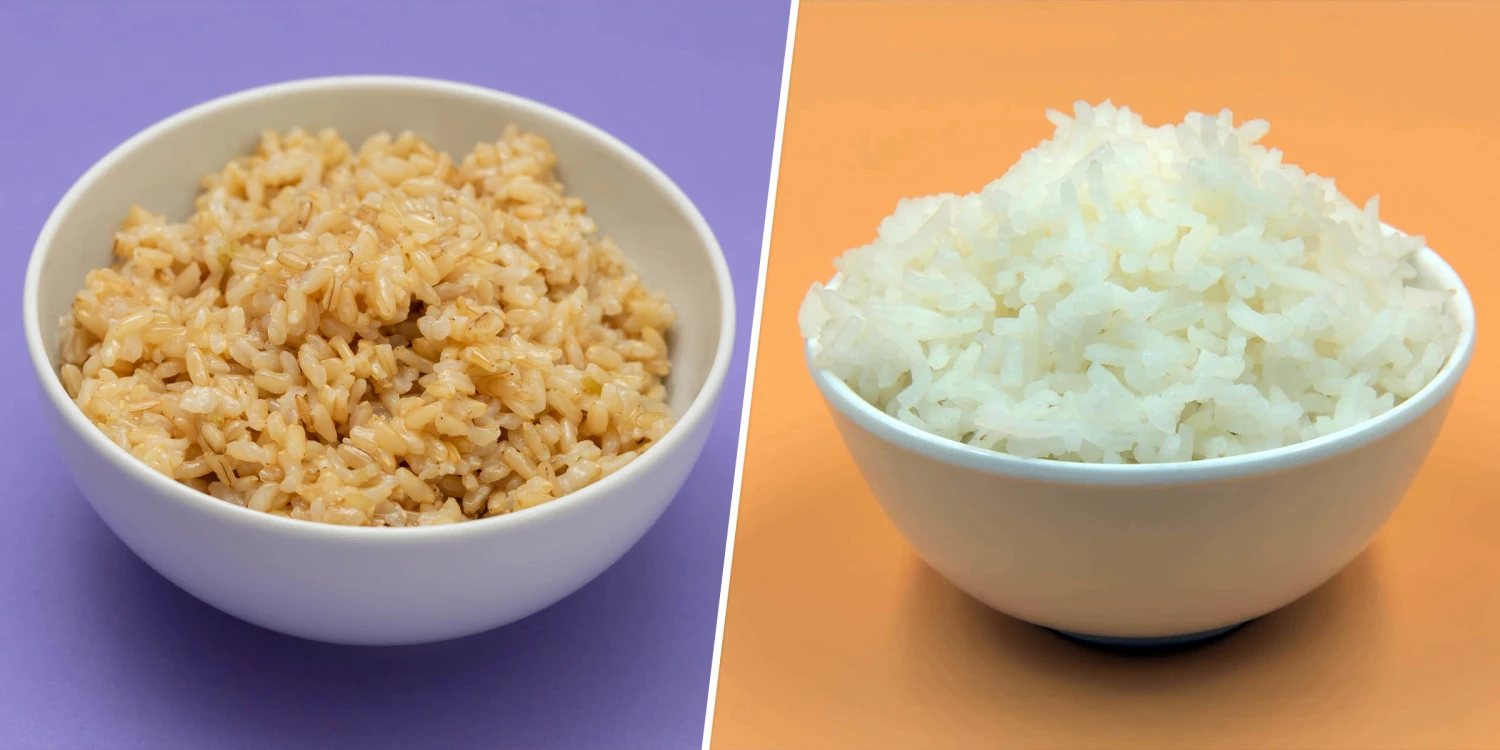
White and brown rice relevance. As a nutrient-dense, whole-grain substitute for refined white rice, brown rice is very relevant and offers several health advantages, such as better heart health, blood sugar regulation, and weight management. Brown rice preserves these nutrient-rich layers, giving it more fiber, vitamins, and minerals than white rice, which loses its bran and germ during processing.
WHITE AND BROWN RICE RELEVANCE
For billions of people worldwide, white rice is a staple diet that offers rapid energy, affordability, and vital elements like B vitamins. Despite having less fiber and nutrients than whole grains, it is a crucial economic crop, very adaptable in the kitchen, and easy to digest.
Difference between White And Brown Rice;
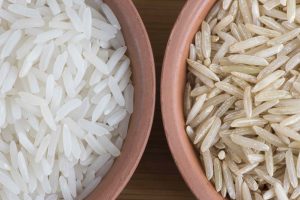
Rice (Oryza sativa) is one of the oldest cereal grains in the world. It contains carbohydrates, which provide energy to the body, but can raise blood sugar. People typically categories rice into two types: white or brown.
People have grown the grain for at least 5,000 years. It is a staple food for than Half Trusted Source of the world’s population, and 90% of the world’s rice comes from Asia.
There are thousands of types of rice, but depending on how producers process them, they fit into two groups: white or brown (whole grain).
White Rice;
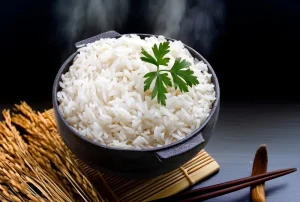
White and brown rice relevance
White rice is the most common type, though brown rice offers more health benefits. Brown rice comes in a variety of shades, including reddish, purplish, or black. It has more fiber, which helps support gut health and reduce inflammation.
Brown rice is an intact whole grain, containing both the bran and the germ, which are the most nutritious parts of the grain. They contain fiber, vitamins, minerals, and antioxidants
Brown rice contains several heart healthy components, such as minerals, antioxidants, lignans, and dietary fiber.
Eating high fiber rice as a substitute for white rice may aid weight loss, along with a decrease in cholesterol.
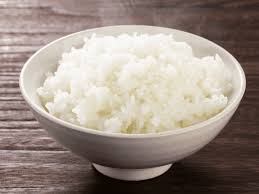
White and brown rice relevance
Difference between White and Brown rice
1) Brown rice contains several other plant compounds that research has linked with health benefits.
White rice is a poor source of antioxidants and other plant compounds. Pigmented rice, including red grained varieties such as purple rice , is particularly rich in antioxidants.
2) Brown rice is a whole grain that contains the bran and germ. These provide fiber and several vitamins and minerals.
Summary
These components have been eliminated from white rice, a refined grain that cooks more quickly and is softer. Two staple foods with different nutritional profiles and roles in a balanced diet are brown and white rice. Because of its retained bran and germ layers, brown rice is said to be more nutrient-dense, including more fiber, magnesium, and antioxidants, making it a superior option for blood sugar regulation and heart health. Refined and frequently fortified, white rice has less fiber, is simpler to digest, and provides quick energy, making it a good choice for people with digestive sensitivity or athletes who need fast-acting carbs.

How to turn off iphone

Techniques for stress management

Fingernails common diseases

A Step-by-Step Guide to Deleting Reels on Instagram

A Comprehensive Guide to Setting Up a YouTube Premiere