
art
Ideas for Decorating Men Bedrooms


Ideas for decorating men bedrooms. When creating a man’s bedroom, achieving the right equilibrium between masculinity and comfort is essential. The bedroom serves as the most significant space in a home, acting as your personal retreat where you can relax and de-stress after a long day. Therefore, it should be a space that you genuinely enjoy.
IDEAS FOR DECORATING MEN BEDROOMS
We have compiled our top ideas for men’s bedrooms to assist you in crafting an inviting environment where you can truly unwind. With these suggestions, you will be well-equipped to select wall colors, incorporate decorative elements, and customize your bedroom to reflect your personal style.
1. Incorporate Rich, Dark, or Moody Hues

Many popular designs for men’s bedrooms feature deep colors such as black, charcoal gray, and dark blue. To avoid a somber atmosphere, consider blending these darker shades with lighter tones in your decor.
2. Embrace a Monochromatic Scheme

A prevalent trend in men’s bedrooms is the use of a black and white color palette, which imparts a sophisticated and modern aesthetic. However, excessive use of these colors without introducing a vibrant accent can render the space feeling stark and uninviting.
3. Opt for Neutral Tones

for a Contemporary Vibe Gray has long been a favored choice in men’s bedroom designs due to its versatility with other colors. It pairs well with a black and white scheme, warmer shades like orange, or natural wood textures for a rustic appeal.
4. Utilize Warm Tones for a Rustic Aesthetic
Rustic-themed men’s rooms often incorporate neutral shades, exposed brick walls, or wooden paneling. Alternatively, warm tones such as muted red or burnt orange can be combined with weathered wooden furniture featuring clean lines.
5. Choose Earthy Colors for a Calming Effect
Embracing nature-inspired colors can enhance the masculinity of a space. Shades like charcoal gray, sage green, and smoky blue are frequently found in masculine bedrooms, providing a soothing and grounding ambiance. Mixing various tones of these colors can help establish a harmonious color scheme.
6. Make the Headboard a Central Feature

While the bed typically serves as the centerpiece of a bedroom, the headboard acts as a visual anchor that unifies the room’s design. The patterns, size, color, and material of the headboard can significantly influence the overall aesthetic.
7. Invest in a Platform Storage Bed

Men often prefer tidy environments, making platform beds an excellent choice as they serve as both a stylish focal point and a source of additional storage. Platform beds are available in various designs to suit different tastes.
Summary
Creating a man’s bedroom can be straightforward if you have a clear vision. Begin by selecting a focal point for the room, which could be the bed, headboard, television, or a piece of artwork, and build your design around it. By incorporating these men’s bedroom ideas, you can customize your space with items that reflect your interests while ensuring the room remains visually attractive and organized.

Koyoto viewing spots. Kyoto provides a sensory extravaganza in the spring with its numerous cherry blossom viewing locations. Whether you’re picnicking in parks, touring temple gardens, or walking along historic routes. The breathtaking splendor of Kyoto’s cherry blossoms is likely to wow visitors and leave them with lifelong memories.
KOYOTO VIEWING SPOTS
Japan’s historic city, Kyoto, is well known for its breathtaking cherry blossoms, rich history, and traditional culture. Visitors from all over the world come to see this fleeting beauty as the city comes to life in the springtime with the delicate hues of cherry blossoms, known in Japanese as “sakura.” The top ten locations in Kyoto to see cherry blossoms are as follows:
1. Maruyama Park;
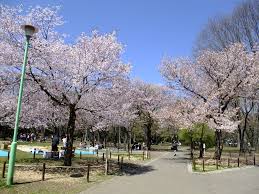
Located in the heart of Kyoto, Maruyama Park is one of the city’s most popular cherry blossom destinations. The park’s centerpiece is a magnificent weeping cherry tree, illuminated at night during the peak of the sakura season. Visitors can enjoy hanami (cherry blossom viewing) picnics under the canopy of blossoms.
2. Kiyomizu-dera Temple;
Perched on a hillside overlooking the city, Kiyomizu-dera. It offers breathtaking views of Kyoto and a picturesque backdrop for cherry blossom viewing. The temple’s spacious grounds feature several varieties of cherry trees. Including somei yoshino and yamazakura, creating a stunning display of pink and white blossoms.
3. Philosopher’s Path;
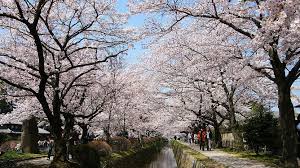
This tranquil walking path follows a canal lined with cherry trees, offering a serene setting for contemplation and cherry blossom viewing. The path winds through residential neighborhoods and is particularly scenic during the sakura season when the trees are in full bloom.
4. Arashiyama Bamboo Grove;
While known for its bamboo forest, Arashiyama also boasts beautiful cherry blossoms in the spring. Visitors can stroll along the paths lined with cherry trees and enjoy the harmonious combination of pink blossoms and verdant bamboo.
5. Heian Shrine;

Built to commemorate the 1100th anniversary of Kyoto’s foundation, Heian Shrine is renowned for its expansive gardens and stunning cherry blossoms. The shrine’s main garden, located behind the main hall, features a large pond surrounded by cherry trees, creating a picturesque scene reflected in the water.
6. Hirano Shrine;
Hirano Shrine is famous for its vibrant cherry blossom festival, held annually in early April. The shrine’s grounds are adorned with over 400 cherry trees, including rare varieties such as weeping cherry and double-flowered cherry, making it a must-visit destination for sakura enthusiasts.
7. Nijo Castle;

Koyoto viewing spots
A UNESCO World Heritage Site, Nijo Castle is a historic fortress surrounded by moats and stone walls. During the cherry blossom season, the castle’s expansive grounds are transformed into a sea of pink and white blossoms, creating a mesmerizing backdrop for exploration and photography.
8. Kyoto Imperial Palace Park;
The Kyoto Imperial Palace Park, located in the heart of the city, offers a peaceful oasis for cherry blossom viewing. Visitors can wander through the park’s landscaped gardens and enjoy views of the cherry trees in bloom against the backdrop of the imperial palace buildings.
9. Yasaka Shrine;
Koyoto viewing spots
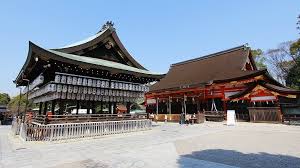
Situated in the Gion district, Yasaka Shrine is one of Kyoto’s most iconic shrines and a popular cherry blossom spot. The shrine’s approach is lined with lanterns and cherry trees, creating a magical atmosphere during the sakura season, especially when illuminated at night.
10. Kyoto Botanical Garden;
Koyoto viewing spots
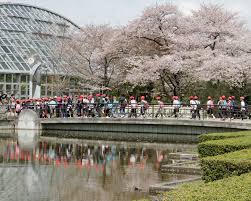
For a more tranquil cherry blossom viewing experience, head to the Kyoto Botanical Garden. This expansive botanical garden features a diverse collection of cherry tree varieties. Allowing visitors to appreciate the subtle differences in blossom color, shape, and fragrance.
Summary
The famous Kiyomizu-dera balcony for city views, the Arashiyama Bamboo Grove, and the Golden Pavilion (Kinkaku-ji) reflecting on its pond are some of the best places to see Kyoto. The picturesque Amanohashidate sandbar, the old neighborhoods of Higashiyama, and the torii gate pathways of Fushimi Inari offer top-notch, classic vistas.


Benefits of teaching arts education. Through the integration of artistic disciplines to improve learning across the curriculum and create well-rounded individuals, arts education teaches subjects like music, drama, dance, and visual arts (drawing, painting, sculpture) to foster creativity, critical thinking, cultural awareness, and problem-solving abilities. It goes beyond technical proficiency to promote social and emotional development, providing all-encompassing experiences that increase motivation and equip students for challenging global issues by encouraging creativity and community involvement.
BENEFITS OF TEACHING ARTS EDUCATION
By fostering creativity, critical thinking, and motor abilities as well as increasing academic performance, mental health, and social skills, teaching arts education promotes overall student development. By encouraging pupils to see errors as teaching opportunities, it fosters resilience, self-assurance, and a growth mentality. Additionally, arts education fosters empathy, cultural understanding, and useful, transferable skills like problem-solving and teamwork, all of which are essential for future professional success.
1. Further improvement and creativity;

In addition to building creativity and invention abilities that are useful in a variety of academic subjects and future occupations, art education gives pupils the chance to express their thoughts and feelings in original and inventive ways.
2. Positive effects on brain development;

This have been demonstrated by research on the subject of art education. Students’ brains develop holistically when they participate in art-related activities because they activate several brain regions, including the motor and visual areas.
3. Knowledge of Cultural Diversity;

teaching arts education
Art is a useful instrument for learning about and appreciating various cultures. Students gain knowledge of the artistic mediums, fashions, and customs of many countries through art education, which promotes cross-cultural understanding.
4. Delivering critical thinking;

teaching arts education
Critical thinking and visual information analysis are fostered in art education. Through art, kids are able to develop critical thinking abilities that are beneficial in many facets of life, such as asking questions and making judgments.
5. Emotional Intelligence;
Students may express and control their emotions in a positive and healthy way through art education. Students can explore their ideas and grow in self-awareness, and find authentic ways to express themselves via art.
6. Advances mental health;

teaching arts education
Students who may be dealing with stress, anxiety, or other mental health issues can find solace in art lessons offered at schools. Students can express themselves safely and constructively by channeling their emotions via art instruction. As a result, they may experience improved mental health outcomes and be able to better control their emotions. They may also feel more accomplished and valuable. improvements for overall motivation, thinking, and academic achievement.
Summary
Art education is still frequently seen as an elective or extracurricular activity, despite evidence showing that it has many positive effects on mental health, brain development, cultural awareness, general learning, and more. Let’s examine ten reasons why art education is essential to students’ entire development.
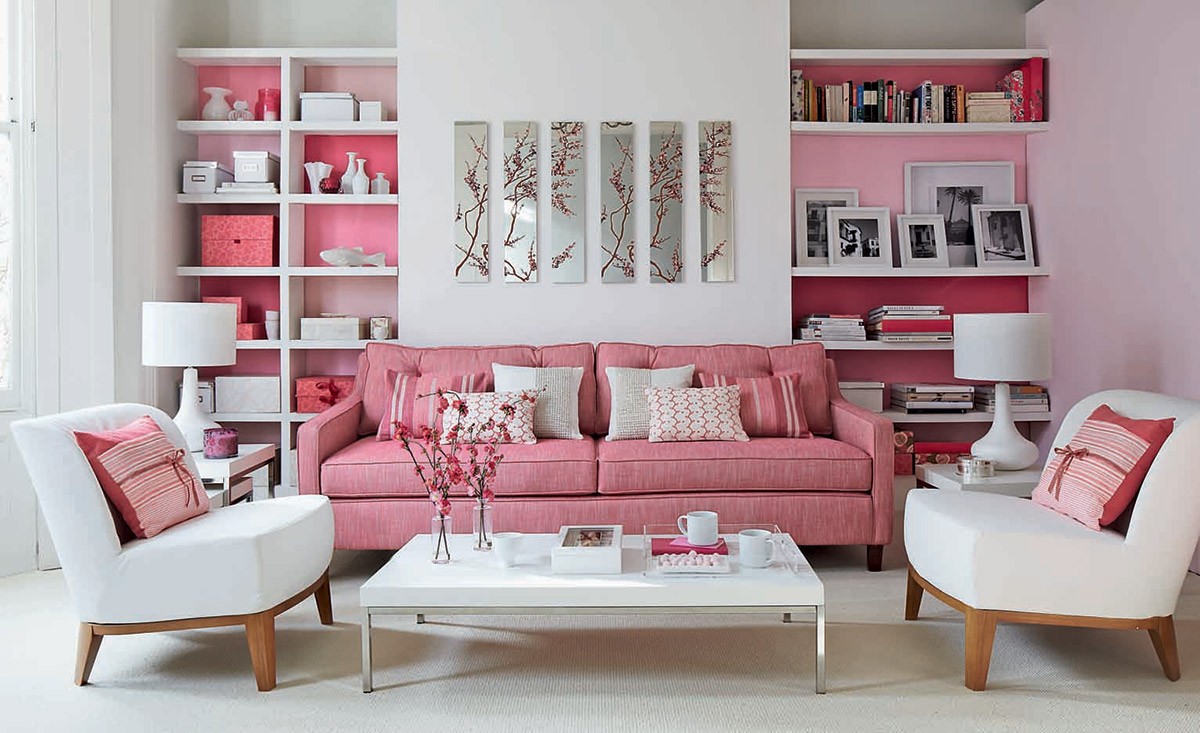

Paint colors for living room. A space where one can unwind, read, watch, listen to music, or socialize with loved ones after a long day. The living room serves as our home’s social center, just as its name suggests. Your choice of paint is crucial to creating the ideal ambiance in our living rooms, which have a lot to offer. Living rooms are the perfect place for non-reflective matt surfaces, which provide a cozy and comforting atmosphere. Our matte finishes provide the most color options, whether you want to go for a soothing neutral or dare to be daring.
PAINT COLORS FOR LIVING ROOM
Popular neutrals like warm whites, creams, grays, and beiges are the ideal living room paint colors for a classic and adaptable style. For greater effect, try bolder hues like royal blue, olive green, or even dark browns and burgundies. Warm options like sunny yellow or a sandy gray-beige will create a homey ambiance, while softer tones like sage green or pastel blue will feel serene and airy.
1. Moon Lily;
Try Moon Lily ( paint) again if you don’t think purple looks good in a tiny bedroom. Your living area will feel cozier with this alluring purple’s gorgeous hazy texture. Even though the color is vibrant, it’s subdued, so it won’t overpower a tiny space. Even experimenting with tonal decorating is an option.
Color layering can work wonders for your small living space as long as you match this shade with muted hues and colder tones.
2. Bare Pink;

paint colors for living room
Don’t believe that pink belongs exclusively in the bedroom. Any tiny bedroom would benefit from the bright addition of bare pink. This subdued hue, which combines floral undertones with a touch of cerise, can warm up your living area while remaining sufficiently light to assist give the impression of more space
You can paint a complete living space with this rather than the typical neutral colours because it’s so subtle. But you can also draw some inspiration for your own palette from those flowery undertones.
Consider utilizing a fuchsia or another stronger pink for a feature wall. Do you want to give your living space a more sophisticated look? Blush pinks and jewel tones can also be effective.
3. Enduring Ice;

paint colors for living room
If you’re arranging a smaller living space, cool tones are also something you should consider. Try an off-white like Enduring Ice; its sage tones will infuse any decor with a calming vibe. Don’t be afraid to use warmer color schemes in your living area to create a cozier atmosphere. This enticing ice tone goes well with honeyed neutrals and subdued florals
4. Grey Glimpse;

paint colors for living room
Are you having trouble deciding on the ideal wall color for your modern living room? Even in cases where square footage is a concern, Grey Glimpse will look great in minimalist interiors. This gorgeous paint color has a dreamy before-dawn vibe and is cool and pleasant. Combine this hue with light-colored furniture and minimalist decorations to maximize your available space. Are you eager to add additional color to your living room? This neutral goes well with cool tones like blue and green, but you can also add warmth by mixing in shades that have floral undertones.
Summary
We’ve compiled the top living room color ideas to get you started, whether you’re planning a full living room makeover or just want to give the room a new look with some paint. From classic neutrals like cream, beige, and gray to more vibrant hues like pink, blue, yellow, and green, you can find chic living room paint ideas.
Foods Rich in Zinc

Appetite Enhancement Tips

Nutritional Value of Rolled Oats

A Step-by-Step Guide to Deleting Reels on Instagram

A Comprehensive Guide to Setting Up a YouTube Premiere

How to Create a WhatsApp Group
-

 Health4 weeks ago
Harmful side effects of earphones
-

 Self esteem4 weeks ago
Tips for self esteem improvement
-

 Exercise4 weeks ago
Regular physical activities importance
-

 Health4 weeks ago
Headphones safety tips
-

 Business3 weeks ago
Local business promotion
-

 Entertainment3 weeks ago
Women and British dance music