Fruits
Impacts of Beta–Carotene on Skin


IMPACTS OF BETA–CAROTENE ON SKIN
Impacts of beta-carotene on skin. Plants, algae, and photosynthetic bacteria all contain beta-carotene, a naturally occurring pigment that belongs to the carotenoid family of yellow, orange, and red pigments. It gives many fruits and vegetables their striking red, orange, and yellow hues. Beta-carotene is abundant in leafy greens like spinach and kale, sweet potatoes, pumpkins, mangoes, and carrots. Long chains of hydrogen and carbon atoms make up beta-carotene, a hydrocarbon.
IMPACTS OF BETA–CAROTENE ON SKIN
Since it is categorized as a provitamin A molecule, the body can convert it into vitamin A (retinol) when needed. Vitamin A is essential for various bodily functions, such as immune system stimulation, organ function, and keeping healthy vision. Beta-carotene is vital to the body because it is converted to vitamin A and acts as a potent antioxidant. Let’s examine its functions in more detail:
1. Vitamin A’s precursor

Since beta-carotene is a provitamin A component, the body can transform it into retinol, the active form of vitamin A, when necessary. Numerous body processes depend on vitamin A, including: Vision: Especially in low light, vitamin A is crucial for preserving good vision. It is a pigment in the retina of the eye that is sensitive to light and helps with night vision and general visual acuity.
2. Immune System Support
By preserving the integrity of the skin and mucous membranes, which act as barriers against infections, vitamin A supports the immune system.
3. Cell Differentiation and Growth

Vitamin A promotes healthy growth and development by assisting immature cells in maturing and specializing into particular cell types.
4. Reproductive Health
Normal reproductive organ function and embryonic development are both dependent on vitamin A.
5. Antioxidant

Beta-carotene is a potent antioxidant that aids in shielding cells from the harm caused by free radicals. Unstable chemicals known as free radicals have the ability to harm cells and are linked to a number of illnesses, including cancer, heart disease, and aging. Beta carotene helps to lessen oxidative stress and its detrimental effects on the body by scavenging these free radicals.
6. Skin Health
Beta-carotene’s antioxidant qualities are particularly advantageous for the skin. By scavenging free radicals and lowering oxidative stress, beta-carotene can help preserve skin health and lessen aging symptoms like wrinkles and fine lines. Additionally, it encourages skin cell turnover, which makes the complexion smoother and more glowing.
7. UV Protection

IMPACTS OF BETA–CAROTENE ON SKIN
Beta-carotene and other antioxidants, including vitamins C and E, may offer further defense against sun-induced skin damage, but they shouldn’t be used in place of sunscreen. It may decrease the negative effects of prolonged sun exposure and helps neutralize free radicals created by UV light. Heart Health: A diet rich in beta-carotene and other carotenoids may lower the risk of cardiovascular disease, according to some research. It is believed that beta carotene’s antioxidant qualities help to produce this protective effect.
8. Cancer Prevention
Research is being done to see whether antioxidants like beta-carotene can help prevent cancer. However, high-dose best beta carotene supplements are not advised for cancer prevention because they may be detrimental to certain persons, and research in this area is complicated and occasionally inconsistent.
9. Hydration & Moisturizing

Skincare products that include beta-carotene, like serums and creams, often have moisturizing qualities that help to maintain the skin’s moisture content. Well-hydrated skin reduces the appearance of wrinkles and fine lines while appearing plump and healthy. Using a moisturizer that is appropriate for your skin type is advised.
Summary
Strong antioxidant beta-carotene protects against UV rays, lessens aging symptoms, and encourages a more radiant complexion, among other advantages for skin health. Additionally, it can help improve skin moisture and prevent hyperpigmentation.






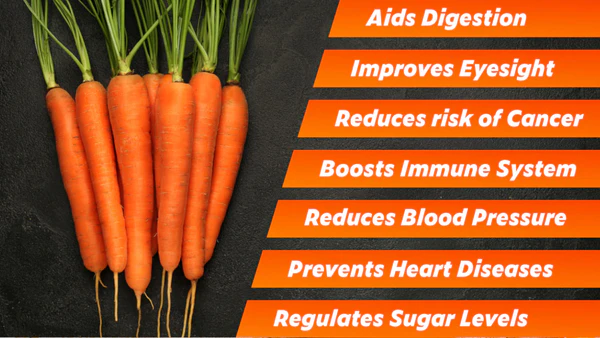
Carrots diverse health benefits. Nutrient-dense root vegetables, carrots (Daucus carota) are high in fiber, important vitamins (A, K, C, and B6), and antioxidants (beta-carotene, lutein, and lycopene). Because of their high carotenoid content, they provide a variety of health benefits, including immunological support, cancer prevention, and improved vision.
CARROTS DIVERSE HEALTH BENEFITS
Carrots are more than just a tasty side dish. Packed with vital vitamins, minerals, and antioxidants, they are a nutritious powerhouse. Carrots should be a major part of your diet for a number of reasons, including immune system support, eye health, and bright skin.
Eye Health:

Carrot is well known for having a high beta-carotene content, which is linked to supporting healthy vision. The body transforms beta-carotene into vitamin A. Which is necessary for preserving good vision, especially in dimly lit environments. Consuming carrots can help ward off vision-related problems such as age-related macular degeneration.
Antioxidant Benefits:
Carrot is rich in antioxidants, including beta-carotene, alpha-carotene, and lutein. Which help combat oxidative stress and reduce inflammation in the body. These antioxidants neutralize harmful free radicals. Preventing cellular damage and reducing the risk of chronic diseases such as heart disease and cancer.
Immune Support:

The vitamin C content in carrot supports immune function by stimulating the production of white blood cells, which help fight off infections and illnesses. Additionally, carrots contain phytonutrients like falcarinol and falcarindiol, which have been shown to boost the body’s natural defenses against pathogens.
Digestive Health:
With their high fiber content, carrots promote digestive health by supporting regular bowel movements, preventing constipation, and nourishing beneficial gut bacteria. Fiber also helps regulate blood sugar levels, reduce cholesterol levels, and support weight management by promoting feelings of fullness.
Skin Beauty:

Carrots diverse health benefits
Carrots are a rich source of antioxidants and beta-carotene, which promote healthy skin by protecting against UV damage, reducing inflammation, and promoting collagen production. Including carrots in your diet can contribute to a radiant complexion and delay signs of aging such as wrinkles and age spots.
Culinary Versatility:

Carrots diverse health benefits
Carrots are very adaptable and can be eaten in many different ways, both raw and cooked. They can be blended into soups and smoothies, roasted as a side dish, grated into salads, or eaten raw as a crunchy snack. They add a pleasant sweetness and earthy flavor to a wide variety of recipes.
Summary
Adding carrots to your diet is an easy and tasty method to increase your consumption of vital nutrients. and promote general health and wellbeing. Whether eaten as a snack or added to your preferred recipes. A delicious and healthy method to fuel your body from the inside out is with carrots.

Grapes diverse health benefits. Grapes are nutritious powerhouses with numerous health advantages, making them more than simply a delicious snack. Whether you like green, red, or purple grapes, including them in your diet will strengthen your heart, extend your life, improve the appearance of your skin, and strengthen your immune system. The next time you’re in the mood for a snack, think about grabbing one of nature’s juicy treasures and savoring its delectable sweetness.
GRAPES DIVERSE HEALTH BENEFITS
For thousands of years, civilizations have appreciated grapes for their rich sweetness and adaptability. These little, bite-sized fruits have numerous health advantages in addition to tantalizing the palate. from boosting longevity and heart health to improving the appearance of the skin. Let’s see why grapes are genuinely the luscious treasures of nature.
Nutrient-Rich Profile:
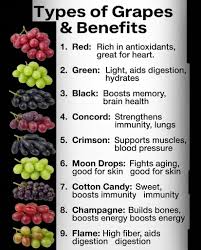
Grapes come in various colors, including green, red, and purple, each offering its own unique set of nutrients. One cup of grapes provides:
– Antioxidants: Grape is rich in antioxidants, including flavonoids, resveratrol, and vitamin C. These antioxidants help combat oxidative stress, reduce inflammation, and protect cells from damage caused by free radicals.
– Resveratrol: Found primarily in the skins of a red grape, resveratrol has garnered attention for its potential health benefits. Including anti-inflammatory, anti-aging, and cardiovascular protective properties.

– Vitamin K:
Grapes contain vitamin K, which plays a role in blood clotting, bone health, and heart health.
– Fiber:
Grapes are a good source of dietary fiber, which supports digestive health, regulates blood sugar levels, and promotes feelings of fullness.
– Potassium:
Grape contain potassium, an essential mineral that helps regulate blood pressure, maintain fluid balance, and support heart and muscle function.
Heart Health:

The antioxidants, particularly resveratrol, in grape fruits have been linked to numerous heart-healthy benefits. Research suggests that regular consumption of grapes may help lower blood pressure, reduce cholesterol levels, improve blood vessel function, and decrease the risk of heart disease and stroke.
Longevity:
Studies have shown that resveratrol, found in red grape skins, may have anti-aging effects and contribute to longevity. Resveratrol activates genes associated with longevity and may help protect against age-related diseases.
Skin Beauty:

Grapes diverse health benefits
The antioxidants and phytonutrients in grape contribute to healthy, radiant skin. Resveratrol and other compounds in grapes help fight oxidative stress, reduce inflammation, and protect against UV damage, promoting youthful skin and delaying signs of aging.
Immune Support:
The vitamin C content in grapes supports immune function by enhancing the production of white blood cells, which help fight off infections and illnesses. Including grapes in your diet can help strengthen your body’s defense against colds, flu, and other infections.
Culinary Versatility:

Grapes diverse health benefits
Grapes are not only delicious eaten fresh but also lend themselves to a variety of culinary applications. They can be enjoyed as a snack on their own, added to salads, incorporated into desserts, or pressed into juice and wine. Whether frozen, dried, or freshly picked from the vine, grapes offer a burst of sweetness and nutrition in every bite.
Summary
Rich in fiber, antioxidants, and vital vitamins C and K, grapes are nutrient-dense fruits with a variety of health advantages. They are especially high in polyphenols, such as anthocyanins and resveratrol, which are mostly found in the skin and seeds and have anti-inflammatory, anti-cancer, and antioxidant qualities.

Diverse health impacts of blueberries. In addition to being a delicious ingredient to many recipes, blueberries are a nutritious powerhouse due to their rich color and burst of sweet-tart flavor. These small, indigo-colored gems are praised for their amazing health advantages, which range from heart health promotion to brain support.
DIVERSE HEALTH IMPACTS OF BLUEBERRIES
Many people refer to blueberries as a “superfood” because of its high nutrient content, especially anthocyanin pigments, which have a variety of health-promoting advantages. Frequent consumption is associated with better metabolic health and a lower risk of chronic illness.
Let’s explore why blueberries deserve a special place in your diet.
Nutrient-Rich Profile:
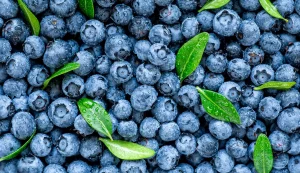
Despite their small size, blueberries are loaded with essential nutrients that contribute to overall health and well-being. One cup of fresh blueberries provides:
– Antioxidants: Blueberries are renowned for their high levels of antioxidants, particularly anthocyanins, flavonoids, and phenolic compounds. These antioxidants help combat oxidative stress, reduce inflammation, and protect cells from damage caused by free radicals.
– Vitamin C: Blueberries are a good source of vitamin C, an essential nutrient that supports immune function, collagen synthesis, and skin health.
– Fiber:
Blueberries are rich in dietary fiber, which promotes digestive health, regulates blood sugar levels, and supports weight management by promoting feelings of fullness.
– Vitamin K: Blueberry contain vitamin K, which plays a crucial role in blood clotting, bone health, and cardiovascular function.
– Manganese:

Blueberry is a good source of manganese, an essential mineral involved in metabolism, bone formation, and antioxidant defense.
Brain Health:
Blueberries are often hailed as a “brain food” due to their potential cognitive benefits. Research suggests that the antioxidants and phytochemicals in blueberry may help improve memory, concentration, and overall brain function. Consuming blueberries regularly may also reduce the risk of age-related cognitive decline and neurodegenerative diseases such as Alzheimer’s.
Heart Health:
The potent combination of antioxidants, fiber, and phytonutrients in blueberries makes them beneficial for heart health. Regular consumption of blueberry may help lower blood pressure, reduce cholesterol levels, improve blood vessel function, and decrease the risk of heart disease and stroke.
Eye Health:

DIVERSE HEALTH IMPACTS OF BLUEBERRIES
Blueberry contain compounds like lutein and zeaxanthin, which are important for eye health. These antioxidants help protect the eyes from damage caused by ultraviolet light and oxidative stress, reducing the risk of age-related macular degeneration and cataracts.
Anti-Inflammatory Properties:
The antioxidants and phytonutrients in blueberries have anti-inflammatory effects, helping to reduce inflammation throughout the body. Chronic inflammation is linked to various health conditions, including heart disease, diabetes, and autoimmune disorders.
Culinary Versatility:
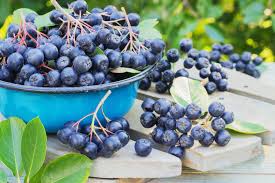
DIVERSE HEALTH IMPACTS OF BLUEBERRIES
Blueberry is incredibly versatile and can be enjoyed in a variety of ways. Whether eaten fresh, frozen, or dried, blueberries make a delicious snack on their own. They can also be added to breakfast cereals, yogurt, smoothies, salads, baked goods, and desserts, adding a burst of flavor and nutrition to any dish.
Summary
Blueberries are low-calorie, very nutritious berries (Vaccinium sect). Cyanococcus) is rich in antioxidants, especially anthocyanins, which guard against illnesses and cellular aging. Often referred to as a “superfood,” a 1-cup serving contains 24% of daily vitamin K and 14% of daily vitamin C. They can be consumed processed, frozen, or fresh.

Capable God Lyrics

Glorious God Lyrics

Ancient of Days Lyrics

A Step-by-Step Guide to Deleting Reels on Instagram

How to Create a WhatsApp Group