environment
Importance of Air Purifiers


Importance of air purifiers. Air purifiers have become indispensable tools for creating a healthier living environment. Whether you suffer from allergies, asthma, or simply want to breathe cleaner air. Investing in an air purifier is a wise decision that pays dividends in terms of improved health and quality of life.
IMPORTANCE OF AIR PURIFIERS
In an era where indoor air quality is becoming an increasingly significant concern, investing in air purifiers has emerged as a vital solution for maintaining a healthy living environment. From reducing allergens to eliminating harmful pollutants, air purifiers play a crucial role in safeguarding our well-being.
Here’s why investing in air purifiers is essential:
1. Indoor Air Pollution

Indoor air pollution poses a serious threat to our health, as we spend the majority of our time indoors. Common indoor pollutants include dust, pollen, pet dander, mold spores, volatile organic compounds from household cleaners and furniture, and even bacteria and viruses. Air purifiers equipped with high-efficiency particulate air filters can effectively capture and remove these pollutants from the air, helping to create a healthier indoor environment.
2. Allergy Relief

Allergens such as dust mites, pollen, and pet dander can trigger allergic reactions and exacerbate respiratory conditions like asthma. Air purifiers with HEPA filters are designed to trap these allergens, providing relief for allergy sufferers by reducing their exposure to airborne irritants. Investing in an air purifier can significantly improve indoor air quality and alleviate allergy symptoms, allowing individuals to breathe easier and enjoy greater comfort in their homes.
3. Asthma Management
For individuals with asthma, airborne triggers can often lead to asthma attacks and respiratory distress. By removing asthma triggers such as dust, pollen, and mold spores from the air, air purifiers can help manage asthma symptoms and reduce the frequency and severity of asthma attacks. Investing in an air purifier is particularly beneficial for asthma sufferers, as it provides an additional layer of protection against airborne irritants in the home.
4. Odor Elimination

Air purifiers equipped with activated carbon filters are effective at neutralizing odors from cooking, pets, smoke, and other sources. These filters adsorb and trap odorous molecules, leaving the air smelling fresh and clean. Investing in an air purifier with activated carbon filtration can help eliminate unpleasant odors and improve the overall ambiance of your living space.
5. Protection Against Harmful Particles
In addition to allergens and odors, indoor air can also contain harmful particles such as fine particulate matter (PM2.5). Volatile organic compounds, and airborne pathogens. Air purifiers equipped with advanced filtration technologies can capture and remove these harmful particles. Providing protection against respiratory infections. Cardiovascular problems, and other health issues associated with exposure to indoor air pollution.
6. Enhanced Well-Being
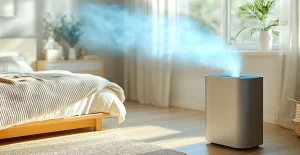
Clean air is essential for maintaining overall health and well-being. By investing in an air purifier. You are taking proactive steps to create a healthier indoor environment for yourself and your family. Cleaner air can lead to improved respiratory health. Better sleep quality, and increased productivity and concentration, ultimately contributing to a higher quality of life.
Summary
Investing in air purifiers is not just about improving indoor air quality; it’s about safeguarding our health and well-being. With the prevalence of indoor air pollution and the potential health risks associated with poor indoor air quality. Read other insightful articles by clicking here.



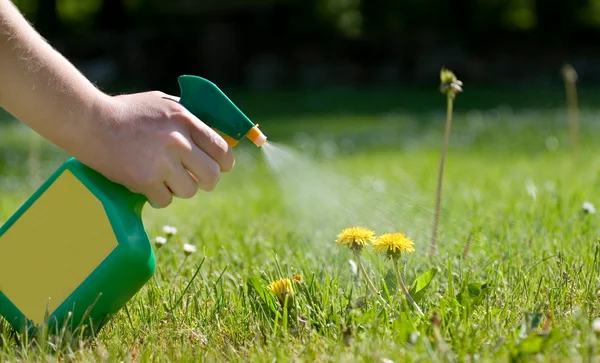

Tools for herbicides. It provide major advantages in crop yield and weed control, making them essential instruments in contemporary agriculture and environmental management. To reduce possible dangers to the environment and human health, its use must be carefully controlled. In order to ensure that these essential chemicals may be used safely and efficiently in the future, ongoing research and development aims to produce more targeted and sustainable herbicides. Chemicals called herbicides, sometimes referred to as weed killers, are used to manage undesirable vegetation. By identifying and getting rid of invasive weeds that compete with crops for nutrients, water, and sunlight, they are essential to contemporary gardening, agriculture, and environmental management.
TOOLS FOR HERBICIDES
In both agricultural and non-agricultural contexts, herbicides are chemicals used to suppress undesirable plants, also known as weeds. They can be non-selective, eliminating all vegetation they come into contact with, or selective, focusing on particular kinds of weeds. They function by either killing or preventing the growth of plants. Herbicides can be used pre-plant (before to planting), pre-emergent (prior to weeds emerging), or post-emergent (after weeds have begun to develop).
Types of Herbicides;

Herbicide can be classified into several categories based on their mode of action, selectivity, and application timing:
1. Selective Herbicides: These target specific types of plants while leaving others unharmed. For example, broadleaf herbicide is designed to kill dicot plants (like dandelions) without affecting monocot plants (like grasses).
2. Non-Selective Herbicides: These kill all plant types and are typically used in areas where complete vegetation control is desired, such as industrial sites, railways, and roadsides.
3. Pre-Emergent Herbicides: Applied before the weed seeds germinate, these prevent the emergence of new weeds by inhibiting seedling growth.
4. Post-Emergent Herbicides: These are applied after the weeds have emerged and are actively growing. They work by disrupting critical physiological processes in the plant.
Mechanism of Action;
Tools for herbicides
Herbicides operate through various mechanisms, depending on their chemical composition and target plants. Common modes of action include:
– Inhibition of Photosynthesis: Some herbicide interfere with the plant’s ability to conduct photosynthesis, effectively starving the plant of energy.
– Disruption of Cell Division: Certain herbicides prevent cell division, hindering plant growth and development.
– Hormonal Disruption: Some herbicides mimic plant hormones, causing abnormal growth and eventually death.
Benefits of herbicides;
Tools for herbicides
The use of herbicides offers several advantages, particularly in agriculture:
– Increased Crop Yields: By effectively controlling weeds, herbicide help ensure that crops receive more of the essential resources they need to grow, leading to higher yields.
– Labor and Cost Efficiency: Herbicide reduce the need for manual weeding, saving time and labor costs for farmers and gardeners.
– Improved Soil Health: When used properly, herbicide can reduce soil erosion by maintaining ground cover and minimizing the need for tillage.
Environmental and Health Concerns;

Tools for herbicides
Despite their benefits, herbicides pose potential risks to the environment and human health. Overuse or improper application can lead to:
– Herbicide Resistance: Weeds can develop resistance to herbicide over time, making them harder to control and leading to the need for stronger chemicals.
– Water Contamination: Runoff from herbicide-treated areas can contaminate water sources, affecting aquatic ecosystems and potentially entering drinking water supplies.
– Human Health Risks: Exposure to certain herbicide has been linked to health issues, including respiratory problems, skin irritation, and in some cases, more severe conditions such as cancer.
Summary
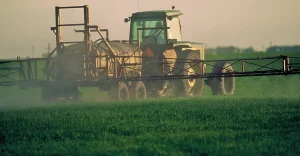
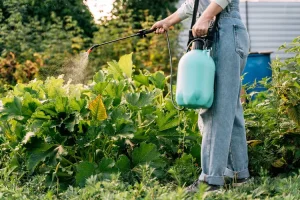
Granular applicators, mechanical instruments like hoes for manual removal, and handheld, backpack, or big boom sprayers are some of the tools used to apply herbicides. Furthermore, protective clothing is necessary for safe handling, and specialist equipment such as weed wipers or aircraft application is required for big regions.


Tips for cleaning our environment. Since the environment is vital to our existence, we must keep it safe and healthy for both the current and future generations. Given the increasing levels of pollution and climate change, it is more important than ever to keep our environment safe and clean. Even used automobiles are really good for the environment, especially electric vehicles.
TIPS FOR CLEANING OUR ENVIRONMENT
When your entire universe vanishes before your very eyes, is there anything more terrible and terrifying? We don’t believe that. Deforestation, excessive use of natural resources, and the production of chemical waste are all instances of careless human behavior that harms the ecosystem and endangers human life.
1. Reduce, Reuse, and Recycle;

Reducing, reusing, and recycling are some of the simplest and most efficient ways to keep our environment safe and clean. We can lessen the quantity of garbage that pollutes our environment and ends up in landfills by cutting back on the amount of waste we make, reusing products rather than throwing them away, and recycling as much as we can.
2. Use Eco-Friendly Products;
Using eco friendly items is another way we can keep our environment clean and safe. This covers item such as biodegradable goods, natural cleansers and goods manufactured with sustainable materials. We can lessen our environmental effect and contribute to the development of a more sustainable future by using these products.
3. Conserve Water;
Tips for cleaning our environment
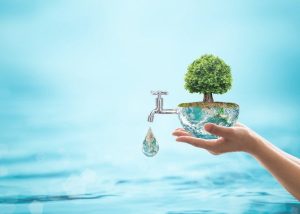
Since water is a valuable resource, it is crucial to conserve it wherever feasible. This involves adopting water efficient appliances, cutting short showers and repairing leaks. We can lessen our influence on the environment and guarantee that future generations will have access to this vital resources by practicing water conservation.
4. Use Energy-Efficient Appliances;
Another important strategy for maintaining a clean and healthy environment is energy efficiency. Our carbon footprint can be decreased and our energy consumption can be decreased by using energy efficient appliances. This includes buying energy efficient appliances, installing programmable thermostats, and switching to LED light bulbs
5. Dispose of Hazardous Waste;
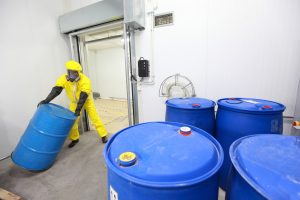
Batteries and electronics are examples of properly hazardous trash that can damage the environment if improperly disposed of. To make sure that these things don’t wind up in landfills or harm the environment, it’s crucial to dispose of them at approved collection locations or through recycling programs.
6. Use Renewable Energy Sources;
Tips for cleaning our environment
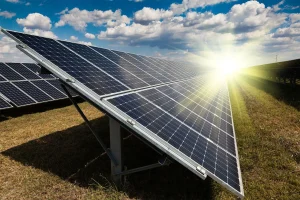
The development of sustainable energy sources, such as wind and solar energy, is imperative. We can lessen our dependency on fossil fuels and contribute to the creation of a better and cleaner world for future generations by making every effort to use renewable energy sources.
Summary
Reduce waste by using the Reduce, Reuse, Recycle, conserve energy and water; support sustainable and local options; use fewer harmful chemicals; plant trees; and educate yourself and others to promote a shared commitment to environmental stewardship in order to clean and protect the environment.
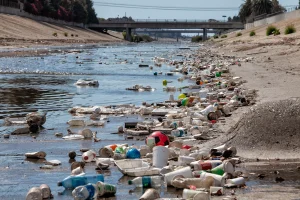
Meaning of water pollution. This is the term used to describe the contamination of a water source, typically as a result of industrial activity. The process known as “eutrophication” occurs when pollution and its aftereffects cause water to lose oxygen. Eutrophication, which is disastrous for aquatic life, is almost often the cause of dead rivers and ocean dead zones, where very little aquatic life may exist. This is being caused directly by contaminated water.
MEANING OF WATER POLLUTION
To happen to some of our most valuable and diverse marine area, rivers and lake, Industries including animal agriculture, textiles, fossil fuel extraction, and transportation employ harmful chemicals in their operations and permit contaminated waste water to flow off into nearby water sources, contaminating rivers, lakes, reservoirs, and seas.
CAUSES OF WATER POLLUTION
Water contamination is caused by a variety of enterprises and activities, some considerably more than others;
1) The clearing of forests;
MEANING OF WATER POLLUTION
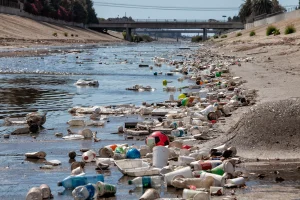
The capacity of the land to retain water and retain topsoil is diminished when we clear trees from naturally wooded areas and convert them to livestock farms. Due to increased floods and runoff from agricultural areas into rivers and oceans, our water sources will be exposed to an increased amount of chemicals and animal waste.
2) ) Global Warming;
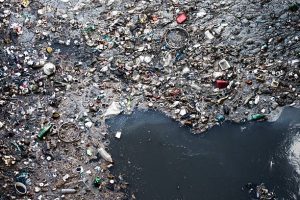
One of the most concerning impacts of global heating is ocean acidification. When our oceans warm by even 1-2 degrees celsius, the oxygen content reduces, which hugely decreases the oceans’ ability to cope with pollution. Warming also results in coral bleaching, which can happen extremely quickly, resulting in huge numbers of fish species dying in a short period of time, causing increased water pollution.
3) Plastic Waste;
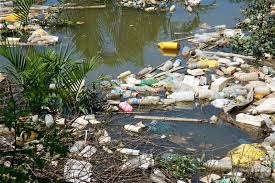
its a common Knowledge that plastic waste ends up in our rivers and seas. However, fishing gear rather than straws, plastics bottles, or any other single use item is the real cause of the majority of the plastic pollution in our oceans
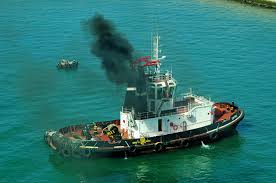
4) Transportation of ships;
MEANING OF WATER POLLUTION
Summary
Contamination of water bodies that negatively affects their uses is known as water pollution (or aquatic pollution). Usually, human activity is to blame. Lakes, rivers, seas, aquifers, reservoirs, and groundwater are examples of water bodies. When pollutants come into contact with these bodies of water, pollution occurs.
Multiple System Atrophy

Key Relevance of Monounsaturated Fats

Best Proteinous Fruits

A Step-by-Step Guide to Deleting Reels on Instagram

A Comprehensive Guide to Setting Up a YouTube Premiere