environment
Importance of Air Purifiers


Importance of air purifiers. Air purifiers have become indispensable tools for creating a healthier living environment. Whether you suffer from allergies, asthma, or simply want to breathe cleaner air. Investing in an air purifier is a wise decision that pays dividends in terms of improved health and quality of life.
IMPORTANCE OF AIR PURIFIERS
In an era where indoor air quality is becoming an increasingly significant concern, investing in air purifiers has emerged as a vital solution for maintaining a healthy living environment. From reducing allergens to eliminating harmful pollutants, air purifiers play a crucial role in safeguarding our well-being.
Here’s why investing in air purifiers is essential:
1. Indoor Air Pollution

Indoor air pollution poses a serious threat to our health, as we spend the majority of our time indoors. Common indoor pollutants include dust, pollen, pet dander, mold spores, volatile organic compounds from household cleaners and furniture, and even bacteria and viruses. Air purifiers equipped with high-efficiency particulate air filters can effectively capture and remove these pollutants from the air, helping to create a healthier indoor environment.
2. Allergy Relief

Allergens such as dust mites, pollen, and pet dander can trigger allergic reactions and exacerbate respiratory conditions like asthma. Air purifiers with HEPA filters are designed to trap these allergens, providing relief for allergy sufferers by reducing their exposure to airborne irritants. Investing in an air purifier can significantly improve indoor air quality and alleviate allergy symptoms, allowing individuals to breathe easier and enjoy greater comfort in their homes.
3. Asthma Management
For individuals with asthma, airborne triggers can often lead to asthma attacks and respiratory distress. By removing asthma triggers such as dust, pollen, and mold spores from the air, air purifiers can help manage asthma symptoms and reduce the frequency and severity of asthma attacks. Investing in an air purifier is particularly beneficial for asthma sufferers, as it provides an additional layer of protection against airborne irritants in the home.
4. Odor Elimination

Air purifiers equipped with activated carbon filters are effective at neutralizing odors from cooking, pets, smoke, and other sources. These filters adsorb and trap odorous molecules, leaving the air smelling fresh and clean. Investing in an air purifier with activated carbon filtration can help eliminate unpleasant odors and improve the overall ambiance of your living space.
5. Protection Against Harmful Particles
In addition to allergens and odors, indoor air can also contain harmful particles such as fine particulate matter (PM2.5). Volatile organic compounds, and airborne pathogens. Air purifiers equipped with advanced filtration technologies can capture and remove these harmful particles. Providing protection against respiratory infections. Cardiovascular problems, and other health issues associated with exposure to indoor air pollution.
6. Enhanced Well-Being
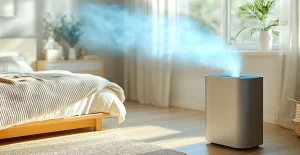
Clean air is essential for maintaining overall health and well-being. By investing in an air purifier. You are taking proactive steps to create a healthier indoor environment for yourself and your family. Cleaner air can lead to improved respiratory health. Better sleep quality, and increased productivity and concentration, ultimately contributing to a higher quality of life.
Summary
Investing in air purifiers is not just about improving indoor air quality; it’s about safeguarding our health and well-being. With the prevalence of indoor air pollution and the potential health risks associated with poor indoor air quality. Read other insightful articles by clicking here.



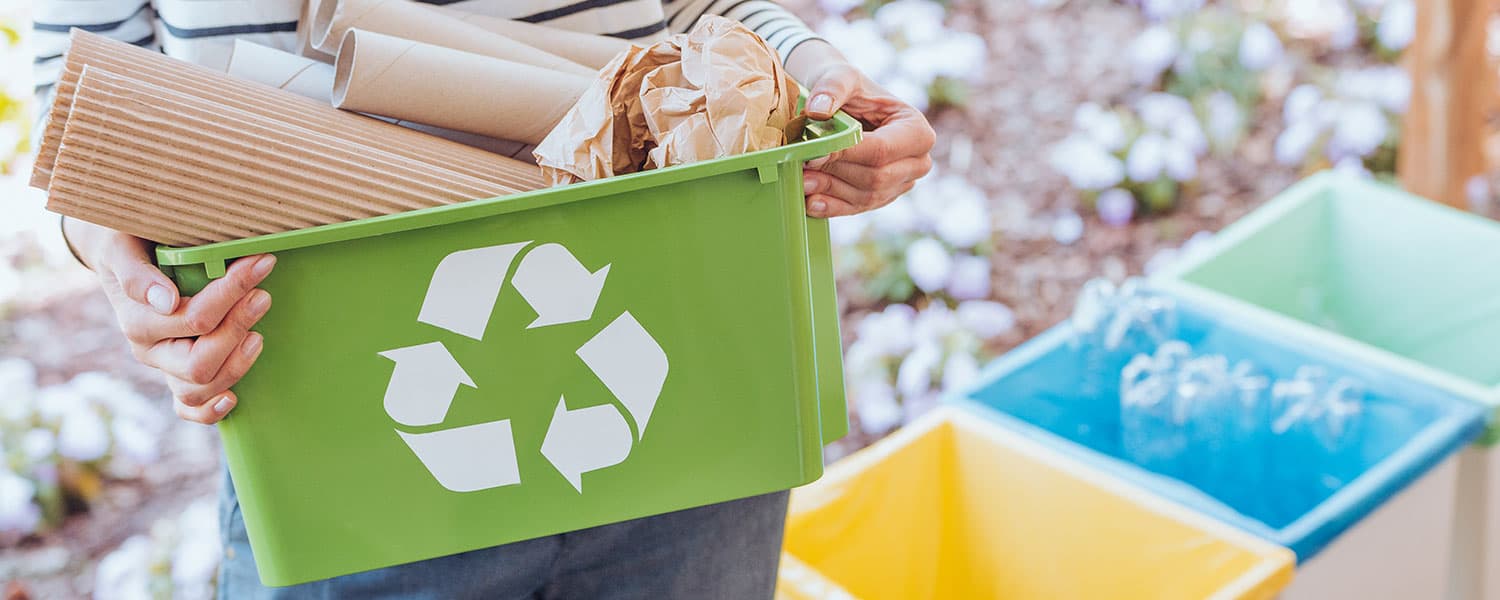
Recycle bin and usage tips. It is a useful tool for computer file management. providing a safety net for erased data and assisting in maintaining the efficiency and organization of your storage space. by utilizing its functions and comprehending how it operates. Users may keep their file system neat and orderly and reduce the chance of data loss.
RECYCLE BIN AND USAGE TIPS
One essential component of the Windows operating system is the Recycle Bin. assisting users in recovering data that has been inadvertently erased and provide a safety net for deleted items. in this piece. We’ll go over the Recycle Bin’s main features, how it operates, and why it’s a crucial tool for computer file management.
What is the Recycle Bin?

The Recycle Bin is a special folder on your computer’s hard drive. That stores files and folders that have been deleted by the user. Rather than permanently removing deleted files from the system, the Recycle Bin acts as a temporary storage space. Allowing users to recover deleted items if needed.
How Does it Work?
A deleted file from your computer does not mean that its contents are instantly gone from the hard drive. Rather, the file gets transferred to the folder. where it stays until the person chooses to move it back to its original spot or permanently remove it.
When you delete a file, it is moves there along with its original path and filename. This allows it to maintain a record of the file’s location and attributes. Making it easier to restore deleted files to their original state.
Key Features of the Recycle Bin:
Recycle bin and usage tips
1. Storage Capacity: The Recycle Bin has a maximum storage capacity, which is determined by the user or system settings. Once it reaches its capacity limit, older files are automatically deleted to make room for new ones.
2. Recovery Options: Users can easily restore deleted files from it by selecting the desired items and choosing the “Restore” option. This returns the files to their original location on the hard drive.
3. Permanent Deletion:
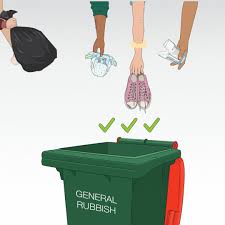
If a user decides to permanently delete a file from it, it is erased from the hard drive and cannot be recovered. This frees up storage space on the computer and ensures that sensitive data is securely erased.
4. Customization: Users can customize the behavior of the Recycle Bin by adjusting settings such as storage capacity, file retention period, and confirmation prompts for file deletion. This allows users to tailor it to their specific needs and preferences.
Why is it Important?
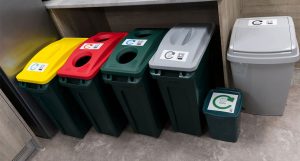
Recycle bin and usage tips
The Recycle Bin plays a crucial role in file management on your computer. Providing a safety net for deleted files and helping to prevent accidental data loss. By storing deleted items temporarily. The Recycle Bin gives users the opportunity to recover valuable data that may have been deleted accidentally or mistakenly.
In addition to its role in data recovery, it also helps users manage their storage space more effectively. By providing a central location for deleted files. The app makes it easy to identify and remove unnecessary data, freeing up storage space on the hard drive.
Summary
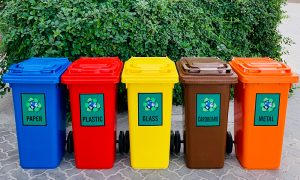
A “recycle bin” can be a virtual folder on computers and phones for retrieving deleted files, or it can be a physical waste receptacle used to separate recyclables.
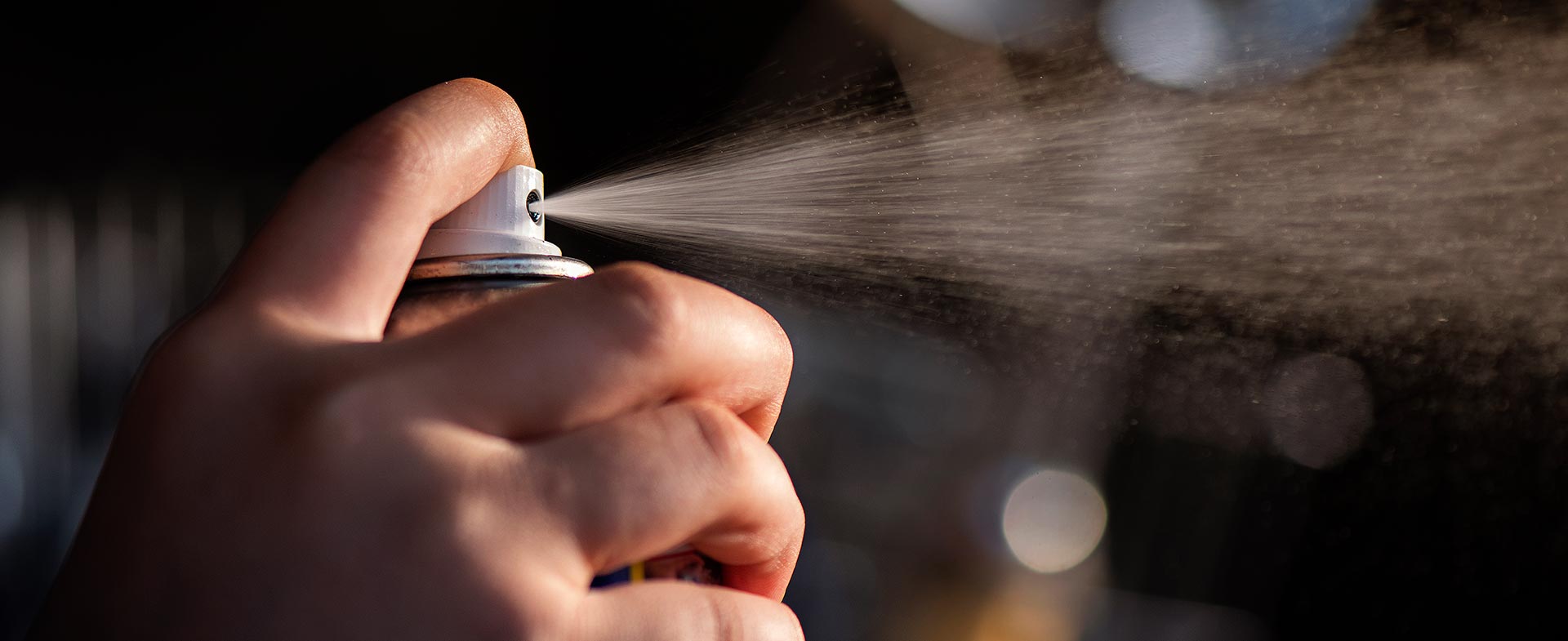
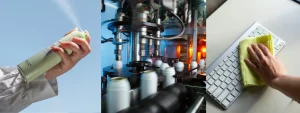
Risks of aerosol sprays. Long-term inhalation of aerosol sprays can cause neurological damage, cardiovascular problems, and respiratory irritation, among other serious health and safety dangers. They contain volatile organic compounds (VOCs) that contribute to air pollution and are extremely flammable, making them fire dangers if used near heat. While frequent usage can result in long-term liver or lung damage, intentional abuse (huffing) might cause unexpected death.
RISKS OF AEROSOL SPRAYS
Although aerosol sprays are frequently used for personal care, cleaning, and air freshening, many of them include volatile organic compounds (VOCs) that are bad for the environment and human health. VOCs are substances that contribute to indoor air pollution by evaporating into the atmosphere at room temperature.
Health Risks of Aerosol sprays;
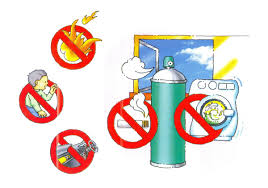
– Respiratory Irritation: Inhaling VOCs can cause coughing, sneezing, and shortness of breath, especially in individuals with asthma or allergies.
– Headaches and Dizziness: Prolonged exposure to VOCs may lead to headaches, fatigue, and nausea

– Long-Term Effects: Some VOCs, like formaldehyde and benzene, are linked to more severe health issues, including cancer and organ damage.
Environmental Impact of Aerosol sprays;
VOCs contribute to the formation of ground-level ozone, a major component of smog, which harms both human health and ecosystems.
Safer Alternatives;
RISKS OF AEROSOL SPRAYS
– Use pump sprays or water-based products free of VOCs.
– Opt for natural air fresheners like essential oil diffusers.
– Improve ventilation by opening windows to reduce the need for sprays.
Summary
Although aerosol sprays are practical, the environment and human health are at risk due to their volatile organic compound composition. Making the switch to safer, non-toxic substitutes lessens environmental damage and helps preserve a healthier home environment.

Gardening and urban settlement. Urban gardening improves sustainability, food security, and community well-being by turning urban areas—such as rooftops, balconies, and empty lots—into fruitful green spaces. It provides fresh, local products while mitigating urban heat islands by lowering food miles, fostering biodiversity, and fostering social cohesion. Container and vertical gardening are important techniques that solve the limitations of constrained urban area.
GARDENING AND URBAN SETTLEMENT
Growing and maintaining plants, such as fruits, vegetables, flowers, and herbs, is known as gardening. It can be used as a soothing pastime as well as a means of producing food or improving landscapes. A sunny, well-draining location, nutrient-rich soil, and climate-appropriate plants are necessary for success. It encourages sustainability while providing physical advantages like stress relief and exercise.
Origin;

Urban gardening is not a new idea, even if it has recently gained popularity. Community wastes were utilized to support the urban farming that was practiced in ancient Egypt, which is where its origins may be found. Food shortages have been addressed through urban gardening ever since.
Impacts;

GARDENING AND URBAN SETTLEMENT
Urban gardening is now utilized for purposes other than ensuring food security. Having plants in the house and workplace not only improves people’s overall emotional and social well-being but also lowers stress levels. Even though it may sound absurd, urban gardening makes individuals more physically active because there are a lot of tasks involved in garden maintenance, like digging holes and tilling soil.
Tips;
Sunlight is essential. Look for an area where the plant may receive six to eight hours of sunlight each day.
1. On the roof, plants can be planted. Moreover, they can be cultivated in hanging baskets on balconies, patios, and window boxes.

GARDENING AND URBAN SETTLEMENT
2. Deep soil is crucial. For plants under one foot in height, the soil depth must be at least 6 inches. Plants with deeper roots require a minimum soil depth of one foot.
3. To prevent root rot in the plants, drainage is crucial. Verify that the pot of your choice has holes for drainage.
4. Soil composition is essential. Unlike ordinary ground soil, potting soil is lighter and has a superior ability to drain excess water.

GARDENING AND URBAN SETTLEMENT
5. Do not forget to water your garden! When watering, it’s crucial to moisten the entire container. Additionally, it’s critical to avoid overwatering. To avoid root rot, empty the saucer beneath the plant of any extra water.
Summary
Finding a parking spot or having a yard to enjoy are two examples of things that may seem challenging if you live in an area, but gardening doesn’t have to be one of those things. Urban gardening is the practice of growing plants in an urban environment.

How to turn off iphone

Techniques for stress management

Fingernails common diseases

A Step-by-Step Guide to Deleting Reels on Instagram

A Comprehensive Guide to Setting Up a YouTube Premiere