Agriculture
Importance of Mixed Farming

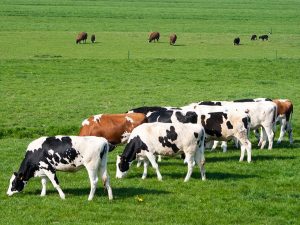

Importance of mixed farming. The practice of growing two or more crops simultaneously on a single piece of land is known as mixed cropping. This approach reduces the chance of crop loss due to pests or diseases while simultaneously optimizing the use of resources like sunshine, water, and nutrients. Farmers can improve soil health and biodiversity by choosing crops with different growth patterns and nutrient needs, which will result in a more resilient agricultural system.
IMPORTANCE OF MIXED FARMING
This technique usually involves growing a primary crop alongside a secondary crop that aids in its growth, such maize and beans. In addition to increasing the total yield per area, this method provides farmers with a wide variety of goods, improving food security and building economic resilience.
1. Reduction of Risk
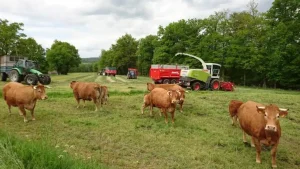

The decreased chance of crop failure is one of the primary advantages of mixed cropping. Farmers can spread out the risk by planting several crops at once. If one crop is harmed by a pest, disease, or unfavorable weather conditions, the other crops may still flourish and provide at least a partial harvest. For small-scale farmers who mostly depend on yearly harvests for their revenue and food supplies, this constancy is especially advantageous.
2. Effective Use of Resources
More efficient use of sunshine, water, and nutrients is possible with mixed cropping. Crops can occupy several ecological niches within the same field due to differences in root depth, growth rate, and nutrient requirements. For instance, there isn’t much competition between deep-rooted crops like maize and shallow-rooted crops like beans. This complimentary growth promotes more balanced nutrient intake and helps avoid overusing specific soil layers.
3. Enhanced Fertility of the Soil
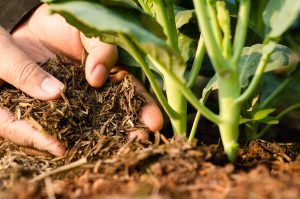

By forming a symbiotic relationship with nitrogen-fixing bacteria, some crops—particularly legumes like beans and peas—have the unusual capacity to fix atmospheric nitrogen in the soil. When grown with non-leguminous crops, legumes can increase the availability of nitrogen in the soil, lowering the need for synthetic fertilizers. This natural fertilization improves soil fertility and promotes healthier crop growth in subsequent planting seasons.
4. Improved Pest and Disease Management
Mixed cropping creates a more diversified ecosystem that can naturally discourage pests and reduce the spread of illnesses. Many pests are crop-specific, meaning they target only a single variety of plant. Farmers can reduce infestations and disrupt insect cycles by cultivating a variety of crops. Furthermore, some plants may serve as organic pest deterrents, protecting other crops from harm. For example, because garlic and onions have strong scents, planting them alongside other crops can help keep insects away.
5. Better Soil Structure and Erosion Control
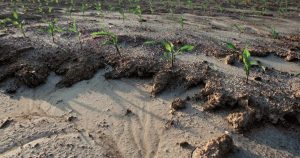

Particularly on sloped terrain, different crops with different root systems aid in keeping soil in place and minimizing erosion. A combination of shallow and deep roots can better bond the soil, preventing wind or rain from carrying it away. Over time, this results in enhanced soil structure, which makes it possible for better aeration and water retention—two factors that are critical for the growth of healthy plants.
Summary
In the field of agriculture, mixed cropping has both major advantages and difficulties. For small-scale and resource constrained farmers seeking to diversify their produce and reduce risks, it is an alluring approach since it boosts insect resistance, increases soil fertility, improves resource efficiency, and promotes environmental sustainability.