drugs
Is Paracetamol a Pain Reliever

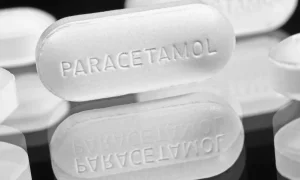
Is paracetamol a pain reliever. The analgesic and antipyretic medication paracetamol is used to transiently reduce fever and mild-to-moderate pain. Both on its own and as an ingredient in cold and flu remedies, it is frequently utilized. The precise mechanism by which paracetamol operates is unknown. It is believed to function, nevertheless, by interfering with the chemical messengers that control our body temperature and by suppressing the messengers that alert us when we are in pain. The body produces prostaglandins to cope with disease and injury, and the data suggests that paracetamol slows this process. Additionally, the serotonergic, opioid, nitric oxide, and cannabinoid pathways are believed to be affected.
IS PARACETAMOL A PAIN RELIEVER
Paracetamol, often referred to as acetaminophen in some regions, is a household staple, commonly used to alleviate pain and reduce fever. It’s lauded for its efficacy and minimal side effects when taken responsibly. However, amidst its widespread use, questions arise about its universality. Is paracetamol truly a panacea for all, or are there nuances to consider before popping the pill?
Safety and Effectiveness

Paracetamol is generally deemed safe and effective for most individuals when used as directed. Its dual action as a pain reliever and fever reducer renders it invaluable in managing common discomforts like headaches, muscle aches, and cold symptoms. Unlike nonsteroidal anti-inflammatory drugs (NSAIDs) such as ibuprofen, paracetamol poses less risk of gastrointestinal irritation or bleeding, making it preferable for those with sensitive stomachs or ulcer histories.
Special Considerations

While paracetamol is generally deemed safe, certain groups warrant special attention. Individuals with liver conditions like cirrhosis or hepatitis may face heightened risk of liver toxicity due to paracetamol’s metabolism by the liver. Similarly, heavy alcohol consumers must tread cautiously, as alcohol can exacerbate paracetamol’s hepatotoxic effects.
Expectant and nursing mothers should consult healthcare providers before taking paracetamol, as data on its safety during pregnancy and lactation are limited. Although typically safe within recommended doses, weighing potential benefits against risks and exploring alternative treatments is prudent.
Dosage and Precautions

Adhering to recommended dosage is paramount to mitigate overdose risk and adverse effects, including liver damage and, in severe cases, failure. Vigilance in reading medication labels is crucial, especially as paracetamol often features in combination products like cold remedies or prescription painkillers. Individuals with medical conditions or on multiple medications must seek medical advice to forestall potential interactions or adverse reactions. Persistent or severe symptoms warrant medical attention rather than reliance solely on over-the-counter paracetamol.
Summary
Paracetamol, a stalwart in pain and fever management, offers relief with minimal side effects when used responsibly. However, it’s not a universal remedy. Certain populations, like those with liver issues or alcohol habits, should exercise caution. Expectant and nursing mothers should approach paracetamol use judiciously. By grasping paracetamol’s nuances, individuals can make informed decisions, ensuring their well-being takes precedence.




Drug addiction. The process of medical or psychotherapy treatment for dependence on psychoactive substances, including alcohol, prescription medicines, and illicit substances including cannabis, cocaine, heroin, and amphetamines, is known as drug rehabilitation. In order to prevent potential psychological, legal, financial, social, and medical repercussions, the overall goal is to empower the patient to address substance dependence, if it exists, and cease substance abuse.Comorbidity medication, expert counseling, and exchanging experiences with other people in recovery are all part of treatment.
DRUG ADDICTION
The definition of addiction is a chronic, recurrent disorder marked by obsessive substance seeking and use in spite of negative outcomes. Because it involves functional alterations to brain circuitry related to reward, stress, and self-control, it is regarded as a brain condition.
Addiction and misuse;

Drug abuse and addiction are two distinct things. But not all substance abusers suffer from addiction. Addiction According to a reliable source, addiction to a specific drug, item, or activity is a fact or a condition. Addiction to substances is distinct from addiction to non-substances. The following are a few instances of non-substance addiction: • food; • internet; • gaming; • mobile phone • Sexual relations
Symptoms;
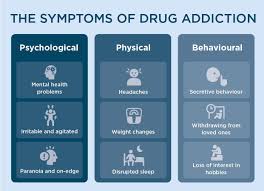
The following are the main signs of addiction: a decline in grades or difficulties in school; poor performance at work; relationship problems, which frequently involve lash outs at those who recognize the addiction; an inability to stop using a substance despite the fact that it may be causing health problems or personal problems, such as problems with employment or relationships; a noticeable lack of energy in daily activities; significant changes in appearance, including weight loss and a noticeable disregard for hygiene;
Symptoms;
The following are the main signs of addiction: a decline in grades or difficulties in school; poor performance at work; relationship problems, which frequently involve lash outs at those who recognize the addiction; an inability to stop using a substance despite the fact that it may be causing health problems or personal problems, such as problems with employment or relationships; a noticeable lack of energy in daily activities; significant changes in appearance.
Withdrawal from substance addiction;
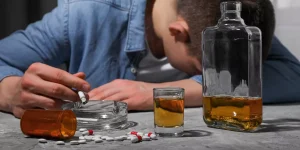
drug addiction
When someone with an addiction stops using the drug or abusing the habit, they could show some signs. Abrupt withdrawal from a substance can cause a host of unpleasant symptoms, in rare circumstances, could be fatal for someone who has developed a physical dependence on it.
Treatments;
drug addiction
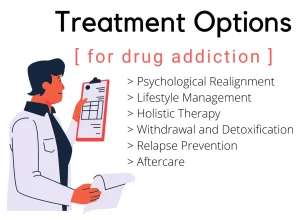
Advances in diagnosis and medicine have given the medical profession new tools to manage and treat addiction Trusted Source. Behavioral therapy and psychotherapy, medication-based treatment, and medical devices for withdrawal are a few techniques. • providing ongoing care to lower the chance of relapse; treating associated psychological issues.
Summary
Addiction is the inability to stop using a substance, especially when doing so could have detrimental repercussions on one’s body or mind.

Teenage girls fashion guide

Review for La Vie Est Belle

Reviewing Dior J’adore

A Step-by-Step Guide to Deleting Reels on Instagram

A Comprehensive Guide to Setting Up a YouTube Premiere