Fruits
Key Limes Citrus


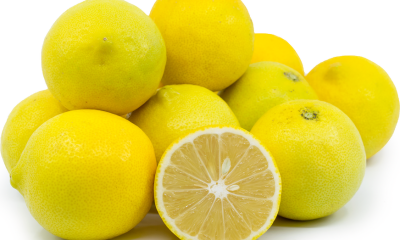
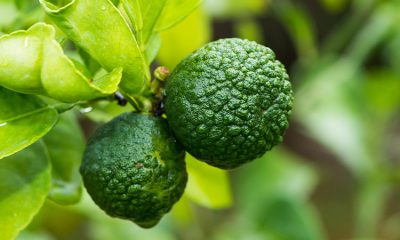
Key limes citrus. It is a very fragrant citrus with a strong, bitter rind and fragrant leaves that is widely used in Southeast Asian cooking, particularly for cocktails and curries. The fruit has a strong citrusy, lemony flavor from its zest and juice, but the juice is less copious than that of conventional limes and often harsh. Its qualities are also known to provide potential health advantages, such as enhancing digestive health and antioxidant effects.
KEY LIMES CITRUS
Key limes are a beloved fruit in home kitchens and the culinary industry due to their unique flavor and adaptability. They are an essential component in many dishes, especially the popular Key lime pie, due to their distinct flavor and fragrant characteristics. Key limes continue to amaze and inspire cooks and culinary fans worldwide, whether they are utilized in savory meals, desserts, or drinks.
Characteristics and Cultivation;

KEY LIMES CITRUS
Key limes are smaller and rounder than the more common Persian limes, with a diameter of about 1-2 inches. Their thin, smooth skin turns from green to yellow as they ripen, and they contain numerous seeds. The fruit’s juice is more acidic and aromatic than that of Persian limes, imparting a unique, zesty flavor to dishes and beverages.

KEY LIMES CITRUS
Key limes thrive in warm, subtropical climates and are primarily grown in the Florida Keys, Mexico, and the Caribbean. The trees are relatively small, bushy, and thorny, requiring well-drained soil and plenty of sunlight. Due to their sensitivity to cold, Key lime trees are often grown in containers in cooler regions, allowing for easy relocation during colder months.
Culinary Uses;

KEY LIMES CITRUS
The most famous use of Key lime is in Key lime pie, a dessert that showcases the fruit’s tartness balanced with sweetness. This pie typically consists of a graham cracker crust, a creamy filling made from Key lime juice, sweetened condensed milk, and egg yolks, topped with whipped cream or meringue.
Key lime juice is also a popular ingredient in marinades, salad dressings, and cocktails, such as the classic Key lime margarita. Its vibrant acidity enhances seafood dishes, ceviche, and salsas, adding a refreshing twist to a variety of recipes.
Nutritional Benefits;

Key lime is a rich source of vitamin C, an essential nutrient that supports immune function, skin health, and antioxidant protection. They also contain small amounts of vitamins A and B, calcium, and potassium. The fruit’s high acidity can aid digestion and provide a natural preservative effect in culinary applications.
Summary
Citrus aurantiifolia, the technical name for key limes, is a tiny, fragrant citrus fruit that is prized for its unique sour and tangy flavor. These limes originated in Southeast Asia and traveled to the Florida Keys, where they became well-known and a mainstay in many dishes, most famously the famous Key lime pie.











Best proteinous fruits. Incorporating these protein-rich fruits into your diet can help you satisfy your nutritional needs while enjoying their various flavors and health benefits. Guava, avocado, apricots, kiwi, blackberries, and bananas offer a high quantity of protein along with a plethora of vitamins, minerals, and antioxidants. You may improve your overall diet and promote your health in a number of ways by incorporating a range of these fruits into your meals and snacks.
BEST PROTEINOUS FRUITS
While fruits are normally recognized for their vitamins, minerals, and fiber, some can provide a surprising amount of protein. You may achieve your daily protein needs by include these high-protein fruits in your diet, particularly if you’re on a plant-based diet. here are the top fruits that are high in protein:
1. Guava;
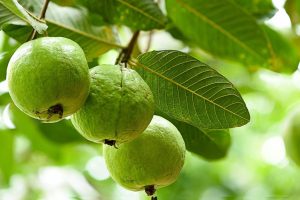
Guava stands out as one of the highest protein-containing fruits. A single cup of guava can provide around 4.2 grams of protein. Besides its protein content, guava is also rich in dietary fiber, vitamin C, and antioxidants, making it a superfood that supports overall health.
2. Avocado;
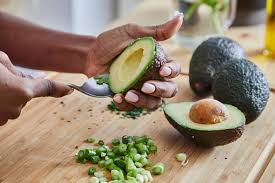
Avocados are well-known for their healthy fats, but they are also a good source of protein. A medium-sized avocado contains about 3 grams of protein. Additionally, avocados are packed with heart-healthy monounsaturated fats, fiber, potassium, and vitamins E, K, and B6.
3. Apricots;
BEST PROTEINOUS FRUITS
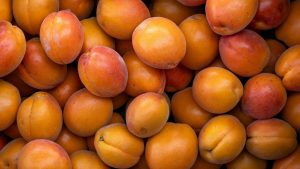
Dried apricots are particularly high in protein, with about 2.2 grams of protein per cup. Fresh apricots also provide protein, though in smaller amounts. Apricots are a great source of vitamins A and C, potassium, and dietary fiber, contributing to good vision, skin health, and digestion.
4. Kiwi;
Kiwi is another fruit that offers a decent amount of protein, providing about 2.1 grams per cup. It is also rich in vitamin C, vitamin K, vitamin E, folate, and dietary fiber. Kiwi’s high antioxidant content helps combat oxidative stress and boosts the immune system.
5. Blackberries;
BEST PROTEINOUS FRUITS
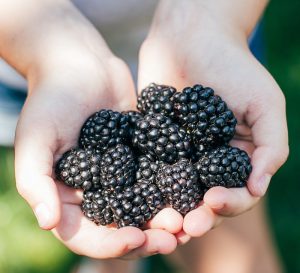
Blackberries are not only delicious but also nutritious, offering about 2 grams of protein per cup. They are loaded with vitamins C and K, fiber, and a variety of antioxidants, which help protect the body against inflammation and chronic diseases.
6. Bananas;

BEST PROTEINOUS FRUITS
Bananas, while primarily known for their high potassium content, also provide about 1.3 grams of protein per medium-sized fruit. They are a convenient snack and can be easily added to smoothies, oatmeal, or yogurt. Bananas are also rich in vitamins B6 and C, and provide energy-boosting carbohydrates.
Summary
With more protein per serving than other fruits, guava, avocado, jackfruit, passion fruit, and blackberries are the highest protein fruits. While no fruit is a primary protein source, these alternatives offer small levels of protein along with fiber, vitamins, and other nutrients to supplement a balanced diet.
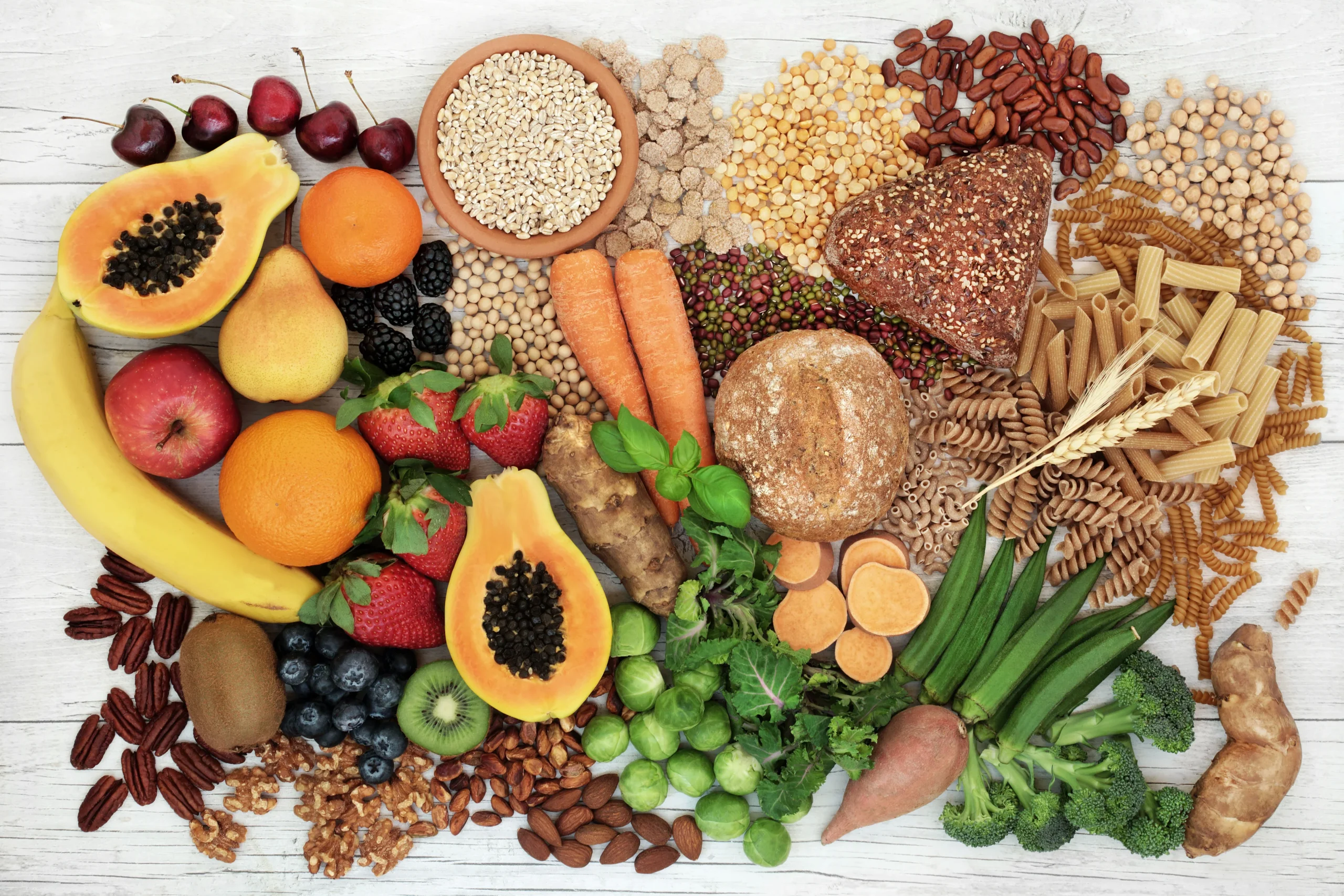
Dietary fiber fruits. Fruits high in fiber, such as raspberries, pears, apples, bananas, oranges, and strawberries, can greatly increase your daily fiber intake and offer a host of health advantages. In addition to being tasty, these fruits provide a variety of vitamins, minerals, and antioxidants that promote general health. You may improve your digestive health, sustain stable blood sugar levels, and encourage satiety by incorporating these fruits into your meals and snacks on a regular basis.
DIETARY FIBER FRUITS
Fiber is an essential ingredient that plays a key role in maintaining digestive health, regulating blood sugar levels, and increasing satiety. Fruits are an excellent source of dietary fiber, and integrating fiber-rich fruits into your diet can help you achieve your daily fiber needs. The top fruits with the highest fiber content are listed below:
1. Raspberries;

Raspberries are a powerhouse of dietary fiber, offering about 8 grams of fiber per cup. This makes them one of the best fruits for boosting your fiber intake. In addition to fiber, raspberries are rich in vitamins C and K, antioxidants, and manganese, which support overall health and immune function.
2. Pears;
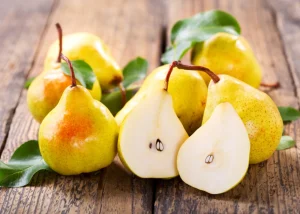
Dietary fiber fruits
Pears are another excellent source of fiber, with a medium-sized pear providing around 6 grams of fiber. The majority of the fiber in pears is soluble, which helps regulate blood sugar levels and lower cholesterol. Pears are also high in vitamins C and K and are a great addition to salads, desserts, and snacks.
3. Apples;
Apples are a convenient and popular fruit that provides about 4.4 grams of fiber per medium-sized apple. Most of the fiber in apples is found in the skin, so it’s best to eat them unpeeled. Apples are also rich in vitamin C and various antioxidants, making them a nutritious and easy-to-carry snack.
4. Bananas;

Dietary fiber fruits
Bananas offer about 3 grams of fiber per medium-sized fruit. They contain both soluble and insoluble fiber, which help maintain healthy digestion and promote feelings of fullness. Bananas are also a good source of potassium, vitamin C, and vitamin B6, contributing to overall nutritional balance.
5. Oranges;
Oranges are not only high in vitamin C but also provide a good amount of fiber, with about 3.1 grams per medium-sized fruit. The fiber in oranges helps regulate digestion and supports heart health. Oranges are versatile and can be enjoyed as a snack, in salads, or as fresh juice.
6. Strawberries;

Dietary fiber fruits
Strawberries are a delicious and fiber-rich fruit, offering about 3 grams of fiber per cup. They are also packed with vitamins C and K, folate, and antioxidants, which help reduce inflammation and support immune function. Strawberries can be eaten fresh, added to smoothies, or used in various desserts.
Summary
High-fiber fruits include berries including raspberries, blackberries, and strawberries; pears; apples (with skin); bananas; avocados; and oranges. Other examples are passion fruit, guava, and plums. Consuming a range of foods can promote digestive health, weight control, and heart health.
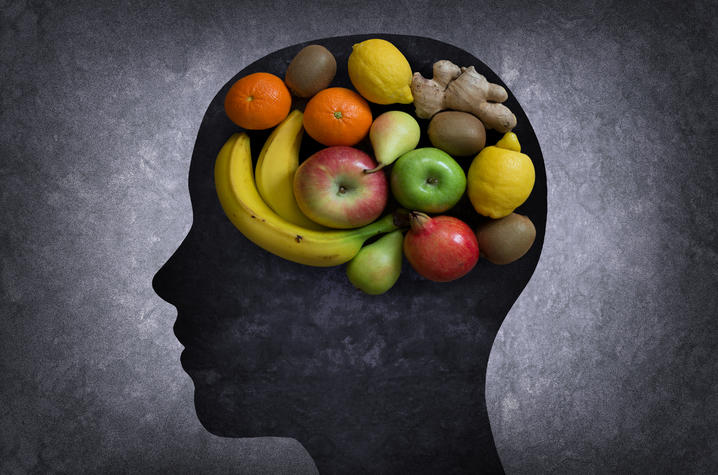
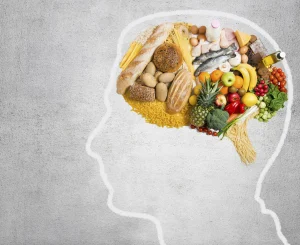
Fruits for healthy brain. A healthy brain is one that performs at its best in every area, from social-emotional to cognitive, enabling a person to reach their maximum potential and have a fulfilling life. A balanced diet, frequent physical and mental exercise, getting enough sleep, controlling stress, and preserving social relationships are important practices for keeping the brain healthy. Additionally, because blood pressure and diabetes have a major impact on brain function, it is imperative to monitor these disorders. These fruits assist general cognitive function, enhance memory and concentrate, and shield brain cells. Kiwis and grapes are other excellent choices.
FRUITS FOR HEALTHY BRAIN
Including these fruits in your diet can have a big impact on the health of your brain. Oranges, bananas, avocados, blueberries, and strawberries are all high in vital nutrients that enhance memory, boost cognitive function, and shield the brain from harm. To improve brain function and preserve general mental health, eat these fruits as part of a balanced diet.Berries (particularly blueberries, strawberries, and blackberries), oranges, and avocados are good fruits for brain health due to their antioxidants and other helpful chemicals.
1. Blueberries;
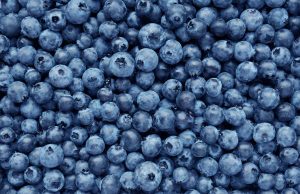
Blueberries are often dubbed “brain berries” due to their high levels of antioxidants, particularly flavonoids. These compounds help protect the brain from oxidative stress and inflammation, which can impair cognitive function. Studies have shown that regular consumption of blueberries can improve memory and delay brain aging.
2. Avocados;
Fruits for healthy brain
Avocados are rich in monounsaturated fats, which promote healthy blood flow to the brain. They are also high in folate and vitamin K, which help prevent blood clots in the brain and improve cognitive function. Additionally, the presence of lutein in avocados has been linked to better brain health and enhanced memory.
3. Oranges;
Oranges are packed with vitamin C, a powerful antioxidant that helps protect brain cells from damage. Vitamin C is also essential for the production of neurotransmitters like dopamine and serotonin, which are crucial for mood regulation and cognitive function. Consuming adequate vitamin C can help prevent mental decline and support overall brain health.
4. Strawberries;
Fruits for healthy brain
Strawberries contain high levels of antioxidants and polyphenols, which help reduce inflammation and oxidative stress in the brain. The flavonoids in strawberries have been shown to improve cognitive function and memory. Regular consumption of strawberries can also enhance neuron communication and slow down age-related cognitive decline.
5. Bananas;
Fruits for healthy brain
Bananas are a great source of potassium and magnesium, which are essential for maintaining proper nerve function. They also contain vitamin B6, which helps produce neurotransmitters that regulate mood and cognitive function. The natural sugars in bananas provide an energy boost for the brain, enhancing focus and concentration.
Summary
Maintaining and improving brain function requires a balanced diet. Certain fruits are particularly advantageous due to their substantial presence of antioxidants, vitamins, and other substances that enhance brain function. These fruits have been shown to improve brain function:
Multiple System Atrophy

Key Relevance of Monounsaturated Fats

Best Proteinous Fruits

A Step-by-Step Guide to Deleting Reels on Instagram

How to Create a WhatsApp Group