adventure
Leaning tower of pisa

Leaning tower of pisa. The tower’s low side height is 55.86 meters (183 feet 3 inches), while its high side height is 56.67 meters (185 feet 11 inches). At the base, the walls are 2.44 meters (8 feet 0 inches) wide. An estimated 14,500 tonnes (16,000 short tons) is its weight. There are 296 or 294 steps in the tower; the north-facing staircase on the seventh floor has two fewer steps.
LEANING TOWER OF PISA
Due to soft ground that was unable to adequately support the structure’s weight, the tower started to lean during construction in the twelfth century. When building was finished in the fourteenth century, it got worse. The tilt increased to 5.5 degrees by 1990. Remedial work between 1993 and 2001 stabilized the structure and lowered the inclination to 3.97 degrees.
1. Iconic Lean.
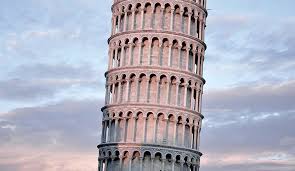

The Leaning Tower of Pisa is renowned worldwide for its distinctive tilt. The tower began leaning during construction due to unstable soil and foundation issues, leading to its iconic lean that has made it a symbol of architectural marvel and engineering challenges.
2. Construction History;
Construction of the tower began in 1173 and took over 200 years to complete. It was part of a larger complex known as Piazza dei Miracoli (Square of Miracles), which also includes the Pisa Cathedral and the Pisa Baptistry.
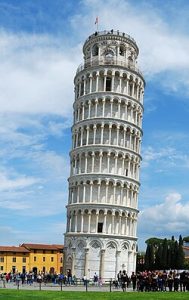
3. Architectural Features: The tower stands at approximately 55 meters (183 feet) tall and consists of eight stories. It is made of white marble and features Romanesque architecture, with circular arcades and decorative columns adorning its exterior.
4. Leaning Degree;

Leaning tower of pisa
At its most extreme, the lean of the tower reached 5.5 degrees off the vertical axis. However, restoration efforts in the late 20th and early 21st centuries successfully reduced the lean to approximately 3.97 degrees. Stabilizing the structure and ensuring its long-term preservation.
5. Famous Architects;
While the identity of the original architect remains uncertain. It is believed that Bonanno Pisano and Gherardo di Gherardo were involved in the tower’s design and construction. The tower’s lean led to several modifications and interventions by subsequent architects and engineers over the centuries.
6. Tourist Attraction;

Leaning tower of pisa
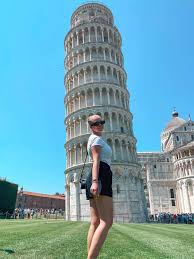
The Leaning Tower of Pisa is one of Italy’s most visited tourist attractions, drawing millions of visitors each year. Tourists flock to the site to marvel at the tower’s unique lean, take photographs posing with the tower. And climb its spiral staircase for panoramic views of Pisa and the surrounding countryside.
7. Symbol of Resilience;

Leaning tower of pisa
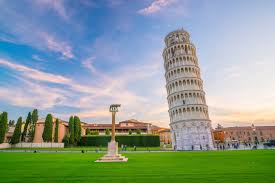
Despite its precarious lean, the Leaning Tower of Pisa has stood the test of time. Surviving earthquakes, wars, and centuries of wear and tear. Its resilience and enduring charm serve as a reminder of human ingenuity. And the ability to overcome challenges in the pursuit of architectural excellence.
Summary
There is debate regarding who designed the tower. Guglielmo and Bonanno Pisano, a well-known native artist of Pisa in the 12th century who is renowned for his bronze casting, especially in the Pisa Duomo, were long credited with the design. [better source needed] Pisano departed Pisa for Monreale, Sicily, in 1185, only to return home and pass away.