Skin health
Lip Breakage: Causes and Effective Treatments

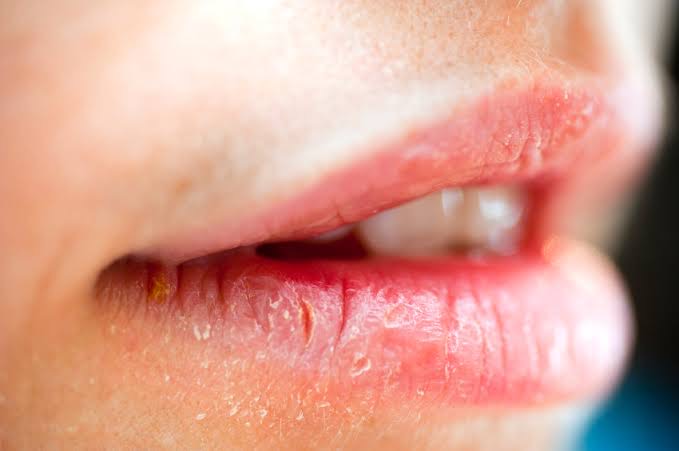
Lip breakage, characterized by dryness, cracking, and peeling, is a common issue that can be both uncomfortable and unsightly. This condition often arises due to environmental factors, lifestyle habits, or even underlying health issues. Understanding the causes of lip breakage and how to treat it effectively can help you maintain soft, healthy lips year-round.
Common Causes
1. Dehydration: One of the primary causes of chapped lips is dehydration. When your body lacks sufficient water, your lips are one of the first areas to show signs of dryness.
2. Cold and Dry Weather: Cold winds and dry air can strip moisture from your lips, leading to cracking and peeling, especially during winter months.
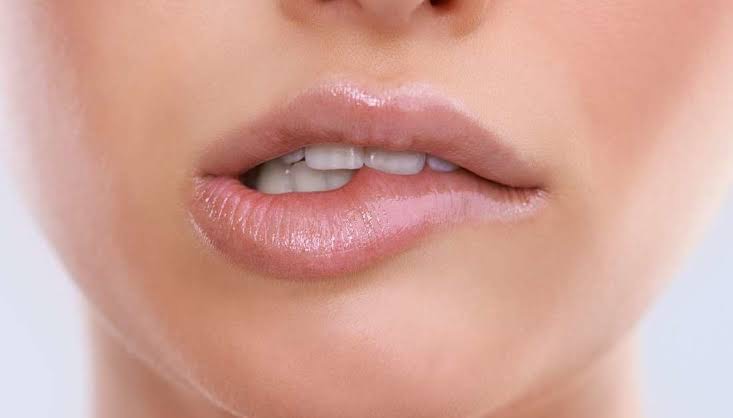
3. Excessive Licking or Biting: While it might seem like licking your lips would help keep them moist, it actually has the opposite effect. Saliva evaporates quickly, leaving lips drier than before. Biting your lips can also cause irritation and worsen breakage.
4. Irritating Ingredients in Lip Products: Some lip balms, lipsticks, or glosses contain ingredients like menthol, camphor, or fragrances that can irritate sensitive skin, leading to further dryness and cracking.
5. Vitamin Deficiency: A lack of essential vitamins, particularly B vitamins, can lead to dry, cracked lips. Vitamin B2 (riboflavin) deficiency is especially known to cause chapped lips.
Effective Treatments for Lip Breakage
1. Stay Hydrated: Drink plenty of water throughout the day to keep your body and lips hydrated. This is one of the most effective ways to prevent and treat chapped lips.

2. Use a Nourishing Lip Balm: Choose a lip balm that contains moisturizing ingredients like beeswax, shea butter, coconut oil, or hyaluronic acid. Avoid balms with irritating ingredients like menthol or strong fragrances.
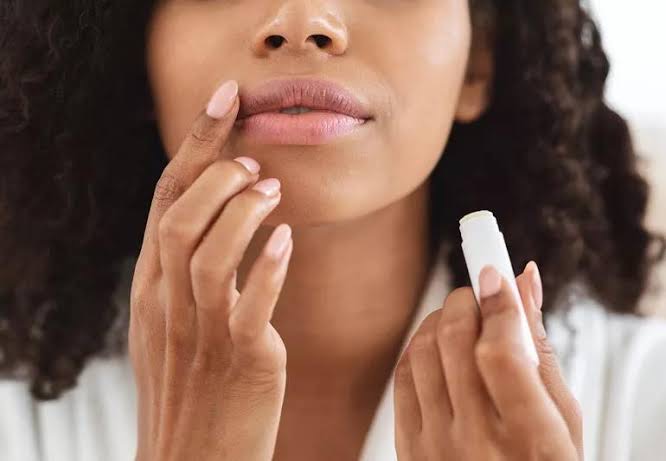
3. Exfoliate Gently: Exfoliating your lips can help remove dead skin cells and promote healing. Use a gentle lip scrub or make your own by mixing sugar with a small amount of honey. Apply the scrub in circular motions and rinse off with lukewarm water.
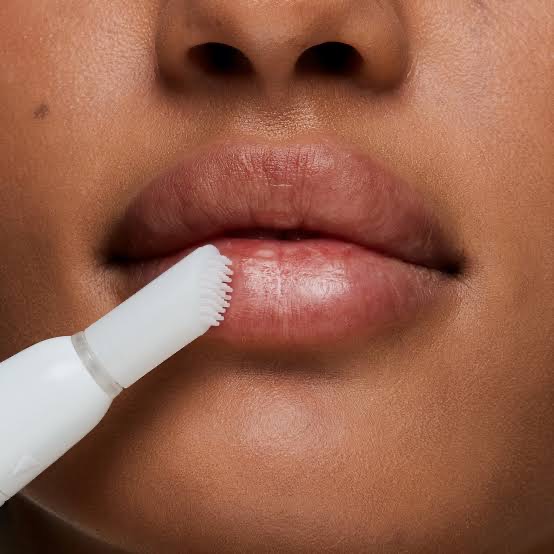
4. Protect Your Lips from the Elements: In cold or windy weather, apply a thick, protective lip balm before going outside. Look for products with SPF to protect your lips from UV damage, even in winter.
5. Avoid Licking or Biting Your Lips: Break the habit of licking or biting your lips. If you find it difficult, try keeping a moisturizing lip balm handy to apply whenever you feel the urge.
6. Improve Your Diet: Ensure your diet includes foods rich in B vitamins, such as eggs, lean meats, nuts, and leafy greens. If necessary, consider taking a vitamin B complex supplement after consulting with a healthcare provider.
Lip breakage is a common but manageable issue. By addressing the underlying causes—whether it’s dehydration, environmental exposure, or diet—you can keep your lips soft, smooth, and healthy. Consistent hydration, the use of nourishing lip balms, and protective measures against harsh weather will go a long way in preventing and treating chapped lips.



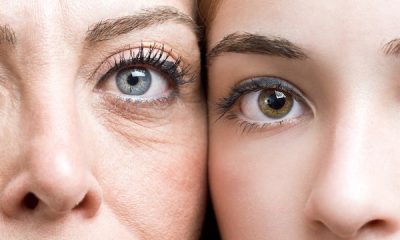

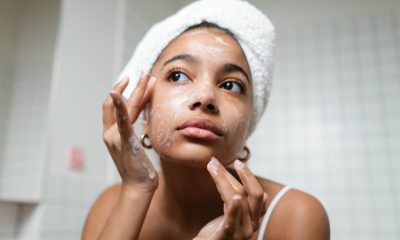




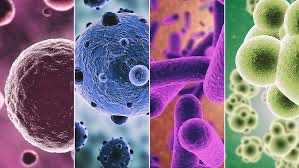


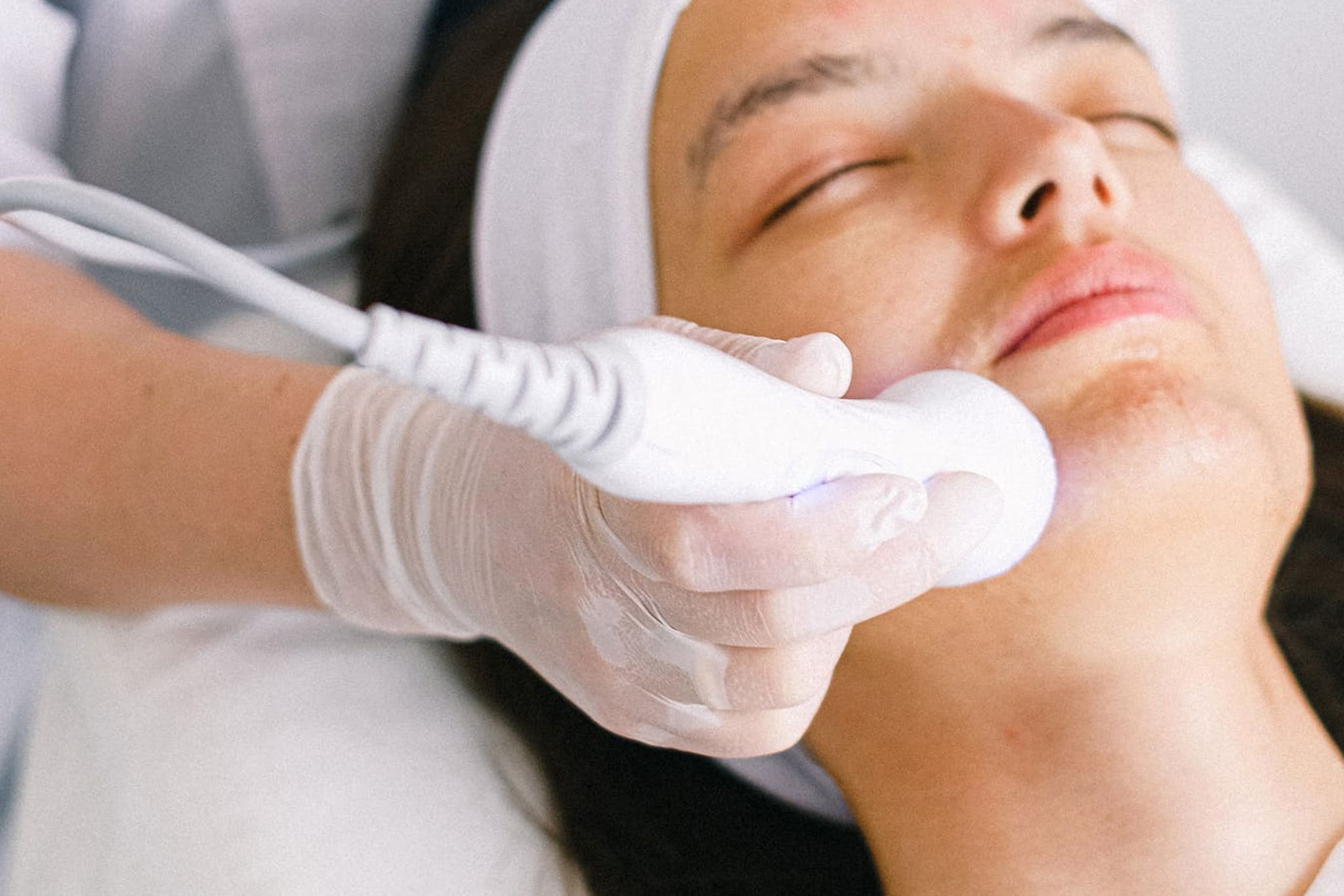
Skin cancer remedies. One of the most prevalent cancers worldwide, skin cancer is becoming more common due to a number of reasons, such as increased sun exposure, ozone layer depletion, and changing lifestyles. When skin cells experience aberrant alterations, mainly as a result of exposure to ultraviolet (UV) radiation from the sun or artificial sources like tanning beds, skin cancer occurs. Skin cancer can be fatal if left untreated, but it is very treatable when discovered early. For early detection and efficient treatment, it is essential to comprehend the types, risk factors, symptoms, and preventive actions related to skin cancer.
SKIN CANCER REMEDIES
Surgical removal, such as excision or Mohs surgery, is the main method of curing skin cancer, especially if it is discovered early. Chemotherapy creams, freezing (cryotherapy), scraping (curettage), photodynamic therapy, or radiation are other typical therapies for tiny, surface tumors. Immunotherapy or targeted therapy may be necessary for advanced tumors in order to boost the body’s immune system and eliminate cancer cells.
Types of Skin Cancer:
1. Basal Cell Carcinoma:
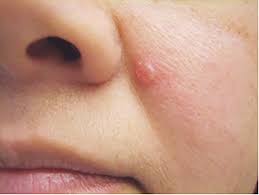
BCC is the most common type of skin cancer, typically appearing as a small, shiny bump or a red, scaly patch. It tends to grow slowly and rarely spreads to other parts of the body, but can cause disfigurement if left untreated.
2. Squamous Cell Carcinoma (SCC): SCC often appears as a firm, red bump or a scaly patch, and may grow rapidly. While it usually remains localized, SCC can metastasize to other parts of the body if not treated promptly.
3. Melanoma:
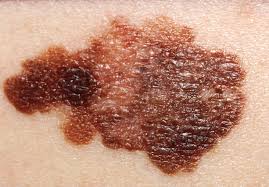
Melanoma is less common but more aggressive than BCC and SCC. It often develops from existing moles or as new pigmented growths on the skin. Melanoma can spread quickly to other organs if not detected early, making it the deadliest form of skin cancers.
Risk Factors for Skin Cancers:
1. UV Exposure: Prolonged exposure to UV radiation from the sun or tanning beds is the primary risk factor for skin cancer. Sunburns, particularly during childhood, increase the risk of developing skin cancers later in life.
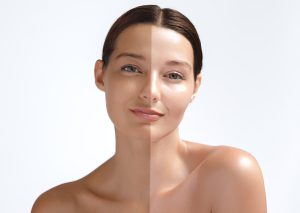
2. Fair Skin:
Skin cancer remedies
People with fair skin, light-colored eyes, and blond or red hair are at higher risk of developing skin cancers due to lower levels of melanin, the pigment that provides some protection against UV radiation.
3. Family History: A family history of skin cancer, particularly melanoma, increases the risk of developing the disease.
4. Moles: Having a large number of moles or atypical moles (dysplastic nevi) increases the risk of melanoma.
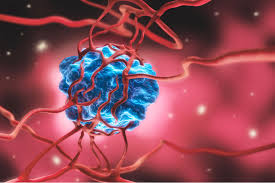
5. Immune Suppression:
Skin cancer remedies
Conditions or medications that weaken the immune system, such as organ transplantation or immunosuppressive drugs, can increase the risk of skin cancers.
Summary
The aberrant, fast proliferation of skin cells, mostly brought on by UV radiation, is known as skin cancer. Melanoma is the most dangerous kind, but basal cell carcinoma (slow-growing) and squamous cell carcinoma are the most prevalent. New moles, shifting patches, or non-healing lesions are early warning indicators. Excision, Mohs surgery, freezing, and creams are among the treatments.
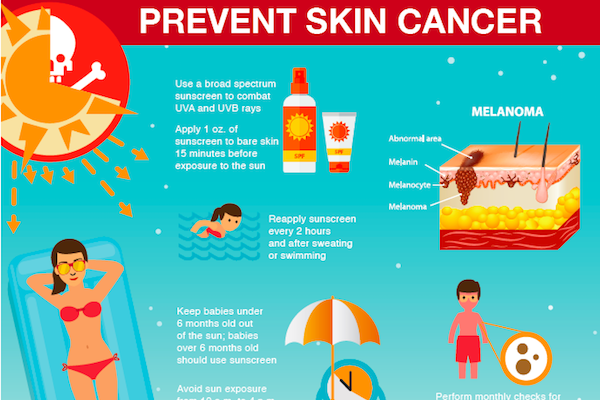
Skin cancer preventive measures. One kind of cancer that starts in the skin cells is called skin cancer. Although it can happen in places that aren’t normally exposed to sunlight, it commonly develops in locations that have. Melanoma, basal cell carcinoma, and squamous cell carcinoma are among the various forms of skin cancer, each having unique traits and therapies. It’s crucial to routinely examine your skin for any strange changes and get medical advice if you see any signs of skin cancer.
SKIN CANCER PREVENTIVE MEASURES
Skin cancer is a dangerous illness that can be fatal. However, it is also both treatable and avoidable, particularly if caught early. by adopting sun-safe habits and keeping an eye out for skin changes. Additionally, people can lower their risk of developing skin cancer and increase their chances of a successful course of treatment and long-term survival by promptly seeking medical assistance for suspicious lesions.
Signs of skin cancer include:
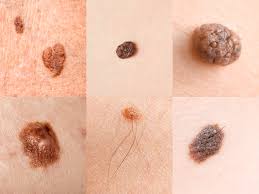
– A new growth or sore that doesn’t heal
– Changes in the size, shape, color, or texture of existing moles or lesions
– Irregular borders or asymmetry of pigmented lesions
– Itching, tenderness, or pain in a mole or lesion
Preventive Measures:
1. Sun Protection: Limit sun exposure, especially during peak hours (10 a.m. to 4 p.m.), and use sunscreen with a high SPF, protective clothing, hats, and sunglasses.
2. Regular Skin Exams:
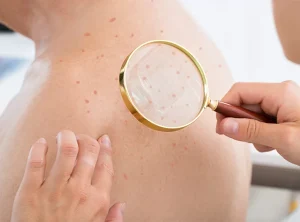
Perform self-exams of the skin to monitor for changes in moles or lesions, and schedule regular skin checks with a dermatologist.
3. Avoid Tanning Beds: Avoid using tanning beds, as they emit harmful UV radiation that increases the risk of skin cancer.
4. Seek Shade: When outdoors, seek shade under trees, umbrellas, or awnings to reduce direct sun exposure.
5. Protect Children: Protect children from sun exposure by dressing them in protective clothing, applying sunscreen, and encouraging sun-safe behaviors.
6. Stay Hydrated:

Stay hydrated by drinking plenty of water, especially when spending time outdoors in the sun.
7. Be Sun Smart: Be mindful of UV index forecasts and take appropriate precautions to protect your skin when UV levels are high.
8. Quit Smoking:
Smoking can increase the risk of developing certain types of skin cancer, so quitting smoking can lower your overall risk.
Early Detection and Treatment:
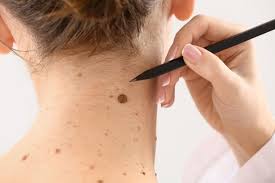
Early detection is key to successful treatment of skin cancer. Regular self-exams and annual skin checks by a dermatologist can help detect suspicious lesions or moles early, when treatment is most effective. If skin cancer is diagnosed, treatment options may include:
1. Surgery:
Surgical removal of the cancerous lesion or tumor is often the primary treatment for skin cancer. In some cases, Mohs surgery, a specialized surgical technique that removes thin layers of skin one at a time, may be recommended for certain types of skin cancer.
2. Radiation Therapy:
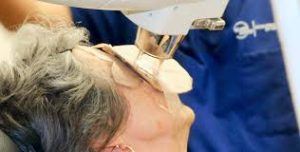
Skin cancer preventive measures
Radiation therapy may be used to destroy cancer cells or shrink tumors, particularly for cancers that are difficult to remove surgically or for patients who are not candidates for surgery.
3. Topical Treatments:
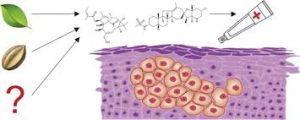
Skin cancer preventive measures
For superficial skin cancers or precancerous lesions, topical treatments such as topical chemotherapy, immunotherapy, or photodynamic therapy may be used to destroy abnormal cells.
4. Systemic Therapies:
In cases of advanced or metastatic skin cancer, systemic therapies such as targeted therapy, immunotherapy, or chemotherapy may be used to treat the cancer and manage symptoms.
Summary
The main strategies for preventing skin cancer are wearing protective clothes (long sleeves, UV-blocking eyewear, wide-brimmed hats), avoiding peak sun hours (10 a.m. to 4 p.m.), and using sunscreen (SPF 30+) on a daily basis. Steer clear of artificial tanning beds entirely and do monthly self-examinations to look for any worrisome areas.
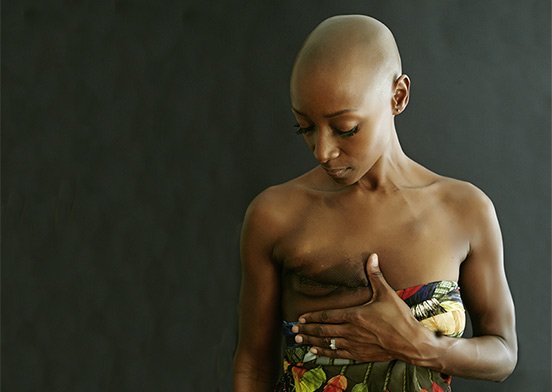
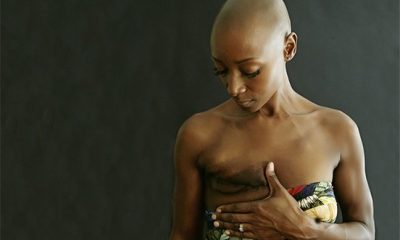
Breast cancer and it’s effects. It is a disease in which the breast’s cells proliferate uncontrollably, creating tumors that may spread and become invasive. Although it can happen to younger women and men, it mainly affects women over 50. A new lump, breast thickening, skin dimpling, or nipple discharge are important indicators. Treatment options include radiation, chemotherapy, hormone therapy, and surgery, all of which have a high success rate.
BREAST CANCER AND IT’S EFFECTS
Breast cancer develops when aberrant breast cells proliferate out of control, resulting in tumors that can spread (metastasize) to other body areas or invade nearby tissue. In addition to treatment-related side effects such exhaustion, discomfort, and mental distress, important adverse effects include physical changes like lumps, skin dimpling, and nipple discharge. There are several contributing elements to this complicated illness. Although the precise causes of breast cancer remain unclear, a number of risk factors have been found:
1. Genetics:
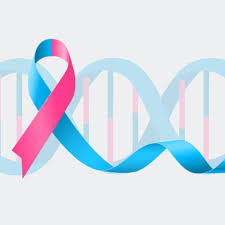
Inherited mutations in certain genes, such as BRCA1 and BRCA2, significantly increase the risk of developing breast cancer. However, most cases of breast cancer are not hereditary.
2. Age: The risk of breast cancer increases with age, with the majority of cases diagnosed in women over 50. However, breast cancer can occur at any age.
3. Hormonal Factors: Estrogen and progesterone, hormones that regulate the menstrual cycle and pregnancy, can influence breast cancer risk. Factors such as early menstruation, late menopause, and never giving birth or having a first child after age 30 can increase risk.
4. Family History: A family history of breast cancer or ovarian cancer can increase the risk of developing breast cancer, especially if the relatives were diagnosed at a young age.
5. Lifestyle Factors:
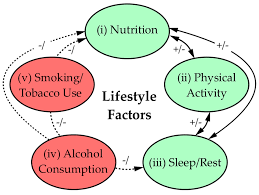
Certain lifestyle choices, such as excessive alcohol consumption, smoking, being overweight or obese, and lack of physical activity, can increase the risk of breast cancer.
6. Radiation Exposure: Previous radiation therapy to the chest area, particularly during childhood or adolescence, increases the risk of breast cancer later in life.
7. Dense Breast Tissue: Women with dense breast tissue have a higher risk of developing breast cancer compared to women with less dense breast tissue.
Effects:
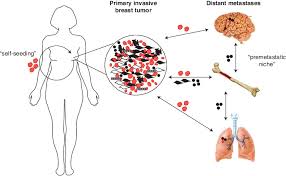
Breast cancer and it’s effects
Breast cancer is a serious disease that can have profound physical, emotional, and social effects on individuals and their families. Some of the effects of breast cancer include:
1. Physical Effects: Breast cancer and its treatments, such as surgery, chemotherapy, radiation therapy, and hormone therapy, can cause a range of physical side effects. These may include fatigue, pain, nausea, hair loss, lymphedema (swelling in the arm or hand), and changes in appearance.
2. Emotional Impact:
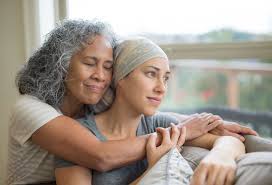
Breast cancer and it’s effects
A breast cancer diagnosis can lead to a wide range of emotions, including fear, anxiety, sadness, anger, and depression. Coping with the uncertainty of the disease, treatment side effects, and changes in body image can be challenging for many patients.
3. Financial Burden:
The cost of breast cancer treatment, including medical expenses, medications, and supportive care, can place a significant financial burden on patients and their families. This burden may be compounded by lost income due to missed work or reduced productivity.
4. Relationships:

Breast cancer and it’s effects
Breast cancer can affect relationships with partners, family members, friends, and colleagues. Communication challenges, role changes, and caregiving responsibilities can strain relationships and social support networks.
Summary
Many breast cancer survivors find resiliency and courage throughout their journey in spite of these obstacles. Support from friends, family, support groups, and medical professionals can help people manage the psychological, social, and physical impacts of breast cancer and enhance their quality of life.

How to turn off iphone

Techniques for stress management

Fingernails common diseases

A Step-by-Step Guide to Deleting Reels on Instagram

A Comprehensive Guide to Setting Up a YouTube Premiere