Health
Liver disease early signs

Liver disease early signs. For an accurate assessment and diagnosis, it’s critical to speak with a healthcare provider if you consistently encounter any of these symptoms. Liver disease outcomes can be greatly enhanced and further complications can be avoided with early detection and treatment. A balanced diet, frequent exercise, and abstaining from alcohol are all components of a healthy lifestyle that can promote liver health and lower the risk of liver disease.
LIVER DISEASE EARLY SIGNS
The liver is a vital organ responsible for processing nutrients, filtering toxins from the blood, and aiding in digestion. However, various factors such as excessive alcohol consumption, viral infections, and obesity can lead to liver disease. Recognizing the early signs of liver disease is crucial for timely intervention and treatment. Here are some common indicators to watch out for:
1. Fatigue:


Persistent fatigue and weakness may signal liver dysfunction as the liver plays a key role in energy metabolism. If you find yourself unusually tired despite adequate rest, it’s essential to consider the health of your liver.
2. Jaundice: One of the most recognizable signs of liver disease is jaundice, characterized by yellowing of the skin and the whites of the eyes. Jaundice occurs when the liver is unable to effectively metabolize bilirubin, a pigment produced during the breakdown of red blood cells.
3. Abdominal Pain and Swelling: Pain and swelling in the abdomen, particularly in the area of the liver (located in the upper right quadrant), can indicate liver inflammation or enlargement. This discomfort may vary from a dull ache to sharp, stabbing pains.
4. Changes in Urine and Stool: Liver disease can alter the color and consistency of urine and stool. Dark urine may indicate the presence of bilirubin, while pale stools suggest a lack of bile reaching the intestines for digestion.
5. Loss of Appetite and Weight Loss:


A decrease in appetite and unintended weight loss can occur as a result of liver disease, particularly when accompanied by nausea or vomiting. This may be due to the liver’s diminished ability to produce bile and aid in digestion.
6. Nausea and Vomiting: Persistent nausea and vomiting, especially after meals, can be early signs of liver impairment. These symptoms may worsen as liver function declines.
7. Skin Itching: Itchy skin, medically known as pruritus, can be a consequence of liver disease, often attributed to the buildup of bile salts beneath the skin. The itching may worsen at night and can be quite distressing.
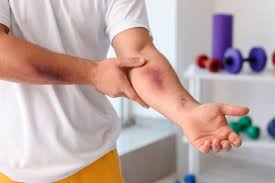
8. Easy Bruising and Bleeding:

Liver disease early signs
The liver produces clotting factors necessary for blood coagulation. When liver function is compromised, there may be an increased tendency to bruise easily and experience prolonged bleeding from minor cuts or injuries.
9. Spider Angiomas: These are small, spider-like blood vessels that appear on the skin’s surface, particularly on the upper body. While not exclusive to liver disease, their presence can be indicative of liver dysfunction.
10. Confusion or Impaired Mental Function:


Liver disease early signs
Also, in advanced stages of liver disease, a condition known as hepatic encephalopathy can occur, leading to confusion, difficulty concentrating, and changes in behavior.
Summary
Persistent fatigue, unexplained weight loss, appetite loss, and nausea are common early indicators of a damaged liver. Itchy skin, pale feces, dark urine, yellowing of the skin or eyes (jaundice), and pain or swelling in the upper right abdomen are additional important warning indicators.