communication
Marriage Communication


Marriage communication. A strong marriage is built on effective communication, which necessitates active listening, empathy, and polite, straightforward expression in order to foster closeness and settle disputes. Important techniques include setting aside time for conversations without interruption, utilizing “I” words to communicate requirements without placing blame, and “mirroring” to make sure that everyone understands.
MARRIAGE COMMUNICATION
The foundation of any healthy relationship, particularly a marriage, is communication. However, as life gets busy and stress levels rise, it can be easy to slip into patterns of misunderstandings and inadequate communication. Fortunately, there are simple yet effective ways to strengthen your marriage and improve your communication skills.
Ten useful suggestions that can improve mutual understanding, strengthen your bond with your spouse, and promote a happier and better marriage will be discussed in this article. These techniques, which range from practicing empathy and setting boundaries to actively listening and expressing gratitude, will enhance your communication and assist you in creating a more solid and satisfying connection with the person you love.
1. Active listening;

practice engaging fully with your spouse’s ords and reacting in a way that shows you understand and value what they have to say are both components of active listening. Active listening involves paying attention to what your partner is saying, keeping eye contact, and refraining from interrupting or discounting their thoughts.
2. Empathy in practice;
being empathetic means sharing and comprehending your spouse’s feelings and experiences. Try to envision how your partner feels by placing yourself in their position as a way to cultivate empathy. This will enable you to react with empathy and support and gain a deeper understanding of their viewpoint.
3. Ask for a compromise;

in order to communicate effectively and maintain wholesome relationships, compromise is necessary. It entails coming up with a solution that satisfies the demands and preferences of both partners. Listen to your partner’s needs and ideas, be willing to make concessions, and be adaptable with your own preferences.
4. Stay away from critical and blame;
your spouse may become defensive and feel attacked as a result of criticism and blame, which can cause problems and poor communication. Rather than criticizing, insulting your partner, concentrate on communicating your needs and feelings.
5. Remember to get feedback;

An integral part of effective couple communication. is feedback. It entails respectfully and encouragingly offering and receiving constructive feedback. Be responsive to criticism, communicating your love, and willing to hear your spouse’s thoughts and recommendations, and open to make adjustments and enhancements.
6. Define boundaries;
Although, Healthy communication requires boundaries. They avoid arguments and miscommunications by assisting partners in respecting one another’s needs and preferences. Establishing limits involves being explicit about what you will and won’t put up with, and politely and clearly communicating these boundaries to your partner.
7. Set up regular inspections;

Marriage communication
However, You and your partner can remain in touch and deal with possible concerns before they become bigger ones by checking in on a regular basis. Set up a specific period of time each week to connect and communicate with your spouse in order to arrange frequent check-ins.
Summary
Also, good communication is essential to a happy marriage. By practicing active listening, using “i” statements, paying attention to nonverbal clues, cultivating empathy, and remaining open to criticism and compromise, couples can improve their communication skills and strengthen their relationship.


Barriers and communication. Anything that makes it challenging for communicators to reach the right audience at the right time or for a recipient to get the right information at the right time can fall under this category. Effective communication may be affected by three basic types of communication obstacles. Social isolation, working remotely, not requiring a desk, having closed office doors, and more are examples of physical impediments to communication. • Emotional barriers to communication, such as fear and mistrust. • Obstacles to verbal and nonverbal language-based communication.
BARRIERS AND COMMUNICATION
Obstacles to effective communication are factors that hinder or obscure the intended message, such as physical issues (noise, distance), linguistic or semantic problems (jargon, language barriers, inadequate word selection), psychological or emotional factors (bias, attitudes, stress, distrust), cultural challenges (varied norms, nonverbal signals like eye contact), and organizational issues (hierarchical structures, excessive information, ineffective channels), all of which can result in misunderstandings or failed communication.
1. Styles and abilities of communication People communicate in different ways and with varied talents. Communication barriers frequently arise between the sender and the recipient of the message as a result of these disparities in communication abilities.

2. Physical impediments and social distance As was previously said, social alienation and distant work practices have made many businesses reliant on virtual communication.
3. Turning away Engaging both sides in the conversation is essential to effective communication. Effective communication is rendered useless when there is no participation from either side.
More barriers;

Barriers and communication
4. Structure of organizations One of the most prevalent communication hurdles is complex and rigid organizational structures, which can be the primary cause of ineffective communication.
5. Meanwhile, Overwhelming information Not only is too little information harmful, but too much information might be much more detrimental. Overwhelming information, however, has always been a major obstacle to communication. Furthermore, research has shown that an abundance of information can adversely affect an employee’s success at work, productivity, and general well-being.

Barriers and communication
6. Lack of trust Effective communication is impossible when there is a lack of trust. Put another way, communication breaks down when workers don’t trust their bosses, leaders, or employers.
7. Consistency, periodicity, and clarity The significance of regular, clear, and consistent communication must be understood by those in the communications field. Trust is harmed when communications are inconsistent across many channels. effective communication challenging.
Summary
The basic two-way process of sharing information, thoughts, emotions, or messages between a sender and a recipient with the goal of fostering mutual understanding is called communication. To connect, influence, or communicate meaning, it uses digital or visual channels in addition to verbal (speaking, writing) and non-verbal (body language, tone).
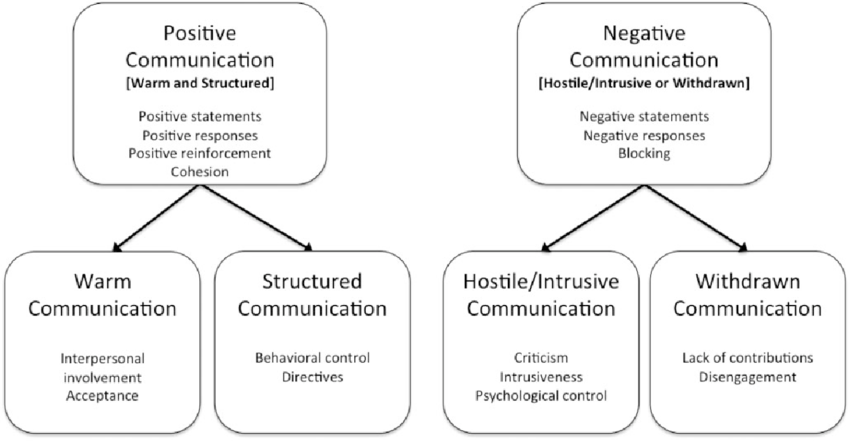

Family communication processes. This frequently follows patterns influenced by upbringing and affects both individual relationships and overall family function, is the exchange of ideas, information, and feelings within a family. It is essential for fostering bonds, trust, and managing conflict through verbal, nonverbal, and behavioral interactions. While patterns can vary based on conversational (openness) and conformity (values) orientations, creating distinct styles like Pluralistic, Consensual, Protective, or Laissez-faire, healthy family communication emphasizes open, honest, empathetic listening, respect, and consistent engagement, fostering emotional safety and understanding.
FAMILY COMMUNICATION PROCESSES
Family communication processes, which include patterns like Consensual, Protective, Pluralistic, and Laissez-Faire (based on conversation & conformity) and functions like managing closeness/distance, establishing rituals, and constructing identity through stories and roles, are the verbal (words) and nonverbal (body language, tone) exchanges that shape relationships. While patterns affect how families deal with reality and difficulties, effective processes foster trust, manage conflict, and assist members via open listening, empathy, and straightforward expression.
1. Dialogue Frameworks;

Include family meeting times on your calendar and establish ground rules for the sessions. Everyone should be encouraged to join; do not coerce them. Every family member will have a chance to be heard if they speak in turns. Family members’ self-esteem will rise when a structured listening atmosphere is established.
Avoid interruptions and turn off distracting things;

FAMILY COMMUNICATION PROCESSES
Family members need to be able to concentrate on the supplied information. Turning off devices like TVs, laptops, phones, gaming consoles, and other items that can disrupt the discourse is necessary. Select the ideal moment. There are moments when bringing up particular topics is appropriate. it is not a good idea to discuss your child’s academic difficulties. If you want your message to be heard, timing is crucial.
Be mindful and engage in active listening;

FAMILY COMMUNICATION PROCESSES
Pay attention to what the other person is saying instead of planning your reply. If the answer is being prepared before hearing the complete message, information may be overlooked. Be succinct and have a plan. Consider the message you wish to convey. When communicating, use words and body language to be direct and unambiguous. When a request is made, decide what you want and make a straight request for it. You will usually end up disappointed if you wish or hope that the other person would understand what you desire.
Listen with empathy;

FAMILY COMMUNICATION PROCESSES
However, For the individual who is feeling them, emotions are real. Respecting and acknowledging others’ feelings, even if they differ from your own, is crucial. You can resolve the issue by coming to an agreement to disagree. Dismissing emotions has the potential to stifle dialogue and foster mistrust. Adhere to the facts and speak the truth. Discussions frequently include emotions, and people usually take great care to avoid offending others. In fact, telling the truth will improve family relations and foster trust. Effective communication
Summary
A family, which can take many different forms, such as nuclear (parents and children), extended (many generations/relatives), blended (step-family), or chosen connections, is a basic social group linked by blood, marriage, or adoption that frequently lives together and offers mutual support, love, and belonging. It serves as a primary unit for socialization and care. In addition to humans, “family” also refers to biological groups (such as Felidae), languages, and even things that share characteristics.
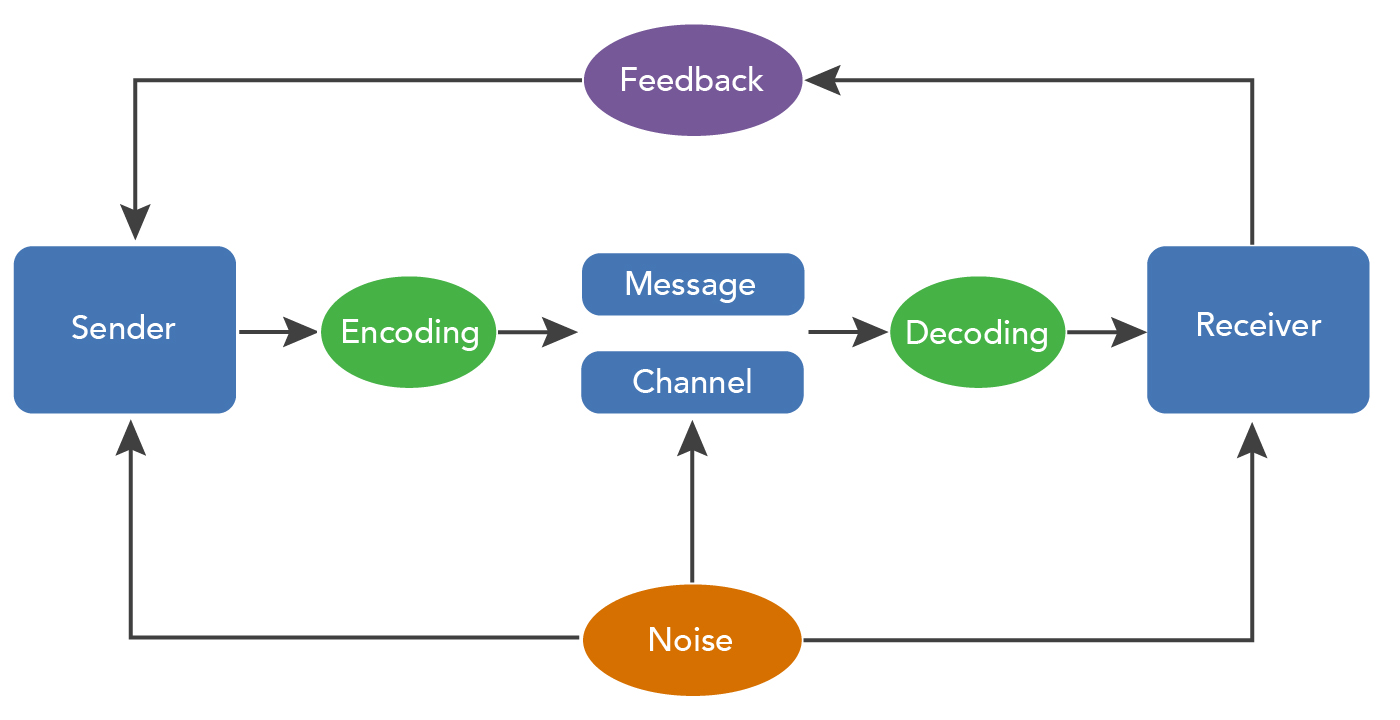
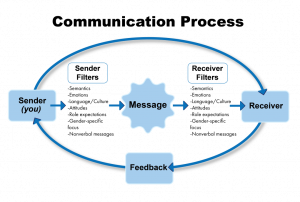 Means of communications. Effective communication is essential to human survival and existence as well as the operation of an organization. It entails the production and transmission of ideas, information, opinions, facts, and feelings from one place, individual, or group to another. Communication is a key component of management’s directing function. Without excellent communication skills, a manager’s abilities are useless, regardless of their level of training and experience. A manager must properly communicate his instructions to subordinates in order for them to complete the work.
MEANS OF COMMUNICATIONS
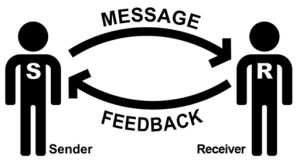
Communication encompasses both verbal (speaking, writing) and nonverbal (body language, gestures) forms; it also refers to the systems (phone, internet, roads) for transmitting information over long distances. It is the process of exchanging information, ideas, feelings, or meaning through a shared system of symbols, signs, or behavior involving a sender, message, channel, and receiver. Effective communication is essential to human society since it fosters relationships and understanding whereas breakdowns result in misconceptions.
Processes;
1. Sender;

The communication is created by the sender, also known as the communicator, and sent to the recipient. He initiates the conversation.
2. Message;
It is an idea, fact, view and knowledge. that originates with the sender and is meant to be further shared.
3. Encoding;
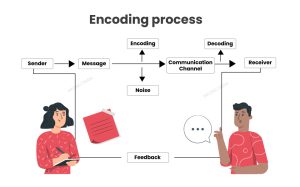
Prior to being communicated, the sender encodes the message symbolically using words, images and gestures.
4. Media;
Meanwhile, It is the transmission method used to send the encoded message. The communication might be sent by written or verbal means. The phone, internet, mail, fax, e-mail, and other means of communication are among them. It is up to the sender to select the media.
5. Receiver;

The sender intended the message to be forwarded to him because he is the last member in the chain. The goal of communication is only achieved when the message is received, properly understood, and acted upon.
6. Feedback;
MEANS OF COMMUNICATIONS
However, the communication process ends when the recipient notifies the sender that he has received and comprehended the message.
7. Noise;
It describes any impediment to communication that is brought about by the sender or the recipient.
8. Decoding;

MEANS OF COMMUNICATIONS
Also, it is the process of decoding the sender’s encoded symbols. The recipient receives the message when it has been decoded.
Importance of Communication;

MEANS OF COMMUNICATIONS
Hence, the Coordinating Foundation The management communicates to the staff the objectives of the company, how they will be attained, and the dynamics between them. Fluid Operation To keep an organization running smoothly and effectively, managers coordinate both the physical and human components of the business.
Summary
The ways in which messages are communicated can be broadly classified into four categories: verbal (speaking), non-verbal (body language, gestures), written (text, email, letters), and visual (images, videos). More recent methods include mass media (TV, radio, social media) and telecommunication (phone, internet). Important examples are in-person interactions and digital platforms that enable information sharing between people and big audiences.

Capable God Lyrics

Glorious God Lyrics

Ancient of Days Lyrics

A Step-by-Step Guide to Deleting Reels on Instagram

How to Create a WhatsApp Group