Marriage
Marital Communication


MARITAL COMMUNICATION
marital communication . Any good relationship, especially a marriage, is built on communication. However, it can be simple to fall into patterns of misconceptions and poor communication as life becomes hectic and stress levels increase. Thankfully, there are easy yet powerful methods to enhance your communication abilities and fortify your marriage.
MARITAL COMMUNICATION
Ten useful suggestions that can improve mutual understanding, strengthen your bond with your spouse, and promote a happier and better marriage will be discussed in this article. These techniques, which range from practicing empathy and setting boundaries to actively listening and expressing gratitude, will enhance your communication and assist you in creating a more solid and satisfying connection with the person you love.
1. Active listening

practice engaging fully with your spouse’s words and reacting in a way that shows you understand and value what they have to say are both components of active listening. Active listening involves paying attention to what your partner is saying, keeping eye contact, and refraining from interrupting or discounting their thoughts.
2. Empathy in practice

being empathetic means sharing and comprehending your spouse’s feelings and experiences. Try to envision how your partner feels by placing yourself in their position as a way to cultivate empathy. This will enable you to react with empathy and support and gain a deeper understanding of their viewpoint.
3. Ask for a compromise

in order to communicate effectively and maintain wholesome relationships, compromise is necessary. It entails coming up with a solution that satisfies the demands and preferences of both partners. Listen to your partner’s needs and ideas, be willing to make concessions, and be adaptable with your own preferences.
4. Stay away from critical and blame

your spouse may become defensive and feel attacked as a result of criticism and blame, which can cause problems and poor communication. Rather than criticizing, insulting your partner, concentrate on communicating your needs and feelings.
5. Remember to get feedback

An integral part of effective couple communication. is feedback. It entails respectfully and encouragingly offering and receiving constructive feedback. Be responsive to criticism, communicating your love, and willing to hear your spouse’s thoughts and recommendations, and open to make adjustments and enhancements.
6. Define boundaries

Although, Healthy communication requires boundaries. They avoid arguments and miscommunications by assisting partners in respecting one another’s needs and preferences. Establishing limits involves being explicit about what you will and won’t put up with, and politely and clearly communicating these boundaries to your partner.
7. Set up regular inspections

However, You and your partner can remain in touch and deal with possible concerns before they become bigger ones by checking in on a regular basis. Set up a specific period of time each week to connect and communicate with your spouse in order to arrange frequent check-ins.
8. Get professional assistance

Meanwhile, if you and your spouse have trouble communicating, you might want to think about getting professional assistance from a counselor or therapist. A qualified expert can assist you in recognizing and resolving communication issues as well as offer the resources and know-how required to create a happier and healthier partnership. Say the word if you would want the name of a person with whom our clients have had positive encounters.
Summary
Also, A successful marriage depends on effective communication. Couples can enhance their communication abilities and fortify their bond by engaging in active listening, employing “i” statements, focusing on nonverbal cues, developing empathy, and remaining receptive to criticism and compromise.






Marriage communication. A strong marriage is built on effective communication, which necessitates active listening, empathy, and polite, straightforward expression in order to foster closeness and settle disputes. Important techniques include setting aside time for conversations without interruption, utilizing “I” words to communicate requirements without placing blame, and “mirroring” to make sure that everyone understands.
MARRIAGE COMMUNICATION
The foundation of any healthy relationship, particularly a marriage, is communication. However, as life gets busy and stress levels rise, it can be easy to slip into patterns of misunderstandings and inadequate communication. Fortunately, there are simple yet effective ways to strengthen your marriage and improve your communication skills.
Ten useful suggestions that can improve mutual understanding, strengthen your bond with your spouse, and promote a happier and better marriage will be discussed in this article. These techniques, which range from practicing empathy and setting boundaries to actively listening and expressing gratitude, will enhance your communication and assist you in creating a more solid and satisfying connection with the person you love.
1. Active listening;

practice engaging fully with your spouse’s ords and reacting in a way that shows you understand and value what they have to say are both components of active listening. Active listening involves paying attention to what your partner is saying, keeping eye contact, and refraining from interrupting or discounting their thoughts.
2. Empathy in practice;
being empathetic means sharing and comprehending your spouse’s feelings and experiences. Try to envision how your partner feels by placing yourself in their position as a way to cultivate empathy. This will enable you to react with empathy and support and gain a deeper understanding of their viewpoint.
3. Ask for a compromise;

in order to communicate effectively and maintain wholesome relationships, compromise is necessary. It entails coming up with a solution that satisfies the demands and preferences of both partners. Listen to your partner’s needs and ideas, be willing to make concessions, and be adaptable with your own preferences.
4. Stay away from critical and blame;
your spouse may become defensive and feel attacked as a result of criticism and blame, which can cause problems and poor communication. Rather than criticizing, insulting your partner, concentrate on communicating your needs and feelings.
5. Remember to get feedback;

An integral part of effective couple communication. is feedback. It entails respectfully and encouragingly offering and receiving constructive feedback. Be responsive to criticism, communicating your love, and willing to hear your spouse’s thoughts and recommendations, and open to make adjustments and enhancements.
6. Define boundaries;
Although, Healthy communication requires boundaries. They avoid arguments and miscommunications by assisting partners in respecting one another’s needs and preferences. Establishing limits involves being explicit about what you will and won’t put up with, and politely and clearly communicating these boundaries to your partner.
7. Set up regular inspections;

Marriage communication
However, You and your partner can remain in touch and deal with possible concerns before they become bigger ones by checking in on a regular basis. Set up a specific period of time each week to connect and communicate with your spouse in order to arrange frequent check-ins.
Summary
Also, good communication is essential to a happy marriage. By practicing active listening, using “i” statements, paying attention to nonverbal clues, cultivating empathy, and remaining open to criticism and compromise, couples can improve their communication skills and strengthen their relationship.


Ideas for real estate marketing. It is a property made up of land and buildings on it, as well as natural resources like growing crops (like timber), minerals or water, and wild animals; it is immovable property of this kind; it is also an item of real property; in a broader sense, it is buildings or housing in general. Legally speaking, estate refers to a person’s “interest” in that land property, whereas real refers to land property and is distinct from personal property.
IDEAS FOR REAL ESTATE MARKETING
Use high-quality visuals (photos, 3D tours, videos), produce insightful local content (guides, market reports), make use of social media (influencers, behind-the-scenes, Q&As), establish credibility with client endorsements and videos, and use customized emails and SMS with compelling calls to action (CTAs) to establish yourself as an authority in the area.
Ideas;

IDEAS FOR REAL ESTATE MARKETING
1.Schedule a Day; Making time for your business is essential. You spend most of your time as a real estate agent.
2.Determine Which Market to Concentrate on Extending their region without considering the genuine client base they are serving is a common mistake made by real estate brokers. Analyze your most lucrative consumer segments and develop a marketing strategy aimed just at them to greatly enhance your marketing efforts.
3.Plan for success; The goal of any real estate agent is success. Regrettably, a lot of real estate brokers want to capture and Plan for success which is necessary for true success.

IDEAS FOR REAL ESTATE MARKETING
4.Cease telemarketing cold calls; One of those tasks that most real estate brokers have to perform occasionally is making cold sales calls. The issue with using this flawed marketing strategy is that you never truly achieve anything. Consider this: Prospecting for new customers through cold leads takes up all of your free time.
5.Recall that fame is not the ultimate goal
Refrain from assuming that “getting your name out there” is the key to success. Your motivation for being a real estate agent is to make a living.
6.Take advantage of the web Despite the fact that the majority of real estate companies have a website, many of them use unremarkable.

IDEAS FOR REAL ESTATE MARKETING
7.Possess an eye-catching homepage As you may be aware, 75% of individuals acknowledge that they have assessed a company’s legitimacy solely on the basis of how its website looks. Your homepage should be in listings excellent condition since first impressions count. Bright graphics, an obvious call to action, and an easy-to-use menu are examples of this.Experiential marketing
Summary
concepts for real estate marketing. Improving marketing tactics is crucial for investors of all skill levels. After all, your level of success will depend on how well you can promote yourself


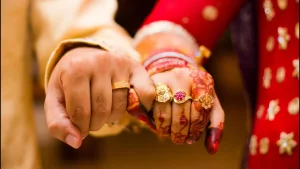
Importance of love in marriage. In addition to encouraging positive behaviors, lowering stress levels, and fostering a strong sense of belonging that makes partners feel appreciated and understood, love is essential in marriage as the emotional glue for connection, support, and security. It also fosters happiness, improved communication, and resilience against conflict. It is the cornerstone of dedication, promoting selflessness, perseverance, and the work required for a long-lasting, satisfying union, frequently entwined with respect for a genuinely healthy connection.
IMPORTANCE OF LOVE IN MARRIAGE
Marriage is a legal, social, or spiritual union that is frequently based on love but can also occur for other reasons. Love (romantic, compassionate, selfless agape) changes and evolves within the marriage as the essential basis for long-lasting fulfillment, support, and commitment. Love and marriage are closely related but distinct.
Definition of Love;

Love spans a wide spectrum of strong and positive emotional and mental states, from the most exalted virtue or good habit, the deepest interpersonal affection, to the most.
What is the Marriage?
This often known as matrimony or wedlock, is a culturally and often legally recognized relationship between two persons termed spouses. It specifies their rights and obligations, as well as those of their children and in-laws.
Love Benefits of Marriage;

Importance of love in marriage
1. Increases happiness. Love encourages happiness. Say what you want about freedom and independence; there is nothing like the comfort and security of knowing you are cared for.
2. Improves your connection. A healthy sexual connection is an important component of love in marriage, not just because it feels good to be near to your partner, but also because it physiologically connects you.
3. Improves financial security. Two is better than one, especially for your bank account! Married couples are more likely to have financial security and generate money over time than single or divorced individuals.
More benefits include;

Importance of love in marriage
4. Foster’s respect Love and respect are essential in marriage.
5. Higher quality sleep Another facet of the value of love in marriage is that, aside from blanket hogs and snorers, spooning with the love of your life will help you sleep better.
Importance of love in marriage
6. Develop a sense of belonging. Love in marriage fosters a sense of belonging, making each spouse feel a part of a supporting union. This belonging extends beyond ordinary friendship to instill a strong sense of emotional stability and attachment.
7. Boosts happiness Love encourages happiness.
Summary
Love’s importance in marriage. Your life can be greatly enhanced by a happy marriage. It may affect how you see the world and how you feel.

Torchlight Selection

Best Practices for Face Exfoliation

Chemical Face Exfoliation

A Step-by-Step Guide to Deleting Reels on Instagram

A Comprehensive Guide to Setting Up a YouTube Premiere