Health
Meaning of Gastroenteritis

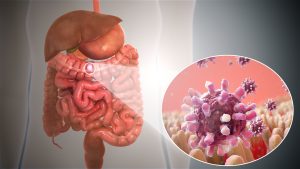

Meaning of Gastroenteritis. Often referred to as “stomach flu,” gastroenteritis is an inflammation of the stomach and intestines that causes symptoms like cramping, diarrhea, vomiting, and abdominal pain. It is typically brought on by bacteria, viruses, or parasites and is contracted by coming into touch with infected individuals or tainted food and water. While some bacterial or parasite illnesses may necessitate the use of antibiotics, the majority of cases are minor and can be managed at home by resting and drinking plenty of clear water.
MEANING OF GASTROENTERITIS
A common but frequently preventable illness, gastroenteritis can be easily treated with enough water, dietary changes, and basic personal hygiene. Although it normally goes away on its own, it is crucial to get medical help if symptoms are severe or ongoing, especially in susceptible groups including small children, the elderly, and people with compromised immune systems. People can prevent and manage gastroenteritis more effectively if they are aware of its causes, symptoms, and available treatments.
Causes of Gastroenteritis;


1. Viruses
– Norovirus: Often associated with outbreaks on cruise ships, in schools, and other crowded environments.
– Rotavirus: A common cause of gastroenteritis in infants and young children.
2. Bacteria
– Escherichia coli (E. coli): Often contracted through contaminated food or water.
– Salmonella: Commonly found in raw or undercooked poultry, eggs, and unpasteurized milk.
– Campylobacter: Typically found in raw or undercooked poultry.
3. Parasites;


Meaning of Gastroenteritis
– Parasites like Giardia lamblia and Cryptosporidium can also cause gastroenteritis, particularly in areas with poor sanitation.
4. Toxins and Chemicals
– Consuming food contaminated with toxins or chemicals can lead to gastroenteritis.
Symptoms of Gastroenteritis
The symptoms of gastroenteritis can vary but commonly include:
– Diarrhea: Frequent, watery stools.
– Vomiting: Nausea and vomiting.
– Stomach Pain: Cramping and abdominal pain.
– Fever: Low-grade fever may occur.
– Dehydration: Symptoms of dehydration, such as dry mouth, decreased urine output, and dizziness, can develop, particularly in severe cases.
Treatment;


1. Hydration
• The primary treatment for gastroenteritis is maintaining hydration. Oral rehydration solutions (ORS) containing electrolytes are recommended, especially for young children and the elderly.
2. Dietary Adjustments
• Gradually reintroduce bland foods like rice, bananas, toast, and applesauce as symptoms improve. Avoid dairy, caffeine, alcohol, and fatty or spicy foods until recovery.
3. Medications
• Over-the-counter medications like loperamide (Imodium) can help reduce diarrhea. Antiemetics may be prescribed to control severe vomiting. Antibiotics are usually not necessary unless a bacterial infection is confirmed.
4. Rest
• Adequate rest is crucial for recovery.
Prevention;


Meaning of Gastroenteritis
1. Good Hygiene
• Wash hands thoroughly with soap and water, especially before eating and after using the restroom.
2. Safe Food Practices
• Ensure proper cooking and storage of food. Avoid consuming raw or undercooked meats and unpasteurized dairy products.
3. Clean Water
• Drink and use clean, safe water. In areas with questionable water quality, use bottled or boiled water.
4. Vaccination


Meaning of Gastroenteritis
• Vaccines are available for certain causes of gastroenteritis, such as rotavirus, and are recommended for infants.
Summary
The stomach flu, often known as gastroenteritis, is an inflammation of the intestines and stomach. It is usually brought on by bacterial or viral infections and is typified by a variety of disagreeable gastrointestinal symptoms. An overview of gastroenteritis, including its causes, signs, and available treatments, is given in this article.