
Health
Mouth infections: Types, Causes and preventive measures.

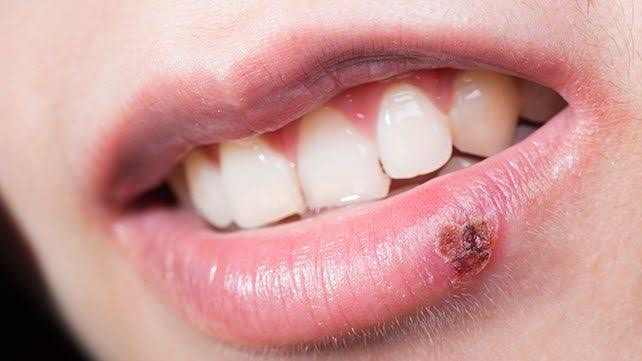
A mouth infection refers to a condition where harmful microorganisms, such as bacteria, viruses, or fungi, invade and multiply within the oral cavity. Common types of mouth infections include:
1. Gingivitis: Inflammation of the gums, often caused by plaque buildup. It can lead to redness, swelling, and bleeding gums. 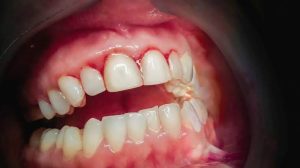
2. Periodontitis: An advanced stage of gum disease involving inflammation and infection that can damage the soft tissue and bone supporting the teeth.
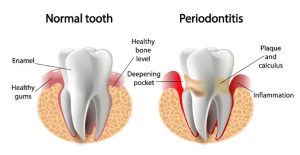
Image source: https://dental359.com.au/what-is-periodontitis/
3. Oral Thrush: A fungal infection caused by Candida yeast, resulting in white patches on the tongue, inner cheeks, and throat. 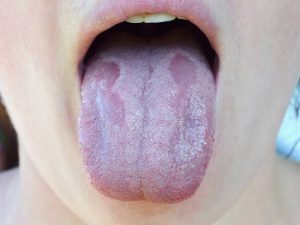
4. Cold Sores: Caused by the herpes simplex virus, cold sores are painful, fluid-filled blisters that typically appear on or around the lips. 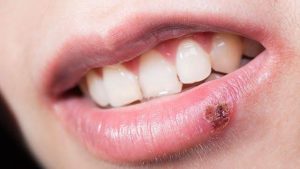
5. Canker Sores: Painful, shallow ulcers that can form inside the mouth, often due to factors like stress, injury, or certain foods. 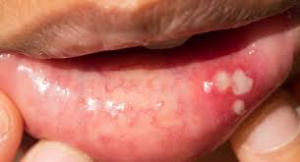
6. Dental Abscess: A pocket of pus that can form within the teeth or gums, usually due to a bacterial infection. It can be extremely painful.
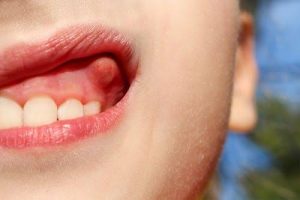
7. Stomatitis: Inflammation of the mucous lining of the mouth, which can be caused by various factors, including infections, allergies, or irritants. 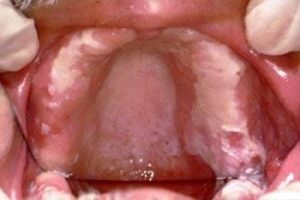
To prevent mouth infections, consider adopting these practices for good oral hygiene:
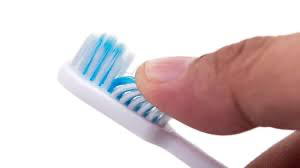
1. **Regular Brushing:** Brush your teeth at least twice a day with fluoride toothpaste. Use a soft-bristled toothbrush and ensure you reach all surfaces of your teeth.
2. Flossing: Floss daily to remove plaque and debris between teeth and along the gumline where a toothbrush might not reach. 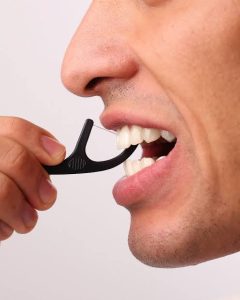
3. Regular Dental Check-ups: Schedule regular dental check-ups and cleanings. Your dentist can detect potential issues early and provide professional cleaning.
4. Balanced Diet: Maintain a balanced diet rich in vitamins and minerals. Avoid excessive consumption of sugary and acidic foods, which can contribute to decay and infections.
5. Hydration: Drink plenty of water to help maintain a moist environment in the mouth and to wash away food particles.
6. Limit Tobacco and Alcohol: Tobacco and excessive alcohol consumption can contribute to gum disease and other oral health issues. Limit or avoid these substances.
7. Avoid Chewing Tobacco: Chewing tobacco increases the risk of oral cancers and other infections. Quitting can significantly improve oral health.
8. Protective Gears: If you engage in contact sports, wear appropriate protective gear, such as mouthguards, to prevent injuries that could lead to infections.
9. Manage Stress: Stress can affect your immune system and oral health. Practice stress-reducing techniques like meditation or yoga.
10. Avoid Sharing Personal Items: Avoid sharing toothbrushes, drinking glasses, or eating utensils, as this can spread infections.
11. Address Dental Issues Promptly: If you notice any signs of dental problems, such as pain, swelling, or changes in your mouth, seek prompt dental care.
By incorporating these habits into your routine, you can maintain good oral health and reduce the risk of developing mouth infections. Regular dental visits play a crucial role in preventive care.
Stay tuned for more updates.


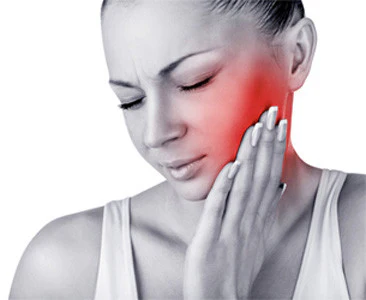
Jaw stiffness and symptoms. A common and frequently annoying ailment that can afflict people of all ages is jaw stiffness. Understanding the origins and symptoms of jaw stiffness is crucial for successful management and relief, regardless of whether the condition is brought on by TMJ disorders, dental issues, or stress-related bruxism. People can reduce jaw stiffness and enhance their general quality of life by making lifestyle changes, learning stress-reduction strategies, and getting the right dental or medical care.
JAW STIFFNESS AND SYMPTOMS
A prevalent ailment that affects many facets of everyday living, jaw stiffness can range from slight discomfort to severe restriction of jaw movement. Jaw stiffness can have a major negative influence on quality of life, whether it be through difficulties speaking, chewing, or even yawning. In order to help people comprehend and manage this frequently annoying illness, we will examine the causes, symptoms, and remedies for jaw stiffness in this article.
Causes of Jaw Stiffness:
1. Temporomandibular Joint (TMJ) Disorders:
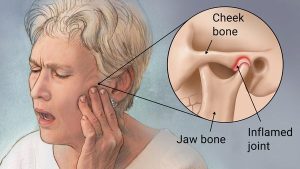
One of the primary causes of jaws stiffness is temporomandibular joint (TMJ) disorders, which affect the joints connecting the jawbone to the skull. TMJ disorders can be caused by factors such as jaw injury, arthritis, teeth grinding (bruxism), stress, and misalignment of the jaw joint. Inflammation, muscle tension, and restricted movement of the jaw can lead to stiffness and discomfort.
2. Dental Problems:
Dental issues such as tooth decay, gum disease, and dental abscesses can also contribute to jaw stiffness. When dental problems affect the alignment or function of the jaw, it can lead to muscle tension and stiffness in the jaw joint. Additionally, dental procedures such as wisdom tooth extraction or orthodontic treatment may cause temporary jaws stiffness as the tissues heal.
3. Stress and Tension:

Stress and tension can manifest in the jaw muscles, leading to clenching or grinding of the teeth, especially during sleep. This habitual behavior, known as bruxism, can result in muscle fatigue, soreness, and stiffness in the jaws joint. Chronic stress and tension can exacerbate jaw stiffness and contribute to the development of TMJ disorders over time.
Symptoms of Jaws Stiffness:
1. Difficulty Opening or Closing the Mouth:
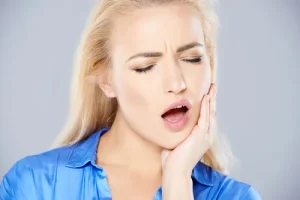
Jaw stiffness and symptoms
One of the hallmark symptoms of jaws stiffness is difficulty opening or closing the mouth fully. Individuals with jaws stiffness may experience limited range of motion in the jaw joint, making it challenging to perform everyday tasks such as eating, speaking, and yawning.
2. Jaw Pain or Tenderness:
Jaws stiffness is often accompanied by pain or tenderness in the jaw joint or surrounding muscles. The pain may be dull, achy, or sharp in nature and can worsen with movement or pressure on the jaw. Pain may radiate to the face, temples, or ears, further contributing to discomfort.
3. Clicking or Popping Sounds:
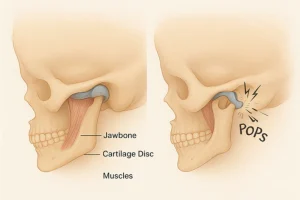
Jaw stiffness and symptoms
Some individuals with jaws stiffness may experience clicking, popping, or grating sounds when moving the jaw. These noises may be indicative of underlying TMJ dysfunction or misalignment of the jaw joint. While not always painful, these sounds can be bothersome and may worsen over time if left untreated.
Summary
For a thorough assessment and individualized treatment, it’s crucial to speak with a healthcare provider if you have severe or ongoing jaw stiffness. People can solve the puzzle of jaw stiffness and restore their everyday comfort and functionality with the correct strategy.
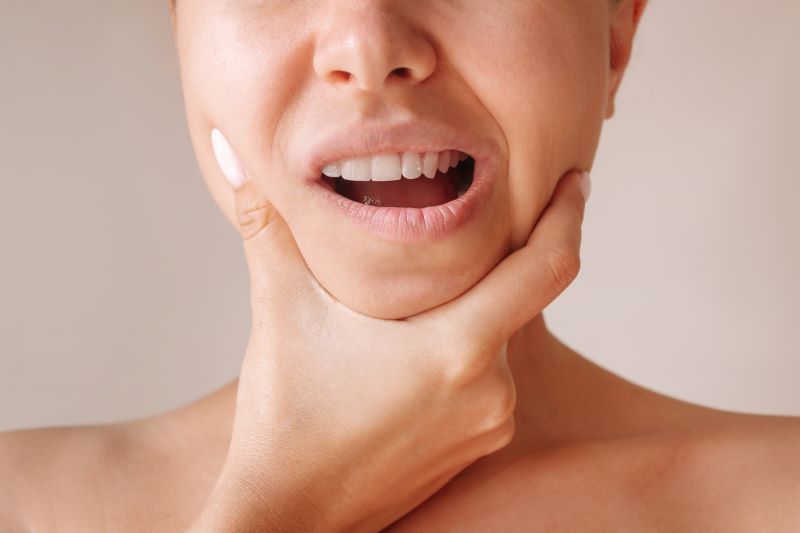
Jaw stiffness solutions. Everyday living can be significantly impacted by jaw discomfort and stiffness. However, there are efficient ways to relieve pain and enhance jaw function. Whether it’s taking care of oneself at home, going to the dentist, or receiving professional interventions like medicine or physical therapy. People are able to identify solutions that suit them. by obtaining the proper treatment for jaw stiffness and taking proactive measures to alleviate jaw discomfort.
JAW STIFFNESS SOLUTIONS
Jaw pain and stiffness can significantly impact quality of life, affecting everyday activities such as eating, speaking, and even sleeping. Fortunately, there are various effective treatments available to alleviate jaw discomfort and improve jaw function. In this article, we’ll explore the solutions for jaw treatment, ranging from self-care measures to professional interventions, to help individuals find relief and regain control over their jaw health.
Self-Care Measures:
1. Rest and Relaxation:

Taking breaks throughout the day to rest the jaw muscles and practicing relaxation techniques can help reduce muscle tension and alleviate jaw stiffness. Techniques such as deep breathing, meditation, and progressive muscle relaxation can promote relaxation and relieve stress in the jaw area.
2. Heat and Cold Therapy:
Applying heat or cold packs to the jaw joint can help reduce inflammation and alleviate pain and stiffness. Alternating between heat and cold therapy can provide temporary relief and promote healing of the jaw tissues. Be sure to use a cloth or towel to protect the skin from direct contact with hot or cold packs.
3. Gentle Jaw Exercises:
Jaw stiffness solutions
Performing gentle jaw exercises and stretches can help improve flexibility and range of motion in the jaw joint. Simple exercises such as opening and closing the mouth, moving the jaw from side to side, and gently massaging the jaw muscles can help loosen tight muscles and reduce stiffness.
Professional Interventions:
1. Dental Treatments:
Addressing underlying dental issues such as tooth decay, gum disease, or misalignment of the teeth is essential for managing jaw pain and stiffness. Dental treatments such as fillings, root canal therapy, periodontal treatment, or orthodontic intervention may be recommended to restore proper function and alignment of the jaw.
2. Mouthguards or Splints:
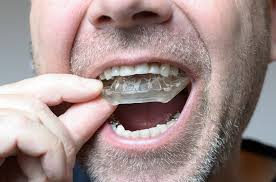
Jaw stiffness solutions
Wearing a custom-fitted mouthguard or splint can help protect the teeth and jaw joint from the harmful effects of bruxism (teeth grinding) or temporomandibular joint (TMJ) disorders. These oral appliances can prevent teeth grinding, reduce muscle tension, and alleviate jaw stiffness associated with TMJ disorders. Mouthguards or splints are typically worn at night to prevent unconscious clenching or grinding during sleep.
3. Physical Therapy:
Physical therapy techniques such as jaw mobilization, massage, and stretching exercises prescribed by a healthcare professional can help improve jaw function and reduce pain and stiffness. The physical therapists can provide personalized treatment plans tailored to individual needs and goals, helping individuals regain comfort and functionality in their jaw movements.
4. Medications:
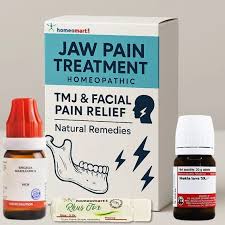
Jaw stiffness solutions
In some cases, Jaw stiffness treatment medications may be prescribed to alleviate pain, reduce inflammation, or relax the jaw muscles. Nonsteroidal anti-inflammatory drugs (NSAIDs), muscle relaxants, and tricyclic antidepressants are commonly used to manage jaw pain and stiffness associated with TMJ disorders or other conditions.
Summary
People are able to live life to the fullest by regaining comfort and functionality in their jaw movements. if you have severe or ongoing jaw pain and stiffness. For an accurate assessment and individualized treatment, it is crucial to speak with a healthcare provider. People can alleviate their jaw pain and enhance their general quality of life with the correct strategy.
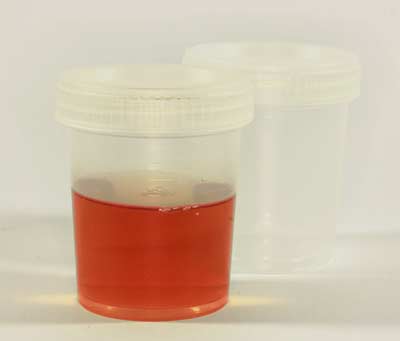
Red urine causes. It’s crucial to evaluate any accompanying symptoms and take recent food and lifestyle factors into consideration when seeing red urine in the morning rather than freaking out. Potential causes can be found by monitoring medication intake, hydration levels, and any changes in urination patterns.
RED URINE CAUSES
However, seeking appropriate examination and treatment from a healthcare professional is advised if red urine continues, is accompanied by discomfort or other worrisome symptoms, or if the reason is unclear. Proactively addressing underlying issues guarantees good urinary health and peace of mind.
1. Dehydration:

One of the most common causes of red or dark urine in the morning is dehydration. When the body lacks sufficient water, urine can become more concentrated, appearing darker in color. Increasing fluid intake, especially water, can help alleviate this issue.
2. Dietary Factors:
Certain foods and beverages can also cause urine to turn red. Beets, for example, contain pigments that may cause urine to take on a reddish hue. Similarly, eating foods with artificial coloring agents or dyes might result in colorful urine.
3. Medications and Supplements:

Some medications and supplements, such as certain antibiotics, laxatives, and vitamins, can discolor urine. It’s essential to review any recent changes in medication or supplement intake if experiencing red urine.
4. Urinary Tract Infection:
Infections in the urinary tract, particularly if accompanied by symptoms like burning sensation during urination or frequent urge to urinate, could cause red or cloudy urine. Consulting a healthcare professional for diagnosis and treatment is advisable in such cases.
5. Hematuria:
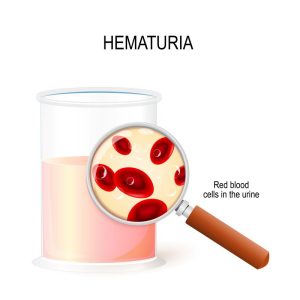
Red urine causes
Hematuria refers to the presence of blood in the urine and can indicate various underlying health issues. Causes of hematuria range from urinary tract infections and kidney stones to more serious conditions like kidney disease or bladder cancer. If red urine persists or is accompanied by other symptoms like abdominal pain or fever, seeking medical attention promptly is crucial.
6. Exercise:
Strenuous physical activity, particularly exercises like long-distance running, can sometimes lead to the release of a protein called myoglobin into the urine, causing it to appear reddish or brownish. This condition, known as exercise-induced hematuria, typically resolves on its own and doesn’t pose a significant health risk.
7. Menstruation:

Red urine causes
For menstruating individuals, the presence of menstrual blood can sometimes mix with urine, giving it a reddish tint. This is a normal occurrence during menstruation and typically resolves once the menstrual cycle ends.
Summary
Finding red pee in the toilet bowl when you wake up might be frightening and cause you to wonder about your health. Urine may seem crimson in the morning for a number of reasons, however it’s normal to be concerned. Knowing these factors can allay concerns and direct the right course of action.

Lyrics for anything i need

Jaw stiffness and symptoms

Jaw stiffness solutions

A Step-by-Step Guide to Deleting Reels on Instagram

A Comprehensive Guide to Setting Up a YouTube Premiere

How to Create a WhatsApp Group
-

 Social media2 weeks ago
How to Delete Reels on IG
-

 Social media1 week ago
Tips for likes and Followers on Facebook
-

 Social media1 week ago
Guidelines for Creating a Facebook Page
-

 Social media2 weeks ago
Guidelines for Uploading Videos on Youtube
-

 Social media1 week ago
Tips on how to Archive Instagram Post
-

 Photography1 week ago
Photography and Outdoors
Pingback: Effects of smoking on the general health - SimplExplainer
Pingback: Smoking Effects on General Health - SimplExplainer