
Health
Music and Earphones

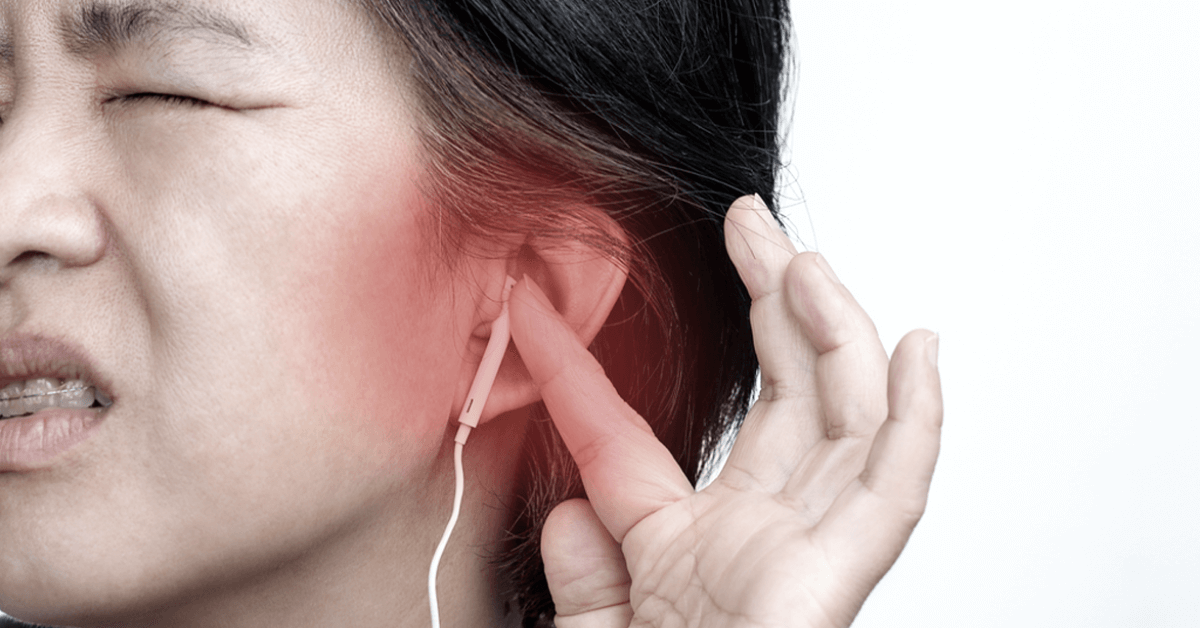

Music and earphones. The primary problem with headphones is the noise level they expose the ears to. Due to its ability to produce incredibly loud sound levels very close to the ear, earphones are very dangerous. However, it should be kept in mind that prolonged use of earphones is equally as crucial as headphones volume. Earphones are also exposed to microorganisms since they are kept in too many places. These bacteria can spread more easily when headphones are shared, which exacerbates the ear damage.
MUSIC AND EARPHONES
These days, technology is the greatest necessary evil. One such requirement is the use of headphones or earphones. You will come across many people who re either talking on the phone or listening to music through headphones during the day, whether they are enjoying an early morning walk, crossing the street, riding the metro, taking a bus, sipping coffee in a cafe, or simply having a call in the workplace. Wearing them for extended periods of time may potentially result in physical side effects, such as ear ache or a transient dent on the skull.
How does blaring earphones damage your ears?

Our ears receive sound waves from earphones, which causes the eardrum to vibrate. The cochea, a fluid filled chamber made up of hundreds of tiny “hairs,” is where the vibration travels after passing through the tiny bones of the inner ear. The cochlea vibrates in response to this vibration, which causes the hair to move as well. The vibrations are greater and the hairs move more when the sound is louder
Side Effects of Using Earphones
1. Dizziness;

Although, dizziness is frequently a side effect of loud noise induced increased pressure in the ear canal.
2 Ear infections;
Because the earbuds are inserted directly into the ear canal, they obstruct airflow, increasing the risk of ear infections. Regularly using headphones for extended periods of time promotes the growth of bacteria. After repeated use, these germs become lodged in the earbuds and cause an infection.
3. Effect on the brain;

MUSIC AND EARPHONES
Over time, the electromagnetic waves produced by the headphones causes issues for the brain as well. Elevated decibel noise levels causes the nerve fibers that transmit signals from the ear to the brain to lose their insulation. The brain can also be impacted by ear infections.
The following tips help to prevent hearing damage from headphone/earphone:

MUSIC AND EARPHONES
Also, the simplest adjustment is to lower the volume a little.
1. Limit the time and amount of loud moise exposure that you receive
2. Put on headphones with noise cancellation.
3. Use an over the ear type to prevent direct contact with the ear canal and direct vibrations of sound directed towards the eardrums.
4. Clean the headphones often to prevent the accumulation of bacteria, perspiration, and skin debris.
Summary
Hence, tinnitus and irreversible hearing loss, which are caused by extended exposure to loud volumes, are the main adverse effects of listening to music through headphones. Long-term, high-volume use may also result in cognitive problems like weariness and diminished focus, as well as ear infections from airway blockage.








The Benefits of Exercising. Do you want to feel better, have more energy, and live a longer life? Just work out. The health benefits of regular exercise and physical activity are hard to ignore. Everyone benefits from exercise, regardless of age, gender, or degree of physical ability. Do you require more convincing to make a move? Check out these seven potential benefits of exercising for your health and happiness.
THE BENEFITS OF EXERCISING
Exercise is engaging in physical exercise to strengthen and maintain the health of your body. It comprises exercises that maintain the health of your heart, muscles, and joints, such as yoga, weightlifting, jogging, and walking.
1. Exercise controls weight

Exercise might help you maintain your weight loss or assist you avoid gaining too much weight. Engaging in physical activity causes your body to burn calories. Your burning of calories increases with the intensity of the activity.
2. Combats health conditions and diseases
Are you concerned about heart disease? Wishing to avoid elevated blood pressure? Regardless of your present weight, exercising raises “good” cholesterol, or high-density lipoprotein (HDL), and lowers bad cholesterol, or triglycerides. This combination reduces your chance of cardiovascular diseases, which are disorders of the heart and blood vessels. It also keeps your blood flowing normally.
3. Improves mood

The Benefits of Exercising
In need of some emotional support? or require stress relief following a demanding day? A vigorous stroll or going to the gym can assist. Numerous brain chemicals are stimulated when you exercise, which may make you feel happier, more at ease, and less nervous.
4. Boosts energy
Feeling exhausted from your grocery shopping or housework? Frequent exercise helps increase endurance and strengthen your muscles. Exercise helps your cardiovascular system function more effectively and delivers oxygen and nutrients to your tissues. Additionally, when your lung and heart health improves, you will have more energy to complete everyday tasks.
5. Promotes better sleep

The Benefits of Exercising
Having trouble sleeping? Frequent exercise can improve your sleep quality, lengthen your sleep duration, and help you fall asleep more quickly. However, avoid exercising right before bed as you can be too energized to fall asleep.
6. Puts the spark back into your sex life
Do you think you’re too worn out or unfit to enjoy close physical contact? Frequent exercise can help you feel more confident about your physical appearance and have more energy, which can enhance your sex life.
7. Fun and social

Recreation and physical activity can be enjoyable. They allow you to relax, take in the scenery, or just do things that bring you delight. In a fun social context, physical activity can also strengthen your bonds with family and friends. major factor
Summary
Frequent exercise reduces the risk of chronic illnesses, enhances mental health, and improves physical health. Exercise improves everyday energy levels, strengthens bones and muscles, and aids in weight management.

The Health Advantages of Tomatoes. Tomatoes, which are high in powerful antioxidants, may lower the risk of cancer and enhance heart health. You seem to be able to do anything you want with tomatoes. They are present in every aspect of our meals, from the ketchup pouring from your fries to the salsa on your chips. And, of course, a crucial part of any salad.
THE HEALTH ADVANTAGES OF TOMATOES
An edible berry that is consumed as a vegetable is the fruit of the tomato plant. The nightshade family, which also includes potatoes, tobacco, and chili peppers, includes tomatoes. It may have been domesticated in Mexico, Central America, or western South America, where it first appeared.
1. Reduce cholesterol

However, Globally, heart disease is one of the main causes of death. However, a diet high in tomatoes, which are high in lycopene, has been found to help lower this risk. According to a study of 25 earlier studies, having high blood lycopene levels decreased the risk of heart disease by 14%.
2. A decreased risk of cancer
Although, Consuming more tomatoes may reduce the incidence of stomach, prostate, and lung cancer, according to some research. Lycopene and beta-carotene in tomatoes are thought by researchers to lower your risk of developing cancer.
3. Defend yourself from sunburns

Meanwhile, tomatoes are beneficial for your skin in addition to your internal health. People who consumed 40 grams of tomato paste with olive oil every day for 10 weeks saw 40% less sunburns, according to a research. It is thought by researchers that tomatoes’ lycopene is responsible for this UV protection.
4. Encourage the Health of the Brain
Meanwhile, Lycopene and other antioxidants found in tomatoes may offer protection against AD, according to some research. People 70 years of age and older who consume more lycopene than others have been shown to experience a slower loss in cognitive function. To fully comprehend the potential preventive advantages of tomatoes, more human study is required, particularly on adults aged 60 to 65.
5. Stop Constipation

The Health Advantages of Tomatoes
However, Inadequate consumption of fiber might lead to constipation.7 Consuming tomatoes, which are high in insoluble and insoluble fiber, may remedy constipation issues.
6. Low Risk of Cancer
Also, Men who eat a lot of tomatoes, especially cooked ones, are less likely to get prostate cancer, according to several studies.3 Antioxidants in tomatoes called beta-carotene and lycopene may have antitumor effects. The type of DNA damage in cells that can cause cancer to form and kill off cancer cells is prevented by antioxidants. Benefits
Summary
Lycopene, an antioxidant that gives tomatoes their red hue, is abundant in these nutrient-dense fruits. They enhance your skin, promote healthy vision, protect your heart, and reduce the chance of several cancers.

The Health Advantages of Eating Mangoes. A stronger immune system, better digestion, and clearer skin are just a few of the many health advantages of eating mangoes.These tropical fruits are frequently referred to as a “nutritional powerhouse” due to their abundance of antioxidants, vitamins, and minerals.
THE HEALTH ADVANTAGES OF EATING MANGOES
The Mangifera indica tree, which is indigenous to South Asia, yields the sweet tropical stone fruit known as a mango. Often referred to as the “king of fruits,” it has edible peel, luscious orange meat, and a sizable center pit.
1. Boost your intestinal health;

Mangoes are a good source of both soluble and insoluble fiber. One type of carbohydrate found in plant-based meals that is indigestible is fiber. Because insoluble fiber doesn’t decompose in your digestive system, it gives your feces (poop) more volume. Your feces is softer and simpler to pass as a consequence.
2. Encourage your healthy weight objectives;
Fiber benefits more than your digestive system. You might lose weight as well. According to one study, eating mangoes may help you maintain your healthy eating goals by reducing hunger.
3. Improve skin health;

The Health Advantages of Eating Mangoes
For healthy skin and hair, antioxidant vitamins A, C, and E are essential. These vitamins assist your skin in fending off the daily environmental damage it endures. These vitamins can be applied directly to the skin, which is why they are found in many skin care products.
4. Reduce total cholesterol and LDL cholesterol;
the “bad” cholesterol that leads to plaque accumulation in your blood vessels, which obstructs the flow of blood and oxygen Mangoes’ soluble fiber can help reduce both types of cholesterol.
5. Maintain blood pressure control;

The Health Advantages of Eating Mangoes
A lot of people don’t get enough potassium, a mineral that helps your body fight off the effects of sodium. Hypertension is a condition where there is an excess of sodium and a deficiency of potassium. Because high blood pressure doesn’t show any symptoms, you won’t know you have it until it’s checked, therefore you should see your primary care physician every year,
6. Aid in the prevention of certain cancers;
Antioxidants are organic compounds found in abundance in mangoes that shield your cells from harm. There is a specific kind of mangiferin present in mangoes that has been shown to guard against damage that might cause cancer. eye health.
Summary
Mangoes are easily found in most supermarkets these days. They can be found in packages of frozen fruit, trail mixes, and salsas in addition to the fresh produce section. Mangoes are popular, but are they healthy?

The Causes of Political Apathy

Child Neglect and Causes

Environment Care Tips

A Step-by-Step Guide to Deleting Reels on Instagram

A Comprehensive Guide to Setting Up a YouTube Premiere

How to Create a WhatsApp Group
-

 Business3 weeks ago
How to Promote your Business
-

 Fashion3 weeks ago
Fashion Guide for Beginners
-

 Business3 weeks ago
Tips for Running Online Business
-

 Business2 weeks ago
Business Name Selection Tips
-

 TECHNOLOGY3 weeks ago
Artificial Intelligence and the Future
-

 Business1 week ago
Customers Satisfaction