Fingernails
Nails Injuries Effects

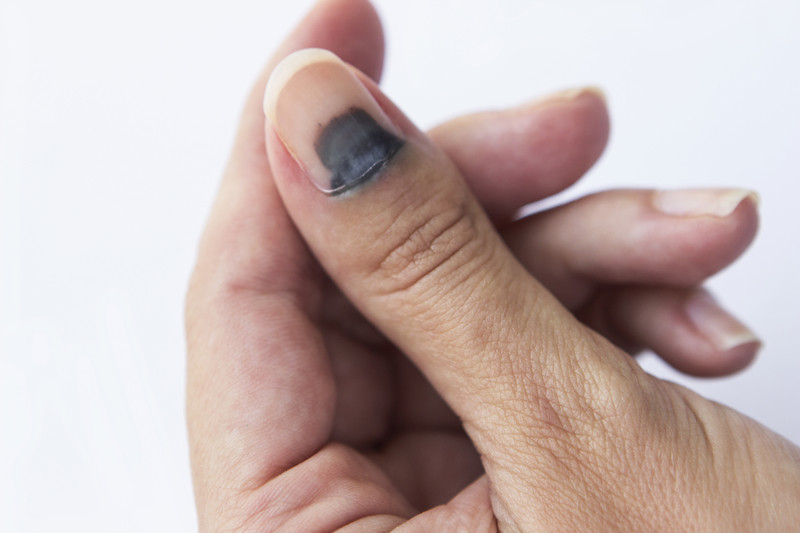
Nails injuries effects. Even though the injuries might be unpleasant and inconvenient, they are frequently treatable with the right care. People can manage the healing process more effectively by being aware of the possible consequences of nail damage and implementing efficient recovery techniques. Seeing a medical expert guarantees thorough care and facilitates a more seamless recovery process if you sustain a serious nail damage or observe ongoing issues.
NAILS INJURIES EFFECTS
Injuries to the nails, such as crushes, tears, or entrapment, frequently result in separation from the bed, subungual hematoma (blood pooling/black nail), and instant discomfort. Infection, irreversible deformity, splitting, or loss of the nail, which takes weeks to months to recover, are examples of long-term consequences. In order to prevent permanent malformation, proper care is essential.
The Immediate Impact:
1. Pain and Discomfort;
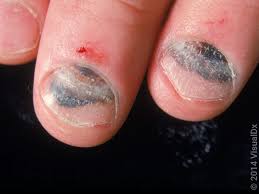
Nail injuries often come with immediate pain and discomfort. Whether it’s a bruised nail, a tear, or a complete nail avulsion, the initial sensation can range from mild discomfort to acute pain.
2. Impaired Functionality:
Our hands are essential tools in daily activities, and nail injuries can temporarily impair their functionality. Simple tasks, like typing, grasping objects, or buttoning clothes, may become challenging.
Potential Complications:
1. Infection Risk:
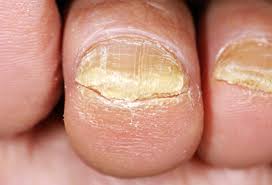
Open wounds or cuts around the nails can create an entry point for bacteria and fungi, increasing the risk of infection. Proper wound care is crucial to minimize this risk.
2. Changes in Nail Growth:
Severe nail injuries might lead to changes in the way nails grow. Irregularities, such as ridges, grooves, or deformities, can occur during the recovery process
3. Psychological Impact:

Nail injuries can have psychological effects, especially if they result in visible changes to the nails. Individuals may experience self-consciousness or a temporary blow to self-esteem.
Effective Recovery Strategies:
1. Proper Wound Care:
NAILS INJURIES EFFECTS
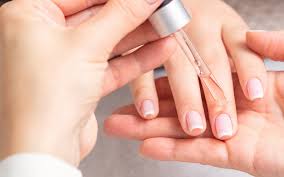
Clean the injured area gently with mild soap and water. Applying an antibiotic ointment and keeping the wound covered with a sterile bandage can aid in preventing infections.
2. Protecting the Injured Nail:
For injuries like a bruised or torn nail, protecting the affected nail with a bandage or a protective covering can prevent further damage and support the healing process
3. Pain Management:
NAILS INJURIES EFFECTS
Over-the-counter pain relievers can help manage pain and discomfort associated with nail injuries. Follow the recommended dosage guidelines and consult with a healthcare professional if necessary
4. Maintaining Nail Hygiene:
Proper nail hygiene is essential during the recovery phase. Trim nails carefully, keeping them clean and avoiding activities that may further stress the injured area.
5. Seeking Professional Care:

NAILS INJURIES EFFECTS
In cases of severe nail injuries, or if complications arise, seeking professional medical care is crucial. A healthcare provider can assess the extent of the injury and recommend appropriate treatment. Read more articles here…
Summary
We may not be aware of how important nails are to our everyday existence. In addition to being aesthetically pleasing, nails protect our fingertips and help with a variety of duties. Our physical and mental health may suffer as a result of a nail injury. The impact of nail damage, possible complications, and rehabilitation strategies will all be covered in this article.
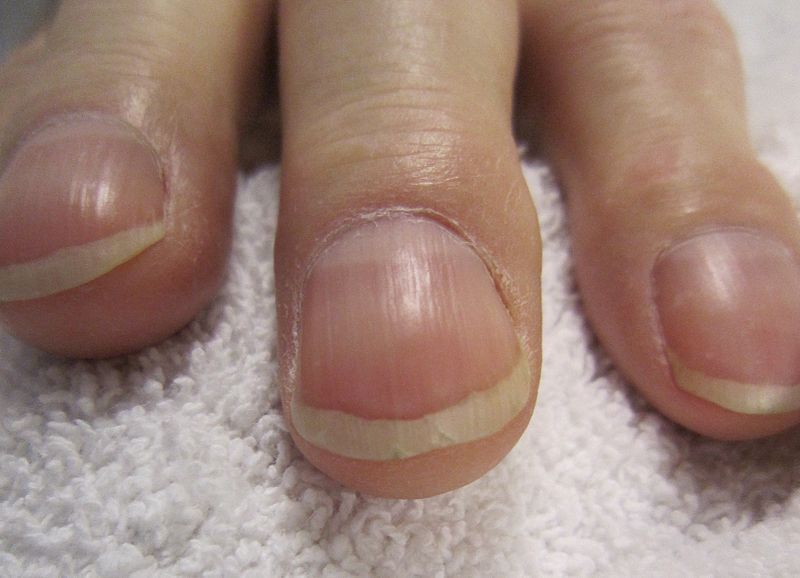
Fingernails diseases. Although fingernail changes are frequently harmless and transient, they might occasionally indicate underlying illnesses or infections that need to be addressed. It’s critical to keep an eye on your nail health and to consult a doctor if you observe any alarming or long-lasting changes in the condition or look of your nails. You may preserve both the health of your nails and your general wellbeing by being watchful and diligent about nail maintenance.
FINGERNAILS DISEASES
Fingernails can be windows into our general health, despite the fact that they are frequently seen as purely aesthetic aspects. Sometimes underlying health problems, such as certain diseases and infections, can be indicated by changes in the look or state of fingernails. In order to emphasize the significance of keeping an eye on nail health as a possible sign of more serious health issues, we’ll examine a few common disorders that might appear beneath fingernails in this article.
1. Fungal Nail Infections;
Fingernails diseases
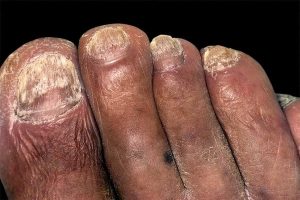
Fungal nail infections, also known as onychomycosis, are among the most common nail disorders. These infections occur when fungi, such as dermatophytes or yeast, penetrate the nails, leading to discoloration, thickening, and crumbling of the nails. Fungal nail infections can be unsightly and may cause discomfort or pain if left untreated. They often thrive in warm, moist environments, making the feet and toenails particularly susceptible.
2. Bacterial Infections:
Paronychia is a common bacterial infection that affects the skin around the nails, typically occurring around the fingernails rather than the toenails. Acute paronychia usually results from minor trauma to the nail fold, allowing bacteria to enter and cause inflammation, redness, and swelling. Chronic paronychia may develop as a result of repeated exposure to moisture or irritants, leading to persistent inflammation and nail abnormalities.
3. Psoriasis:
Fingernails diseases
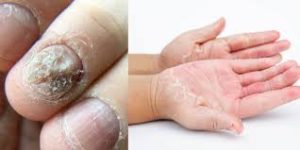
Psoriasis is a chronic autoimmune condition characterized by the rapid proliferation of skin cells, leading to the formation of thick, scaly plaques on the skin. In some cases, psoriasis can also affect the nails, causing changes such as pitting, ridges, discoloration, and separation of the nail from the nail bed. Nail psoriasis can be challenging to treat and may require specialized care from a dermatologist.
4. Eczema:
Eczema, also known as dermatitis, is a common inflammatory skin condition that can affect various parts of the body, including the hands and nails. People with eczema may experience redness, itching, and inflammation around the nails, leading to nail abnormalities such as brittleness, ridges, and discoloration. Proper skincare and management of eczema symptoms are essential to prevent flare-ups and maintain nail health.
5. Systemic Diseases:
Certain systemic diseases can also manifest symptoms under the fingernails. For example, clubbing of the nails—a condition characterized by the enlargement and rounding of the fingertips and nails—may be associated with underlying medical conditions such as lung disease, heart disease, or gastrointestinal disorders. Additionally, changes in nail color, texture, or shape may sometimes indicate systemic health issues that require further evaluation.
Summary
Fungal infections (onychomycosis), bacterial infections (paronychia), psoriasis, and structural alterations including brittleness, clubbing, or ridging are among the diseases and disorders of the fingernails. These frequently manifest as thickening, nail separation (onycholysis), or color changes (yellow, white, dark streaks). They could be brought on by infections, wounds, or internal illnesses such diabetes, heart disease, lung disease, or anemia.
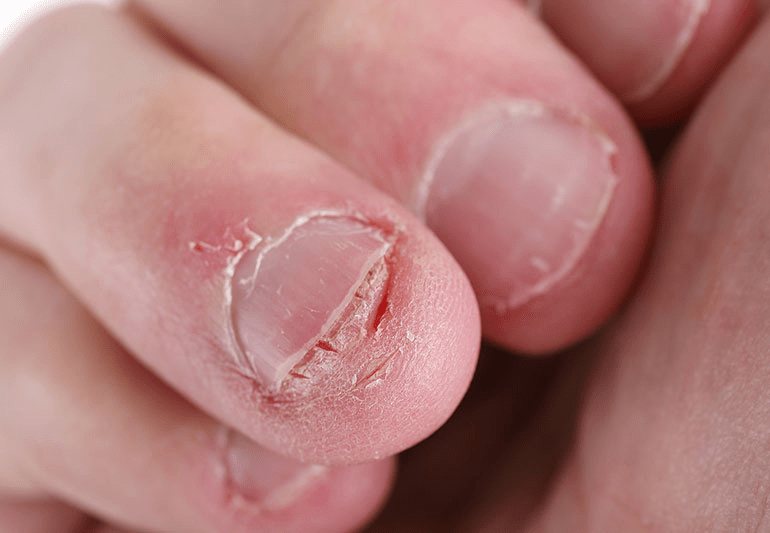
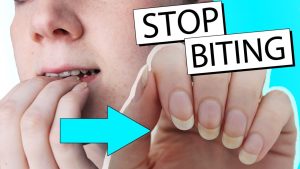
How to stop finger biting. Twenty to thirty percent of people have the common behavior of chewing their fingers (onychophagia) or their skin (dermatophagia), which frequently results from stress, boredom, or anxiety. Although it is typically a nervous habit, it can develop into a compulsive practice that harms teeth, nails, and skin and causes infections. Behavioral modifications, bitter polish, and treating underlying stress are all part of the treatment.
HOW TO STOP FINGER BITING
Breaking the habit of finger biting can be challenging, but with patience, perseverance, and the right strategies, it’s possible to overcome this habit. Here are some tips to help you stop biting your fingers:
1. Identify Triggers:
How to stop finger biting
Pay attention to what triggers your finger biting behavior. It could be stress, boredom, anxiety, or even subconscious habit. Once you identify the triggers, you can work on finding healthier ways to cope with them.
2. Keep Your Hands Busy:
Keep your hands occupied with alternative activities to distract yourself from biting your fingers. Fidget toys, stress balls, knitting, drawing, or playing with a rubber band can provide a substitute for the finger-biting habit.
3. Trim Your Nails Regularly;
One simple yet effective strategy is to keep your nails short and neatly trimmed. Short nails are less tempting to bite, making it easier to resist the urge. Use a nail clipper or file to maintain your nails at a comfortable length and shape, and make a habit of regularly trimming them to prevent them from becoming a target for biting.
4. Apply Bitter-Tasting Nail Polish;
Consider applying a bitter-tasting nail polish or special nail-biting deterrent product to your nails. These products contain ingredients that taste unpleasant, discouraging you from biting your nails. Apply the nail polish regularly and reapply as needed to reinforce the deterrent effect.
5. Practice Stress Management Techniques;

How to stop finger biting
Since stress and anxiety are common triggers for finger biting, learning stress management techniques can be beneficial. Deep breathing exercises, meditation, yoga, progressive muscle relaxation, or engaging in hobbies and activities that you enjoy can help reduce stress and anxiety levels, making it easier to resist the urge to bite your fingers.
6. Seek Support;

How to stop finger biting
Don’t hesitate to seek support from friends, family members, or a healthcare professional if you’re struggling to stop biting your fingers. Having a supportive network can provide encouragement, accountability, and helpful tips for breaking the habit.
Summary
Use physical barriers like gloves or bandages, apply bitter-tasting lacquer, and maintain nails short to prevent finger biting. Determine your triggers, such as boredom or stress, and swap them out for stress balls or fidget toys. Regular self-care practices, such manicures or hydrating cuticles, lessen the need to pick
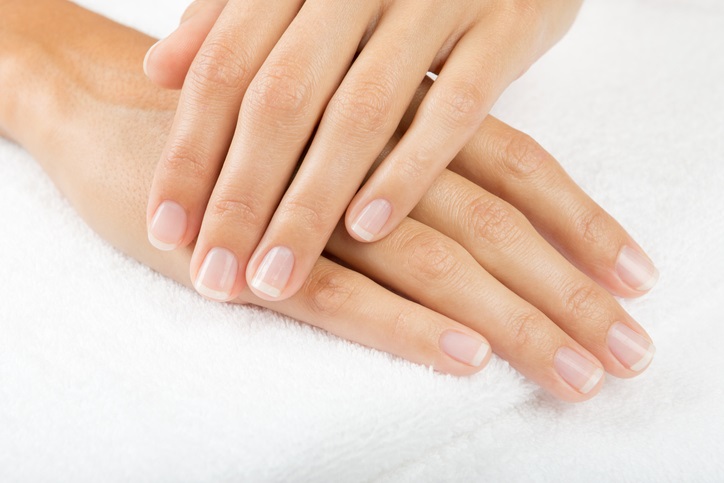
Healthy tips for finger nails. Keep your fingernails clean, dry, and free of microorganisms to maintain their strength, health, and cleanliness. Wear gloves when cleaning to prevent exposure to harsh chemicals and moisturize every day with lotion, paying particular attention to the cuticles. Use sharp clippers to trim straight across; do not bite or cut cuticles.
HEALTHY TIPS FOR FINGER NAILS
In addition to reflecting proper personal hygiene, well-groomed fingernails also add to a polished appearance. It takes more than just the occasional manicure to take care of your nails. We’ll look at some crucial advice for keeping gorgeous and healthy fingernails in this post.
1. Regular Trimming:
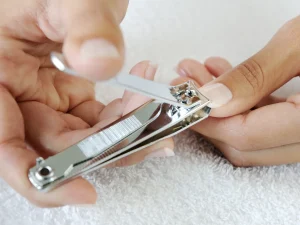
Trimming your nails regularly is fundamental to their health and appearance. Use a clean and sharp nail clipper or manicure scissors to cut them straight across. Avoid cutting too close to the skin to prevent ingrown nails, which can lead to discomfort and infections.
2. Proper Shaping:
A gentle nail file is your ally in shaping your nails. File them in one direction to avoid causing splits or damage. Choose a shape that suits your preference, whether it’s square, round, oval, or almond. Consistent shaping helps prevent snagging and breakage
3. Keep Nails Clean:
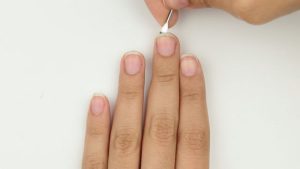
Cleanliness is crucial for maintaining healthy nails. Regularly wash your hands and nails with a mild soap to remove dirt and bacteria. Be thorough in cleaning under your nails, using a nail brush if necessary
4. Moisturize Cuticles:
The cuticles play a vital role in protecting the nail matrix, where new nail cells form. Keep your cuticles moisturized with a nourishing cuticle oil or cream. Gently push back the cuticles after a shower when they are soft, using a cuticle pusher or the edge of a towel.
5. Avoid Biting Nails:
HEALTHY TIPS FOR FINGER NAILS
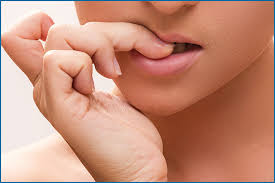
Breaking the habit of biting your nails is essential for both their appearance and overall health. Biting can lead to infections and damage the nail bed. Consider using a bitter-tasting nail polish or seeking alternatives like stress-relief techniques to break the habit
6. Wear Gloves:
When engaging in activities that involve water or harsh chemicals, such as washing dishes or cleaning, wear protective gloves. Prolonged exposure to water and chemicals can weaken nails, making them more prone to breakage.
7. Maintain a Balanced Diet:

HEALTHY TIPS FOR FINGER NAILS
Nutrition plays a significant role in the health of your nails. Ensure your diet includes essential nutrients like biotin, vitamins A and E, and minerals like iron and zinc. Foods such as eggs, nuts, leafy greens, and lean proteins contribute to strong and healthy nails.
8. Hydrate:

HEALTHY TIPS FOR FINGER NAILS
Staying hydrated is beneficial for your overall health, including your nails. Drink an adequate amount of water to keep your nails and cuticles hydrated from the inside out.
Summary
It takes constant care and attention to get and keep healthy fingernails. You may encourage strong, attractive nails that improve your general well-being and sense of style by implementing these suggestions into your daily practice.

Teenage girls fashion guide

Review for La Vie Est Belle

Reviewing Dior J’adore

A Step-by-Step Guide to Deleting Reels on Instagram

A Comprehensive Guide to Setting Up a YouTube Premiere