Hair
Nasal Hair and It’s Relevance


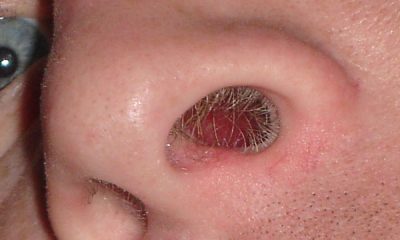
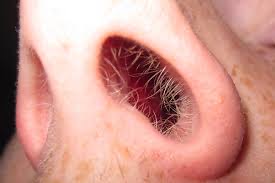
Nasal hair and it’s relevance. By preventing dust, pollen, bacteria, and other foreign objects from entering the respiratory system, nasal hair serves as a protective filter. By keeping these particles out of the lungs, it lowers the chance of inflammation and respiratory diseases like asthma. Excess nasal hair can be clipped to eliminate visible strands, but refrain from plucking or waxing since this can lead to infection or harm the nasal lining, even though it is essential for good health.
NASAL HAIR AND IT’S RELEVANCE
Even though it might not be the most attractive feature, nose hair is essential to our general health and respiratory function. Nasal hair is an unsung hero in our body’s defensive systems, screening airborne pollutants and warming and humidifying the air we breathe. Therefore, the next time you feel the need to trim or remove your nose hair, think about how important it is to your health and give it the respect it merits.
1. Filtering Airborne Particles;

NASAL HAIR AND IT’S RELEVANCE
Hair in the nose acts as a natural filter, trapping dust, pollen, bacteria, and other airborne particles before they can enter the respiratory system. This filtration process helps prevent these potentially harmful substances from reaching the lungs, reducing the risk of respiratory infections and allergies.
2. Humidifying and Warming Air;

NASAL HAIR AND IT’S RELEVANCE
In addition to filtration, hair in the nose plays a role in humidifying and warming the air we breathe. As air passes through the nasal passages, it comes into contact with the moist mucous membranes and nasal hair, which help add moisture and warmth. This process is crucial, especially in dry or cold environments, as it helps maintain optimal conditions for the delicate tissues of the respiratory tract.
3. Defense Against Pathogens;

NASAL HAIR AND IT’S RELEVANCE
Beyond filtering out particles, hair in the nose also serves as a line of defense against pathogens. The mucous membranes lining the nasal passages produce mucus, which traps bacteria and viruses. Nose hair helps to prevent these pathogens from reaching deeper into the respiratory system, thus reducing the risk of respiratory infections.
4. Maintaining Respiratory Health;

NASAL HAIR AND IT’S RELEVANCE
Proper nasal hair function is essential for maintaining overall respiratory health. When the hair in the nose is trimmed excessively or removed entirely, it can disrupt the natural filtration and humidification processes of the nasal passages. This disruption may lead to increased susceptibility to respiratory infections, allergies, and other respiratory issues.
Summary
Often disregarded and even considered ugly, nasal hair is essential to our respiratory system and general well-being. Knowing the importance of nasal hair illuminates its vital role, even though it may not be the most glamorous subject.




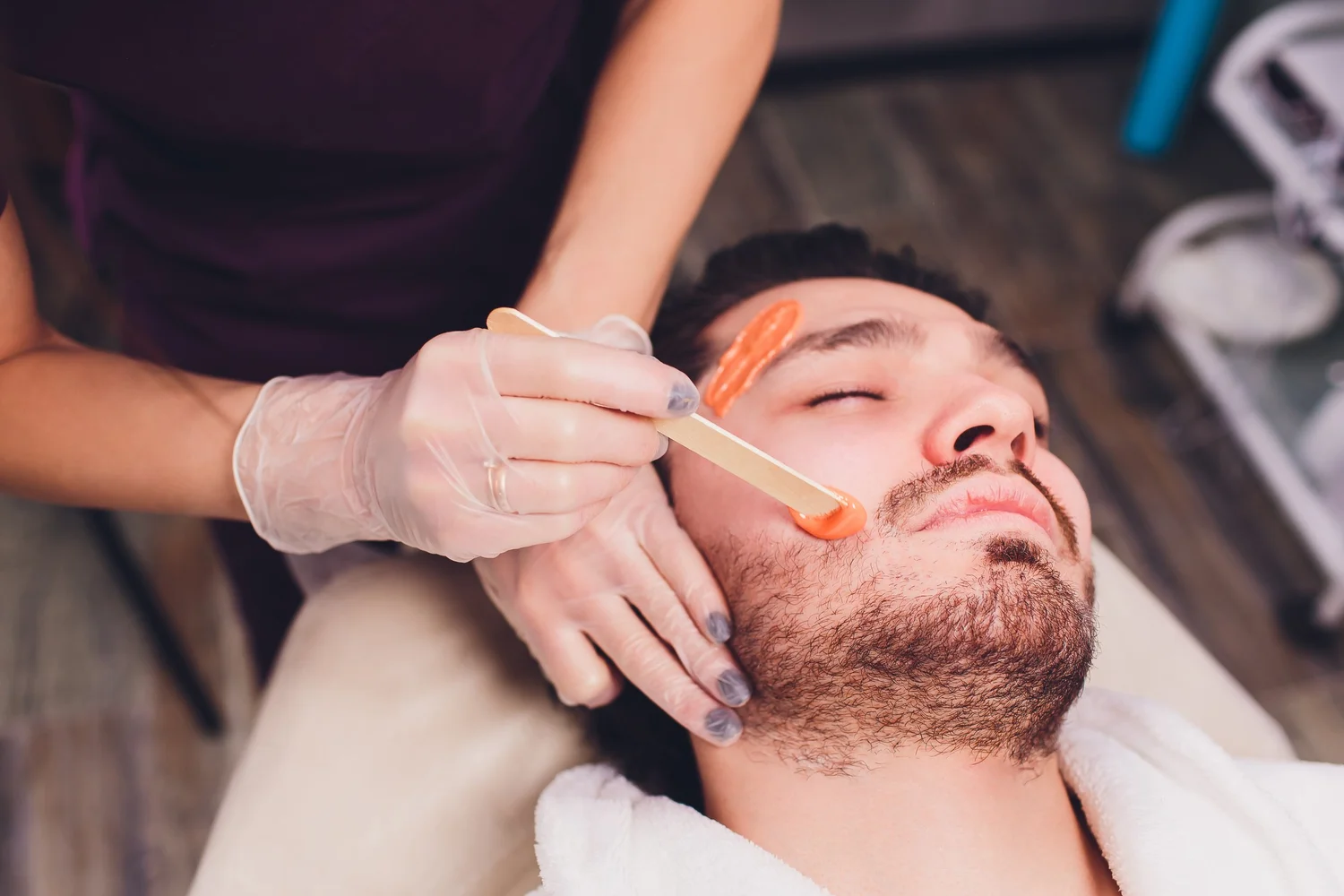
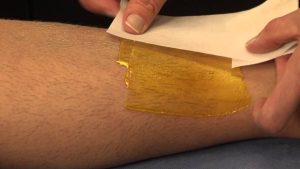
Hair waxing tips. Prepare your skin for optimal waxing results by cleaning, drying, and exfoliating it 24 hours in advance. Make sure your hair is 1/4 to 1/2 inch long, and trim it if it is longer. Apply wax with your hair growth, pull quickly against it while keeping your skin taut, and wear loose clothing afterward. Steer clear of retinoids and medications, stay hydrated, and use calming products to prevent irritation and ingrown hairs. For people looking for smooth, long-lasting hair removal, hair waxing is a great choice. Whether you decide to go to a salon or wax at home, knowing the procedure and taking care of yourself properly can help you get the finest results. Smoother skin, finer regrowth, and a more convenient beauty routine are all possible with regular waxing.
HAIR WAXING TIPS
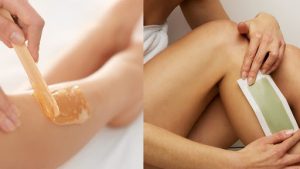
The process of hair removal involves applying a warm or cold wax to the skin, which adheres to the hair. Once the wax cools and hardens (in the case of warm wax) or binds to the hair (in the case of cold wax), it’s quickly pulled off in the opposite direction of hair growth, removing the hair from the root. The result is smooth, hair-free skin that can last from three to six weeks, depending on your hair growth cycle.
Types;
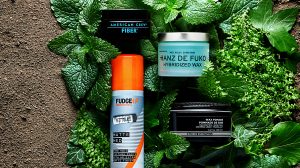
There are several types of wax used for hair removal, each with its own benefits:
– Soft Wax: This type of wax is applied warm and removed with a cloth strip. It’s great for large areas like legs and arms, as it can cover large sections of skin quickly.
– Hard Wax: Applied warm, hard wax cools and hardens on the skin. It’s removed without strips and is ideal for smaller, sensitive areas like the face, underarms, and bikini line. Hard wax is often preferred because it’s less painful and more gentle on the skin.
– Cold Wax: This pre-applied wax is used on strips, making it a convenient option for at-home waxing. Cold wax doesn’t require heating, but it may be less effective on thicker hair.
Benefits of Waxing;

HAIR WAXING TIPS
– Long-Lasting Results: Because waxing removes hair from the root, it takes longer for hair to grow back compared to shaving. This means you can enjoy smooth skin for several weeks.
– Finer Regrowth: Over time, hair that grows back after waxing tends to be finer and sparser, making future waxing sessions easier and less painful.
– Exfoliation: Waxing not only removes hair but also exfoliates the skin, removing dead skin cells and leaving your skin smoother.
Things to Consider;

HAIR WAXING TIPS
– Pain:
Waxing can be uncomfortable, especially for those new to the process or waxing sensitive areas. The pain typically decreases with regular waxing as hair becomes finer.
– Skin Sensitivity:
Waxing can cause temporary redness, irritation, or ingrown hairs, particularly for those with sensitive skin. It’s important to follow post-wax care instructions, such as avoiding sun exposure and exfoliating the area to prevent irritation.
– Hair Length: For waxing to be effective, hair needs to be about 1/4 inch long. If hair is too short, the wax may not grip it well; if too long, it can increase discomfort during removal.
At-Home vs. Professional Waxing;
HAIR WAXING TIPS
While at-home waxing kits are convenient and cost-effective, professional waxing services offer a more comfortable experience with better results, particularly for tricky areas like the bikini line or eyebrows. A trained esthetician can ensure proper technique and hygiene, reducing the risk of skin irritation or injury.
Summary
A common hair removal technique that leaves the skin smooth and hair-free for weeks is hair waxing. Waxing removes hair from the root, resulting in slower regrowth and finer hair over time, in contrast to shaving, which cuts hair at the surface. Here’s what you need know about this efficient hair removal method, whether you want to wax your bikini line, legs, or underarms.
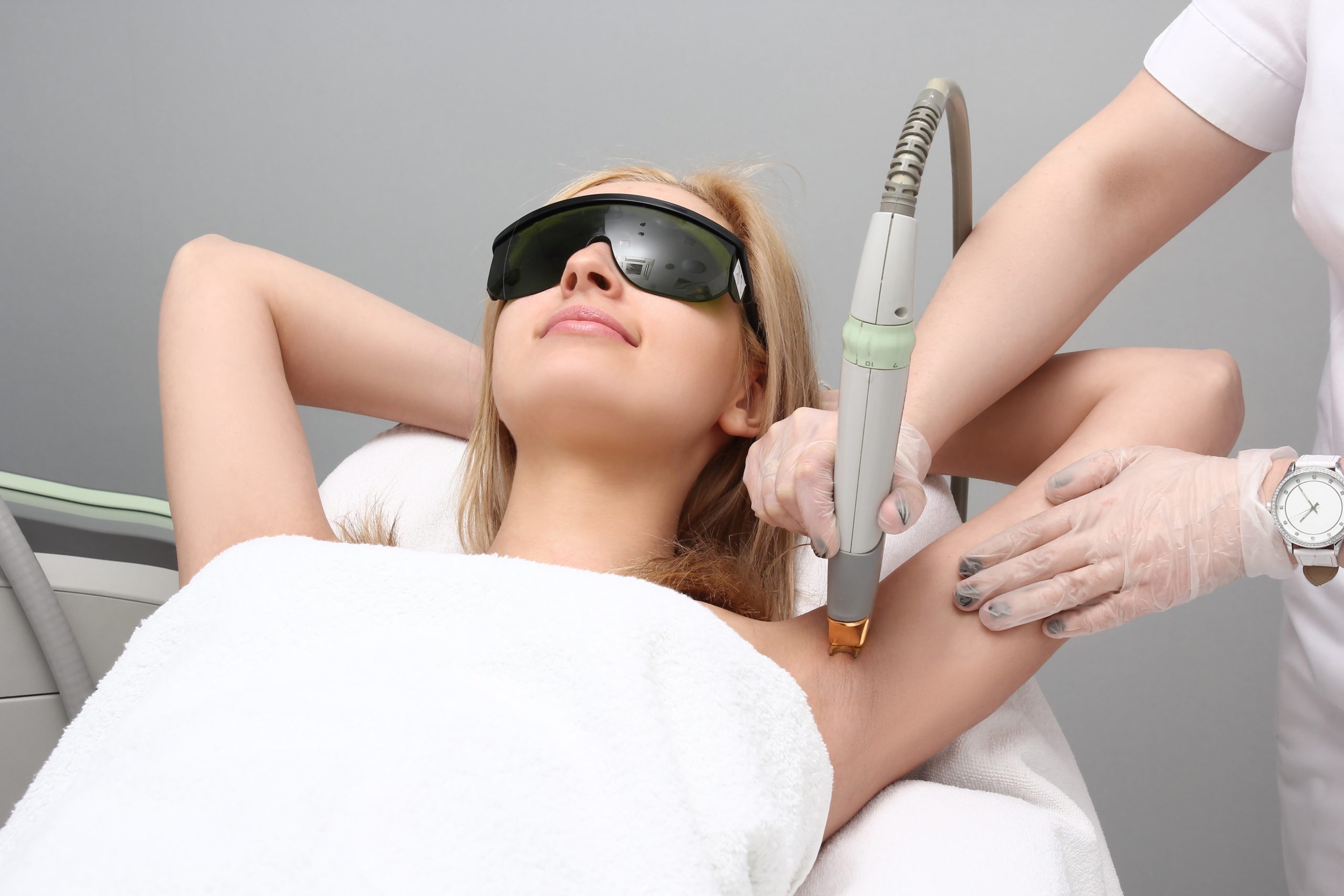

Tips for laser hair removal. Preparation for successful laser hair removal includes limiting sun exposure for weeks previously, shaving the area one to two days before, and avoiding harsh skincare products; Expect slight stinging during the procedure, and shield your eyes. Afterward, hydrate, apply sunscreen, stay out of the sun and hot showers, and refrain from plucking or waxing the treated hair as it sheds over the next few weeks. For the best outcomes, treatments and provider instructions must be followed consistently. Laser hair removal is a solution that can help you feel more comfortable and confident, whether you’re wanting to streamline your grooming routine or deal with concerns related to chronic hair growth.
TIPS FOR LASER HAIR REMOVAL
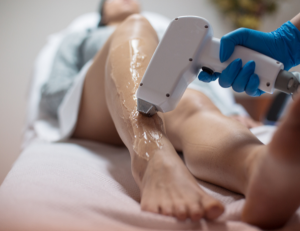
Laser hair removal involves using a laser that emits a specific wavelength of light absorbed by the pigment (melanin) in the hair. This light energy converts to heat, which damages the hair follicle, inhibiting future hair growth. Because lasers target pigment, the procedure works best on individuals with dark hair and light skin, though advancements in technology have made it increasingly effective for a broader range of skin tones and hair colors. Smoother skin with long-lasting results can be achieved with laser hair removal, which is a practical and efficient method of reducing unwanted hair growth. Many people find the advantages to be well worth the time and effort required for the first investment and several sessions.
Benefits of Laser Hair Removal;

tips for laser hair removal
– Long-Lasting Results: While not always completely permanent, laser hair removal significantly reduces hair growth. Many people experience permanent hair reduction after several sessions, meaning less frequent touch-ups.
– Precision: Lasers can selectively target dark, coarse hairs while leaving the surrounding skin undamaged. This precision makes laser hair removal an excellent choice for delicate areas like the face, underarms, and bikini line.
– Speed: Each pulse of the laser takes a fraction of a second and can treat multiple hairs simultaneously. Small areas like the upper lip can be treated in minutes, while larger areas like the back or legs may take up to an hour.
The Treatment Process;
tips for laser hair removal
Laser hair removal requires multiple sessions, typically spaced 4 to 6 weeks apart. Hair grows in cycles, and the laser is most effective during the active growth phase. Most people need 6 to 8 sessions for optimal results, though the number can vary depending on factors like hair type, color, and the area being treated.
Before the procedure, you’ll need to avoid sun exposure, waxing, and plucking for several weeks. Shaving is allowed, as it doesn’t remove the hair follicle, but it’s important to follow pre-treatment guidelines provided by your technician.
Things to Consider;
– Cost: these type of hair removal techniques can be more expensive upfront compared to other hair removal methods. However, considering the long-term reduction in hair growth, it can be a cost-effective solution over time.
– Skin Sensitivity: While generally safe, the hair removal technique can cause temporary side effects like redness, swelling, or minor irritation. These usually subside within a few hours to a couple of days.
-Post-Treatment Care;
tips for laser hair removal
After a the hair removal session, the treated area may feel like a mild sunburn. Applying ice packs and soothing creams can help alleviate discomfort. It’s also important to avoid sun exposure and wear sunscreen to protect the treated skin. Additionally, avoiding hot showers, saunas, and strenuous exercise for a day or two can prevent irritation.
Summary
A common cosmetic technique that provides a more long-lasting answer to unwanted hair is laser hair removal. In contrast to transient techniques like shaving or waxing, laser hair removal uses concentrated light radiation to target hair follicles, slowing down the creation of new hair over time. Here’s everything you need to know about laser hair removal, whether you’re sick of the ongoing maintenance or want a smoother finish.
Sugaring hair removal tips. Compared to conventional waxing, sugaring is a natural, mild, and efficient hair removal technique with several benefits. with its exfoliating properties, skin-friendly chemicals, and minimal discomfort. For people who want to have hairless, smooth skin in an environmentally responsible manner, sugaring is a great choice. Sugaring may leave your skin feeling smooth and gorgeous for weeks, whether you decide to perform it yourself at home or see a professional.
SUGARING HAIR REMOVAL TIPS
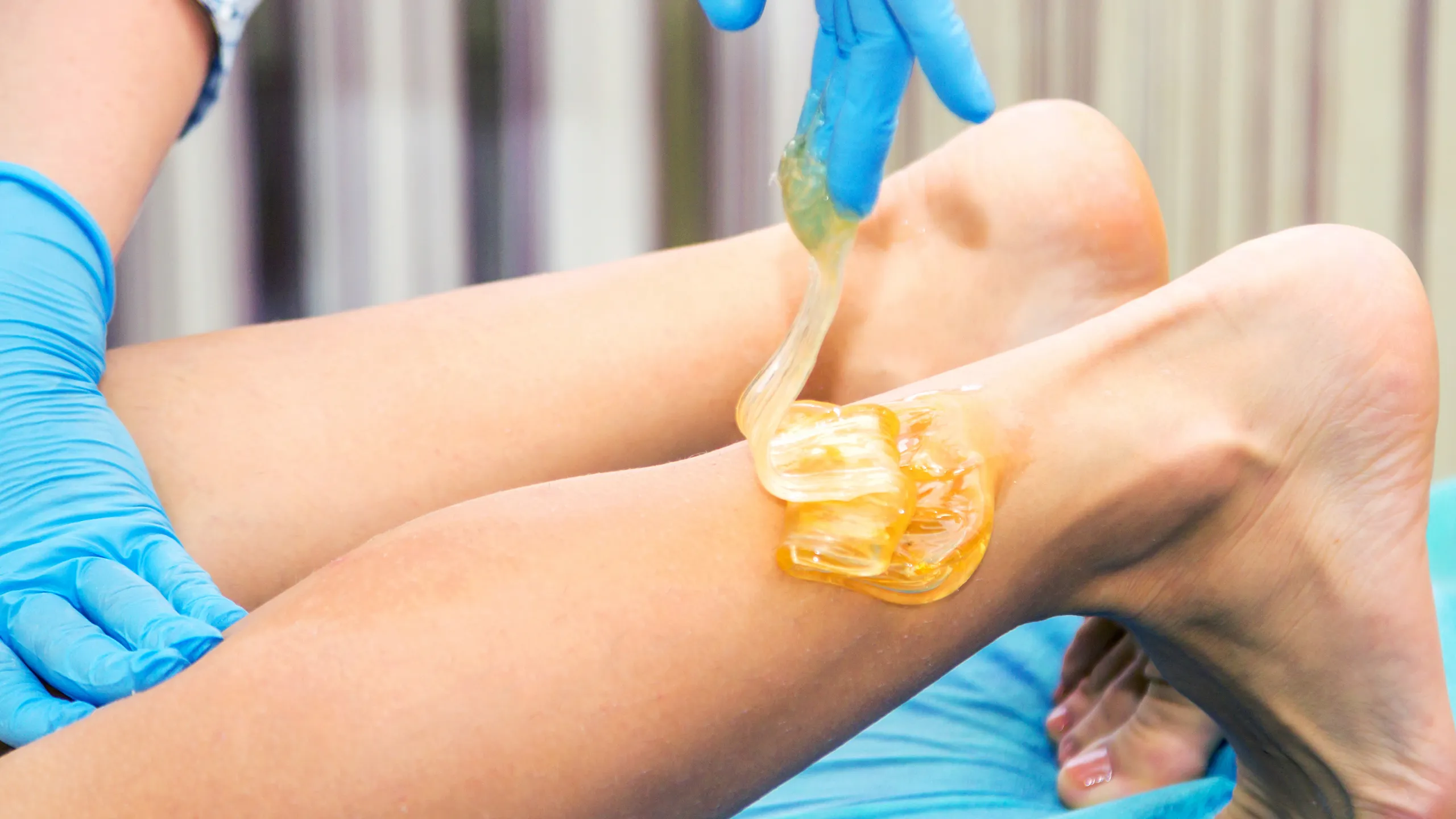
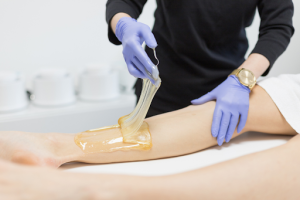
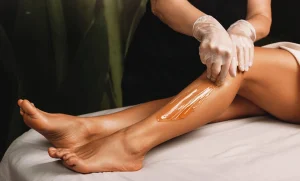
The sugaring process involves exfoliating benefits, applying a warm, sticky paste to the skin in the opposite direction of hair growth. The paste adheres to the hair but not to the skin, which makes it less painful than waxing. Once the paste has been applied, it is quickly flicked off in the direction of hair growth, pulling the hair out from the root.
Benefits of Sugaring;
– Natural Ingredients:
Sugaring paste is made from simple, natural ingredients—sugar, water, and lemon juice. It’s free from chemicals, dyes, and preservatives, making it a great option for those with sensitive skin or allergies.
– Less Painful:

SUGARING HAIR REMOVAL TIPS
Because the sugar paste doesn’t stick to the skin, sugaring tends to be less painful than waxing. The paste only adheres to the hair, which reduces the risk of skin irritation and discomfort.
– Exfoliating Effect:
Sugaring not only removes hair but also gently exfoliates the skin, removing dead skin cells and leaving the skin soft and smooth.
– Gentle on Skin:
SUGARING HAIR REMOVAL TIPS
Sugaring can be done on all skin types, including sensitive skin. Since the paste is applied at room temperature or slightly warmed, there’s no risk of burns, which can be a concern with hot wax.
– Environmentally Friendly:
The ingredients used in sugaring are biodegradable, making it an environmentally friendly hair removal option. The waste generated is minimal and the process is cruelty-free.
The Sugaring Process;

SUGARING HAIR REMOVAL TIPS
Before sugaring, the skin should be clean and dry. The hair should be at least 1/8 inch long for the paste to grip effectively. The sugaring paste is applied in the opposite direction of hair growth and then removed in the natural direction of hair growth, which reduces the chance of ingrown hairs.
Sugaring can be done at home using DIY kits, or you can visit a professional for the procedure. Many people find that professional sugaring gives the best results, especially for larger or more sensitive areas like the bikini line or underarms.
Things to Consider;
– Consistency:
Sugaring may require regular sessions to maintain smooth skin. However, over time, you may notice that your hair grows back finer and less frequently.
– Skill Required:
While sugaring can be done at home, it takes practice to perfect the technique. For those new to sugaring, a professional treatment may be a better starting point.
– Cost:
Professional sugaring sessions can be more expensive than other hair removal methods, but many find the benefits, such as reduced pain and natural ingredients, worth the investment.
Summary
Since ancient Egypt, people have been using sugaring as a method of hair removal for generations. This natural technique leaves skin smooth and hair-free by removing hair from the root using a paste comprised of sugar, water, and lemon juice. Sugaring is becoming more and more well-liked as a mild, environmentally responsible substitute for conventional waxing.
Multiple System Atrophy

Key Relevance of Monounsaturated Fats

Best Proteinous Fruits

A Step-by-Step Guide to Deleting Reels on Instagram

A Comprehensive Guide to Setting Up a YouTube Premiere