
Hair
The Best Hair Removal Treatments: Options for Smooth Skin

Hair removal is a common beauty routine for many people, and with advancements in technology and techniques, there are various options to achieve smooth, hair-free skin. The best hair removal treatment depends on factors like skin type, hair color, pain tolerance, and desired results. Here’s a look at some of the most popular and effective hair removal treatments available today.
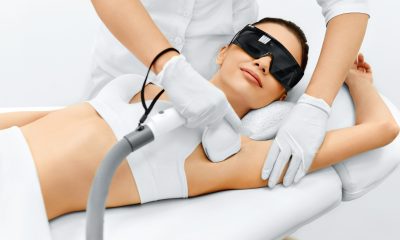
1. Laser Hair Removal
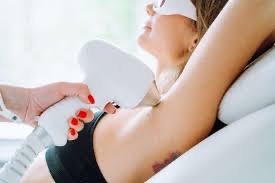
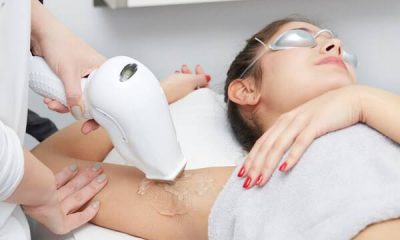
How it Works: Laser hair removal uses concentrated light beams to target and destroy hair follicles, reducing hair growth over time. It’s most effective on dark hair and lighter skin, as the laser targets pigment in the hair.
Pros:
– Long-lasting results, with some people experiencing permanent hair reduction.
– Can be used on various body areas, including the face, legs, underarms, and bikini line.
– Sessions are relatively quick, especially for smaller areas.
Cons:
– Requires multiple sessions for optimal results.
– Can be expensive.
– May cause discomfort, redness, or temporary skin irritation.
2. Intense Pulsed Light (IPL)
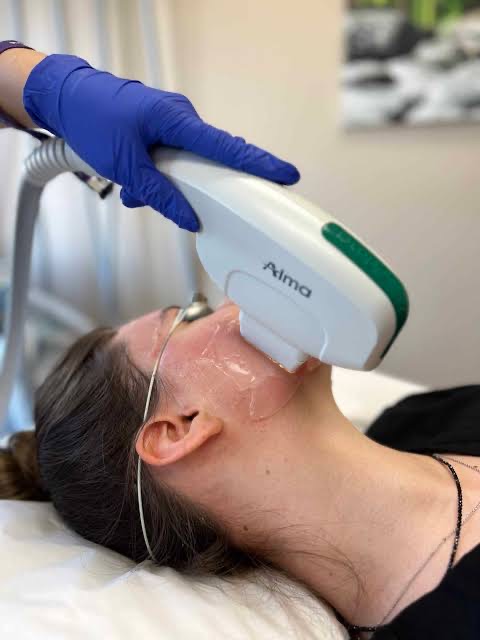
How it Works: Similar to laser hair removal, IPL uses broad-spectrum light to target the pigment in hair. However, IPL is less focused than laser, making it suitable for larger areas.
Pros:
– Can treat large areas quickly.
– Effective for a range of hair and skin types, though best for light skin and dark hair.
– Can also improve skin texture and reduce pigmentation.
Cons:
– Requires multiple sessions.
– Not as effective on very light or very dark skin tones.
– May cause mild discomfort or skin irritation.
3. Electrolysis
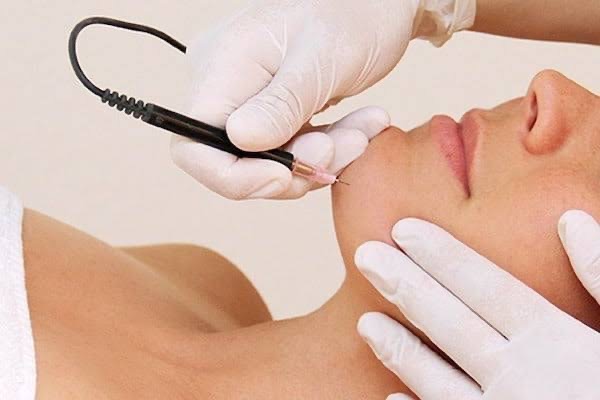
How it Works: Electrolysis involves inserting a tiny needle into each hair follicle and applying an electric current to destroy the follicle. This method is FDA-approved for permanent hair removal.
Pros:
– Suitable for all hair and skin types.
– Can be used on any part of the body.
– Provides permanent results after completing the treatment course.
Cons:
– Time-consuming, as each hair follicle is treated individually.
– Can be uncomfortable, with potential for temporary redness or swelling.
– Requires multiple sessions, especially for larger areas.
4. Waxing
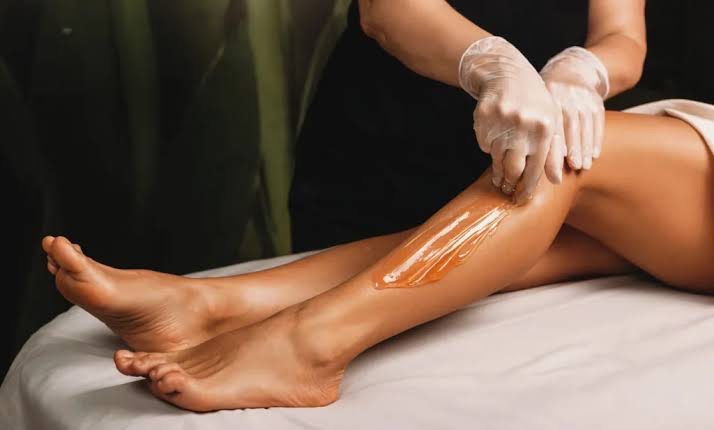
How it Works: Waxing involves applying warm or cold wax to the skin, which adheres to the hair. The wax is then pulled off, removing the hair from the root.
Pros:
– Provides smooth results that last several weeks.
– Can be done at home or by a professional.
– Effective for large areas like legs and back.
Cons:
– Can be painful, especially on sensitive areas.
– May cause redness, ingrown hairs, or irritation.
– Hair must grow out to a certain length before it can be waxed again.
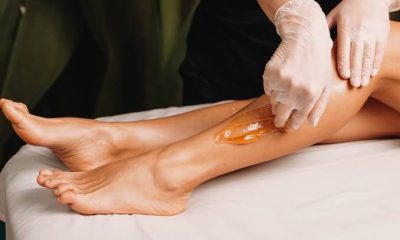
5. Sugaring
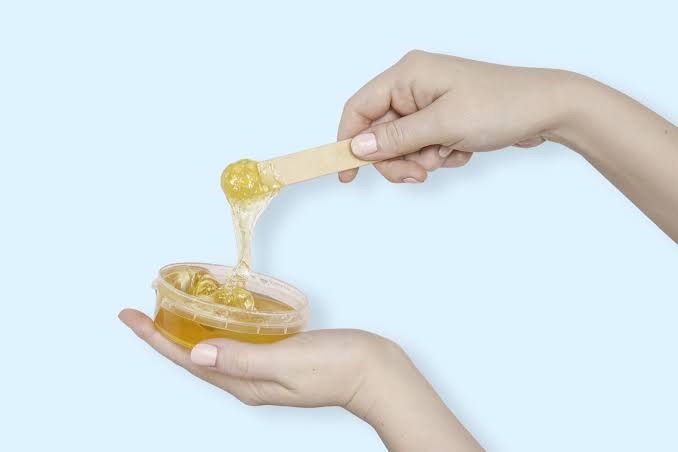
How it Works: Sugaring uses a natural paste made from sugar, lemon juice, and water. The paste is applied to the skin and then flicked off, removing the hair with it.
Pros:
– Less painful than waxing, as it doesn’t stick to the skin.
– Natural ingredients are gentle on the skin and reduce the risk of irritation.
– Results last several weeks, similar to waxing.
Cons:
– Can be messy to do at home.
– Requires hair to be a certain length before treatment.
– Not as effective on very short or coarse hair.
6. Depilatory Creams
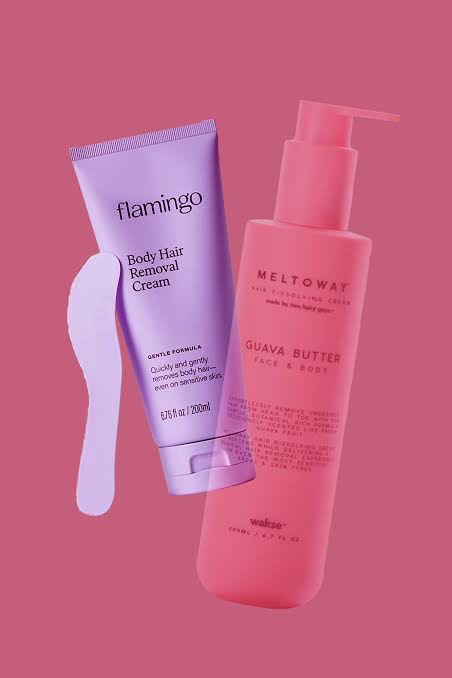
How it Works: Depilatory creams contain chemicals that break down the protein structure of the hair, allowing it to be wiped away from the skin’s surface.
Pros:
– Quick and painless.
– Can be done at home.
– Suitable for various areas, including the face, legs, and bikini line.
Cons:
– Results last only a few days to a week.
– Some people may experience skin irritation or allergic reactions.
– Strong odor and potential for uneven results.
Choosing the Right Treatment
When selecting a hair removal treatment, consider your pain tolerance, budget, and how long you want the results to last. Laser hair removal and electrolysis offer longer-lasting results but require a higher investment of time and money. Waxing, sugaring, and depilatory creams are more accessible and can be done at home but need to be repeated more frequently.
Consulting with a dermatologist or professional hair removal technician can help determine the best option for your skin type and hair removal goals. No matter which method you choose, following proper aftercare is essential to maintain smooth, healthy skin.






Hair Dye Tips. Apply color to dry, unwashed hair (wait two to three days after washing) for optimal results when dying your hair at home. To guarantee uniform coverage, divide the hair into quadrants and do a patch test 48 hours in advance. Use lip balm or petroleum jelly around your ears and hairline to prevent stains.
HAIR DYE TIPS
Here are some things to think about: You ought to save money. Believing that you can tint your hair at home to go from, say, black to platinum (or even from brown to blonde) is the biggest misconception when it comes to do-it-yourself coloring. It is preferable to let a salon colorist with expertise in evaluating tones and minimizing damage handle color changes that require multiple procedures. Changes in color may need multiple processes.
Guidelines;

Hair Dye Tips
1. Select a hue for your distinct hair. Each person’s color is unique. You won’t necessarily get the same hair color outcome even if you and your closest buddy use the same hue. To assist you, use the shade grid.
2. Avoid estimating your color outcome based on the model on the front of the color pack. See how your starting color affects your final color outcome by looking at the starting color/resulting color grid on the reverse.
3. Your skin tone is important. Pick a hue that complements the tone of your skin. For example, choose ashy blondes and mahogany brunettes, and stay away from warm or golden hair colors if you have cool coloring (fair, rosy skin with blue, green, or grey eyes).

Hair Dye Tips
4. If in doubt, use less. If you are unhappy with the outcome, it is far simpler to adjust a lighter hue. Pick a color home permanent dyes that appear a little lighter than you would like the finished product because most box colors turn out darker than you anticipate.
5. First, attempt a temporary fix. Choose a non-permanent color if you’re coloring on the spur of the moment or attempting something new.
6. Begin with little adjustments. Remain one to three shades of your present or natural hue instead of going for a drastic makeover.
Summary
A cosmetic product called hair dye is used to alter the color of human hair. People use it to complement their original shade, conceal white or gray hair, or change to a new fashion color. It is available in a variety of forms, from permanent dyes to transient color sprays.

How to take Care of your Hair. A mild approach that targets your scalp and ends is necessary for healthy hair maintenance. Use lukewarm water to wash just two or three times per week. Shampoo your roots and simply use conditioner on the ends and midlengths. Reduce the amount of heat styling, use a wide-tooth comb to properly untangle wet hair, and sleep on a silk pillowcase to avoid breaking.
HOW TO TAKE CARE OF YOUR HAIR
The scalp and ends are the main focus of a solid hair care regimen. Wash only when greasy, concentrating on the scalp with shampoo and the mid-lengths to ends with conditioner. Avoid tight hairstyles to prevent breakage, use lukewarm water to lock moisture, and always gently detangle when wet with a wide-tooth comb.
Haircare Tips;

1. washing your hair too frequently Hair must be washed, but not too frequently.
Washing too often will irritate your scalp, especially if it’s combined with rough motions like vigorously massaging it.
As a result, your hair will become greasier more quickly as your scalp overreacts and produces more sebum to protect itself.
2. Inconsistency in your hair care regimen Regularity pays off when it comes to improving the quality of your hair. If you want to save your damaged hair strands, you need to use a hair mask once every three month. Combining multiple hair care treatments is key.

How to take Care of your Hair
3. As much as it’s vital to look after the individual hair strands, you also need to focus on your scalp. Your hair will look strong and gorgeous when your scalp is in good health.
4. combs or brushes for damp hair Even yet, there’s a temptation to untangle your hair immediately after shaving. That causes more harm than good. Hair that has been dampened is more brittle and delicate.
More Tips;
5. Heating equipment use without safety If you use a heating appliance every day, it will harm your hair.
The answer? Every time you use a curling iron or hair straightener.

How to take Care of your Hair
6. Meanwhile, Overdoing the coloring Frequently coloring your hair might make it weaker. Make sure you follow the right hair care instructions to maintain its attractiveness.
7. Too many hair ties How frequently do you wear a hair tie? heat protectant.
Summary
What is the secret to having beautiful hair? a balanced, healthful diet, frequent brushing, a respectable hair care routine, and, of course, good techniques. Haircare refers to the practices and routines used to maintain and improve a person’s hair’s texture, health, and appearance.

Types of Hairstyling Tools. Becoming an expert with the best equipment requires effort. locating accessories and tools that complement your hair in the same way that style products like gel, mousse, and dry shampoo do. But tools are usually more costly. Gimmicky products might not live up to salon-quality promises and long-lasting benefits, and a mistake could break and brittle your hair.
TYPES OF HAIRSTYLING TOOLS
The correct tools greatly reduce the amount of time you spend styling, whether you’re going for effortless volume, defined curls, or sleek straight styles. Examine a summary of the most important categories based on your hair type;
Tools;
1.Whole Dyson Airwrap Multi Styler

The well-known Dyson Airwrap is unmatched by any other gadget. After numerous tests, our editors continue to believe
that it’s a worthwhile investment because it covers all the bases,
including drying, curling, smoothing, and even fine-tuning finishing.
2.Shark Smooth Style Hair Dryer Brush
Looking for a serious bang for your buck? For beauty budgets that cap at $100, we recommend the Shark SmoothStyle for its two-in-one function of a volumizing hair drying brush and a smoothing straightener. It protects the hair from overheating with calibrated airflow.
3.the Kitsch Satin Heatless Curling Set

Meanwhile, For summer styling, less heat and greater convenience are required. Heatless curlers, such as this amazing kit from Kitsch, are among the healthiest shaping solutions for hair without compromising the look of outstanding ringlets.
4.Airwrap Multi-Styler by Dyson
However, One of the greatest professional hair styling equipment to have on hand at your vanity is the Dyson Airwrap Multi Styler, which is also one of the most sought-after hair styling tools of all time.
5.Smooth Style Hair Dryer Brush by Shark;

Types of Hairstyling Tools
This is more than just what it seems like;
it can be used for drying, smoothing, and volumizing hair,
6. Straightening Brush

Types of Hairstyling Tools
using strong airflow, and it can also be used for straightening. It’s less likely to fry your hair than a regular flat iron since. We like how it produces clean, heated round brush polished results and seals your strands with every pass.
Summary
Everyday brushes and sophisticated hot multi-stylers are examples of hairstyling tools. They fall into four main categories: cutting or sectioning tools, brushes and combs, heat-styling tools, and air-styling tools.

Earth Frozen Frontiers

Natural Majestic Wonders

Daily Life Hacks

A Step-by-Step Guide to Deleting Reels on Instagram

A Comprehensive Guide to Setting Up a YouTube Premiere









Pingback: The Best Depilatory Creams for Smooth, Hair-Free Skin - SimplExplainer
Pingback: Hair Waxing: A Quick Guide to Smooth, Long-Lasting Results - SimplExplainer
Pingback: Depilatory Creams - SimplExplainer
Pingback: Tips for Laser Hair Removal - SimplExplainer